 A Sub250 guide
Do You Need the O4 Air Unit Pro or Standard O4 Air Unit?
The dji o4 air unit pro adds a stabilized gimbal camera module and adjustable aperture, while the standard unit keeps things lightweight and simple.
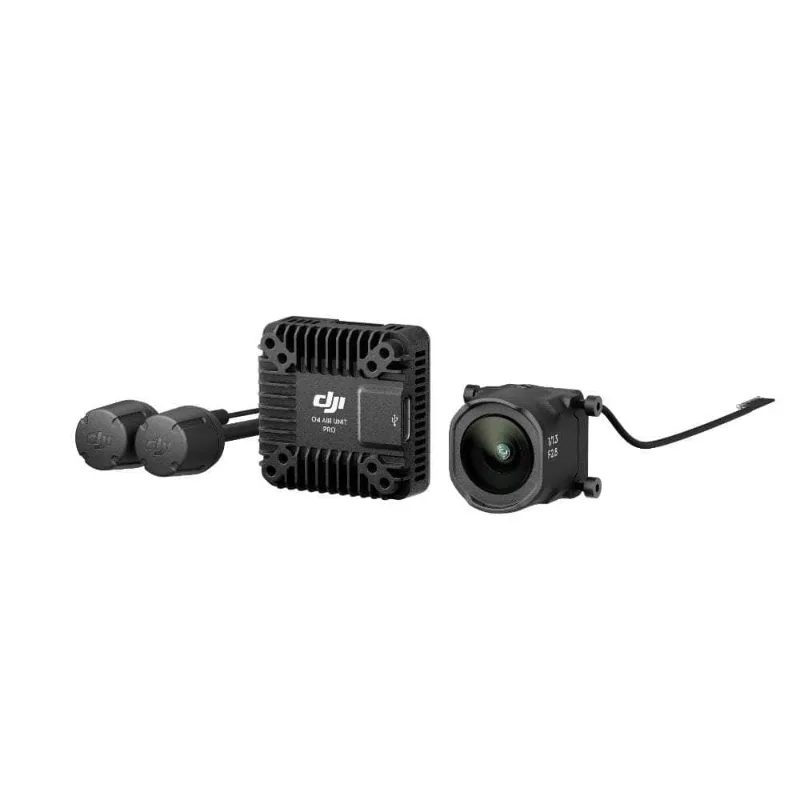
The dji o4 air unit pro is built for pilots who want a stabilized gimbal camera and adjustable aperture, while the dji o4 air unit delivers the same video transmission system in a lighter, more affordable package. Both units share identical O4 digital transmission technology, but the Pro’s camera module and mounting hardware make it the better choice for cinematic builds and long-range cruising.
If you’re building around a 250/2.5 frame or flying an oasisfly25, the weight and feature differences matter more than you think.
DJI O4 Air Unit Pro vs DJI O4 Air Unit: Key Differences
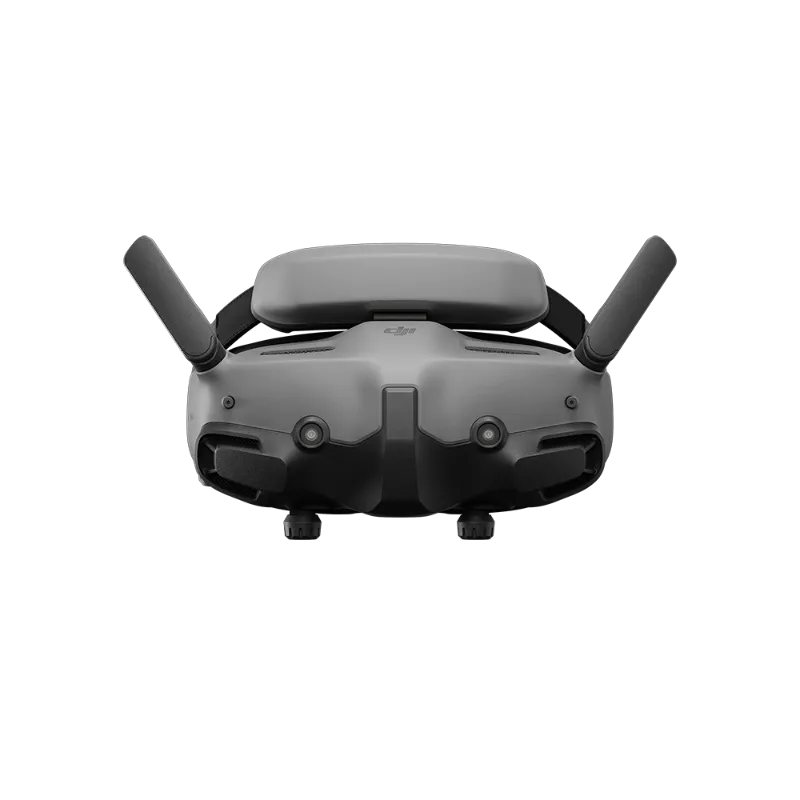
The Pro and standard versions share the same O4 transmission system, so you get identical range, latency, and compatibility with dji goggles 3. The camera module is where they split.
| Feature | DJI O4 Air Unit Pro | DJI O4 Air Unit |
|---|---|---|
| Camera module | 2-axis mechanical gimbal, adjustable aperture (f/1.4, f/2.8) | Fixed camera, f/1.4 aperture |
| Weight | ~38 g (with gimbal camera) | ~28 g |
| Mounting | Requires gimbal bracket | Direct frame mount |
| Price range | Higher | Lower |
The dji o4 air unit pro camera module includes a 2-axis gimbal that smooths out vibrations and lets you tilt the camera angle electronically. The adjustable aperture gives you control over depth of field and exposure in bright conditions. The standard dji o4 air unit mounts a fixed camera directly to your frame, keeping the total weight down and simplifying installation.
Both units work with the same goggles and support 1080p/100fps recording to internal storage. Check the latest price to see current availability and our discount code.
DJI O4 Air Unit Pro Specs and Camera Module
The dji o4 air unit pro specs center on the camera module’s gimbal and aperture control. The 2-axis mechanical gimbal stabilizes pitch and roll, so your footage stays smooth even when you’re flying aggressively. The adjustable aperture (f/1.4 to f/2.8) lets you dial in the right exposure and control motion blur in bright sunlight.
The Pro camera module connects to the air unit via a flexible cable, so you mount the gimbal separately from the main board. This gives you more flexibility in tight builds, but it also adds installation steps. You’ll need to secure the gimbal bracket to your frame and route the camera cable carefully to avoid prop strikes.
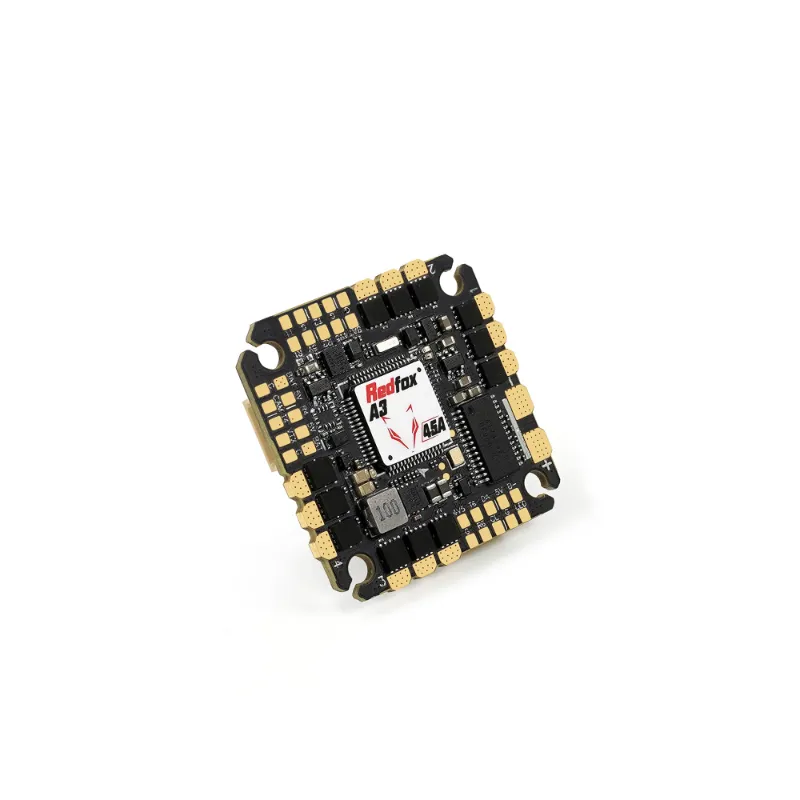
DJI O4 Air Unit Pro compatibility extends to all O4 goggles, including dji googles 3, and pairs with most flight controllers that support DJI’s O3 and O4 protocol. We’ve run the Pro unit with a radiolink f722 and other popular FCs without issue.
The gimbal housing adds about 10 grams compared to the standard fixed camera, which matters on sub-250g builds. If you’re pushing weight limits, measure your total AUW before committing to the Pro.
When the Standard DJI O4 Air Unit Makes More Sense
The dji o4 air unit is lighter, simpler to install, and costs less than the Pro. For freestyle pilots who prioritize agility and durability, the fixed camera is often the better pick. You mount the camera directly to your frame with two screws, and there’s no gimbal to break in a crash.
The standard unit’s fixed f/1.4 aperture works well in most lighting conditions, and the O4 transmission delivers the same low-latency feed as the Pro. You lose gimbal stabilization and aperture adjustment, but your footage still benefits from DJI’s excellent digital processing.
Pilots flying lightweight rigs or sub-250g builds appreciate the 10-gram weight savings. If you’re building around a 250/2.5 frame or an oasisfly25 and every gram counts, the standard unit keeps you under the limit without sacrificing video quality.
Grab the code for 5% off either air unit when you’re ready to order.
DJI O4 Air Unit Pro Goggles Compatibility and Setup
Both the Pro and standard air units work with dji goggles 3 and other O4-compatible goggles. Pairing takes about 30 seconds: power on the goggles, power on the air unit, and press the link button on each device. The goggles automatically detect the air unit and establish the connection.
The Pro’s gimbal and aperture controls appear in the goggles’ on-screen menu once paired. You can adjust the gimbal tilt angle and aperture setting using the goggles’ touchpad or your radio’s aux channels. The standard unit skips these menus since the camera is fixed.
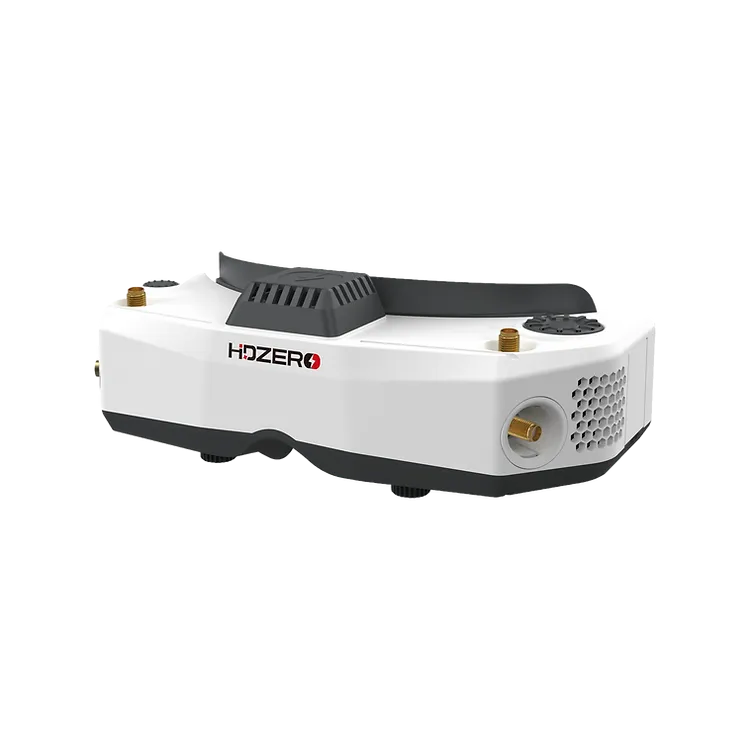
If you’re switching from hdzero goggles or hdzero goggles 2, the O4 system offers longer range and lower latency, but you’ll need to replace your entire video system. HDZero and DJI systems aren’t cross-compatible.
Setup on the flight controller side requires enabling the DJI O4 protocol in your firmware (Betaflight 4.5 or later). Most modern FCs, including the radiolink f722, support this natively. You’ll connect the air unit to a free UART and assign the DJI MSP port in the configuration tab.
DJI O4 Air Unit Pro Review: Real-World Performance
We’ve flown the dji o4 air unit pro on cinematic rigs and long-range cruisers, and the gimbal stabilization makes a noticeable difference in smooth footage. The 2-axis gimbal removes vibration and micro-jitter that would otherwise show up in your recordings, even with well-tuned PIDs.
The adjustable aperture shines when you’re flying in variable light. In lower light or when you want a shallower depth of field, f/1.4 delivers brighter images with more subject separation.
The extra weight and bulk are real tradeoffs. On a sub-250g build, the Pro’s gimbal pushed us over the limit, so we switched to the standard dji o4 air unit and stayed legal. For larger 5-inch quads and cinelifters, the Pro’s weight is negligible, and the footage quality justifies the upgrade.
Heliguy’s comparison guide walks through additional installation details if you want a deeper technical breakdown.
Range and latency are identical between the Pro and standard units. We’ve flown both out to 4 km in open fields with no breakup or latency spikes, and the O4 system recovers quickly from brief signal drops. Penetration through trees and buildings is noticeably better than analog, though still behind long-range systems like ExpressLRS for control link.
Which DJI O4 Air Unit Should You Buy?
Choose the dji o4 air unit pro if you prioritize smooth cinematic footage, need adjustable aperture for varied lighting, and aren’t constrained by weight. The gimbal stabilization is worth the extra cost for long-range cruising, real estate work, and any scenario where you want polished video straight out of the quad.
Choose the dji o4 air unit if you fly freestyle, prioritize durability and light weight, or you’re building a sub-250g rig. The fixed camera delivers excellent image quality, and you’ll save money and installation time without the gimbal.
Both units pair with the same goggles and flight controllers, so you can always upgrade or swap later. Check the latest pricing and grab our discount code to save 5% on your order at Sub250.
Questions
What is the main difference between the DJI O4 Air Unit Pro and the standard version?
The Pro includes a 2-axis mechanical gimbal camera with adjustable aperture (f/1.4 to f/2.8), while the standard unit has a fixed camera with f/1.4 aperture. Both share the same O4 transmission system and goggles compatibility.
Does the DJI O4 Air Unit Pro work with DJI Goggles 3?
Yes, both the Pro and standard O4 air units are fully compatible with DJI Goggles 3 and other O4-compatible goggles. Pairing takes about 30 seconds and the gimbal controls appear in the goggles menu.
How much does the DJI O4 Air Unit Pro weigh compared to the standard unit?
The Pro weighs approximately 38 grams with the gimbal camera module, while the standard unit weighs around 28 grams. The 10-gram difference matters on sub-250g builds where every gram counts.
Can I use the O4 Air Unit Pro on a sub-250g drone?
It depends on your total build weight. The Pro's extra 10 grams can push lightweight builds over 250 grams, so measure your complete AUW before installing. Many pilots choose the standard unit for sub-250g rigs to stay legal.
Is the gimbal on the O4 Air Unit Pro durable enough for freestyle flying?
The gimbal adds fragility compared to the fixed camera on the standard unit. Freestyle pilots who crash frequently often prefer the standard O4 Air Unit for better durability and simpler repairs.
Do both O4 air units have the same video transmission range?
Yes, the Pro and standard versions use identical O4 transmission technology, so they offer the same range, latency, and penetration. The only differences are in the camera module itself.
Products in this guide
 Shopping at Sub250? See the discount code
5% OFF All Orders
Shopping at Sub250? See the discount code
5% OFF All Orders
More in this series
What’s the Real Range and Latency of DJI O4 Air Units in 2024?14 Aug 20264 minRadiolink F722 Flight Controller Setup for Sub-250g FPV Drones14 Aug 20266 minHDZero Goggles Buyers Guide: Compatibility with DJI Air Units and Flight Controllers14 Aug 20264 minHow to Install the DJI O4 Air Unit Pro on an FPV Drone14 Aug 20266 minDJI Goggles 3 vs HDZero Goggles 2: Which FPV Goggles Are Worth It?14 Aug 20263 min