 A Sub250 guide
HDZero Goggles Buyers Guide: Compatibility with DJI Air Units and Flight Controllers
DJI Goggles 3 work exclusively with DJI's O4 video transmission system and are not compatible with HDZero or analog systems.
Understanding DJI Goggles 3 and HDZero Compatibility
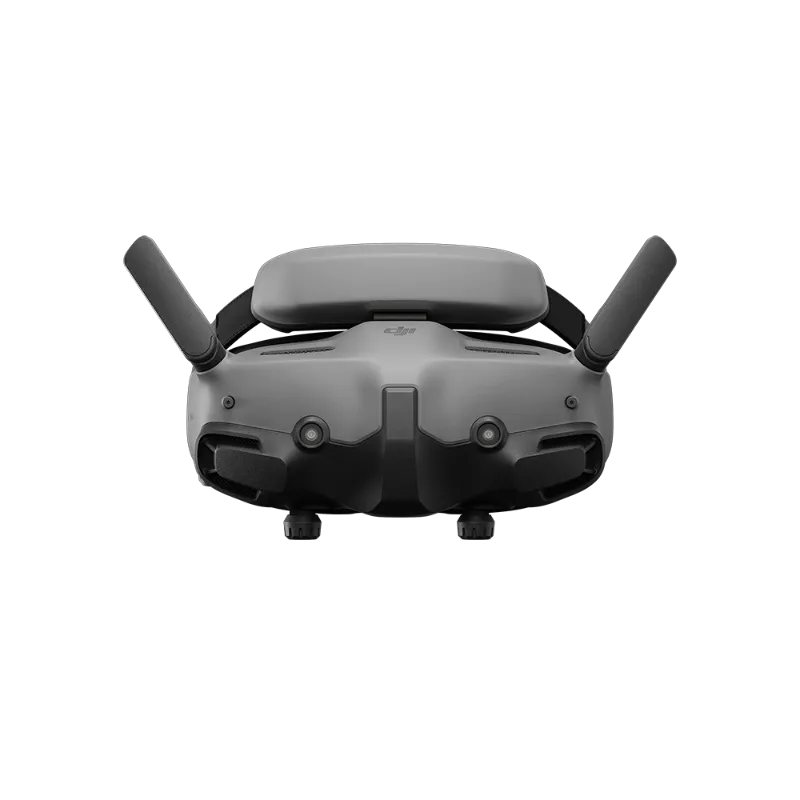
The dji goggles 3 work exclusively with DJI’s O4 video transmission system and are not compatible with HDZero or analog FPV systems. If you’re building a custom FPV drone or upgrading your goggles, understanding which air units pair with which goggles will save you from expensive compatibility mistakes.
HDZero and DJI operate on entirely different digital video protocols. While both deliver low-latency digital FPV, they cannot communicate with each other. This guide breaks down what works with what, so you can match your goggles to the right air unit and flight controller for your build.
DJI Goggles 3 Specs and Compatible Air Units
The dji googles 3 support DJI’s O4 video transmission protocol, which launched alongside the goggles in 2024. According to DJI’s official specs, they feature 1080p micro-OLED displays per eye, head tracking, and augmented reality overlays.
Compatible DJI air units include:
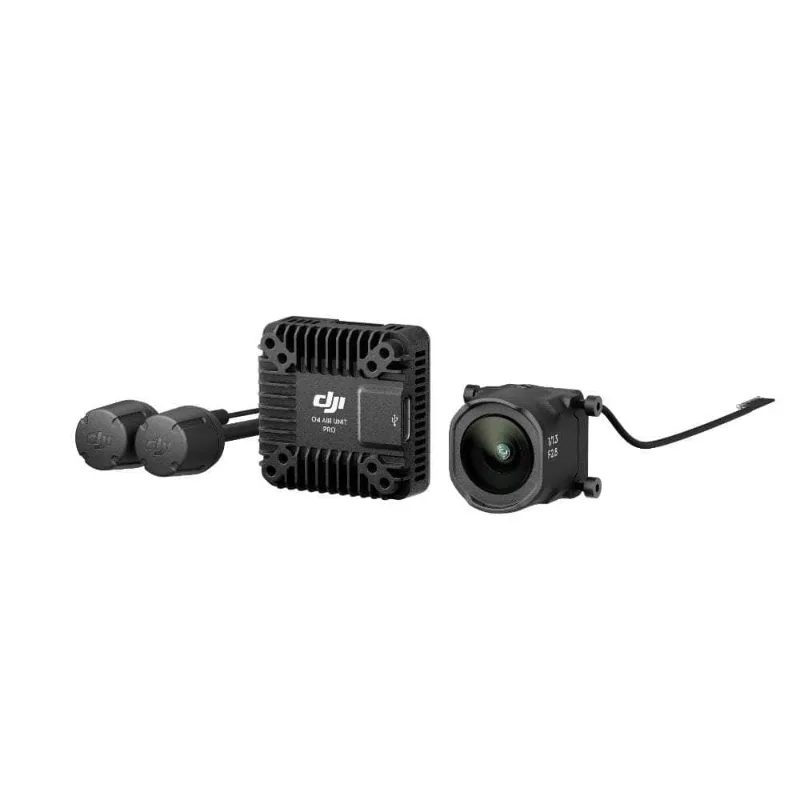
- dji o4 air unit pro: full-featured unit with 4K60 recording and 13 km range
- dji o4 air unit: lighter version without internal recording
- dji 04 air unit pro: alternative naming for the Pro variant
- dji o 4 pro: same hardware as the O4 Air Unit Pro
All O4 air units deliver the same low-latency video feed to the goggles. The Pro models add onboard recording and slightly higher transmission power, but both versions provide identical real-time viewing performance. You’ll find current pricing and grab the code for 5% off all orders when you’re ready to buy.
HDZero Goggles and System Compatibility
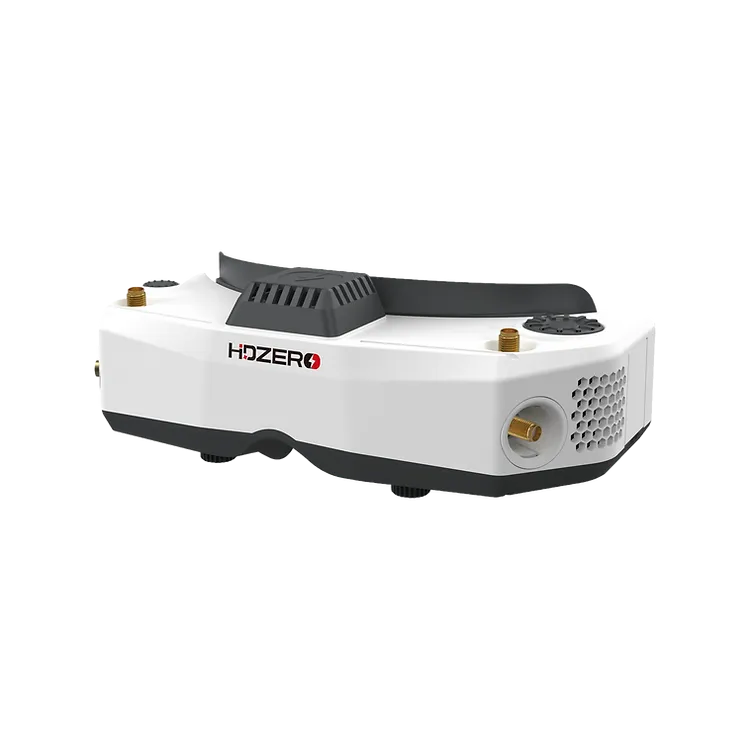
HDZero goggles and hdzero goggles 2 work only with HDZero VTX modules and cannot receive DJI O4 signals. HDZero uses a different frequency allocation and encoding method, prioritizing open-source flexibility and analog-style tunability.
Key differences between HDZero and DJI systems:
| Feature | HDZero Goggles | DJI Goggles 3 |
|---|---|---|
| Video protocol | HDZero digital | DJI O4 |
| Air unit compatibility | HDZero VTX only | DJI O4 units only |
| Crossfire/ELRS support | Native | Via DJI RC |
| Open source | Yes | No |
If you already own HDZero goggles, you cannot use them with DJI air units. Conversely, the DJI Goggles 3 will not display video from HDZero VTX modules. Hands-on testing confirms the systems remain entirely separate ecosystems in 2026.
Flight Controller Compatibility with Both Systems
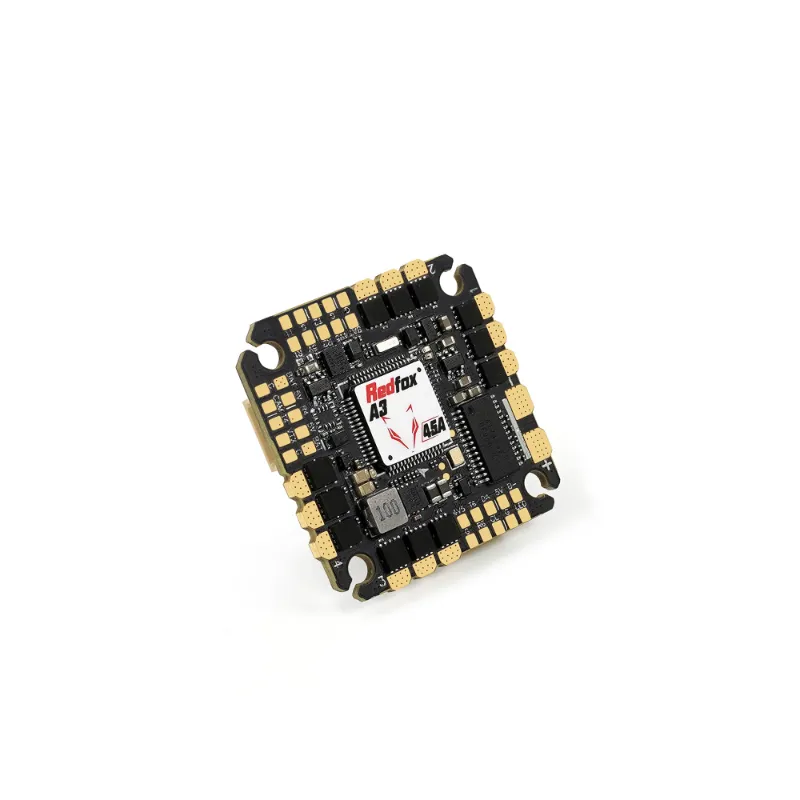
Flight controllers like the radiolink f722 are hardware-agnostic and work with both DJI and HDZero setups. The flight controller manages gyro data, motor output, and flight modes, but it does not process video transmission.
What matters for flight controller compatibility:
- UART availability: you need at least one free UART for the air unit or VTX
- 5V or 9V power rail: most air units require regulated 5V or 9V from the FC
- MSP/DisplayPort support: enables OSD overlay on your video feed
- Physical mounting: ensure your stack or frame accommodates both the FC and air unit
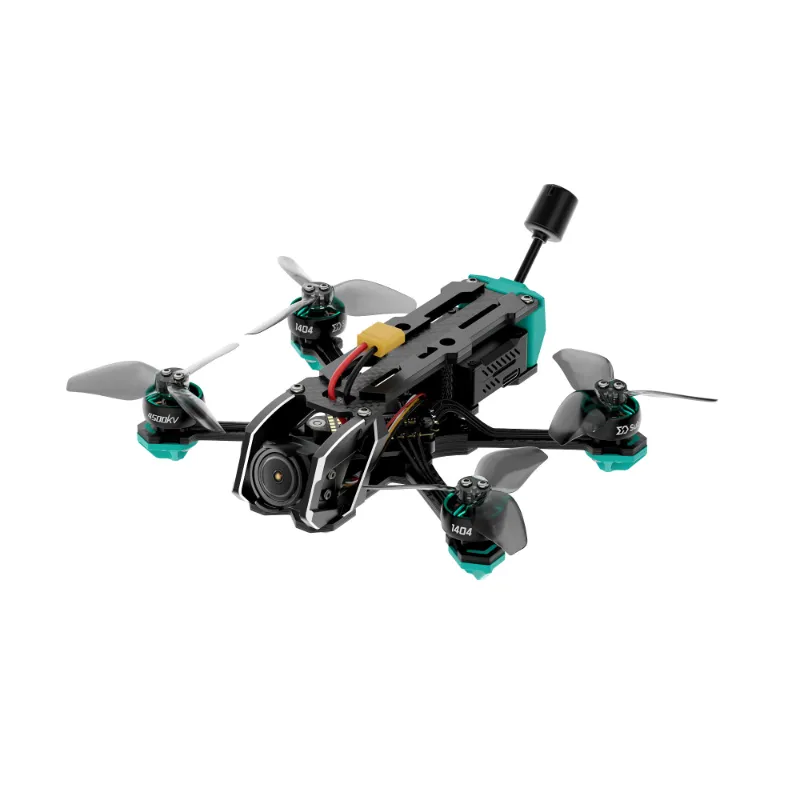
The 250/2.5 frame and oasisfly25 drone both support standard 20×20 or 30.5×30.5 mounting patterns, so any modern flight controller will physically fit. You then choose your video system (HDZero or DJI O4) separately based on which goggles you own.
Choosing Between DJI Goggles 3 vs HDZero for Your Build
Your choice comes down to ecosystem preference, not raw compatibility with flight controllers. Both systems deliver low-latency digital video, but they lock you into their respective hardware.
Choose DJI Goggles 3 compatibility if you want:
- Plug-and-play setup with minimal tuning
- 4K onboard recording (Pro units)
- Head tracking and AR dashboard features
- Longer advertised range (13 km line-of-sight)
Choose HDZero goggles if you prefer:
- Open-source firmware and community mods
- Lower total system weight
- Direct ELRS or Crossfire receiver integration
- More affordable entry cost
Check the latest price for both goggle options before committing. The DJI Goggles 3 price reflects the advanced display and recording features, while HDZero systems typically cost less upfront. As DronexL notes, DJI continues refining its closed ecosystem, which appeals to pilots who value reliability over customization.
Setting Up Your Air Unit with Your Flight Controller
Once you’ve chosen your goggles and matching air unit, wiring is straightforward. Connect your air unit’s TX/RX wires to a free UART on your flight controller, supply regulated power, and enable MSP DisplayPort in your flight controller firmware (Betaflight, INAV, or similar).
Basic wiring steps:
- Solder air unit TX to FC RX pad, air unit RX to FC TX pad
- Connect air unit power wires to 5V or 9V rail (check your unit’s voltage requirement)
- Enable MSP on the chosen UART in Betaflight Configurator
- Set DisplayPort provider to MSP in OSD settings
- Bind your goggles to the air unit following manufacturer pairing instructions
Both DJI O4 and HDZero systems use similar MSP protocols for OSD data, so your flight controller setup remains nearly identical regardless of which video system you choose. The main difference is the physical connector pinout and voltage rating, which varies by air unit model.
Making the Right Purchase Decision
We recommend matching your goggles to your intended use case first, then buying the compatible air units. If you want the simplest path with official support and future DJI drone compatibility, the DJI Goggles 3 and O4 air units are the clear choice. If you value open-source flexibility and lighter builds, HDZero goggles pair with HDZero VTX modules.
Flight controllers remain universal, so invest in a quality board like the Radiolink F722 that offers ample UARTs and clean power delivery. You can always swap video systems later without replacing your flight controller, though you will need to replace both goggles and air unit together if you switch ecosystems.
For current deals on any of these components, visit our Sub250 discount code page and save 5% on your entire order.
Questions
Can DJI Goggles 3 work with HDZero air units?
No, DJI Goggles 3 only work with DJI O4 air units. HDZero and DJI use completely different video transmission protocols and cannot communicate with each other.
Do I need a special flight controller for DJI O4 air units?
No, any modern flight controller with a free UART and MSP support works with DJI O4 air units. The flight controller does not process video, so it remains hardware-agnostic.
Which is better for beginners, DJI Goggles 3 or HDZero?
DJI Goggles 3 offer easier plug-and-play setup and official support, making them more beginner-friendly. HDZero requires more manual tuning but costs less and offers open-source flexibility.
Can I use the same flight controller if I switch from HDZero to DJI?
Yes, you can keep your flight controller when switching video systems. You only need to replace your goggles and air unit, then reconfigure the UART settings in your flight controller firmware.
What is the range difference between DJI O4 and HDZero systems?
DJI advertises up to 13 km range for O4 air units, while HDZero typically achieves 5 to 8 km depending on VTX power. Real-world range depends heavily on environment, antennas, and local interference.
Do DJI Goggles 3 work with analog video systems?
No, DJI Goggles 3 are digital-only and do not support analog video. If you need analog compatibility, you must use goggles that include an analog receiver module.
Products in this guide
Shopping at Sub250? See the discount code
5% OFF All Orders
More in this series
What’s the Real Range and Latency of DJI O4 Air Units in 2024?14 Aug 20264 minRadiolink F722 Flight Controller Setup for Sub-250g FPV Drones14 Aug 20266 minDo You Need the O4 Air Unit Pro or Standard O4 Air Unit?14 Aug 20265 minHow to Install the DJI O4 Air Unit Pro on an FPV Drone14 Aug 20266 minDJI Goggles 3 vs HDZero Goggles 2: Which FPV Goggles Are Worth It?14 Aug 20263 min