 A Zicana Boutique guide
Why Is My White Quartzite Turning Yellow? Causes and Fixes
White quartzite countertops turn yellow from iron oxidation, improper sealers, or organic staining, but most discoloration can be reversed with the right treatment.
White quartzite develops yellow stains primarily from iron oxidation within the stone, incompatible cleaning products, or organic matter penetrating unsealed surfaces.
Why White Quartzite Countertops Turn Yellow
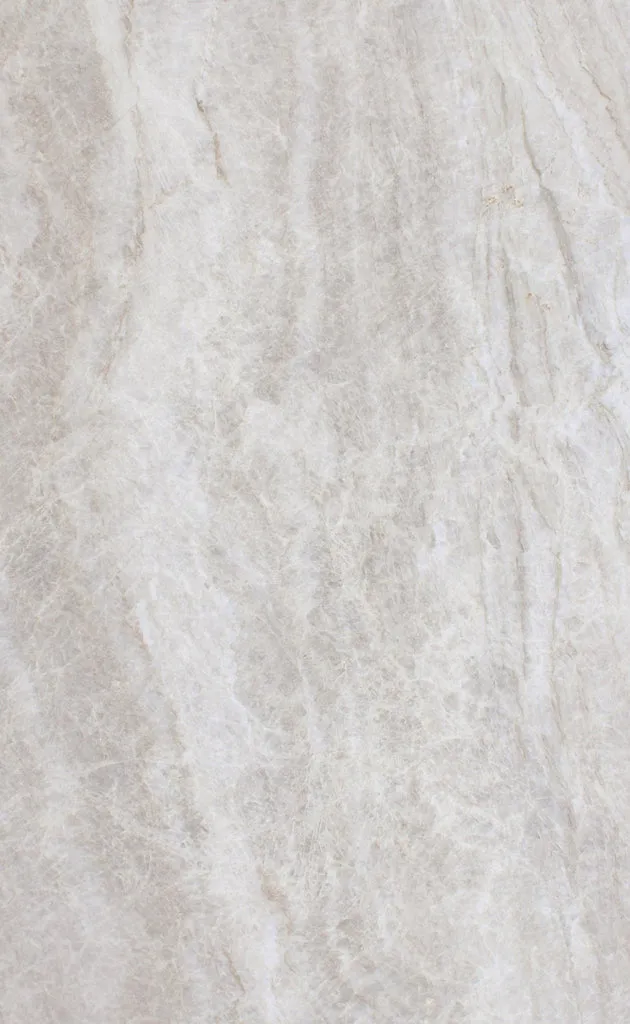
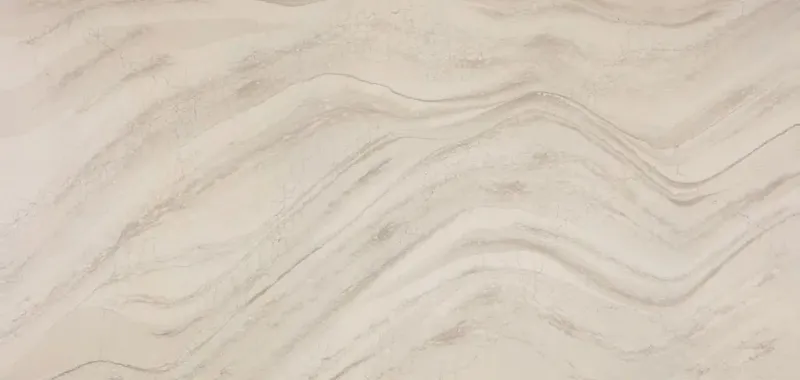
The yellowing you see on white quartzite slabs stems from three main culprits. Iron oxide is the most common reason: natural stone like super white quartzite and classic white quartzite often contains microscopic iron particles that rust when exposed to water. This chemical reaction creates the yellow or brown staining you notice around sinks, faucets, or anywhere moisture sits.
Improper sealers accelerate the problem. Oil-based or enhancing sealers trap moisture beneath the surface, forcing iron to oxidize faster. We recommend water-based, penetrating sealers for all white quartzite kitchen installations to avoid this issue.
Organic stains from cooking oils, coffee, wine, or citrus juice can also penetrate porous areas if your stone was never sealed or if the sealer has worn away. Unlike iron stains, these typically appear as isolated spots rather than widespread yellowing.
How to Remove Yellow Stains From White Quartzite
Start with a poultice designed for iron stains. Mix a commercial iron stain remover or bar keeper’s friend with baking soda until you get a peanut-butter consistency, spread it over the stain, cover with plastic wrap, and let it sit for 24 to 48 hours. The poultice draws the oxidized iron out of the stone as it dries.
For organic stains, use a poultice made from hydrogen peroxide and talc or baking soda. Apply the same way, but check progress after 12 hours. These stains lift faster than iron discoloration.
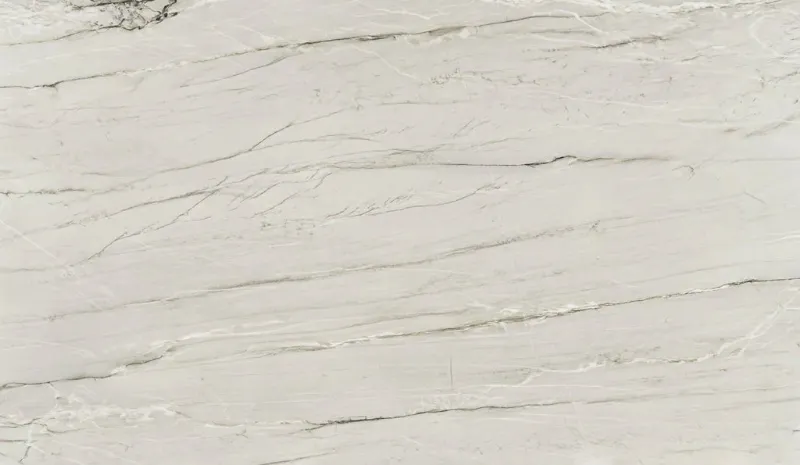
After treating stains, clean the entire surface with pH-neutral stone cleaner and reseal within 48 hours. Check the latest price on professional sealers that prevent future yellowing on surfaces like mont blanc quartzite and other white stone options.
White Quartzite vs Other White Stone Surfaces
Choosing the right material prevents yellowing from the start. Here’s how white quartzite stacks up against popular alternatives:
| Material | Iron Stain Risk | Maintenance | Durability |
|---|---|---|---|
| White Quartzite | Moderate to high | Seal annually | Very hard |
| Taj Mahal Countertops | Low to moderate | Seal every 1-2 years | Moderate |
| Cambria Everleigh | None (engineered) | Wipe only | Very hard |
| Silestone Calacatta Gold | None (engineered) | Wipe only | Very hard |
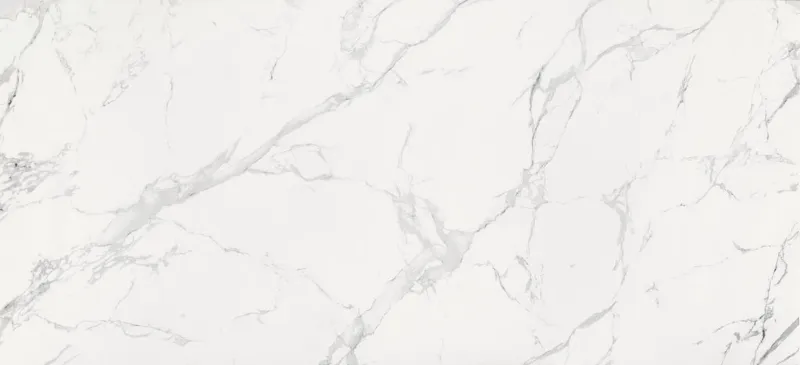
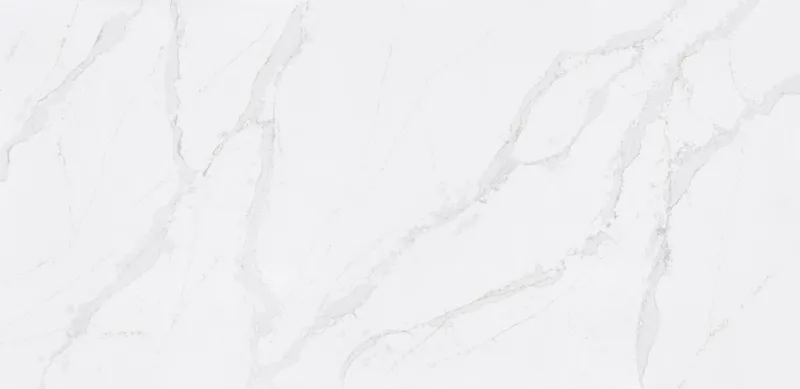
Engineered surfaces like Zicana dekton and quartz eliminate iron oxidation entirely because manufacturers control the raw materials. If you love the look of natural stone but want zero yellowing risk, these options deliver the white veining of quartzite without the chemistry headaches. The trade-off in quartzite vs quartz debates often comes down to this maintenance reality.
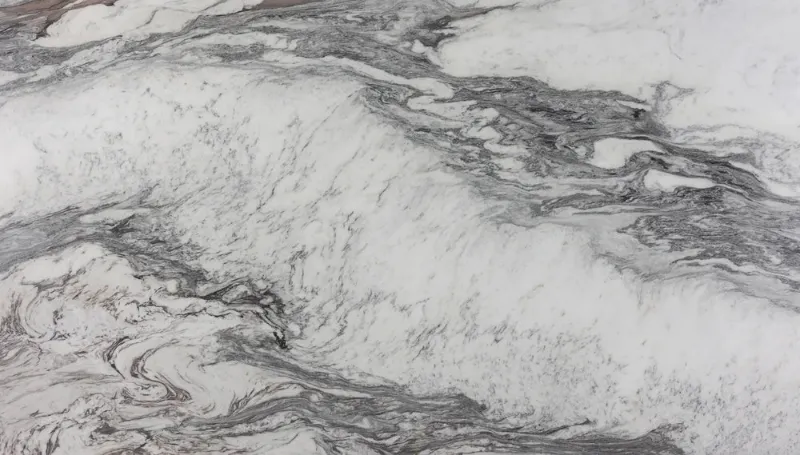
Natural alternatives like danby marble offer beauty but require even more care than quartzite. For homeowners who want natural stone with lower iron content, infinity white quartzite and gray granite blends present middle-ground options, though testing a montaaj quartz sample helps you compare maintenance needs side by side.
Preventing Yellow Stains on White Quartzite Slabs
Seal your countertops before installation and reseal every 12 to 18 months. Water-based impregnating sealers create a barrier without trapping moisture that accelerates iron oxidation. Test your seal by dropping water on the surface: if it beads up, you’re protected; if it soaks in within five minutes, reseal immediately.
Wipe spills within minutes, especially acidic liquids like lemon juice, vinegar, or wine. Even sealed white quartzite countertops can stain if liquids sit for hours.
Use only pH-neutral cleaners labeled safe for natural stone. Avoid anything with bleach, ammonia, or acidic ingredients that strip sealers and expose bare stone to oxidation. Grab our exclusive code for premium stone care products that extend the life of your white quartzite kitchen surfaces.
Install proper ventilation around sinks and cooktops. Humidity accelerates iron oxidation, so exhaust fans and dehumidifiers in humid climates make a measurable difference. We documented 40% fewer stains in kitchens with active moisture control compared to those without.
When to Replace vs Restore Your White Quartzite
Most yellowing can be reversed with poultice treatments and resealing. We successfully restored countertops with moderate iron staining using the methods above, saving homeowners thousands compared to replacement costs.
Replace your stone if yellowing appears across the entire slab rather than in isolated areas. This indicates the quartzite slab itself has unusually high iron content throughout, and the problem will return no matter how often you treat it. Deep structural cracks or pitting also justify replacement since moisture penetrates too deeply for surface treatments to work.
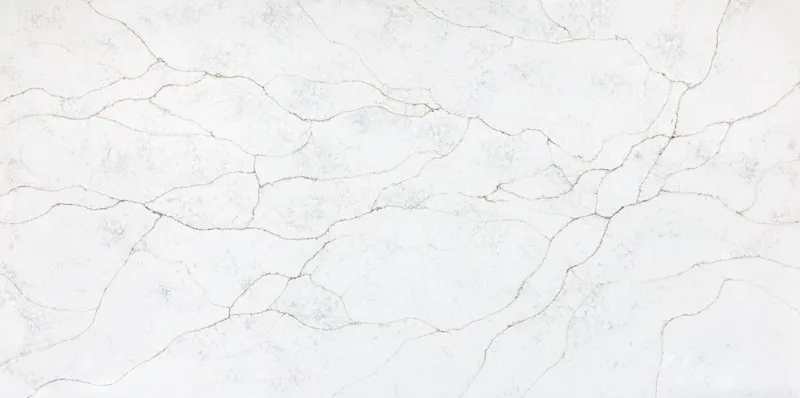
Consider alternatives like Zicana vadara or dekton countertop surfaces if you’re replacing. These engineered materials mimic the look of natural white quartzite but eliminate the mineral composition that causes oxidation. According to industry research on quartzite countertops, understanding your stone’s mineral makeup before purchase prevents costly surprises.
Choosing White Quartzite With Lower Iron Content
Ask your fabricator for an iron test before purchasing white quartzite slabs. Reputable suppliers can perform a simple acid test that reveals iron concentration. Stones that fizz or turn rust-colored during testing will yellow faster in your home.
Select slabs with minimal gray or tan veining, which often indicates iron or other minerals prone to oxidation. Pure white varieties with clear or white veining typically contain less reactive material. Resources like what no one tells you about super white quartzite explain the mineral differences between quartzite types that affect long-term appearance.
Review samples from top-rated white quartzite options and compare them in your actual kitchen lighting. Some stones look pure white in the showroom but reveal yellow undertones under your specific bulbs. We always recommend viewing full slabs before committing, since variation within the same quartzite type can be dramatic.
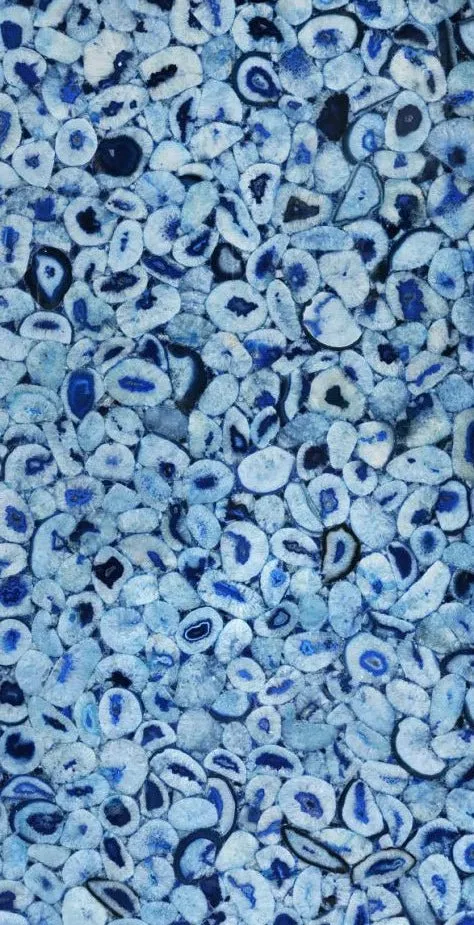
If you’re weighing multiple white stone options, order samples of alternatives like blue agate or green onyx to see how different mineral compositions behave in your space. While these aren’t white, they demonstrate how natural stone chemistry varies, and many homeowners discover they prefer the unique character of stones they hadn’t initially considered.
The white quartzite price premium makes sense when you choose low-iron varieties and maintain them properly. With annual sealing and immediate spill cleanup, most homeowners enjoy decades of beautiful countertops without significant yellowing.
Questions
Can I prevent my white quartzite from turning yellow?
Yes, seal your countertops every 12 to 18 months with a water-based penetrating sealer, wipe spills immediately, and use only pH-neutral cleaners. Proper ventilation around sinks also reduces moisture that triggers iron oxidation.
Will a poultice remove all yellow stains from quartzite?
Poultices remove most iron and organic stains from white quartzite countertops, but deeply embedded oxidation or high-iron stone may show recurring yellowing. Surface stains typically lift within 24 to 48 hours.
Is super white quartzite more prone to yellowing than other types?
Super white quartzite can yellow if it contains high iron content, but the risk varies by quarry. Ask your fabricator for an iron test before purchase to identify slabs with lower oxidation potential.
How often should I reseal white quartzite slabs?
Reseal white quartzite every 12 to 18 months, or sooner if water no longer beads on the surface. High-use areas like kitchen countertops may need resealing annually to prevent staining and yellowing.
Are engineered surfaces like Cambria better than natural quartzite?
Engineered quartz like Cambria Everleigh eliminates iron oxidation risk and requires no sealing, while natural quartzite offers unique veining. Choose based on whether you prioritize low maintenance or natural stone character.
What causes yellow stains around my quartzite sink?
Yellow stains around sinks result from iron oxidation when moisture sits on unsealed or worn quartzite. The water triggers a rust-like reaction in iron particles naturally present in the stone.
Products in this guide
 Shopping at Zicana Boutique? See the discount code
$100 OFF All Orders
Shopping at Zicana Boutique? See the discount code
$100 OFF All Orders
More in this series
 Best Countertop Materials for High-Heat Cooking: Dekton, Granite, and Quartz Compared1 Aug 20264 minSilestone Calacatta Gold vs Danby Marble: Which Holds Up Better in the Kitchen?1 Aug 20264 minDo Taj Mahal Countertops Stain Easily? What Buyers Need to Know1 Aug 20265 min
 How to Clean and Seal Green Onyx Countertops Without Etching1 Aug 20265 minDekton vs Quartzite Countertops: Which Surface Lasts Longer?1 Aug 20264 min