 A Zicana Boutique guide
Do Taj Mahal Countertops Stain Easily? What Buyers Need to Know
Taj Mahal quartzite is porous but, sealed, highly stain resistant according to Zicana Boutique. Here is how to seal and care for it.
Taj Mahal countertops do not stain easily once they are sealed, but they can stain if left unsealed, because Taj Mahal is a natural quartzite and, in Zicana Boutique’s words, “somewhat porous”. The store says that with professional sealing and occasional resealing it becomes highly stain resistant, and that it does not etch the way marble does. We keep the current code for Zicana Boutique on its store page.
What Taj Mahal quartzite is
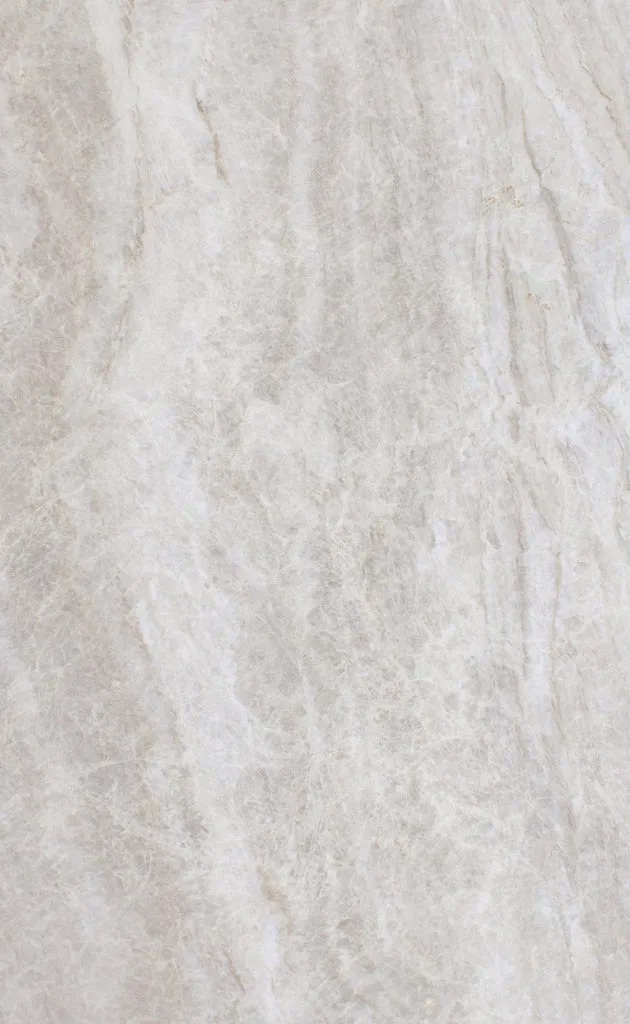
Zicana’s Taj Mahal quartzite slab is a Brazilian natural stone with a warm ivory-white background, soft taupe movement and delicate gold veining. The store says its slabs are selected with clean surfaces and no fills, and lists them in 2 cm and 3 cm thicknesses with honed, polished and leather finishes.
Zicana’s articles describe it as a quartz-rich metamorphic stone, harder than marble, which is why it is offered as a more durable alternative with a similar look. The light colour is part of the appeal, and it is also why a stain on an unsealed surface would be easy to see. That makes staining a question of care, not of luck.
Stains vs etching: what to watch for
The two are easy to confuse, so it helps to separate them.
- Staining is a liquid soaking into the stone and leaving a mark. Zicana’s care article names wine, oil and citrus as liquids that can penetrate unsealed pores with prolonged exposure, and its etching article adds spices and oils in the kitchen.
- Etching is a dull spot where acid reacts with calcium-rich stone such as marble or limestone. Zicana says Taj Mahal is composed mostly of quartz and, for practical purposes, does not etch like marble.
So the risk to plan for with Taj Mahal is staining, and the defence is a good seal plus prompt clean-up. If you are comparing it with a marble such as Danby, Zicana’s own position is that marble is more prone to scratching and etching because of its calcium carbonate content.
Sealing and the water-drop check
Sealing is what turns a porous stone into a stain-resistant one. Zicana’s articles give resealing intervals of every 12 to 18 months in one guide and every 1 to 2 years in another, with heavy-use areas such as kitchen islands needing it more frequently and walls or backsplashes less. These intervals are the store’s figures.
Rather than relying on the calendar alone, use the water-drop check Zicana describes:
- Place a few drops of water on the surface.
- Wait about 15 minutes.
- If the water darkens the stone or soaks in, it is time to reseal.
When you reseal, Zicana’s sealing guide says to clean the surface with a pH-neutral stone cleaner, let it dry completely, use an impregnating sealer made for quartzite, apply it evenly without overdoing it, wipe off the excess before it dries, and let the stone cure for at least 24 hours before putting anything on it. Follow the sealer’s own label for how long to leave it on.
Daily habits that prevent stains
Zicana’s care articles list a short routine that covers the basics:
- Wipe spills promptly, especially wine, oil and citrus.
- Clean with a soft cloth and mild soap or a pH-neutral stone cleaner, then dry with microfiber to avoid streaks.
- Never use vinegar, bleach or ammonia-based cleaners on the stone.
- Use cutting boards and coasters. The store also recommends a cutting board because cutting directly on the stone can dull knives and may leave fine marks.
- Use trivets or hot pads under hot pans to protect the sealant layer, even though the store describes the stone as heat resistant.
- Polish only with stone-safe products. Zicana warns that products not labelled stone-safe can contain acids or alkalis that degrade the surface.
Choosing your slab with stains in mind
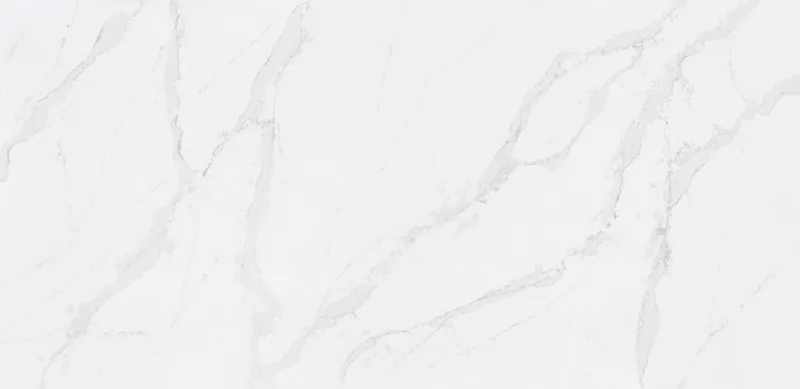
If you want natural stone, Taj Mahal is a strong choice as long as you are happy to reseal on schedule. If you never want to think about sealing, Zicana’s engineered quartz slabs, such as the Eternal Calacatta Gold Silestone slab, are presented as surfaces that do not need sealing. That is the clearest way to decide between them: low-maintenance engineered quartz, or natural quartzite with a little upkeep.
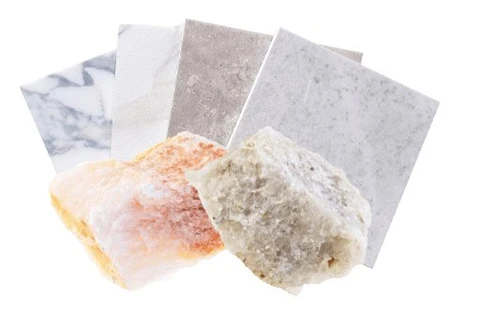
Before you order, compare a quartzite sample with any alternatives in your own kitchen light. Zicana sells stone samples, including quartzite and quartz options, and displays full slabs at its Westbury, New York showroom, where you can choose the exact slab and finish.
Questions
Do Taj Mahal countertops stain easily?
Not when sealed. Zicana Boutique describes Taj Mahal quartzite as somewhat porous but says it becomes highly stain resistant with professional sealing and occasional resealing.
Does Taj Mahal quartzite etch like marble?
Zicana says it does not. Taj Mahal is composed mostly of quartz, which the store describes as non-reactive, while marble and limestone are calcium-rich and etch with acids.
How often should Taj Mahal countertops be resealed?
Zicana's articles give every 12 to 18 months in one guide and every 1 to 2 years in another, depending on use. A simple water-drop check tells you when the seal has worn.
What cleaners should I avoid on Taj Mahal quartzite?
Zicana says never to use vinegar, bleach or ammonia-based cleaners. Use mild soap or a pH-neutral stone cleaner with a soft cloth.
Is quartz better than Taj Mahal quartzite for stain resistance?
Zicana presents engineered quartz such as Silestone as not needing sealing. Taj Mahal is a natural stone that needs periodic sealing to stay stain resistant.
Products in this guide
 Shopping at Zicana Boutique? See the discount code
$100 OFF All Orders
More in this series
 Countertops for High-Heat Cooking: How Dekton, Granite and Quartz Compare1 Aug 20263 minWhy Is My White Quartzite Turning Yellow? Causes and Fixes1 Aug 20264 minSilestone Calacatta Gold vs Danby Marble: Which Holds Up Better in the Kitchen?1 Aug 20263 min
 How to Clean and Seal Green Onyx Countertops Without Etching1 Aug 20264 min
 Dekton vs Quartzite Countertops: How Zicana’s Slabs Compare1 Aug 20263 min