 A Zicana Boutique guide
How to Clean and Seal Green Onyx Countertops Without Etching
Green onyx countertops demand gentle care with pH-neutral cleaners and regular sealing to prevent etching and preserve their translucent beauty.
Green onyx surfaces bring dramatic translucent veining and rich color to kitchens and bathrooms, but their calcium carbonate composition makes them highly vulnerable to acid damage and etching. We’ll walk you through the exact cleaning products, sealing schedule, and techniques that protect your investment without dulling or damaging the stone.
Why Green Onyx Etches (And How to Prevent It)
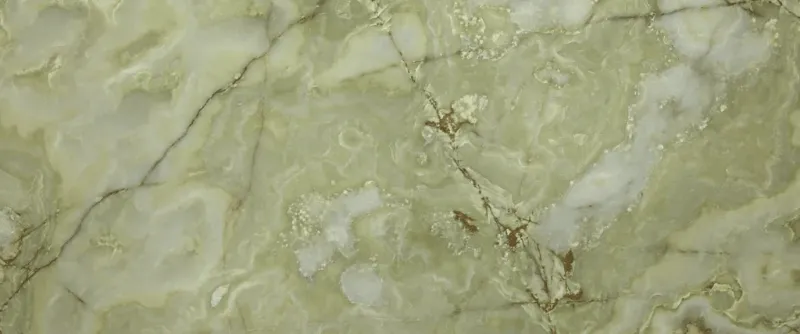
Green onyx is a banded calcite stone that reacts chemically with anything acidic, including lemon juice, vinegar, wine, tomato sauce, and most commercial cleaners. When acid contacts the surface, it dissolves microscopic layers of calcium carbonate and leaves dull spots or rough patches that cannot be buffed out without professional resurfacing.
To prevent etching, keep these items away from your countertop:
- Citrus fruits and juices
- Vinegar, wine, and salad dressings
- Tomato-based sauces and soft drinks
- Bathroom cleaners containing acids
- All-purpose sprays (unless labeled pH-neutral)
Sealing does not prevent etching. Sealer blocks stains by filling the stone’s pores, but it sits below the surface and cannot form a barrier against acid reactions. Your best defense is immediate cleanup and pH-neutral products.
The Right Way to Clean Green Onyx Daily
For daily maintenance, use only warm water and a soft microfiber cloth. Dampen the cloth, wipe the surface, then dry immediately to prevent water spots. If you need more cleaning power for grease or soap residue, choose a cleaner specifically formulated for natural stone with a neutral pH (around 7).
- Spray pH-neutral stone cleaner lightly on the surface
- Wipe in circular motions with a damp microfiber cloth
- Dry thoroughly with a clean, dry cloth
- Check for streaks and buff if needed
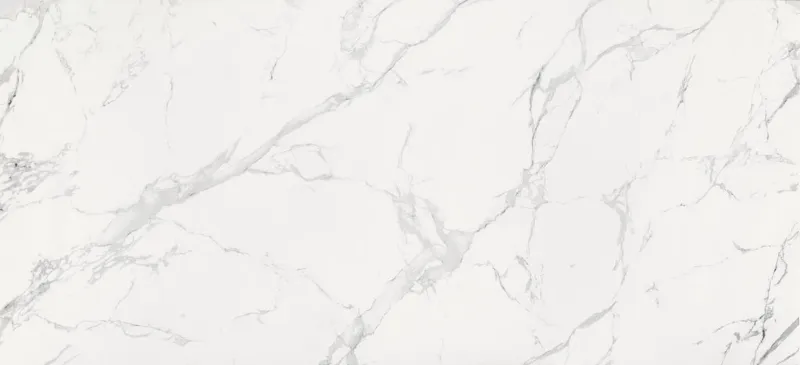
Never use dish soap (even “mild” formulas often contain degreasers or citric acid), bleach, ammonia, or abrasive sponges. If you’re comparing onyx to engineered options like Zicana dekton or silestone calacatta gold, those surfaces tolerate harsher cleaners because they’re non-porous and acid-resistant, onyx is not.
For current pricing on natural stone surfaces and to grab our exclusive code, visit the Zicana Boutique discount page.
How Often to Seal Green Onyx (And Which Sealer to Use)
Green onyx requires sealing every 6 to 12 months depending on use. Bathroom vanities in guest rooms may stretch to annual sealing, while kitchen countertops exposed to oils and liquids need attention twice a year. Run a simple water test: drop a few teaspoons of water on the surface and wait 10 minutes. If the stone darkens or the water soaks in, it’s time to reseal.
Choose an impregnating sealer (not a topical coating) designed for marble, onyx, or soft calcite stones. Impregnating sealers penetrate the pores and repel liquids without changing the stone’s appearance. Topical sealers create a film that can yellow, peel, or trap moisture underneath.
Sealing process:
- Clean the countertop thoroughly and let it dry for 24 hours
- Apply sealer with a clean cloth or foam brush in thin, even coats
- Let the sealer penetrate for 5 to 15 minutes (check product instructions)
- Wipe away excess sealer completely with a dry cloth
- Wait 24 to 48 hours before using the surface
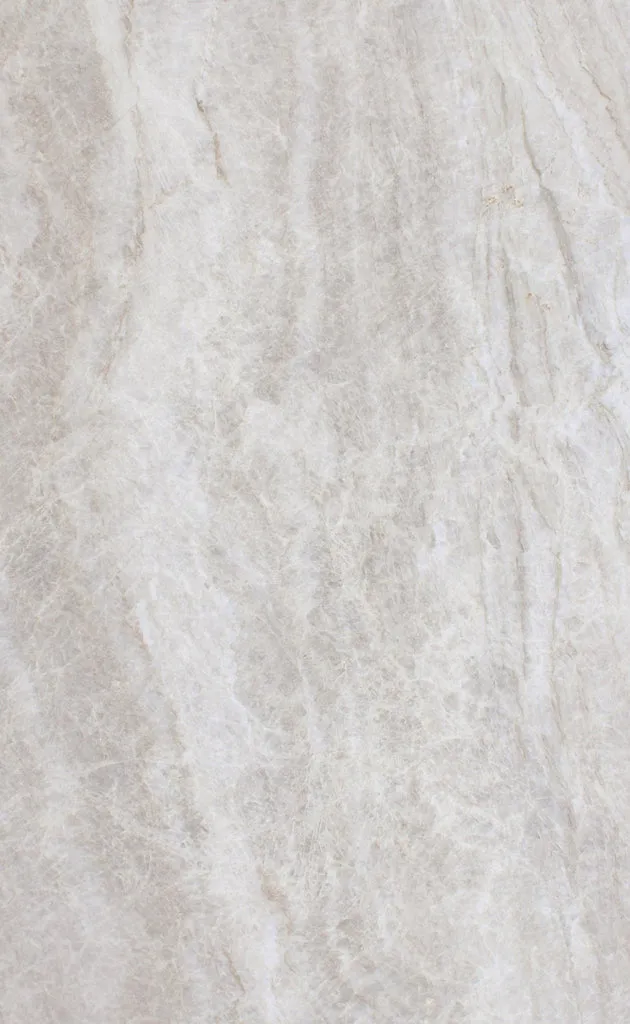
Some fabricators recommend two coats for porous stones. If you’re also considering alternatives like taj mahal countertops (a quartzite) or mont blanc quartzite, those materials are denser and typically need sealing only once a year.
Comparing Maintenance: Green Onyx vs. Other Natural Stones
Green onyx demands more careful handling than most natural stone countertops. Here’s how it stacks up against common alternatives:
| Stone Type | Acid Sensitivity | Sealing Frequency | Scratch Resistance |
|---|---|---|---|
| Green Onyx | Very High | Every 6-12 months | Low (soft) |
| Marble | High | Every 6-12 months | Low to Medium |
| Quartzite | Low | Every 1-2 years | High (hard) |
| Granite | Very Low | Every 1-2 years | High |
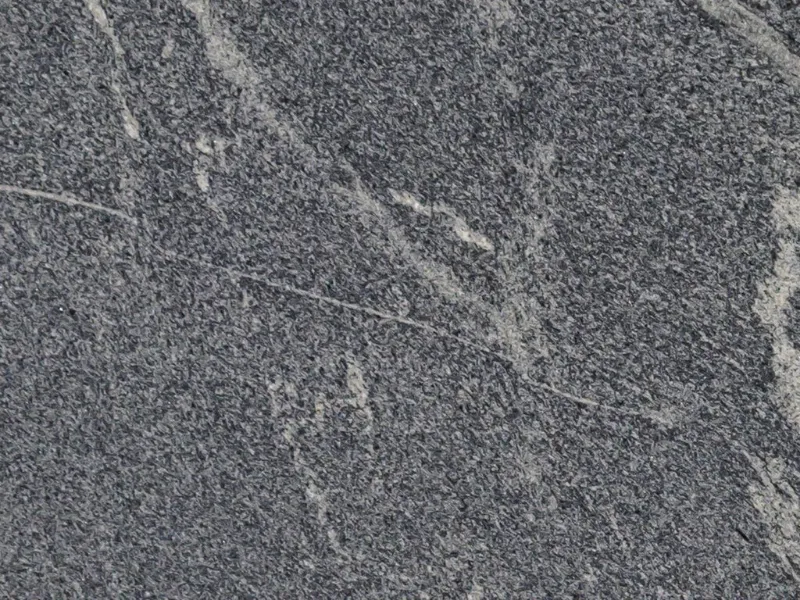
If you want the veined look of onyx with better durability, gray granite offers similar movement with superior scratch and etch resistance. For a completely maintenance-free option, cambria everleigh delivers soft neutral veining without any sealing requirement.
Onyx slabs, including the green onyx slab variations available through specialty suppliers, are often backlit in bars and feature walls rather than used as work surfaces. If you’re set on onyx for a countertop, pair it with cutting boards, trivets, and coasters as non-negotiable daily habits.
Removing Stains and Water Rings Without Damage
Oil-based stains (grease, cosmetics) and water rings are common on green onyx because the stone is porous. For fresh stains, blot immediately with a dry cloth, never wipe, which spreads the stain. Then clean with your pH-neutral stone cleaner.
For set-in stains, create a poultice:
- Mix baking soda with water to form a thick paste (peanut-butter consistency)
- Spread the paste over the stain in a 1/4-inch layer
- Cover with plastic wrap and tape the edges
- Let it sit for 24 to 48 hours
- Remove the paste, rinse with water, and dry
Baking soda is alkaline (pH ~9), which is safe for calcite stones. Never use hydrogen peroxide or acetone poultices on colored onyx, as they can bleach the stone. For stubborn water rings caused by mineral deposits, a barely damp cloth with distilled water often lifts them without additional chemicals.
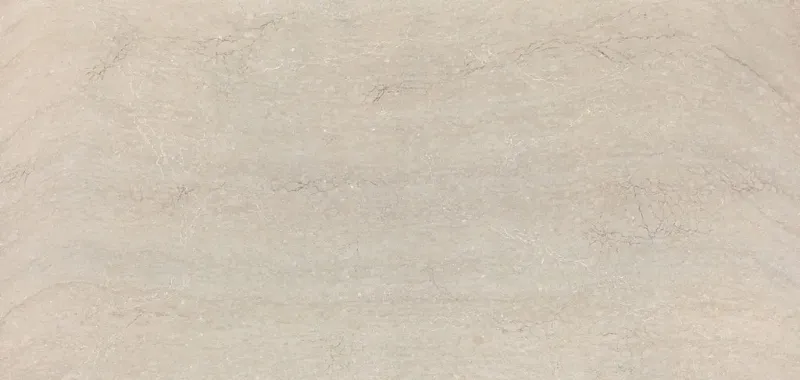
If you’re weighing the maintenance commitment, check the latest price on engineered alternatives or request a montaaj quartz sample to compare the look and feel in your space.
Who Should Choose Green Onyx (And Who Shouldn’t)
Green onyx countertops suit homeowners who love dramatic natural stone, accept higher maintenance, and can commit to careful daily habits. They work beautifully in powder rooms, wet bars, and low-traffic spaces where the translucent veining can be backlit and showcased. The stone’s rich color and unique banding make every slab one of a kind, which appeals to designers chasing a statement piece.
Skip green onyx if you:
- Cook frequently with acidic ingredients
- Want a low-maintenance surface
- Have young children or expect heavy countertop use
- Prefer stone that ages gracefully without constant vigilance
For busy kitchens, Zicana vadara surfaces or dekton countertop options deliver similar aesthetics with near-zero maintenance. If you’re drawn to the color itself, Sherwin-Williams’ Green Onyx SW 9128 paint offers a softer way to bring the hue into your space without the care demands of the stone.
Natural stone suppliers sometimes carry blue agate and other translucent stones with similar visual drama but slightly better durability. Before committing, order samples, test them with your typical kitchen ingredients, and evaluate whether the beauty justifies the upkeep for your household.
Questions
Can I use vinegar to clean green onyx countertops?
No, vinegar is highly acidic and will etch green onyx immediately, leaving dull spots that require professional refinishing. Always use pH-neutral stone cleaners and warm water instead.
How do I know when my green onyx needs resealing?
Drop a few teaspoons of water on the surface and wait 10 minutes. If the stone darkens or absorbs the water, it's time to reseal. Most green onyx countertops need sealing every 6 to 12 months.
Will sealing prevent my onyx countertop from etching?
No, sealer blocks stains by filling pores but cannot prevent acid etching, which is a chemical reaction on the stone's surface. You must keep acidic foods and cleaners away from the countertop.
Is green onyx more delicate than marble?
Yes, green onyx and marble are both calcite-based and etch easily, but onyx is generally softer and more porous than most marbles, requiring more frequent sealing and gentler handling.
Can I use baking soda to remove stains from green onyx?
Yes, a baking soda and water poultice is safe for green onyx because it's mildly alkaline and won't etch the stone. Apply it as a thick paste, cover with plastic wrap, and leave for 24 to 48 hours.
What's the best alternative to green onyx for a low-maintenance kitchen?
Engineered quartz like Cambria Everleigh or Silestone Calacatta Gold offers similar veining without any sealing, etching, or staining concerns. Quartzite is another natural option with better durability than onyx.
Products in this guide
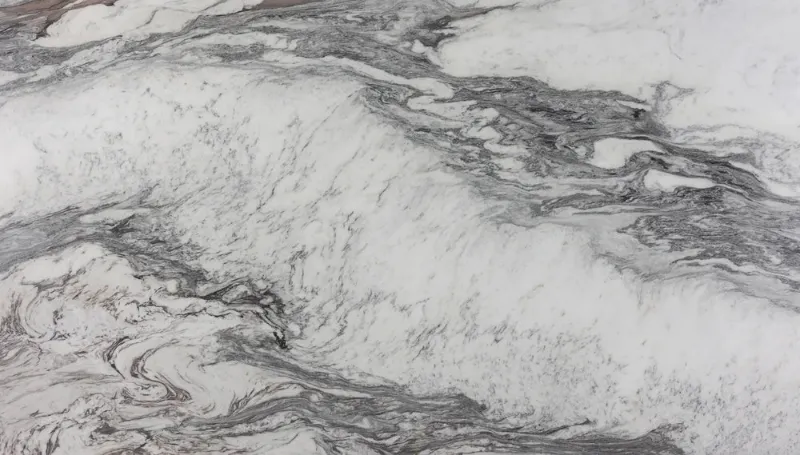
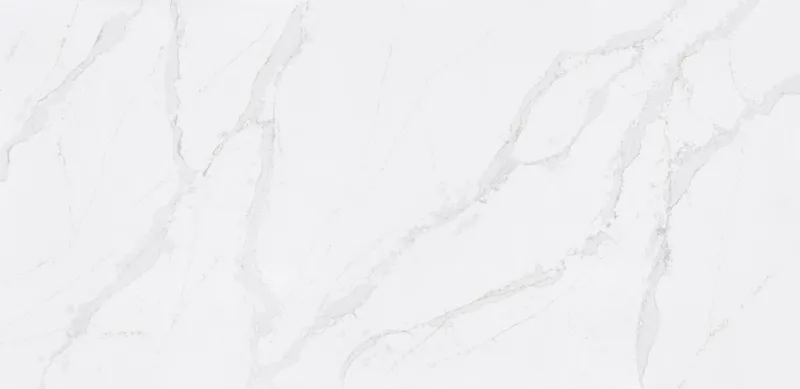
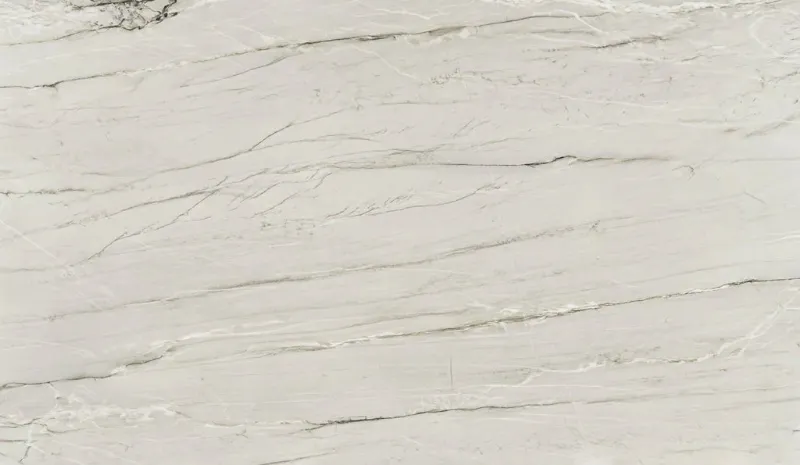
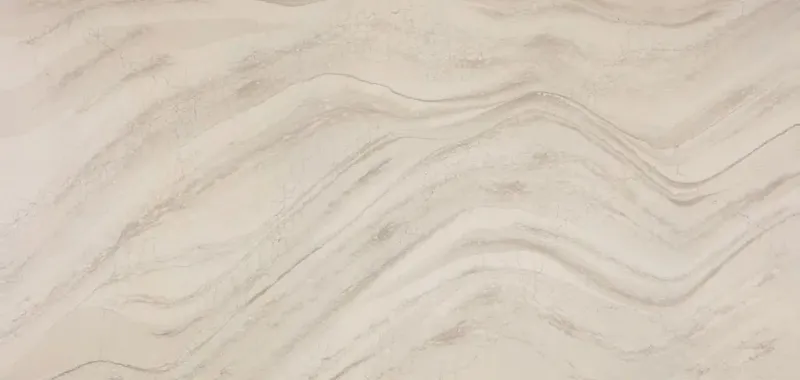 Shopping at Zicana Boutique? See the discount code
$100 OFF All Orders
Shopping at Zicana Boutique? See the discount code
$100 OFF All Orders
More in this series
 Best Countertop Materials for High-Heat Cooking: Dekton, Granite, and Quartz Compared1 Aug 20264 minWhy Is My White Quartzite Turning Yellow? Causes and Fixes1 Aug 20264 minSilestone Calacatta Gold vs Danby Marble: Which Holds Up Better in the Kitchen?1 Aug 20264 minDo Taj Mahal Countertops Stain Easily? What Buyers Need to Know1 Aug 20265 minDekton vs Quartzite Countertops: Which Surface Lasts Longer?1 Aug 20264 min