 A Zicana Boutique guide
Dekton vs Quartzite Countertops: Which Surface Lasts Longer?
Zicana dekton outlasts most quartzite in heat and scratch resistance, but natural quartzite brings unique patterns and comparable impact strength.
Zicana dekton typically outlasts quartzite in scratch resistance and heat tolerance, making it the better choice for high-traffic kitchens where durability trumps natural aesthetics. Both surfaces resist staining and etching far better than marble or granite, but they differ in manufacturing, maintenance, and how they age over decades of use.
How Zicana Dekton and Quartzite Are Made
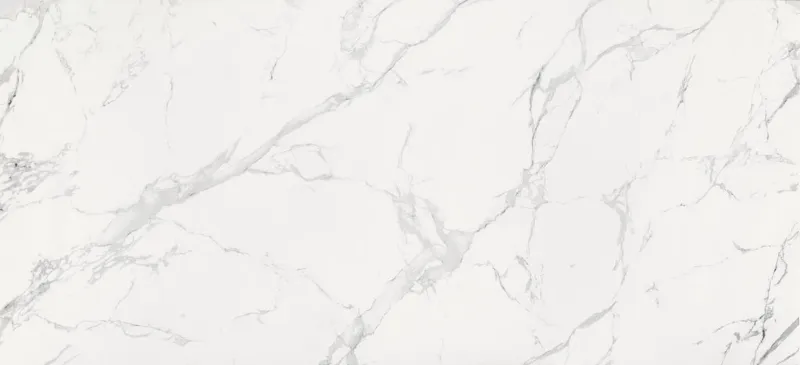
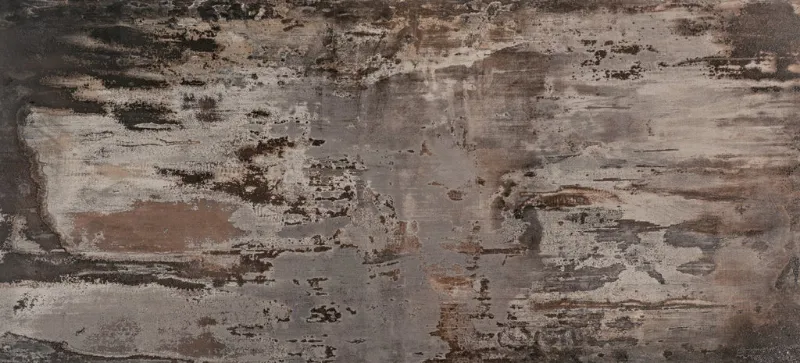
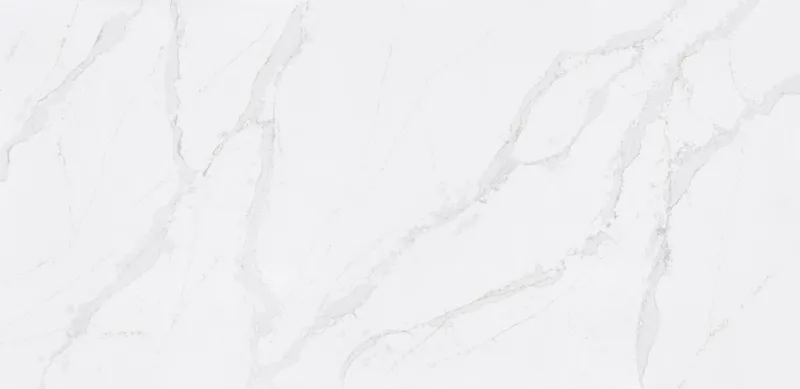
Zicana dekton is an ultra-compact sintered surface manufactured by Cosentino under extreme heat and pressure, combining raw materials like porcelain, glass, and quartz into a non-porous slab. The sintering process fuses particles at the molecular level, eliminating voids and creating a surface harder than granite. Dekton countertop options include patterns that mimic marble, concrete, and stone, with consistent color and veining across every slab.
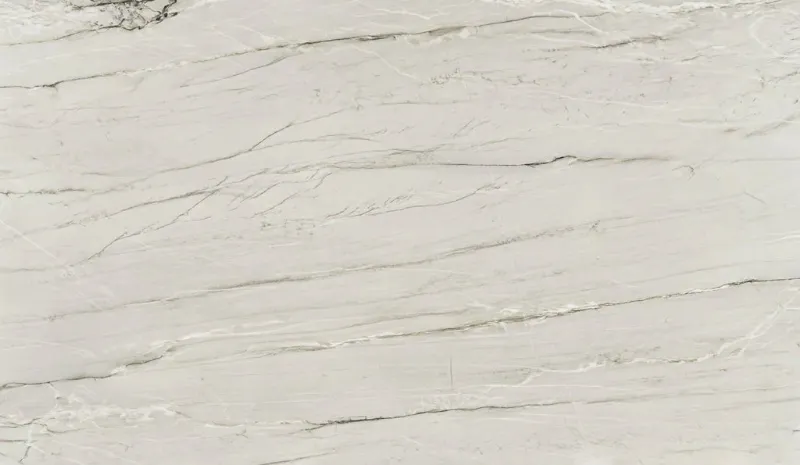
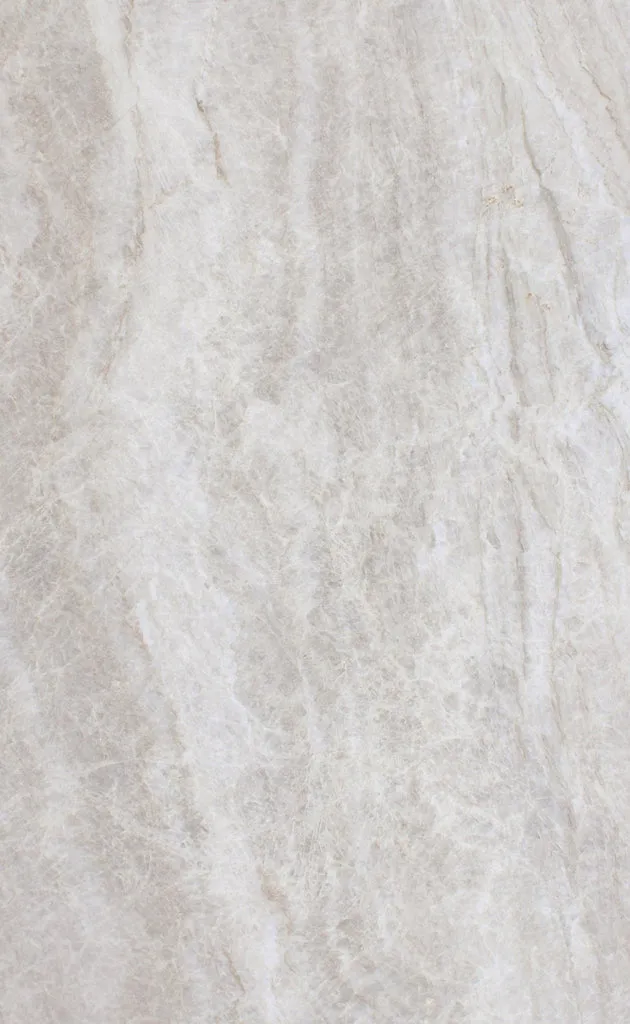
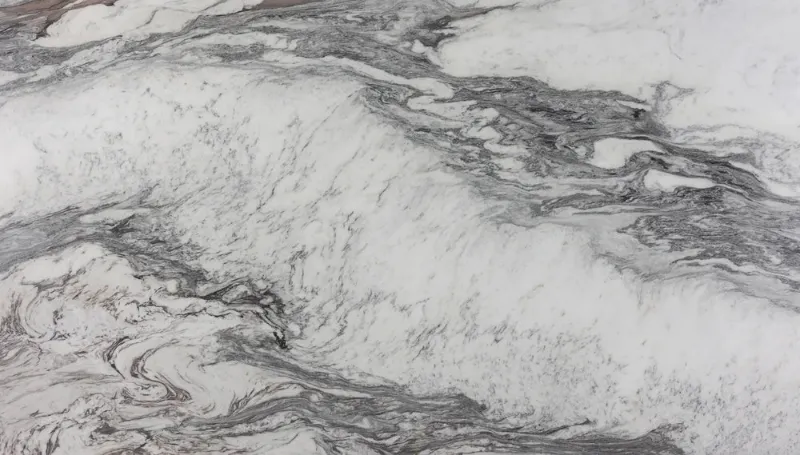
Natural quartzite forms deep underground when sandstone undergoes metamorphic pressure and heat over millions of years. Mont blanc quartzite and taj mahal countertops showcase the unique crystalline structure and natural veining that make each slab one of a kind. Because quartzite is mined and cut rather than manufactured, you’ll find variation in pattern, thickness, and mineral inclusions from slab to slab.
The manufacturing difference matters for durability. Dekton’s engineered density means zero porosity and uniform strength, while quartzite’s natural formation can leave micro-fissures or softer mineral deposits that affect longevity in specific slabs.
Scratch, Heat, and Impact Resistance Compared
| Feature | Zicana Dekton | Quartzite |
|---|---|---|
| Scratch resistance | Extremely high (7 Mohs) | High (7 Mohs) |
| Heat tolerance | Up to 1,800°F | Up to 300°F safely |
| Impact resistance | Moderate (can chip at edges) | High (less brittle) |
| Porosity | Zero (never needs sealing) | Low (seal annually) |
For serious home cooks who move pots from burner to counter, check the latest price on Dekton slabs.
Quartzite edges the lead in impact resistance. Dekton can chip at the edges under a sharp impact. Both materials require professional fabrication with reinforced edges to minimize this risk, but quartzite’s natural flexibility gives it an advantage in busy households with kids.
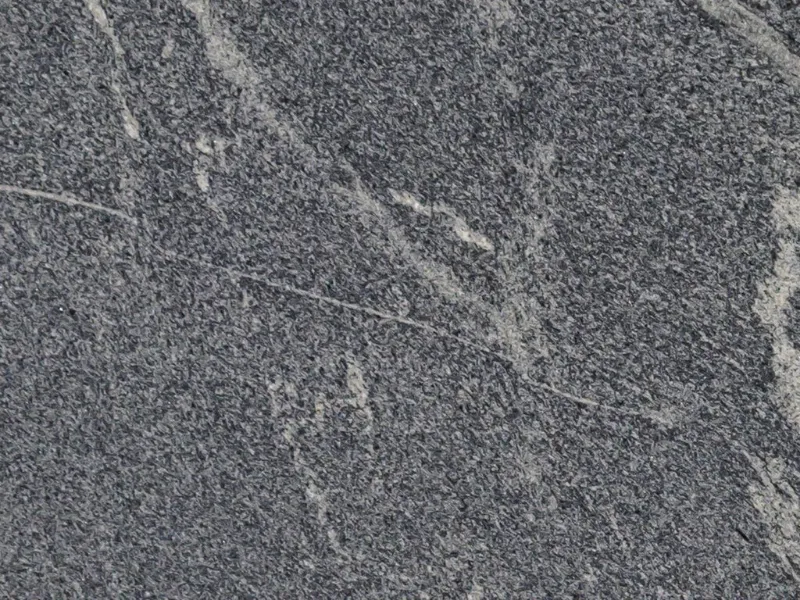
Quartzite scratches less easily than gray granite or danby marble, but repeated cutting directly on the surface will dull its polish over time.
Maintenance and Stain Resistance Over 10+ Years
Dekton’s non-porous structure resists staining and gives bacteria and mold no surface to colonize, making it ideal for food prep areas.
Quartzite needs annual sealing to maintain stain resistance, though high-quality slabs like taj mahal countertops are naturally less porous than softer stones. We recommend testing your specific slab by dropping water on the surface: if it darkens within 10 minutes, seal immediately. Acidic spills like lemon juice or vinegar won’t etch quartzite the way they damage marble, but they can penetrate unsealed stone and leave permanent shadows.
Daily cleaning is identical for both. Warm water and dish soap remove most messes, and both surfaces tolerate pH-neutral stone cleaners. Avoid bleach or ammonia-based products on quartzite, as they can degrade sealers over time. Dekton handles harsher chemicals without issue, though we still recommend gentle cleaners to preserve any applied finishes on textured surfaces.
Cost, Installation, and Long-Term Value
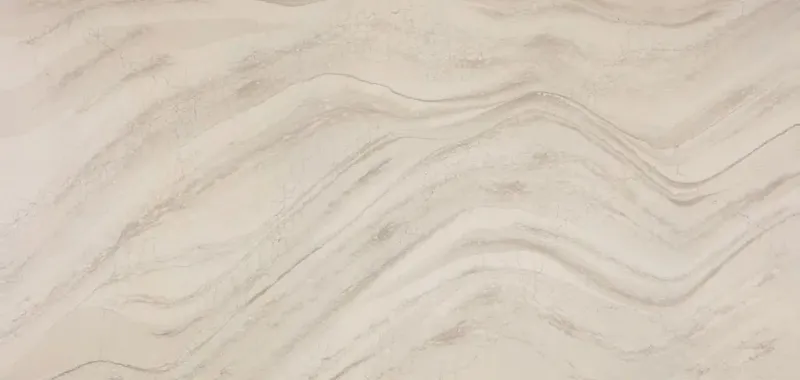
Dekton and premium quartzite fall into similar price ranges, typically running higher than cambria everleigh or silestone calacatta gold engineered quartz. Material costs vary by color and availability, with rare quartzite patterns commanding premiums. Grab the code to save on Zicana Boutique orders, which currently offers $100 off all surfaces.
Both materials require professional fabrication and installation due to weight and specialized cutting tools. Dekton’s uniform density makes it easier to cut and drill for sinks or cooktops, while quartzite’s natural variation demands skilled fabricators who can work around mineral veins or fissures. Budget an extra day for quartzite template and installation compared to Dekton.
Long-term value tilts toward Dekton for zero-maintenance households. Over 15 years, you’ll avoid the cost and hassle of annual sealing, and the surface will look identical to installation day if you prevent edge impacts. Quartzite offers resale appeal for buyers who prioritize natural materials, and its unique patterns can become a focal point that engineered surfaces can’t replicate.
Which Surface Fits Your Kitchen Best?
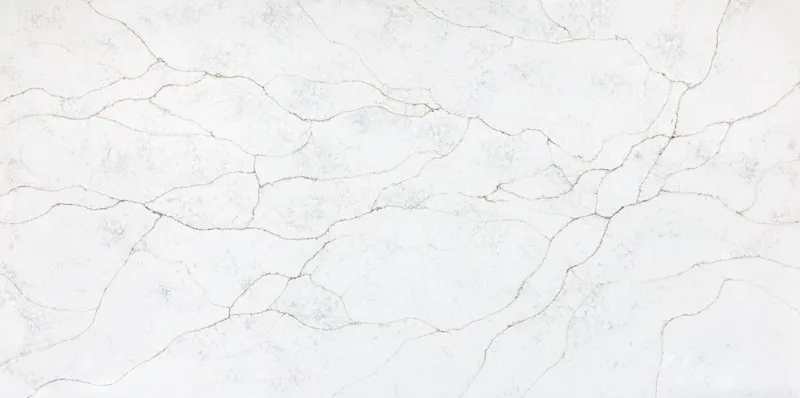
Choose Zicana dekton if you prioritize heat resistance, zero maintenance, and consistent appearance across large islands or multiple slabs. It’s the best option for outdoor kitchens, commercial spaces, or homes where you want to set hot cookware directly on counters without trivets. Dekton also works beautifully in modern or industrial designs where uniform color and minimal variation suit the aesthetic, similar to how Zicana vadara complements contemporary spaces.
Select quartzite if you value natural beauty, one-of-a-kind veining, and slightly better impact resistance. Mont blanc quartzite and similar patterns bring depth and character that engineered surfaces struggle to match, making them ideal for traditional or transitional kitchens. You’ll need to commit to annual sealing and accept minor variation between slabs, but many homeowners consider the organic look worth the extra care.
For smaller projects or sample testing before committing to full slabs, explore options like montaaj quartz sample to compare engineered alternatives, or consider complementary materials like blue agate or green onyx for accent walls or backsplashes that pair with either countertop choice.
Both surfaces outlast laminate, tile, and most solid-surface materials by decades when properly installed and maintained. Your final decision should weigh daily cooking habits, design preferences, and whether you’re willing to seal quartzite annually in exchange for natural stone’s unique character. Visit Zicana to explore both material lines, or check current pricing with our exclusive discount code.
Questions
Does Zicana dekton crack easier than quartzite?
Dekton resists thermal shock and scratches better than quartzite, but it can chip at edges under direct impact. Quartzite's natural flexibility makes it slightly more impact-resistant, though both materials need professional installation with reinforced edges to prevent damage.
How often do I need to seal quartzite countertops?
Most quartzite slabs require sealing once per year to maintain stain resistance. Test your specific slab by dropping water on the surface; if it darkens within 10 minutes, reseal immediately using a penetrating stone sealer.
Can I cut directly on Dekton or quartzite?
Both surfaces resist knife scratches better than granite or marble, but repeated cutting will dull the polish over time. We recommend using cutting boards to preserve the finish and protect your knife edges.
Which surface works better for outdoor kitchens?
Dekton outperforms quartzite outdoors because it resists UV fading, freeze-thaw cycles, and extreme heat without sealing. Quartzite can work outdoors but needs annual sealing and may develop micro-cracks in climates with severe temperature swings.
Do Dekton and quartzite cost the same installed?
Material costs overlap significantly, though rare quartzite patterns command premiums. Dekton typically installs slightly faster due to uniform density, while quartzite requires skilled fabricators to work around natural veining. Both run higher than standard quartz but lower than exotic marble.
Will hot pans damage mont blanc quartzite?
Quartzite tolerates brief contact with hot cookware up to 300°F, but sudden temperature changes can cause thermal shock cracks near edges. Use trivets for pans over 300°F or when moving cookware directly from high heat to avoid damage over time.
Products in this guide
 Shopping at Zicana Boutique? See the discount code
$100 OFF All Orders
Shopping at Zicana Boutique? See the discount code
$100 OFF All Orders
More in this series
Best Countertop Materials for High-Heat Cooking: Dekton, Granite, and Quartz Compared1 Aug 20264 minWhy Is My White Quartzite Turning Yellow? Causes and Fixes1 Aug 20264 minSilestone Calacatta Gold vs Danby Marble: Which Holds Up Better in the Kitchen?1 Aug 20264 minDo Taj Mahal Countertops Stain Easily? What Buyers Need to Know1 Aug 20265 min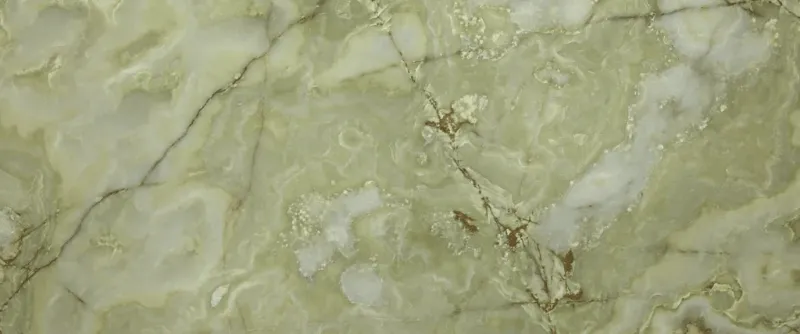 How to Clean and Seal Green Onyx Countertops Without Etching1 Aug 20265 min