 A Zicana Boutique guide
Best Countertop Materials for High-Heat Cooking: Dekton, Granite, and Quartz Compared
A dekton countertop handles high heat better than most materials, but granite and quartz each bring their own strengths to busy kitchens.
A dekton countertop offers exceptional heat resistance, making it one of the safest choices for kitchens where you set down hot pots frequently. Granite follows closely with natural heat tolerance, while engineered quartz surfaces require more caution around extreme temperatures.
What Is Dekton Countertop Made Of and Why It Handles Heat
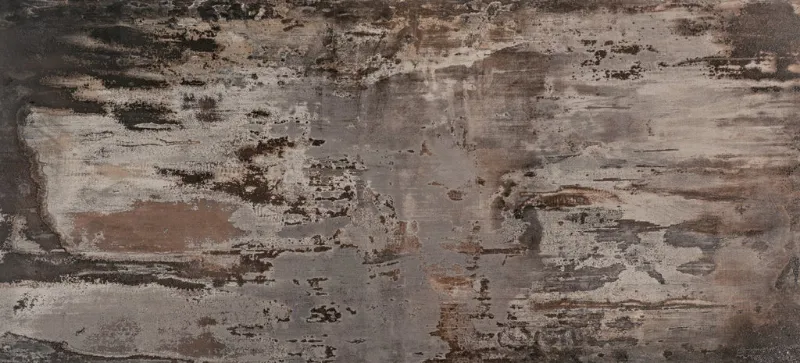
Dekton countertop is an ultra-compact surface created by sintering raw materials under extreme heat and pressure, which mimics the process that forms natural stone over millennia. The result is a non-porous slab that resists thermal shock far better than most kitchen surfaces. According to Cosentino, Dekton withstands direct contact with hot cookware without scorching or cracking.
Zicana dekton offerings include multiple finish options that maintain their appearance even after years of daily cooking. Because the manufacturing process fuses particles at such high temperatures, the material itself is already conditioned to handle heat extremes. You can place a pan straight from the stovetop onto Dekton without trivets, though we still recommend caution with rapid temperature swings on any material.
Dekton Countertops Pros and Cons for High-Heat Kitchens
Advantages for serious cooks:
- Unmatched heat resistance that tolerates pots up to 500°F without damage
- Zero porosity means no staining from oils or acidic spills during meal prep
- Scratch resistance from the ultra-compact manufacturing process
- UV stability so colors stay true near sunny windows
Trade-offs to consider:
- Dekton countertop price runs higher than standard granite or basic quartz
- Professional installation required due to weight and specialized cutting tools
- Limited edge profiles compared to natural stone options
- Cold feel underfoot if you use it for waterfall islands
Angi’s analysis confirms that while the upfront cost is steep, the longevity and low maintenance offset the investment for households that cook daily. We recommend checking the latest price at Zicana Boutique, where you can currently save $100 on all orders.
How Granite and Quartz Compare for Heat Tolerance
Gray Granite: Natural Heat Champion
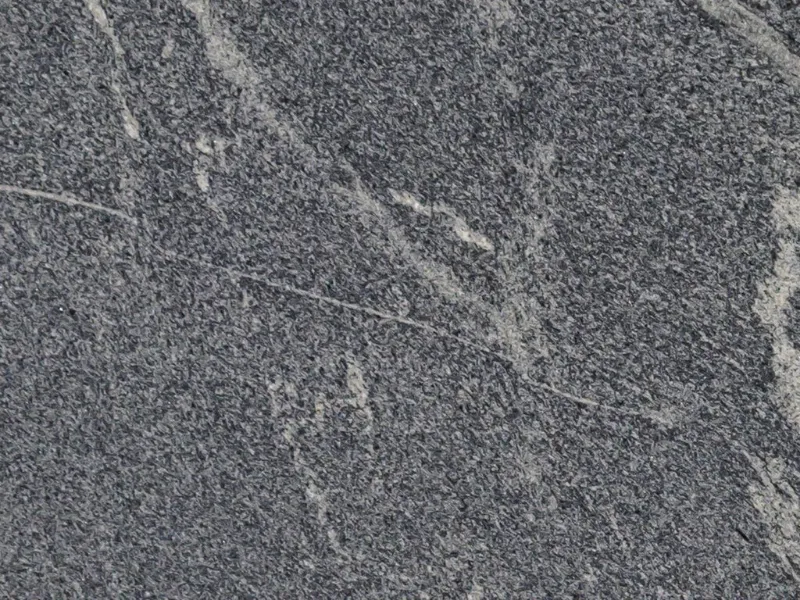
Gray granite forms under intense geological heat, so it naturally resists thermal shock. You can place hot pots directly on sealed granite without immediate damage, though repeated exposure to extreme heat near the same spot may eventually discolor lighter sealers. Granite requires annual resealing to maintain stain resistance, but that maintenance step does not affect its core heat tolerance.
Cambria Everleigh and Silestone Calacatta Gold: Engineered Quartz Limits
Engineered quartz surfaces like cambria everleigh and silestone calacatta gold blend natural quartz crystals with polymer resins. The resin binder softens around 300°F, which means a cast-iron skillet straight from a high-heat sear can leave scorch marks or cause localized discoloration. Consumer Reports testing shows that quartz performs well under normal kitchen use but fails when subjected to the same thermal abuse that Dekton and granite handle easily.
We still recommend trivets and hot pads on quartz if you roast above 400°F or use induction cookware that retains extreme heat.
Dekton Countertop Thickness and Installation Considerations
Dekton slabs come in three standard profiles: 8 mm (roughly 0.3 inches), 12 mm (0.5 inches), and 20 mm (0.8 inches). The 12 mm thickness works for most residential kitchens and offers a good balance between weight and structural integrity. The 20 mm option provides a more substantial look and allows for decorative edge treatments, though it adds cost and requires reinforced cabinetry.
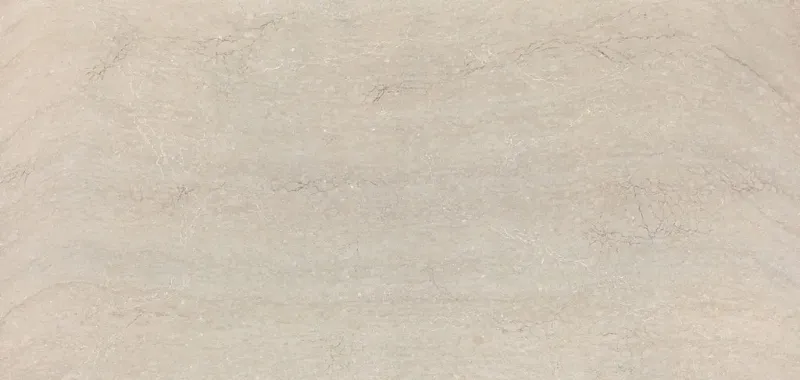
Because Dekton is denser than granite, each slab weighs significantly more per square foot. Your installer will likely need specialized diamond blades and dust-extraction equipment. We suggest ordering a montaaj quartz sample alongside your Dekton selection so you can compare the feel and finish of engineered surfaces before committing to a full slab.
Dekton Countertop Colors and Design Flexibility
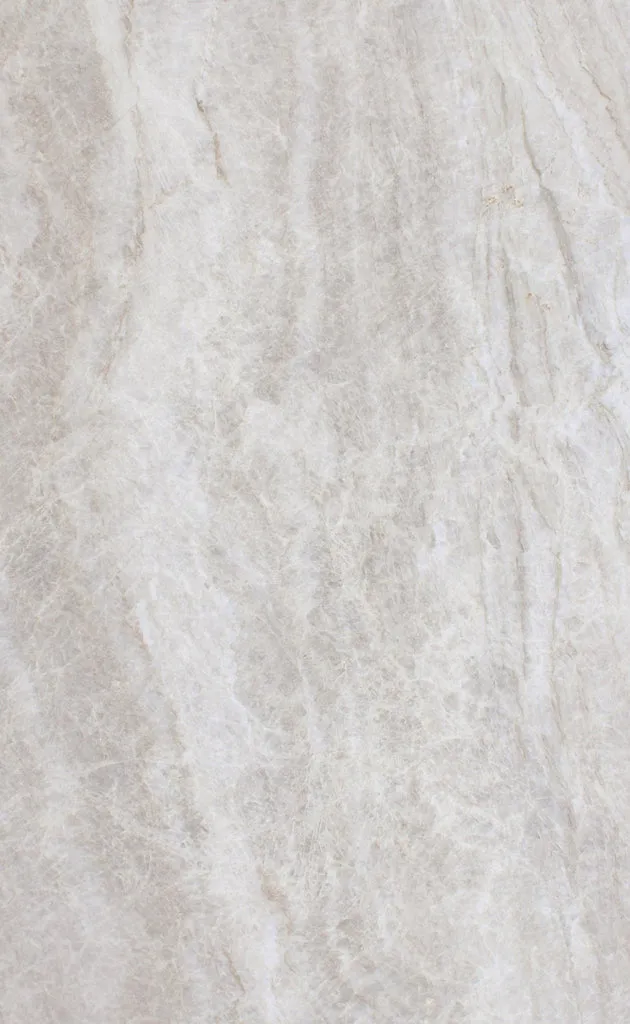
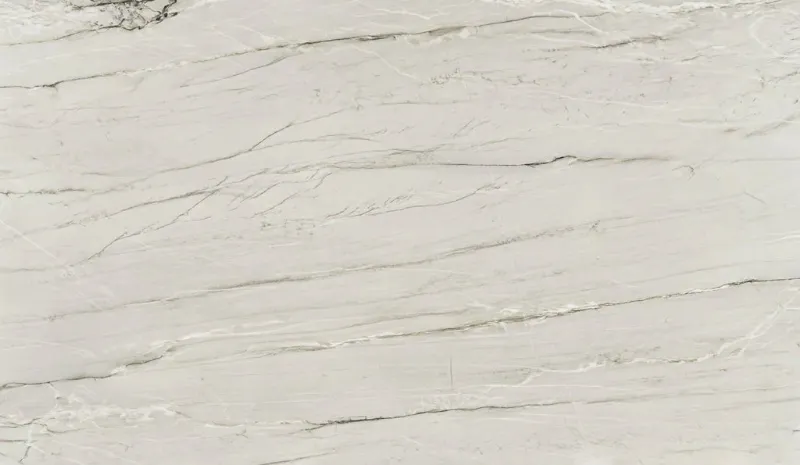
Dekton offers a wide palette that includes solid neutrals, marble lookalikes, and bold veined patterns. Popular choices for high-heat kitchens include matte finishes that hide minor scratches and water spots better than polished surfaces. If you prefer the look of natural stone, taj mahal countertops deliver warm ivory tones with subtle gold veining, while mont blanc quartzite brings cool grays and whites that pair well with stainless steel appliances.
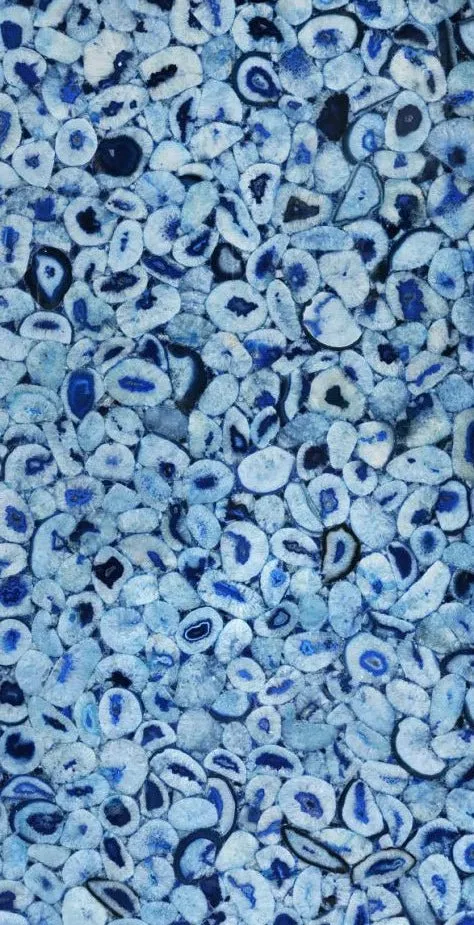
For those drawn to dramatic color, blue agate and green onyx provide striking backdrops, though these materials require more care around heat than Dekton. Danby marble offers classic elegance but needs diligent sealing to prevent staining near the cooktop.
Dekton countertop reviews consistently praise the material’s ability to replicate the aesthetics of marble or concrete without the maintenance burden. You can explore the full range of finishes and grab the code for $100 off at Zicana Boutique.
Which Material Suits Your Cooking Style
| Material | Max Safe Temp | Maintenance | Best For |
|---|---|---|---|
| Dekton | 500°F+ | Minimal | Daily high-heat cooking, baking |
| Granite | 400°F | Annual sealing | Traditional kitchens, moderate use |
| Quartz | ~300°F | None | Low-heat prep, busy families |
Choose Dekton if you sear steaks indoors, bake bread frequently, or want a single surface that handles everything without fuss. Opt for granite if you appreciate natural stone character and do not mind periodic resealing. Select quartz if your cooking rarely involves extreme heat and you prioritize stain resistance over thermal performance.
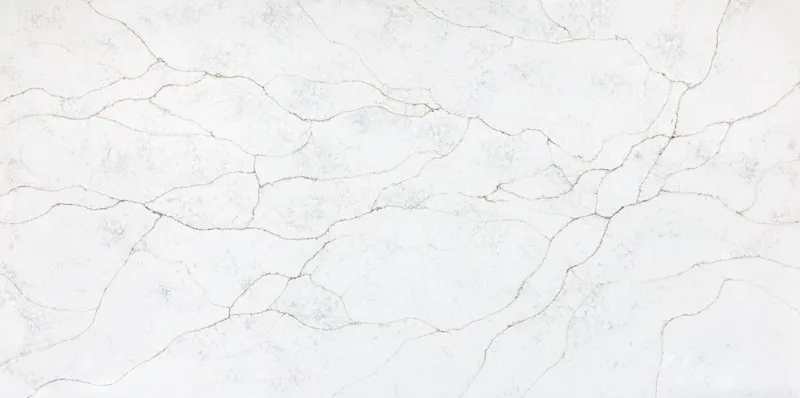
Zicana vadara bridges the gap with a quartz alternative that offers slightly better heat tolerance than standard brands, though it still falls short of Dekton’s sintered strength. Before you finalize your choice, compare samples in your actual kitchen lighting and test how each surface feels under your hand after a hot pan has rested on it.
We have seen homeowners combine materials by installing Dekton near the range and quartz on perimeter counters where heat exposure is minimal. This hybrid approach maximizes budget and performance, giving you bombproof protection where it matters most while keeping costs down elsewhere.
Questions
Can you put hot pans directly on a dekton countertop?
Yes, Dekton withstands direct contact with pots and pans up to 500°F without scorching or cracking. The ultra-compact sintering process makes it one of the most heat-resistant surfaces available for kitchens.
Is dekton countertop expensive compared to granite?
Dekton typically costs 10 to 30 percent more than mid-grade granite per square foot. The price reflects its superior heat resistance, zero porosity, and minimal maintenance requirements over the life of the surface.
Do quartz countertops crack from hot pans?
Quartz can scorch or discolor when exposed to temperatures above 300°F because the resin binder softens under extreme heat. Always use trivets or hot pads with quartz surfaces to avoid permanent damage.
What thickness should I choose for a Dekton kitchen countertop?
Most residential kitchens use 12 mm Dekton, which balances strength and weight. The 20 mm option provides a more substantial look and allows decorative edges but requires reinforced cabinetry.
How does gray granite compare to Dekton for heat resistance?
Gray granite handles heat well due to its natural volcanic formation, tolerating temps around 400°F. Dekton exceeds that threshold and requires no sealing, making it slightly more practical for daily high-heat cooking.
Does Zicana Boutique offer samples before I buy a full slab?
Yes, you can order samples like the montaaj quartz sample to compare textures and finishes. Zicana Boutique currently offers $100 off all orders, including sample kits and full slabs.
Products in this guide
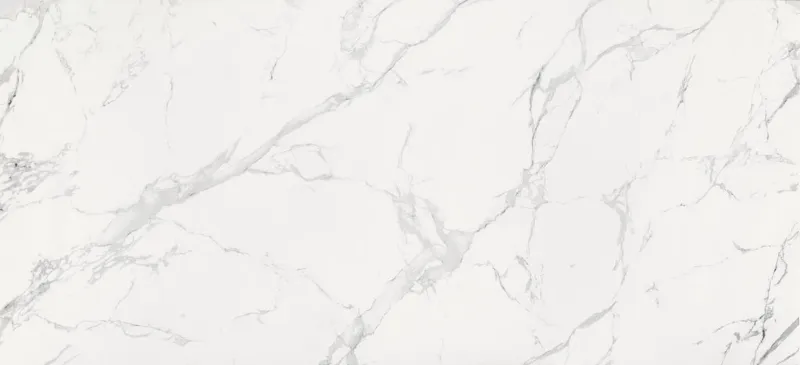
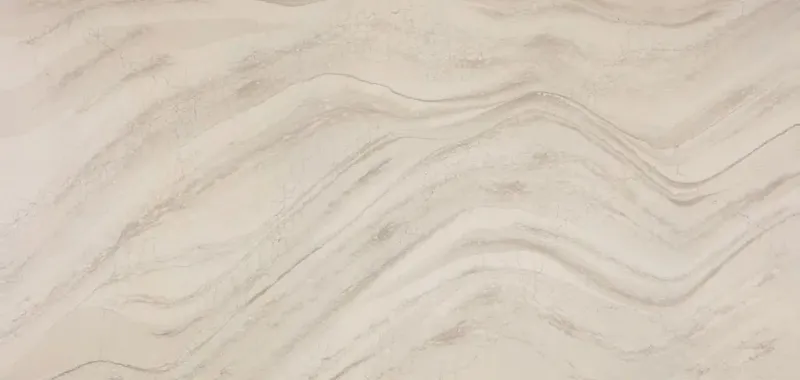
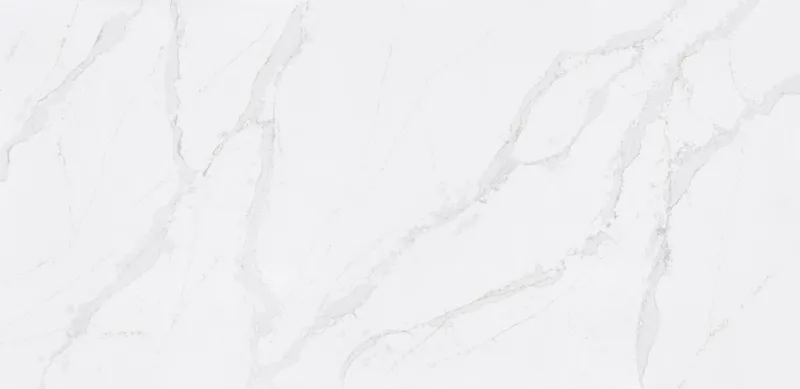
 Shopping at Zicana Boutique? See the discount code
$100 OFF All Orders
Shopping at Zicana Boutique? See the discount code
$100 OFF All Orders
More in this series
Why Is My White Quartzite Turning Yellow? Causes and Fixes1 Aug 20264 minSilestone Calacatta Gold vs Danby Marble: Which Holds Up Better in the Kitchen?1 Aug 20264 minDo Taj Mahal Countertops Stain Easily? What Buyers Need to Know1 Aug 20265 min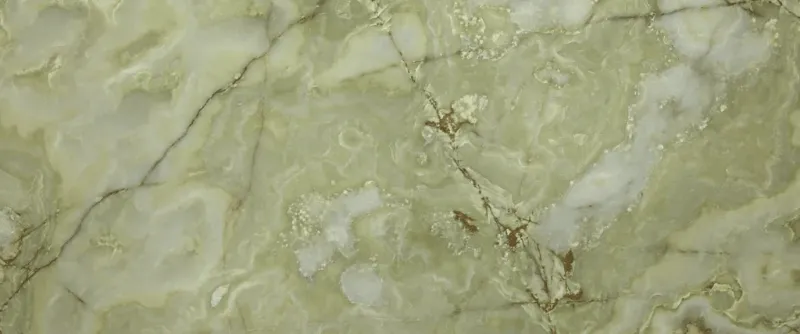 How to Clean and Seal Green Onyx Countertops Without Etching1 Aug 20265 minDekton vs Quartzite Countertops: Which Surface Lasts Longer?1 Aug 20264 min