 A Deluxe Canopy guide
What to Look for When Buying a Trade Show Booth for First-Time Exhibitors
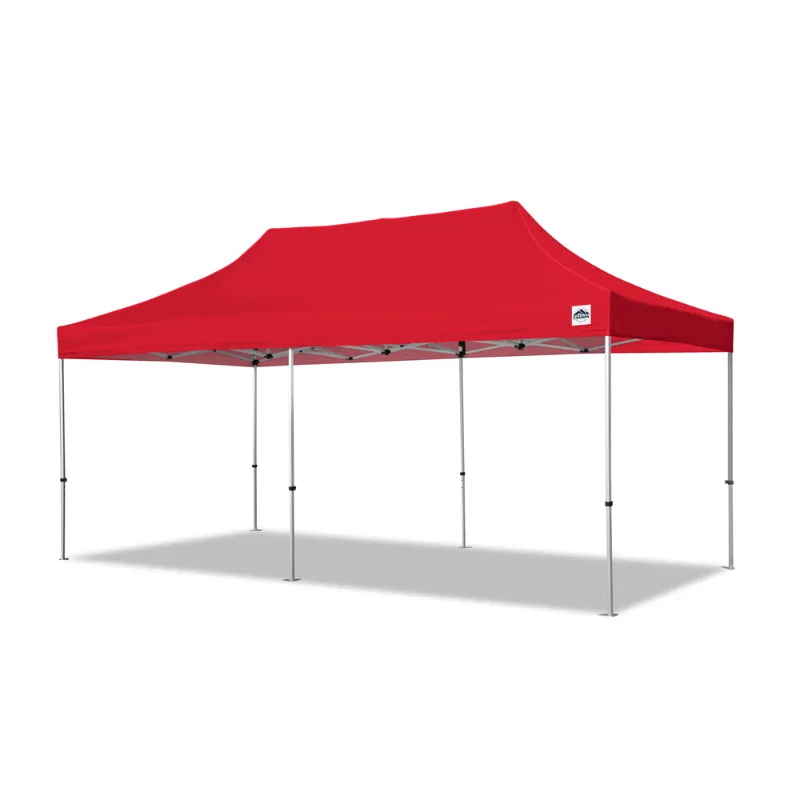
A 10x20 trade show booth gives first-time exhibitors enough space to showcase products, engage visitors, and make a professional impression without overwhelming setup complexity.
What First-Time Exhibitors Need in a 10×20 Trade Show Booth
A 10×20 trade show booth offers first-time exhibitors 200 square feet of space to display products, meet prospects, and build brand presence. The right booth combines durable materials, intuitive hardware, and enough flexibility to adapt as your exhibit strategy evolves.
Your first booth purchase sets the foundation for years of events, so understanding frame construction, graphics options, and transportation logistics will save you thousands in the long run.
Size and Layout Considerations for Your First Booth
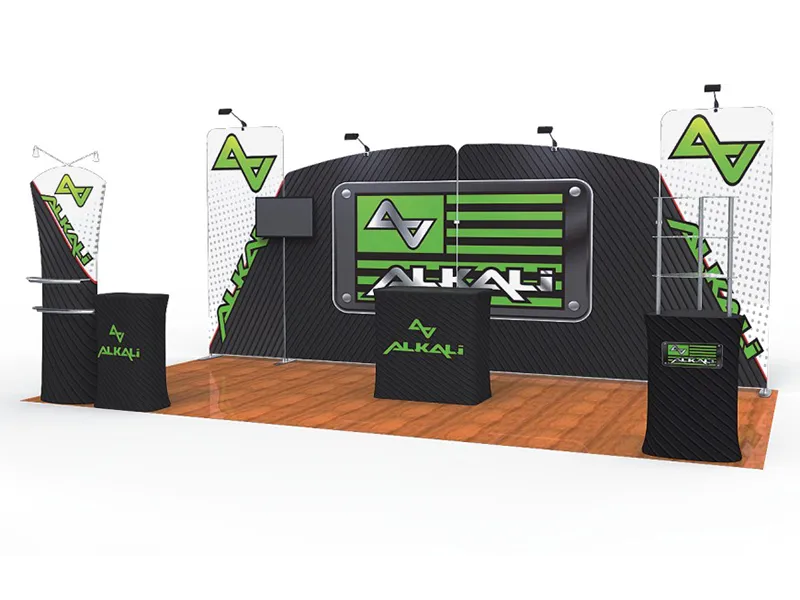
Booth dimensions directly impact what you can display and how visitors navigate your space. A 10×20 trade show booth provides twice the footprint of standard 10×10 setups, allowing for separate demo zones, meeting areas, and storage.
Most first-time exhibitors choose inline booths with one open side, though corner placements offer two entry points. When planning your 10×20 booth layout, account for:
- Traffic flow: leave at least 4 feet of open aisle space so visitors do not feel trapped
- Focal points: position key products or screens at eye level, 5 to 6 feet back from the aisle
- Staff zones: dedicate 30 to 40 square feet for product storage and personal items
- ADA compliance: ensure wheelchair access to all interactive elements
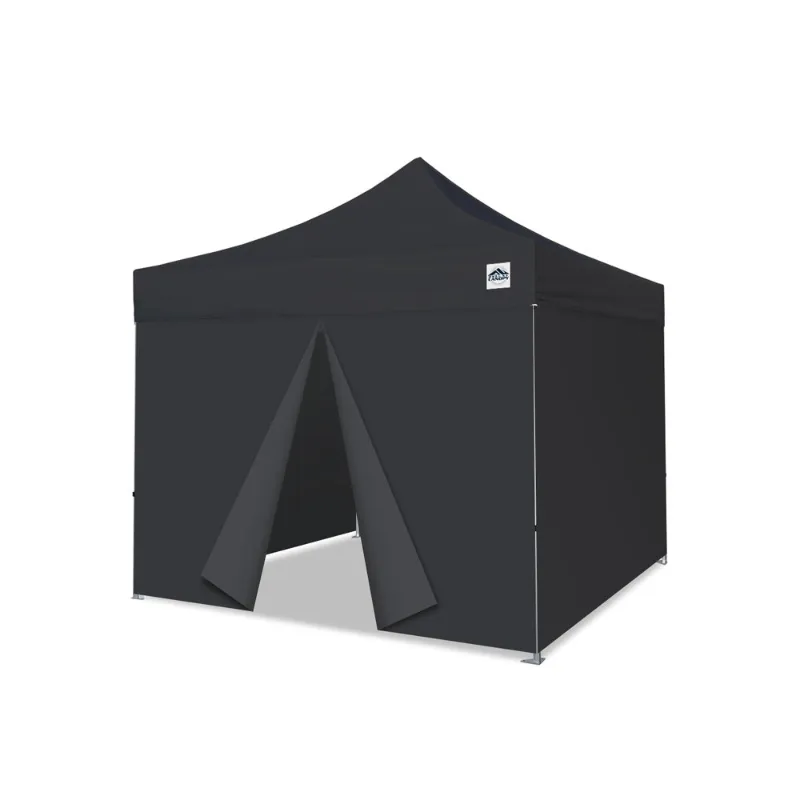
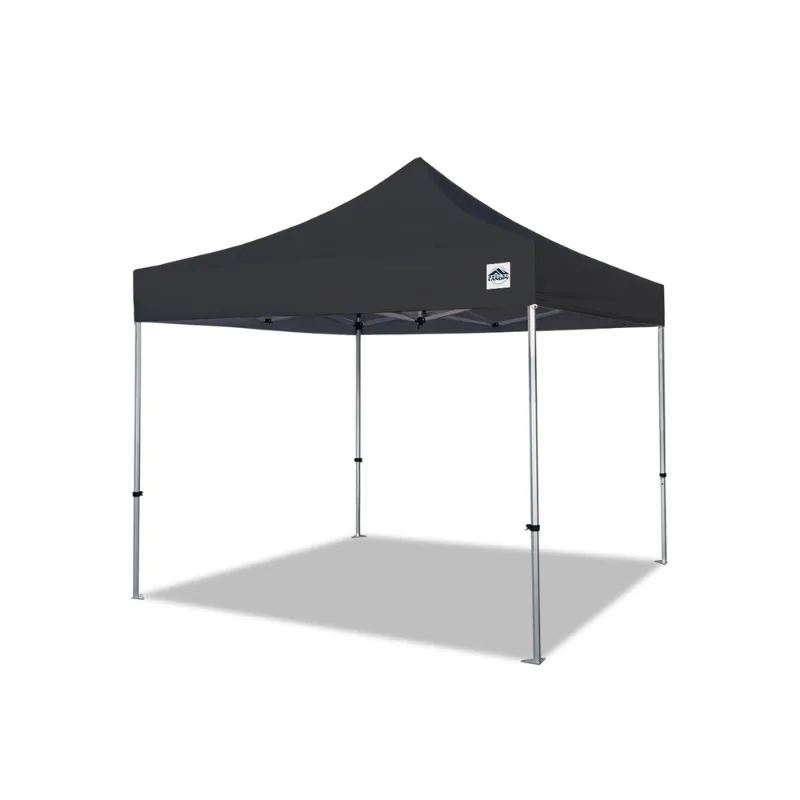
We recommend sketching your layout before purchasing fixtures. Many exhibitors start with a 10×10 tent for local events, then upgrade to a 10×20 configuration as their show schedule expands. The modular nature of quality canopy frames lets you reconfigure without buying entirely new hardware.
Standard 10×20 trade show booth ideas include L-shaped counters along the back wall, overhead hanging signs, and monitor mounts for video loops. Browse examples at Expo Marketing’s 10×20 gallery to see professional configurations before committing to a design.
Frame Materials and Construction Quality
Frame durability determines whether your booth survives 20 shows or needs replacement after three.
Aluminum frames dominate the professional booth market because they resist corrosion, weigh 30 to 40 percent less than steel, and maintain structural integrity through repeated assembly cycles. Look for 1.5-inch diameter tubing with wall thickness of at least 0.065 inches.
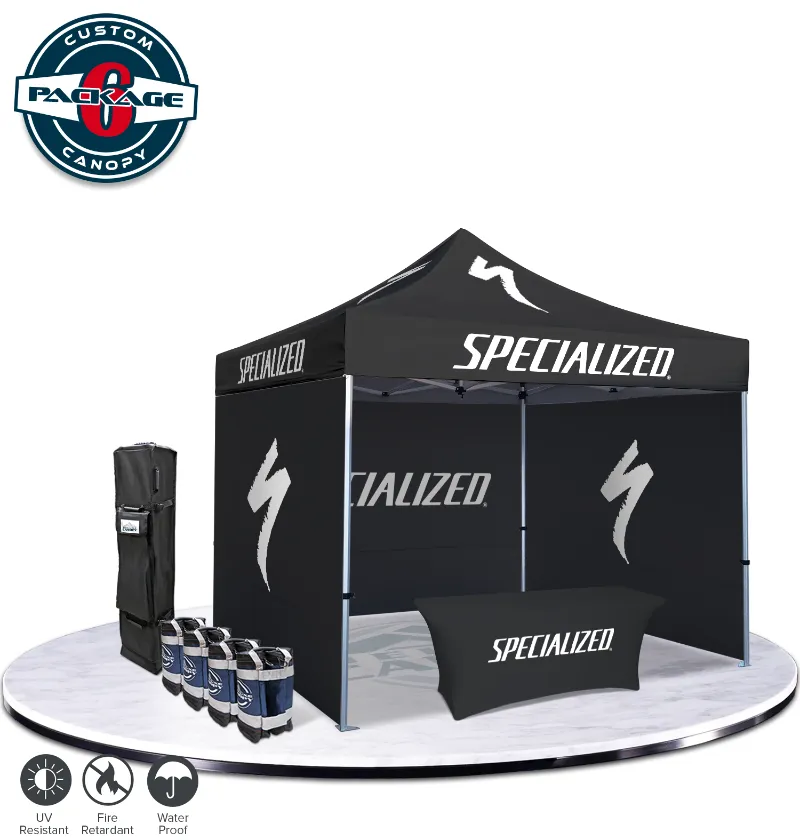
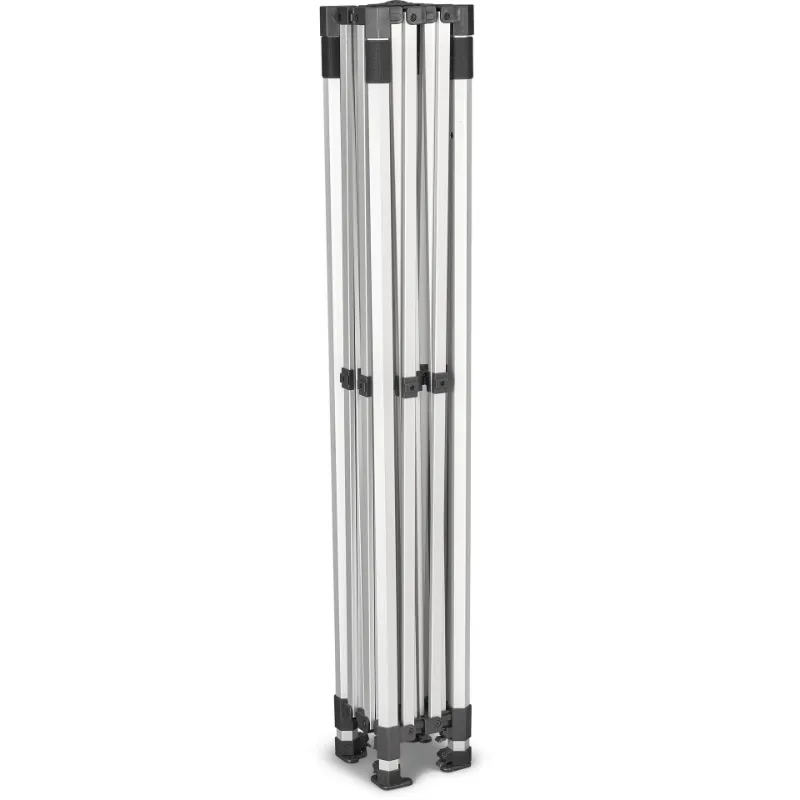
Pop-up frames use accordion-style mechanisms that lock into place without tools. Custom pop up tents work well for exhibitors who set up solo or rotate through multiple small events. The tradeoff is lower maximum height compared to truss-style frames.
Canopy-style frames like those in canopy tents 10×10 use corner-leg construction with fabric or hard-panel walls. These suit outdoor expos or hybrid indoor-outdoor venues where weather protection matters.
Check connector quality before buying. Machined aluminum connectors with spring-loaded buttons outlast stamped steel clips. We have seen cheap connectors fail mid-show, leaving exhibitors scrambling with zip ties and duct tape.
Graphics and Branding Options
Your booth graphics do more work than any other element, communicating your value proposition in the three seconds it takes attendees to walk past.
Dye-sublimation fabric graphics deliver vivid color, wrinkle resistance, and packability. They stretch over frames using zipper channels or Velcro strips. Fabric graphics weigh less than rigid panels, cutting shipping costs by 20 to 30 percent.
Rigid graphics (PVC, foam board, or acrylic) provide sharper detail and work better for intricate text or technical diagrams. They require protective cases during transport, adding bulk.
Interchangeable graphics let you swap messaging between shows. If you exhibit at both industry conferences and consumer expos, modular graphic systems pay for themselves in reusability. Check the latest pricing on booths with tool-free graphic swaps.
Most first-time exhibitors underestimate scale. Text smaller than 3 inches tall disappears from 10 feet away. We recommend one dominant headline (6 to 12 inches tall), three bullet points, and high-contrast photography. Displays2go’s 10×20 booth with monitor mounts shows how digital screens complement static graphics without competing for attention.
Portability and Setup Time
First-time exhibitors often underestimate the labor involved in setup. A 10×20 trade show booth kit should assemble in 45 to 90 minutes with two people and basic hand tools.
Shipping cases matter as much as the booth itself. Wheeled cases with reinforced corners survive baggage handlers and freight carriers. Calculate total case dimensions early, as oversized freight triggers surcharges. A typical 10×20 booth ships in two to four cases weighing 80 to 150 pounds each.
Tool requirements vary by system. The best designs use thumb-screws, push-button locks, or twist-and-lock joints that require only an Allen key. Avoid booths that need power drills or specialty wrenches.
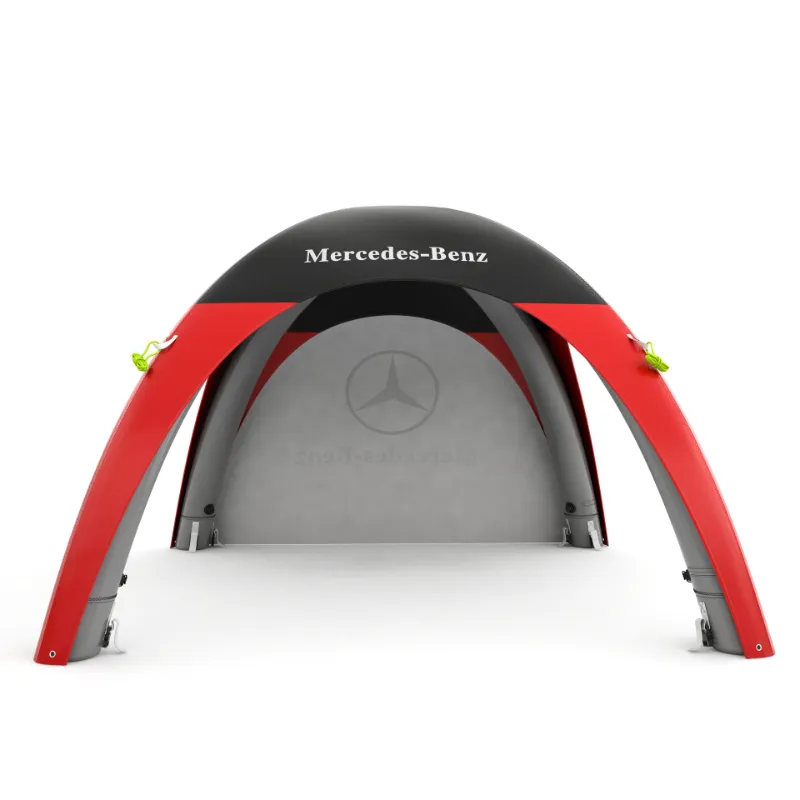
One-person setup is achievable with inflatable tent designs that use air beams instead of rigid frames. These work for lower-ceiling venues or outdoor events where traditional frame booths face wind-load restrictions.
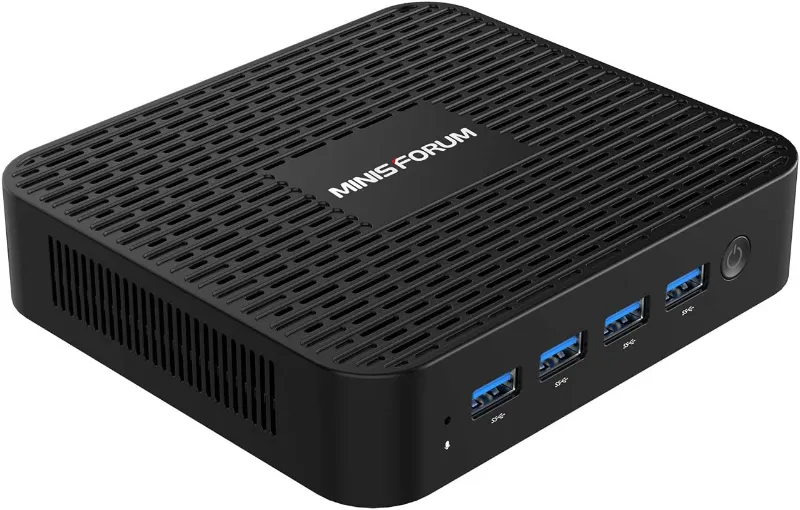
For exhibitors managing multiple products, a computer box or pc box keeps electronics organized during transport and doubles as an under-counter storage solution on the show floor.
Budget Planning and Hidden Costs
The booth purchase represents only 40 to 50 percent of your first-show costs. Factor in these commonly overlooked expenses:
| Cost Category | Typical Range | Notes |
|---|---|---|
| Drayage (material handling) | $200 – $800 | Varies by venue and weight |
| Electrical service | $150 – $400 | Per outlet, per show |
| Lead retrieval system | $300 – $600 | Rental or subscription |
| Furniture rental | $200 – $500 | Chairs, counters, lighting |
Buying your own booth eliminates recurring rental fees. Exhibitors who attend three or more shows per year typically break even within 18 months.
When comparing 10×20 trade show booth kit options, ask vendors about graphic reprints and replacement parts. A booth that costs $1,200 less upfront but charges $600 for new graphics becomes more expensive by your third show. Grab the code for 10% off sitewide before making your purchase decision.
Flexibility for Future Growth
Your exhibit needs will evolve as you gain experience. The smartest first-booth purchases accommodate expansion without forcing you to start over.
Modular systems let you reconfigure 10×20 layouts into smaller 10×10 footprints or expand to 10×30 when budget allows. Look for frame components that connect in multiple orientations.
Accessory compatibility ensures you can add monitor arms, tablet holders, and literature racks as your presentation style matures. Standard T-slot channels and universal mounting brackets future-proof your investment.
Graphics adaptation matters if your brand evolves. Fabric graphic panels with separate zipper borders let you replace imagery without discarding the entire system. Some 10×20 tent designs include removable wall sections that convert the booth for outdoor use.
First-time exhibitors succeed when they choose equipment that grows with them rather than locking them into a single configuration. Review Exhibit Boss’s tension fabric booths to see how professional modular systems adapt across industries.
Final Checklist Before You Buy
Before committing to a booth purchase, verify:
- Weight and case count fit your vehicle or shipping budget
- Setup instructions include photo guides or video tutorials
- Warranty coverage spans frame, connectors, and graphics separately
- Replacement parts are available without minimum orders
- Customer support offers phone or live chat during show hours
We have seen too many exhibitors buy based on price alone, then spend their first show fighting with confusing instructions. Read reviews from other first-time users, and prioritize vendors who offer post-purchase setup assistance.
Your booth is a multi-year investment in visibility and credibility. Choose hardware that you will not outgrow, graphics that reflect your brand accurately, and a vendor who supports your success beyond the initial sale.
Questions
What is the best booth size for a first-time trade show exhibitor?
A 10x20 trade show booth offers enough space to display products and meet visitors without overwhelming first-timers with setup complexity. If your budget is tight or you are testing a new show, start with a 10x10 configuration and expand later.
How long does it take to set up a 10x20 booth?
Most 10x20 trade show booth kits assemble in 45 to 90 minutes with two people. Pop-up frame systems with pre-attached graphics set up faster than modular truss systems that require separate graphic installation.
Can I use a 10x20 booth at outdoor events?
Yes, if you choose canopy-style frames with weather-resistant fabric graphics and proper anchoring. Standard tension-fabric booths designed for indoor convention centers may not meet wind-load requirements for outdoor venues.
Do I need special tools to assemble a trade show booth?
Quality booth kits require only basic hand tools like an Allen key or adjustable wrench. Avoid systems that need power drills or specialty hardware, as these complicate on-site repairs and slow setup.
How much does it cost to ship a 10x20 booth to a trade show?
Shipping costs depend on weight, distance, and carrier. A typical 10x20 booth in three cases weighing 300 to 400 pounds combined runs $200 to $800 in drayage fees per show, plus inbound freight if you ship directly to the venue.
Can I reuse graphics if I update my branding?
Most fabric graphics with zipper or Velcro attachment systems let you order replacement panels without buying a new frame. Rigid graphics require full panel replacement, making fabric systems more cost-effective for brands that evolve frequently.
Products in this guide
 Shopping at Deluxe Canopy? See the discount code
10% OFF Sitewide
Shopping at Deluxe Canopy? See the discount code
10% OFF Sitewide