 A Deluxe Canopy guide
How Long Do Canopy Frames Last With Regular Outdoor Use?
Canopy frames typically last 3 to 10 years with regular outdoor use, depending on frame material, weather exposure, and maintenance habits.
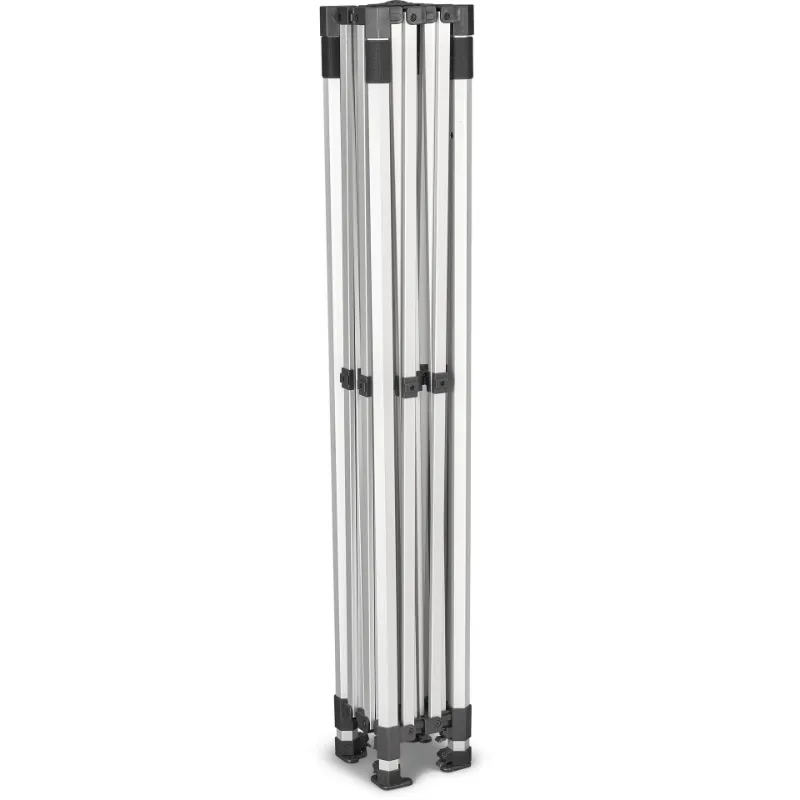
Most canopy frames last between 3 and 10 years with regular outdoor use, though heavy duty steel and aluminum models can push well beyond that range when properly maintained. The exact lifespan depends on frame material, how often you leave the canopy up, and whether you protect it during harsh weather.
What Determines Canopy Frame Lifespan
Frame material is the single biggest factor. Steel frames offer superior strength but rust when the powder coating chips or scratches, especially in coastal or high-humidity areas. Aluminum resists corrosion naturally and weighs less, making it the go-to for canopy tents 10×10 that you set up and take down frequently. Fiberglass and composite frames bend rather than dent, but UV exposure can weaken them over 4 to 6 years of continuous outdoor use.
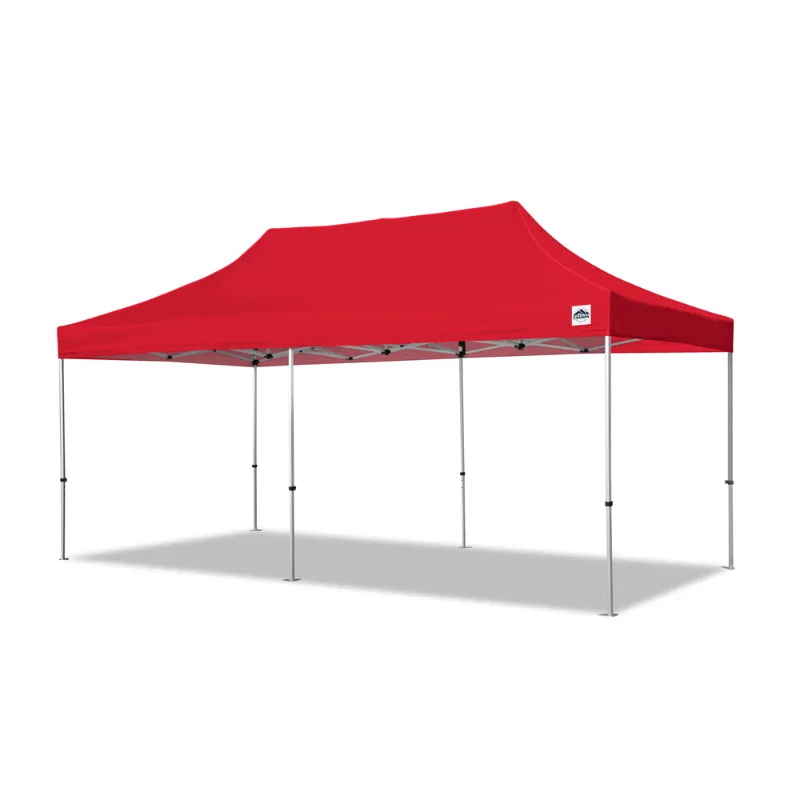
Wall thickness and joint design matter just as much as material. A canopy frame 10×10 with 1-inch square tubing and reinforced corner fittings will outlast a thin-walled model by years. We’ve seen budget frames with crimped joints fail within a single season, while welded or bolted connections on commercial-grade 10×20 tent frames hold strong through hundreds of setup cycles.
Frequency of use directly impacts wear. A 10×10 tent that stays up all summer endures constant stress from wind, rain, and temperature swings. Frames you disassemble after each event experience less weathering but more mechanical wear at the joints and locking pins. Check the latest pricing to compare permanent versus portable frame options for your setup pattern.
How Weather and Environment Affect Frame Durability
UV radiation degrades protective coatings and weakens some frame materials over time. Steel frames lose their powder coat after 3 to 5 years of full sun exposure, leaving bare metal vulnerable to rust. Aluminum oxidizes into a protective layer, but canopy frame fittings made from plastic or nylon crack and become brittle under sustained UV.
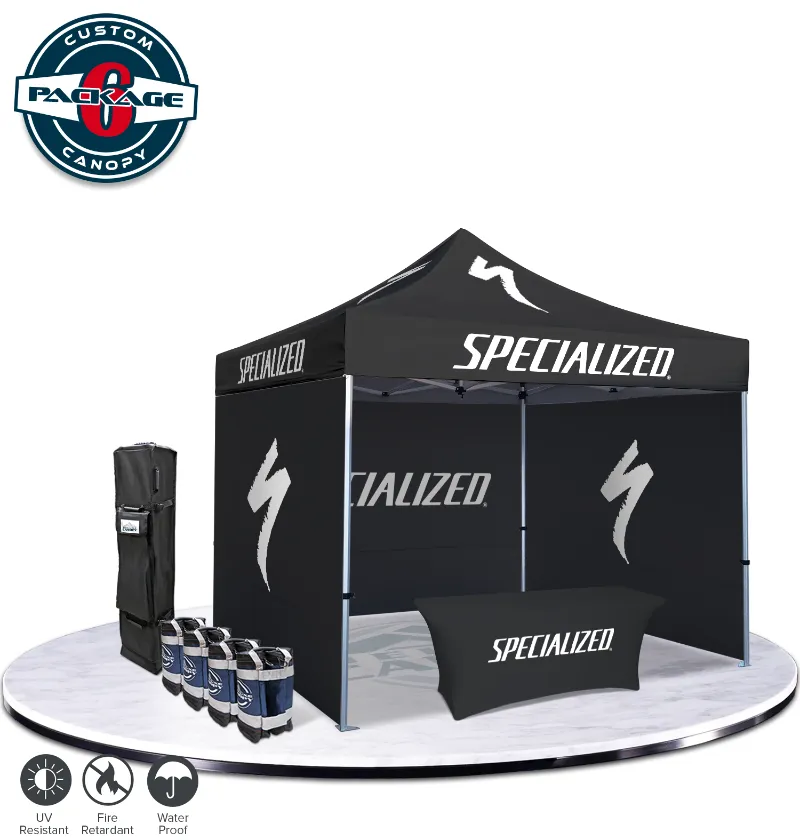
Wind is the most destructive force for assembled canopies. Frames experience cyclic loading as gusts push and release the canopy top, gradually loosening joints and bending legs. We recommend taking down any frame in winds above 20 mph unless it’s a heavy duty canopy frame rated for higher speeds. Leaving a custom pop up tent up during storms is the fastest way to bend corner brackets and snap leg locks.
Salt air, humidity, and precipitation accelerate corrosion on steel and compromise joint integrity. Coastal users should expect 30 to 40 percent shorter lifespans on non-stainless steel frames. Snow load can buckle roof trusses if you don’t clear accumulation promptly. We’ve documented roof frame failures on 10×10 models under just 6 inches of wet snow.
Extending the Life of Your Canopy Frame
Regular cleaning prevents corrosion and joint binding. Rinse frames with fresh water after beach or poolside use to remove salt and chlorine. Wipe down joints and apply silicone spray to sliding mechanisms twice per season. Inspect canopy frame fittings for cracks, rust, or loose fasteners before each setup, and replace worn parts immediately rather than waiting for failure.
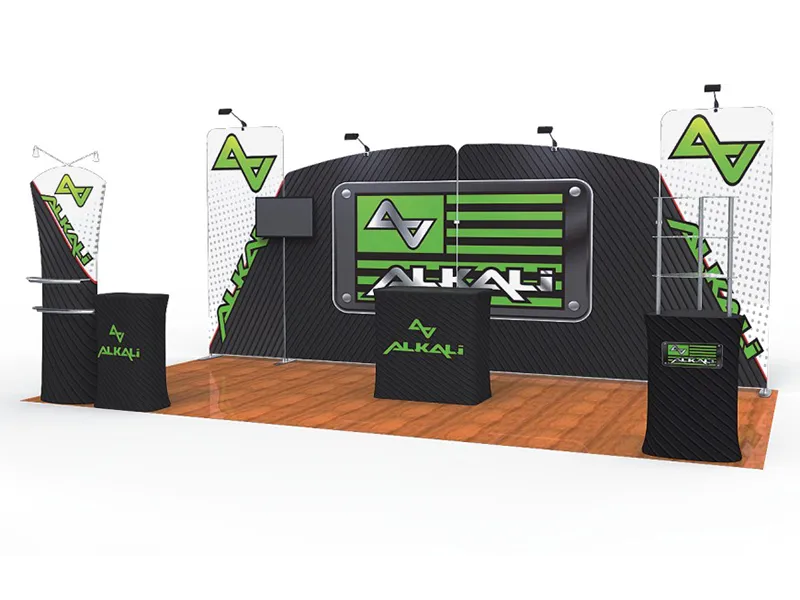
Storage practices make or break long-term durability. Store frames indoors or under cover when not in use for weeks at a time. Keep them off concrete floors where moisture can pool and cause rust. Disassemble multi-piece frames completely so legs and roof trusses don’t warp under their own weight. For permanent setups like a 10×20 trade show booth frame, remove the canopy top during winter to reduce wind load and UV exposure on the frame itself.
Proper anchoring reduces stress and prevents catastrophic damage. Stake all four legs and use weight bags on hard surfaces. Frames that tip or rack sideways during wind gusts develop stress cracks at the joints. Tension the canopy top evenly so wind doesn’t whip one corner more than the others.
When to Repair vs. Replace Canopy Frames
Minor damage is often worth repairing. Bent legs can be straightened if the kink is gentle and hasn’t cracked the tubing. Stripped bolt holes can be re-tapped or fitted with helicoil inserts. Replacement canopy frames for individual legs, roof bars, or corner fittings extend the life of an otherwise solid frame for a fraction of the cost of a new unit. Many manufacturers and aftermarket suppliers offer a canopy frame kit or canopy frame only option so you can keep your existing canopy top.
Replace the entire frame when structural integrity is compromised. Multiple bent or cracked tubes, severe rust that’s eaten through the metal, or broken welds mean the frame can no longer safely support the canopy. Twisted or misaligned joints that won’t lock properly are a sign the frame has been over-stressed. At that point, even a tarp canopy frame kit is safer and more reliable than trying to patch a failing structure. Grab the current discount code to save on a replacement frame when it’s time to upgrade.
Frame Material Comparison for Outdoor Use
Different materials suit different use cases and budgets. Here’s how the most common frame types stack up for longevity:
| Material | Typical Lifespan | Best For | Maintenance Needs |
|---|---|---|---|
| Powder-coated steel | 3-7 years | Permanent setups, heavy loads | High; inspect for rust, repaint |
| Aluminum | 7-12 years | Frequent transport, coastal areas | Low; clean joints, check fittings |
| Fiberglass | 4-8 years | Light-duty, flexible applications | Medium; UV protectant, inspect for cracks |
Aluminum offers the best balance of durability, weight, and corrosion resistance for most users. Steel makes sense when you need maximum strength and rarely move the frame. Fiberglass works for specialty applications where flexibility matters more than raw strength.
Choosing Frames Built to Last
Look for frames with a warranty of at least 1 year, which signals the manufacturer stands behind their construction quality. Commercial-grade frames often carry 2 to 5 year warranties and use thicker tubing, reinforced corners, and stainless hardware. For context, professional tent frames used in event and trade show applications are built to survive 200-plus setup cycles.
Joint design separates budget from premium frames. Riveted joints are the weakest and prone to loosening. Bolted connections with lock nuts or captured hardware allow for tightening and part replacement. Welded joints offer maximum strength but can’t be adjusted or repaired. We prefer bolted designs for portable frames and welded for permanent installations.
Check tubing dimensions and wall thickness before you buy. A canopy frame 10×10 with 1-inch or larger square tubing will handle wind and weight better than 0.75-inch tubing. Wall thickness of at least 1mm (about 18 gauge) provides adequate strength for recreational use, while commercial applications benefit from 1.5mm or thicker walls.
Heavy duty canopy frames cost more upfront but deliver lower per-year ownership costs when you factor in longevity and reduced replacement frequency. If you use your canopy more than a dozen times per year or leave it up for extended periods, investing in a commercial-grade frame pays off within 3 to 4 seasons. Visit the Deluxe Canopy discount page to compare current pricing on frames built for different use levels.
Understanding frame construction and caring for your canopy properly can double or even triple its usable life. Most failures we see are preventable through basic maintenance, proper storage, and taking the frame down during severe weather. Whether you’re shopping for your first frame or replacing an aging one, focus on material quality, joint design, and tubing thickness to get the best return on your investment.
Questions
How long do aluminum canopy frames last compared to steel?
Aluminum frames typically last 7 to 12 years with regular outdoor use, while powder-coated steel frames last 3 to 7 years. Aluminum resists corrosion naturally, making it more durable in humid or coastal environments where steel rusts faster.
Can I buy replacement parts for a damaged canopy frame?
Yes, most manufacturers and aftermarket suppliers sell replacement legs, roof bars, corner fittings, and hardware separately. Replacing individual damaged components is cost-effective when the rest of the frame is still structurally sound.
Should I leave my canopy frame up year-round?
Only heavy duty commercial frames are designed for permanent installation. Recreational frames last longer when you remove the canopy top during winter and take down the entire frame during high winds or snow to prevent stress damage and corrosion.
What causes canopy frame joints to fail?
Joint failure usually results from repeated stress during wind gusts, corrosion from moisture exposure, or loose fasteners that allow parts to shift and wear. Regular inspection and tightening bolted joints extends frame life significantly.
How do I know when my 10x10 tent frame needs replacing?
Replace your frame when you see multiple bent or cracked tubes, severe rust that penetrates the metal, broken welds, or joints that won't lock securely. These indicate the frame can no longer safely support the canopy.
Do heavier canopy frames last longer than lightweight ones?
Generally yes, because heavier frames use thicker tubing and more robust materials. However, a well-designed aluminum frame with proper wall thickness and reinforced joints can outlast a heavy but poorly constructed steel frame.
Products in this guide
 Shopping at Deluxe Canopy? See the discount code
10% OFF Sitewide
Shopping at Deluxe Canopy? See the discount code
10% OFF Sitewide
More in this series
What to Look for When Buying a Trade Show Booth for First-Time Exhibitors24 Aug 20265 minDo Custom Pop Up Tents Hold Up in Wind and Rain?24 Aug 20264 min10X10 vs 10X20 Canopy Tent: Which Size Do You Actually Need?24 Aug 20265 min How to Set Up an Inflatable Tent Without Damaging the Air Chambers24 Aug 20265 min