 A Deluxe Canopy guide
Do Custom Pop Up Tents Hold Up in Wind and Rain?
Custom pop up tents deliver reliable weather protection when you choose the right frame weight, fabric rating, and anchoring system for your conditions.
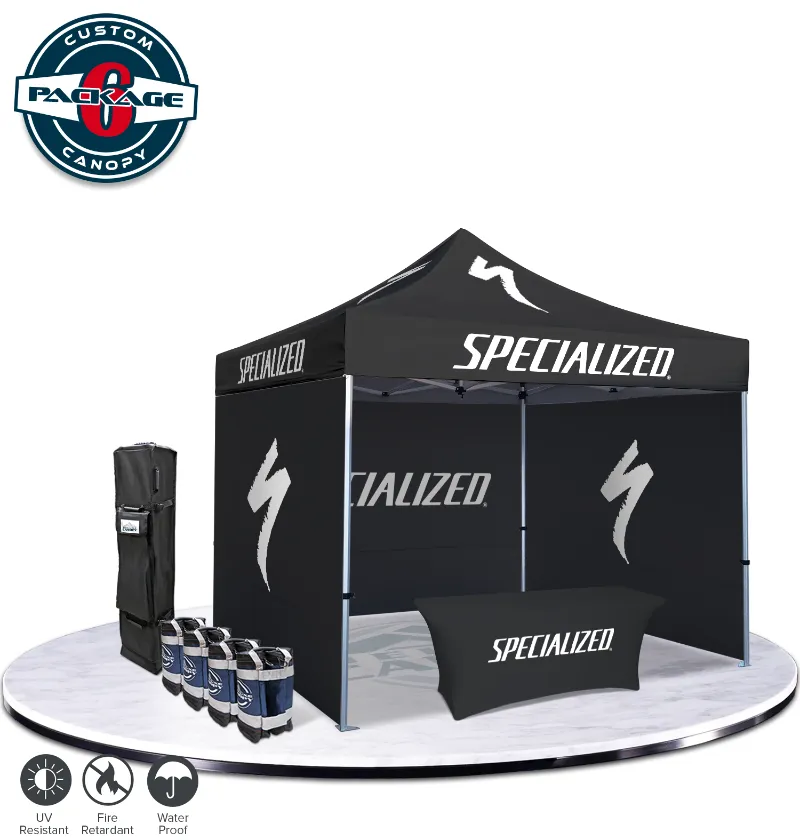
Custom pop up tents perform well in wind and rain when they feature heavy-duty frames, water-resistant canopy fabric rated 500D or higher, and proper anchoring with stakes or weights. Most quality custom pop up tents handle winds up to 25 mph and moderate rain without issue, while premium models with reinforced canopy frames can withstand stronger conditions when correctly secured.
The answer comes down to three core factors: frame construction, fabric quality, and how you secure it to the ground.
Frame Construction Makes the Difference
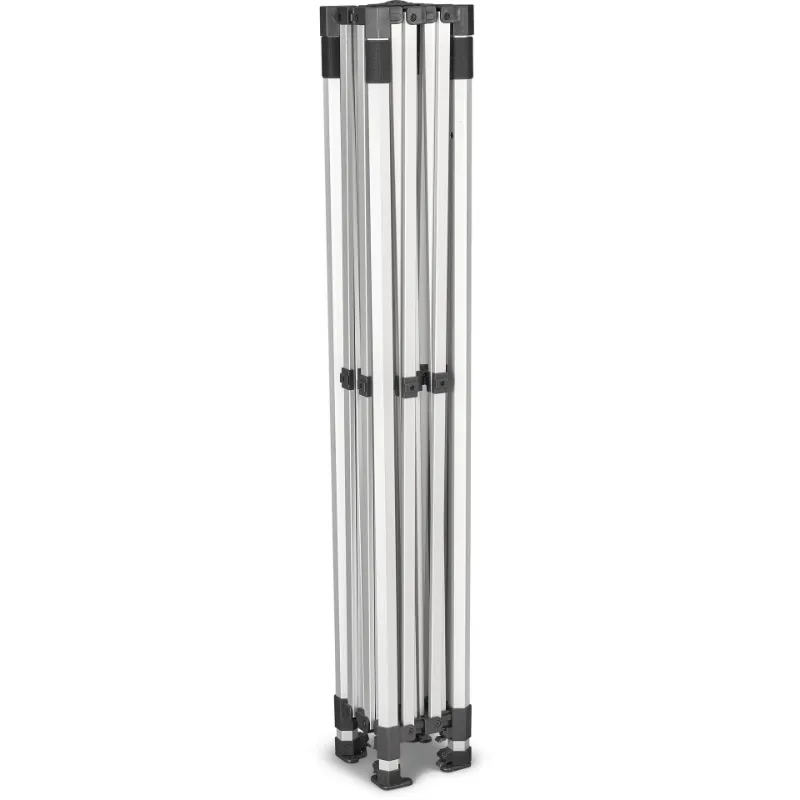
The skeleton of your canopy determines whether it flexes safely or buckles under pressure. Frame material and joint design directly affect wind resistance.
Steel vs. aluminum frames:
- Steel frames offer superior strength and stability in high winds but add significant weight
- Aluminum frames balance portability with adequate wind resistance for most uses
- Powder-coated finishes on both materials prevent rust in wet conditions
Joint and connector quality:
- Riveted joints provide stronger connections than plastic snap buttons
- Slide-lock mechanisms on legs resist collapse better than push-pin systems
- Corner bracket reinforcement distributes stress across the frame
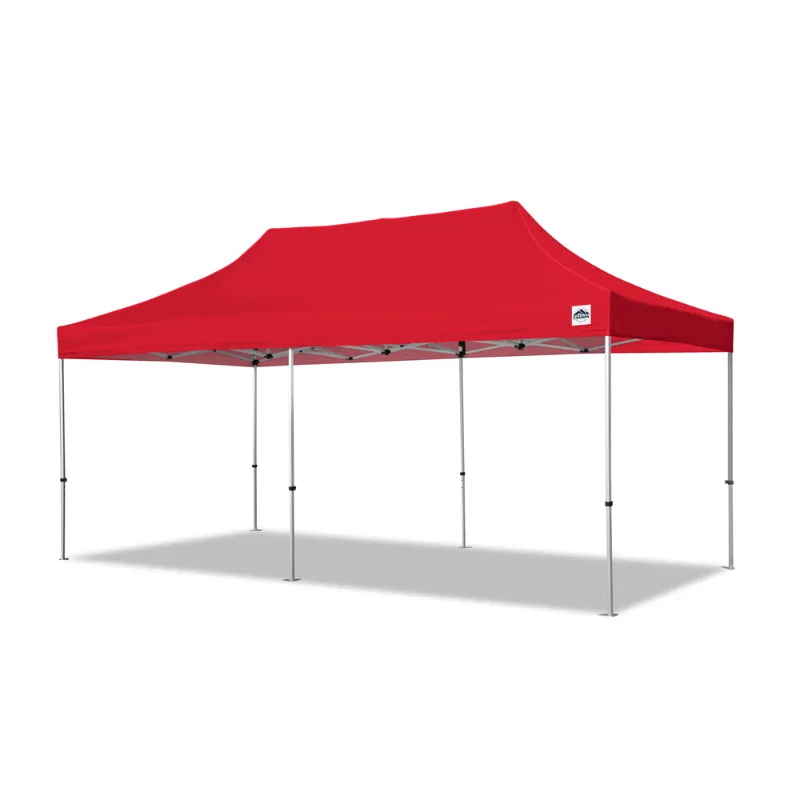
A 10×10 tent with a commercial-grade aluminum frame typically weighs 40 to 50 pounds and handles everyday weather, while a 10×20 tent requires a heavier steel frame for comparable stability due to the larger surface area catching wind.
Canopy Fabric Rating and Waterproofing
The fabric stretched across your frame serves as both sun shield and rain barrier. Fabric performance is measured in denier (thread density) and waterproof coating quality.
Denier ratings and weather performance:
- 300D polyester: basic protection, suitable for light rain and calm days
- 500D polyester: water-resistant with UV coating, handles moderate rain
- 600D or higher: commercial-grade, fully waterproof with sealed seams
A properly treated 500D canopy sheds water for several hours of steady rain before seepage begins at seams. For extended outdoor events, look for heat-sealed or taped seams rather than stitched-only construction.
Vented vs. solid canopy tops:
- Vented canopies include a small mesh panel at the peak to release wind pressure
- Solid canopies provide better rain protection but catch more wind
- For windy locations, vented designs reduce uplift force by 15 to 20 percent
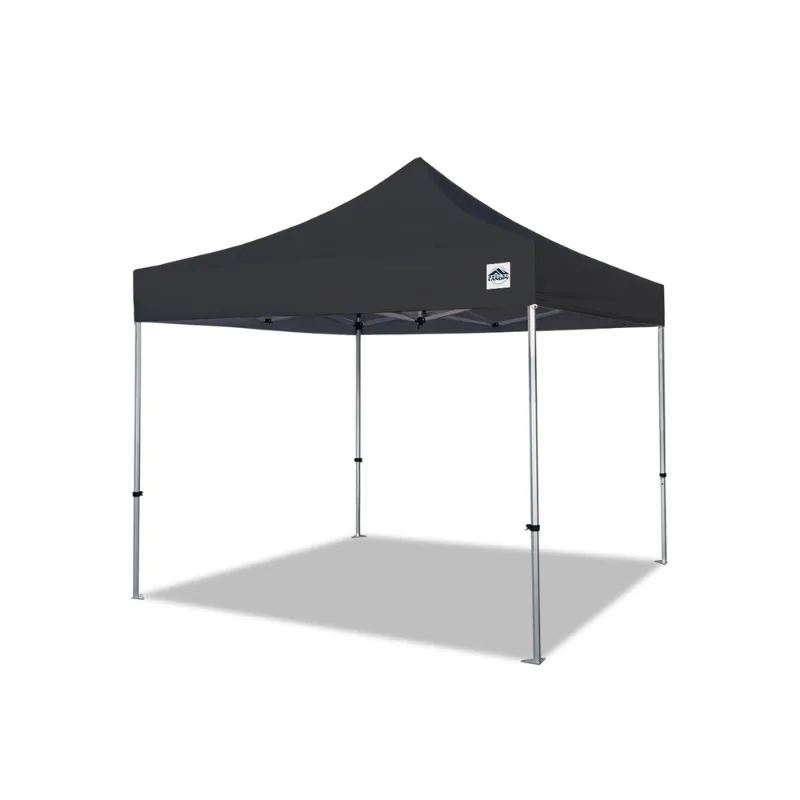
Most canopy tents 10×10 from quality suppliers now include both waterproof coating and venting as standard features. When shopping for a custom canopy tent 10×10, confirm the denier rating and seam construction before ordering.
Anchoring Systems That Actually Work
Even the strongest custom event tents fail without proper anchoring. Wind catches the canopy like a sail, generating tremendous uplift and lateral force.
Stake anchoring for grass and soft ground:
- Use 10 to 12 inch steel stakes driven at a 45-degree angle away from the tent
- Attach stakes to each leg with adjustable guy lines for tension control
- Double-stake each corner in winds above 15 mph
Weight systems for concrete and hard surfaces:
- Minimum 40 pounds per leg (160 pounds total for a 10×10, 320 for a 10×20)
- Sandbags, water weights, or concrete blocks all work effectively
- Secure weights to the frame, never just set them on the feet
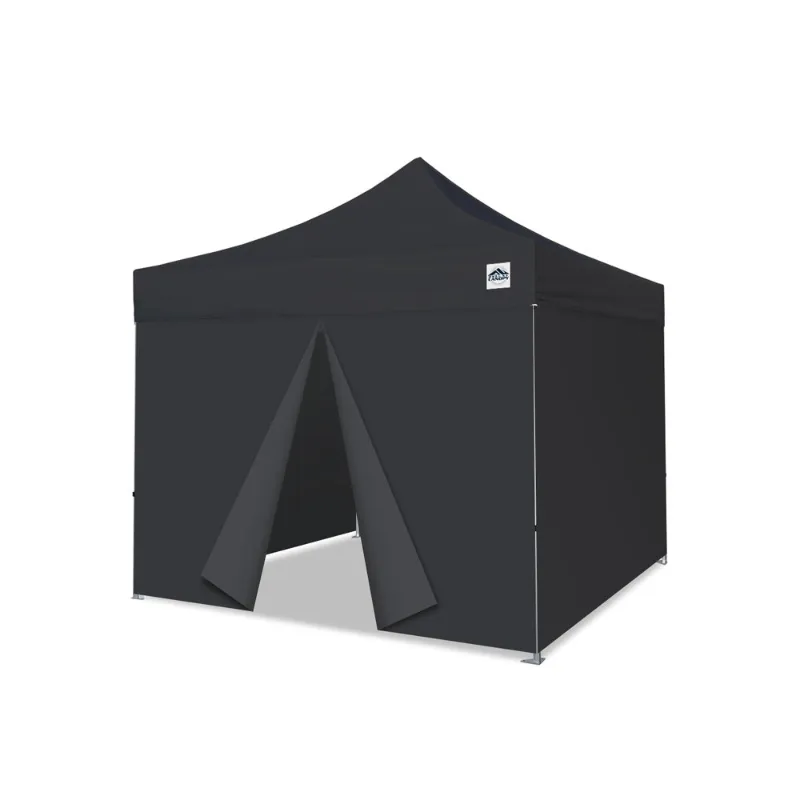
A custom canopy tent with sidewalls dramatically increases wind load and requires at least 50 percent more anchoring weight. Remove sidewalls or roll them up when winds exceed 20 mph.
For current pricing on anchoring kits and heavy duty custom canopy options, check our discount code for 10% off site wide.
Size and Shape Impact Weather Resistance
Larger tents present more surface area to wind and rain, creating exponentially greater force on the frame and anchors.
| Tent Size | Max Wind (Properly Anchored) | Recommended Anchor Weight |
|---|---|---|
| 10×10 | 25-30 mph | 160 lbs minimum |
| 10×20 | 20-25 mph | 320 lbs minimum |
| Custom shapes | Varies by profile | Consult manufacturer |
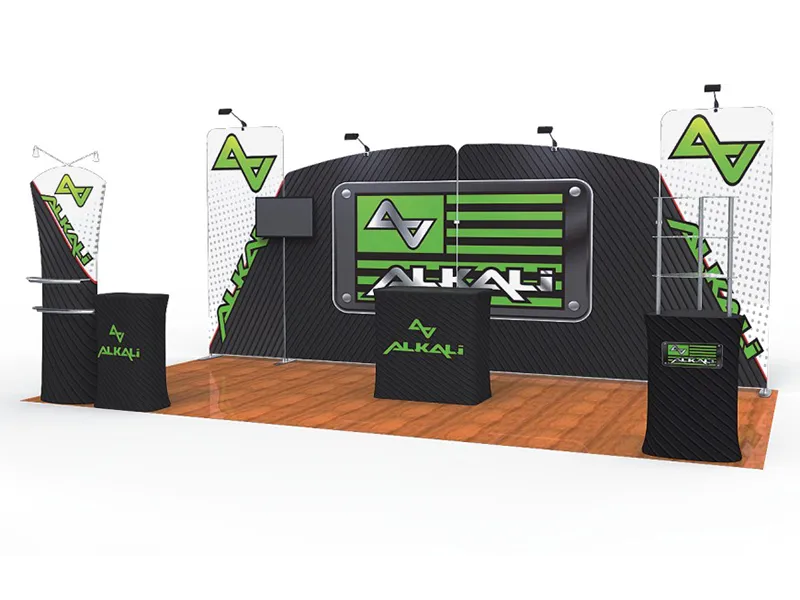
A 10×20 trade show booth requires more than double the anchoring effort of a standard 10×10 tent, not simply because it’s twice the footprint but because wind force increases with surface area squared. We recommend steel frames for anything larger than 10×15.
Peak height also matters. A canopy extended to maximum height catches more wind than one set to the lowest leg position. In gusty conditions, lower your canopy one or two settings to reduce sail effect while maintaining functional headroom.
When to Take Your Tent Down
No tent, regardless of quality, should remain up in severe weather. We follow clear thresholds for different conditions.
Wind speed guidelines:
- Below 20 mph: safe for properly anchored standard tents
- 20 to 30 mph: monitor closely, remove sidewalls, add extra anchoring
- Above 30 mph: take down the tent completely
Rain and storm protocols:
- Steady rain without wind: most waterproof canopies handle this fine
- Heavy downpours: check for water pooling on the canopy top and push it off
- Thunderstorms: evacuate and take down the tent due to lightning risk
Water pooling deserves special attention. Even a small depression in your canopy can collect 50 to 100 pounds of water, stressing the frame and potentially collapsing it. Keep the fabric taut and angle the tent slightly if rain is forecast.
Maintenance Between Events
Weather resistance degrades over time without basic care. Tents that get simple maintenance after each use tend to last longer than neglected ones.
Post-rain care:
- Always dry the canopy completely before packing to prevent mold
- Wipe down the frame to remove moisture and debris
- Inspect stress points and joints for damage or loosening
Fabric treatments:
- Reapply waterproofing spray annually or after 15 to 20 uses
- Clean with mild soap and water, never harsh chemicals that break down coatings
- Store in a breathable bag, not sealed plastic that traps moisture
If you’re researching custom canopy tent 10×10 price options, remember that spending 20 percent more upfront for commercial-grade materials typically saves money over three to five seasons compared to replacing cheaper tents annually.
For the best combination of weather protection and portability, we recommend starting with a 500D or 600D custom pop up tent featuring an aluminum frame and professional anchoring kit. Grab our code to save on your first order and invest those savings in quality stakes or weight bags that keep your tent firmly planted through wind and rain.
Questions
How much wind can a custom pop up tent withstand?
Most quality custom pop up tents handle winds up to 25 mph when properly anchored with stakes or weights. Premium heavy-duty models with reinforced frames can withstand 30 mph, but you should always take down any canopy tent when winds exceed 30 mph to prevent damage or injury.
Are custom canopy tents waterproof or just water-resistant?
It depends on the fabric rating. Canopies with 300D to 400D polyester are water-resistant and handle light rain, while 500D to 600D fabrics with sealed seams are fully waterproof for several hours of steady rain. Check the denier rating and seam construction when ordering.
How much weight do I need to anchor a 10x10 canopy tent?
You need a minimum of 40 pounds per leg, totaling 160 pounds for a 10x10 tent on hard surfaces like concrete. For grass, use 10 to 12 inch steel stakes driven at a 45-degree angle. Add 50 percent more weight if you're using sidewalls or expecting winds above 20 mph.
Should I remove sidewalls in windy conditions?
Yes, remove or roll up sidewalls when winds exceed 20 mph. Sidewalls dramatically increase wind load by catching air like a sail, requiring significantly more anchoring weight and stressing the frame. They're best used in calm weather or for rain protection only.
How do I prevent water pooling on my canopy top?
Keep the canopy fabric taut during setup and push off accumulated water during rain. Even small depressions can collect 50 to 100 pounds of water that stress the frame. You can also angle the tent slightly or lower one corner to encourage runoff.
What's better for weather resistance, steel or aluminum frames?
Steel frames offer superior strength and wind resistance but add significant weight, making them ideal for permanent or semi-permanent setups. Aluminum frames balance portability with adequate weather performance for most events and are easier to transport and set up.
Products in this guide
 Shopping at Deluxe Canopy? See the discount code
10% OFF Sitewide
Shopping at Deluxe Canopy? See the discount code
10% OFF Sitewide
More in this series
What to Look for When Buying a Trade Show Booth for First-Time Exhibitors24 Aug 20265 minHow Long Do Canopy Frames Last With Regular Outdoor Use?24 Aug 20265 min10X10 vs 10X20 Canopy Tent: Which Size Do You Actually Need?24 Aug 20265 min How to Set Up an Inflatable Tent Without Damaging the Air Chambers24 Aug 20265 min