 A Deluxe Canopy guide
10X10 vs 10X20 Canopy Tent: Which Size Do You Actually Need?
A 10x10 tent works for solo vendors and small gatherings, but a 10x20 doubles your coverage when you need room for multiple tables or larger crowds.
A 10×10 tent covers 100 square feet and fits one standard vendor table with room to move, while a 10×20 tent doubles that footprint to 200 square feet for two tables, larger crowds, or full-length displays.
Choosing the wrong size means cramped guests, wasted setup effort, or hauling a canopy too bulky for your vehicle. We’ll walk through real-world capacity, transport logistics, cost differences, and the scenarios where each size makes sense.
Space and Capacity: What Actually Fits Under Each Canopy
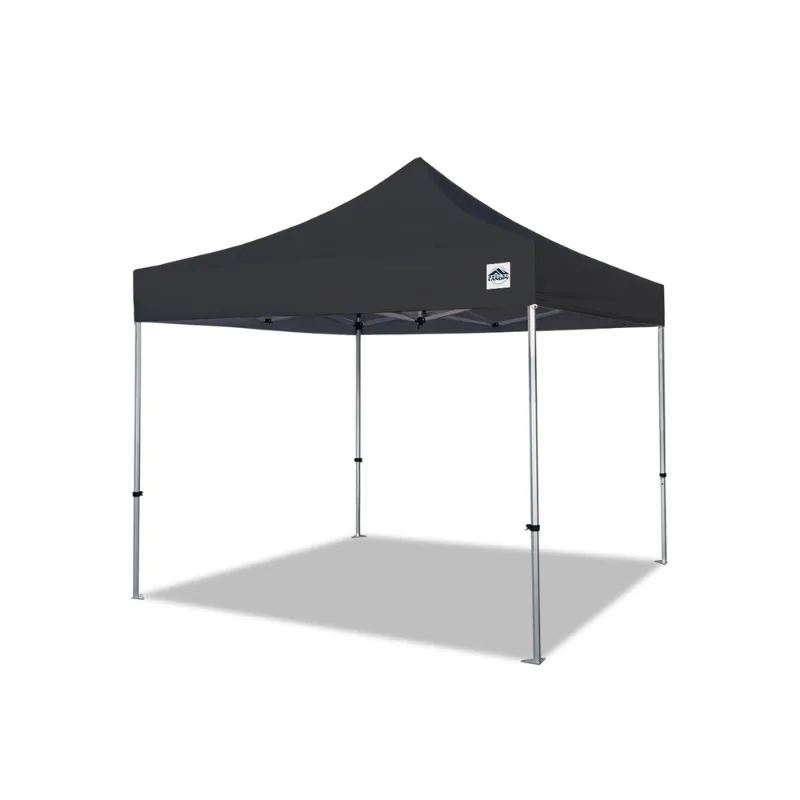
A canopy tents 10×10 provides enough coverage for one 6-foot or 8-foot folding table with space behind for you to stand and work. You can comfortably shelter four to six people standing or three to four seated in folding chairs. This size works well for solo craft vendors, small product displays, or a shaded seating area at a picnic.
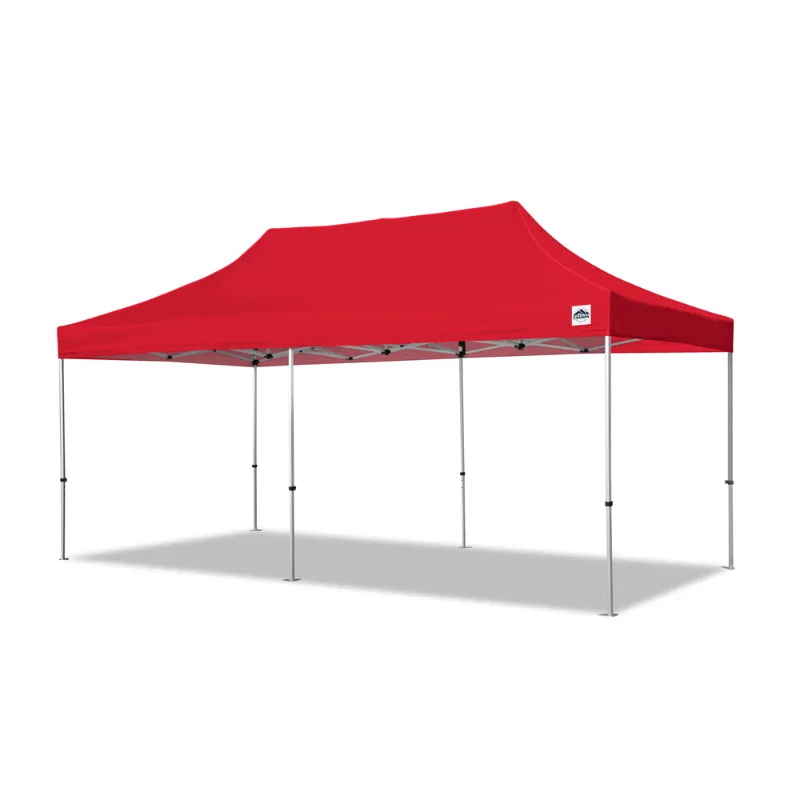
A 10×20 canopy doubles the square footage and changes what you can do. You gain room for two full vendor tables side by side, a single long display with walk-around space, or seating for eight to ten guests. The extra width lets you create distinct zones like a sales counter plus a product demo area, or a buffet table with separate seating.
Here’s how the sizes compare for common setups:
| Setup | 10×10 Canopy | 10×20 Canopy |
|---|---|---|
| Vendor tables | 1 table (6 or 8 ft) | 2 tables or 1 with wide aisles |
| Standing guests | 4-6 people | 10-12 people |
| Seated guests | 3-4 chairs | 8-10 chairs |
| Product display | Single booth | Double booth or L-shape |
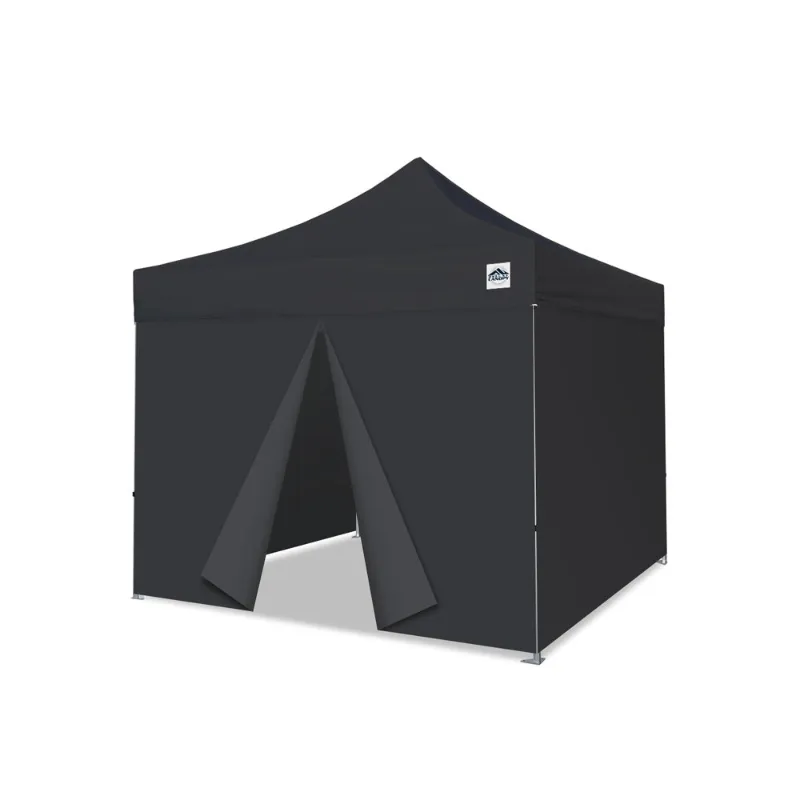
If you’re considering adding a 10×10 tent with sides or sidewalls, factor in that walls reduce your usable interior by roughly 12 inches per enclosed side. Sidewalls add privacy and wind protection but make the space feel tighter, especially with tables and inventory inside.
Weight, Transport, and Setup Logistics
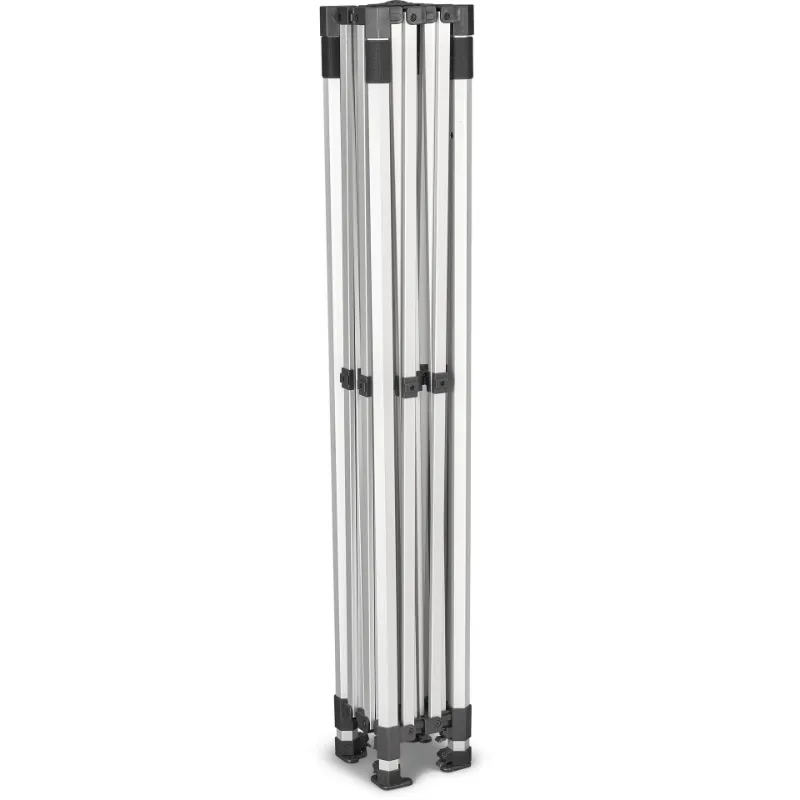
The 10×10 size packs into a roller bag or carrying case that fits in most car trunks or back seats. Total weight ranges from 35 to 55 pounds depending on frame material, and one person can set it up in five to ten minutes once you know the pop-up mechanism. Canopy frames in this size typically fold down to around 60 inches long.
A 10×20 canopy weighs 60 to 90 pounds and ships in a wheeled bag roughly 65 to 72 inches long. You need an SUV, van, or truck bed for transport, and most models require two people for safe setup because the extended frame is awkward to lift and lock into place alone. Setup time stretches to 15 to 20 minutes.
Weight matters when you set up weekly. We’ve watched solo vendors wrestle 10×20 frames at farmers markets, and the effort adds up over a season. If you haul gear solo or park far from your setup spot, the 10×10 is far easier to manage.
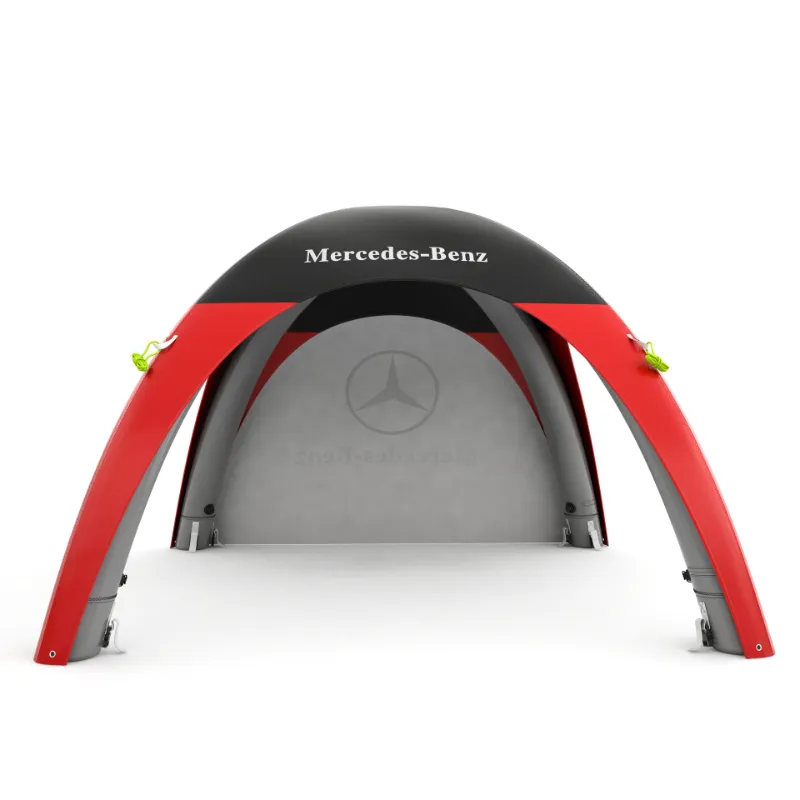
For those exploring portable shelter options beyond traditional pop-ups, an inflatable tent offers comparable coverage with an air-beam frame that one person can deploy, though these cost significantly more upfront.
Cost Comparison: Upfront and Over Time
A basic 10×10 tent white frame with a polyester cover starts around the price you’d check the latest price at Deluxe Canopy, while commercial-grade 10×10 models with aluminum frames and heavier fabric run higher. A 10×20 canopy in the same quality tier typically costs 50 to 80 percent more than the 10×10 equivalent because of the doubled frame material and larger canopy cover.
Replacement parts scale with size. A 10×10 tent cover costs less to replace than a 10×20 cover when sun damage or tears require a new top. Sidewalls, weight bags, and stakes for a 10×20 also cost more and take longer to install.
If you only need the larger footprint occasionally, renting a 10×20 for special events and owning a 10×10 for regular use can save money. Grab the code for 10 percent off sitewide at Deluxe Canopy when you’re ready to buy.
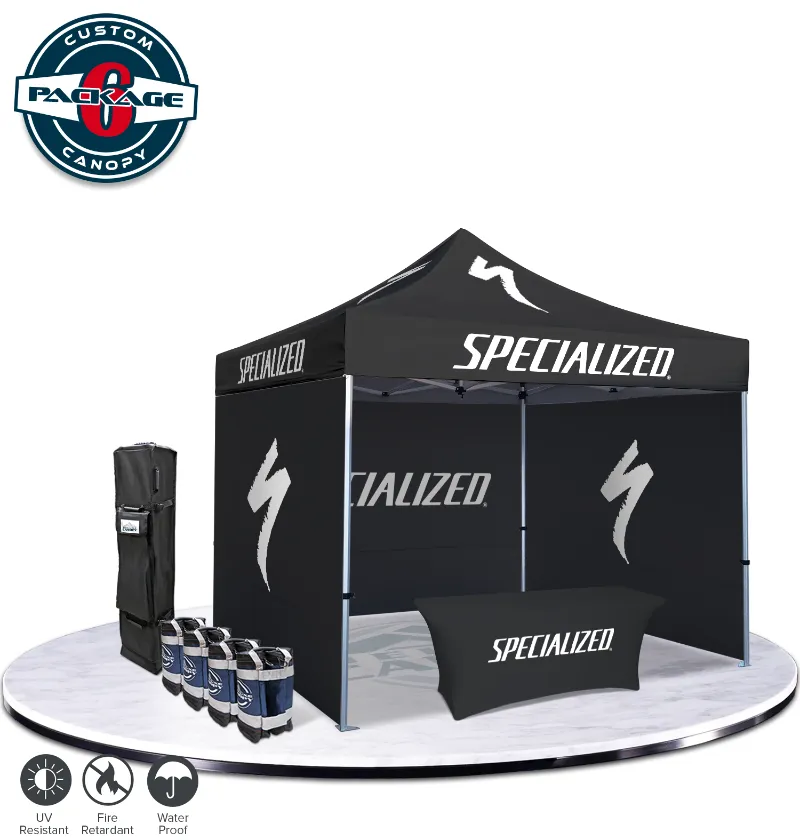
For vendors who need branding, custom pop up tents are available in both sizes, with printing costs rising in proportion to fabric area. A full-color 10×20 custom canopy costs nearly double the 10×10 version.
When a 10X10 Tent Is the Right Choice
Choose the 10×10 when you’re a solo operator, space is limited, or you prioritize portability. This size excels for:
- Farmers markets and craft fairs where booth spaces measure 10×10 and you display lightweight goods
- Tailgating and backyard gatherings with four to six people
- Sideline shade at youth sports fields where you need quick setup and teardown
- Solo vendors who load and unload alone and park far from the venue
- Camping when you want a 10×10 tent camping shelter for cooking or gear storage separate from your sleeping tent
A 10×10 tent heavy duty frame with reinforced joints and thicker fabric handles moderate wind better than budget models, but the smaller footprint inherently catches less wind than a 10×20, making it more stable in gusty conditions.
You can find 10×10 options from brands like King Canopy and Master Tent, both offering heavy-duty frames and waterproof covers designed for repeated use.
When You Need to Go 10X20
The 10×20 size makes sense when your operation grows, you sell bulky items, or you host larger groups. Go bigger if you:
- Run a two-person vendor team and need room for inventory, signage, and customer flow
- Display furniture, large art, or equipment that requires walk-around viewing space
- Host events with eight or more seated guests or buffet-style food service
- Sell at shows where a double booth or 10×20 trade show booth footprint is standard
- Need brand impact with a larger branded canopy that draws attention from a distance
The 10×20 footprint also works well when you want to create separate functional zones, like a checkout area and a product demo space, without cramping either. If you’re evaluating custom branding, BannerBuzz offers 10×10 custom canopy tents with full-color printing, and their 10×20 models provide twice the visual real estate for logos and graphics.
Two-person crews appreciate the extra room to work side by side, and the additional coverage keeps more inventory and equipment shaded during long outdoor events.
Practical Considerations Before You Buy
Before committing to either size, measure your typical setup space. Many festival and market organizers assign 10×10 booth spaces, and oversized canopies that intrude on neighboring vendors cause conflicts. Confirm the allowed footprint before ordering a 10×20.
Check your vehicle capacity. A 60-inch bag fits in most sedans, but a 72-inch roller bag requires an SUV or van. We’ve seen buyers return 10×20 canopies simply because they couldn’t transport them.
Consider how often you’ll set up alone. If you vend solo three weekends a month, the cumulative effort of managing a 10×20 frame adds stress. The 10×10 remains manageable over dozens of setups.
Think about wind and anchoring. Both sizes need proper weights or stakes, but a 10×20 canopy has more surface area to catch wind. Budget for heavier weight bags or longer stakes, and plan to add sidewalls selectively rather than enclosing all four sides, which turns the canopy into a sail.
Finally, budget for accessories. A complete setup includes weight bags, stakes, sidewalls, and possibly a 10×10 canopy tent with sidewalls package that bundles everything. Accessories for a 10×20 cost more and add bulk to your load.
Questions
Can a 10x10 tent fit two vendor tables?
A 10x10 canopy can technically fit two small tables, but you'll have almost no room to move behind them or for customers to browse comfortably. Two tables work much better under a 10x20 footprint.
How many people can stand under a 10x20 canopy tent?
A 10x20 canopy comfortably shelters 10 to 12 people standing with room to move, or 8 to 10 people seated in folding chairs with a small table.
Do I need two people to set up a 10x10 canopy?
No, one person can set up a 10x10 pop-up canopy in five to ten minutes once familiar with the frame. A 10x20 canopy almost always requires two people because of the extended frame length and weight.
Will a 10x10 tent fit in my car trunk?
Most 10x10 canopy tents pack into a roller bag around 60 inches long and fit in sedan trunks or back seats. Always check the packed dimensions against your vehicle before ordering.
Are 10x20 canopy tents twice the price of 10x10 models?
A 10x20 canopy typically costs 50 to 80 percent more than a comparable 10x10 model, not quite double, because of the larger frame and fabric. Replacement covers and accessories also cost more.
Can I use a 10x10 canopy tent for camping?
Yes, a 10x10 canopy works well as a camping shelter for cooking, gear storage, or a shaded hang-out area separate from your sleeping tent. Choose a heavy-duty frame if you expect wind or rain.
Products in this guide
 Shopping at Deluxe Canopy? See the discount code
10% OFF Sitewide
Shopping at Deluxe Canopy? See the discount code
10% OFF Sitewide
More in this series
What to Look for When Buying a Trade Show Booth for First-Time Exhibitors24 Aug 20265 minHow Long Do Canopy Frames Last With Regular Outdoor Use?24 Aug 20265 minDo Custom Pop Up Tents Hold Up in Wind and Rain?24 Aug 20264 minHow to Set Up an Inflatable Tent Without Damaging the Air Chambers24 Aug 20265 min