 A Commercial Cleaning Depot guide
How Long Do Commercial Floor Sanders Actually Last With Regular Use?
A commercial floor scrubber can last anywhere from 5 to 10 years or more depending on how it's maintained, the surfaces it tackles, and whether you pair it with the right supporting equipment.
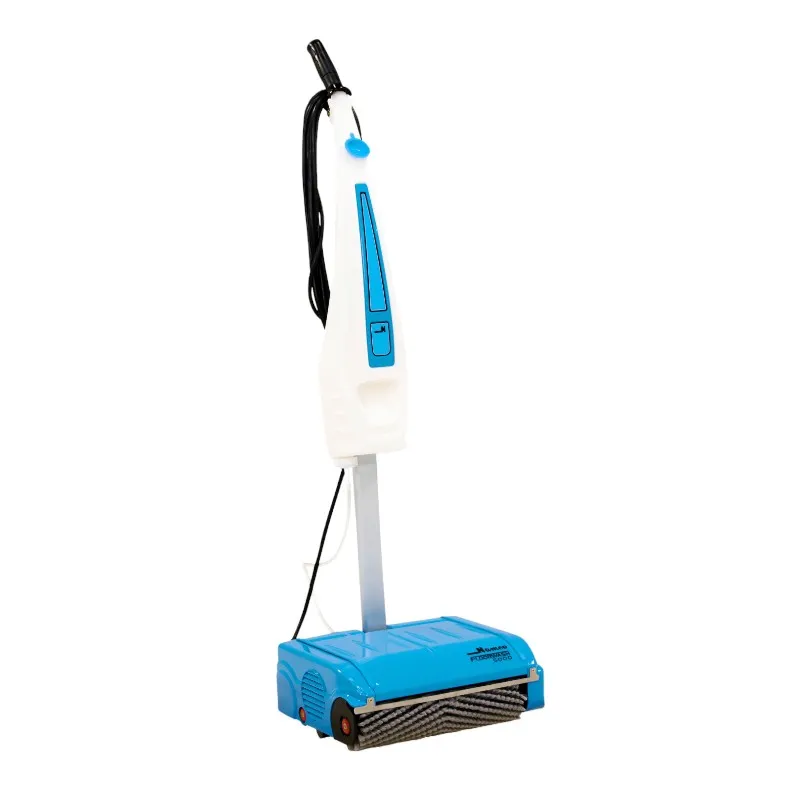
A quality floor scrubber is one of the hardest-working machines in any commercial or industrial cleaning program, and with consistent maintenance it can deliver reliable performance for well over a decade. How long yours actually lasts depends on three things: build quality, how hard it runs, and how well it’s cared for between uses. This guide covers all three so you can plan smarter and spend less over the long run.
What Affects Floor Scrubber Machine Lifespan Most
Not every scrubber ages the same way. These are the biggest variables that determine whether your machine hits five years or fifteen.
- Frequency of use. A floor scrubber running two shifts daily in a distribution center wears faster than one used a few hours a week in a small retail space.
- Surface type. Rough concrete is more abrasive than polished tile. Machines used heavily for floor scrubber for concrete applications wear pads, brushes, and squeegees faster than those on smooth floors.
- Water and chemical management. Leaving dirty solution in the tank corrodes internal components. Always drain and rinse after every run.
- Brush and pad condition. A worn floor scrubber brush doesn’t just clean poorly, it makes the motor work harder. Inspect brushes at every shift.
- Operator training. Machines turned too sharply, overloaded, or run without checking water levels fail years ahead of schedule.
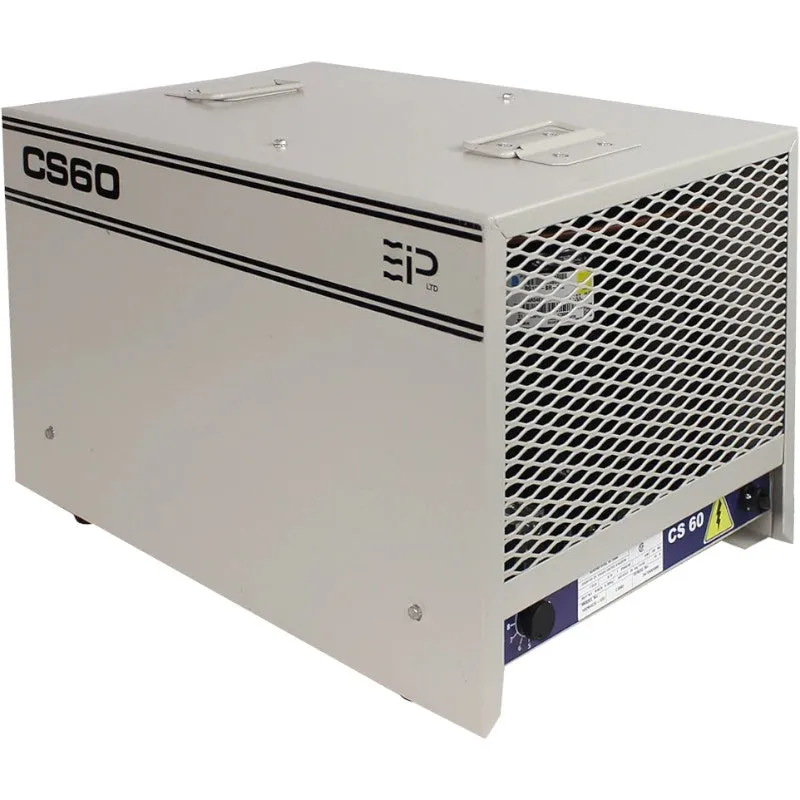
- Environment. High-humidity facilities accelerate corrosion on metal parts. Pairing a crawl space dehumidifier or facility dehumidification with your equipment storage area genuinely extends machine life.
Industrial vs. Home-Use Models: How Long Each Typically Lasts
The gap between a floor scrubber industrial unit and a floor scrubber machine for home use is significant, and so is the expected service life.
| Machine Type | Typical Lifespan | Best Suited For |
|---|---|---|
| Industrial walk-behind | 8 to 15 years | Warehouses, factories, large retail |
| Mid-range commercial | 5 to 10 years | Schools, offices, medium facilities |
| Compact/home-use | 3 to 6 years | Garages, small shops, home use |
| Rental-grade units | Varies widely | Short-term or trial use |
Walk-behind floor scrubbers from established manufacturers are engineered for high cycle counts, which is why they outlast consumer-grade alternatives by a wide margin. If you’re weighing floor scrubber rental against buying, note that rentals shift maintenance responsibility to the provider but limit your ability to control upkeep quality.
How the Floor Sander and Floor Buffer Fit Into the Picture
A floor scrubber handles daily or weekly wet cleaning, but it works alongside other machines in a complete floor care program.
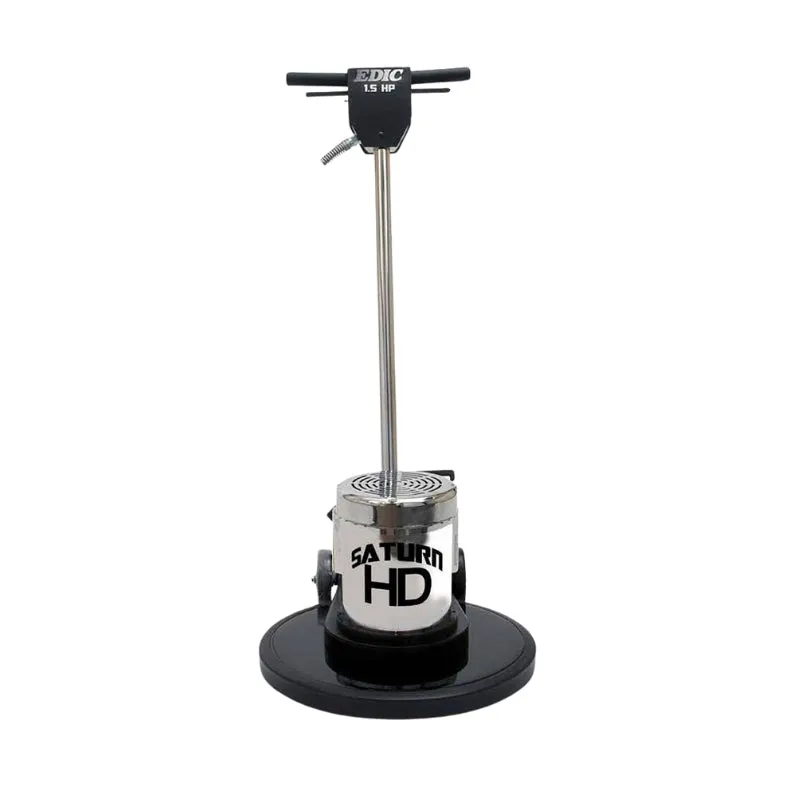
- The floor sander is used for stripping, refinishing, or smoothing surfaces before sealing. It sees intermittent use and typically lasts 10 or more years with basic care because it runs dry and for shorter sessions.
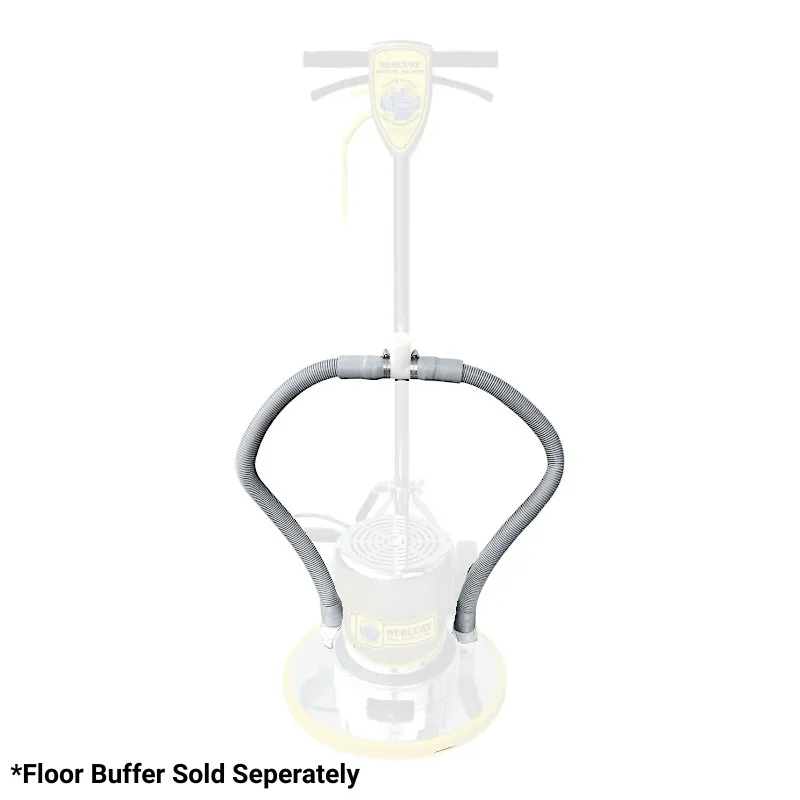
- The floor buffer handles polishing and light scrubbing between deep cleaning cycles. Buffers are simpler mechanically than scrubbers and often outlast them if pads are changed regularly and the motor isn’t overheated.
- The floor cleaning machine category overlaps with scrubbers but includes simpler spray-and-vacuum units suited for lighter-duty work.
Running the right machine for each task is the single best way to prevent premature wear across your entire fleet.
Maintenance Habits That Add Years to Your Scrubber
Consistent maintenance is what separates a machine that hits a decade from one that fails in three years. Build these habits into your routine.
- Drain and rinse the solution and recovery tanks after every use. Residual cleaning solution is the leading cause of internal corrosion.
- Inspect and rotate the floor scrubber brush weekly. Replace when bristles are worn below manufacturer minimums.
- Check squeegee blades every session. A damaged blade leaves water on the floor and stresses the vacuum motor.
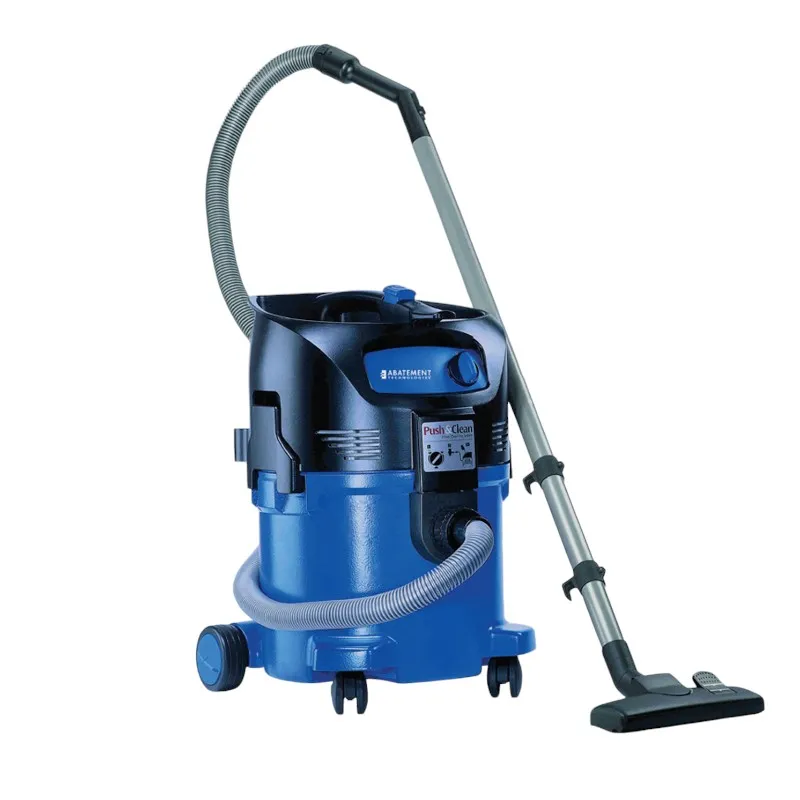
- Clean the filter and check battery water levels (for battery models) on a fixed schedule. Pair your scrubber with a HEPA vacuum to keep the surrounding area free of debris that gets ingested into the machine.
- Dry the machine thoroughly before storage. An air mover aimed at the machine for 10 to 15 minutes after cleaning speeds drying and prevents mold and rust in hard-to-reach cavities.
- Log all service. Tracking hours, brush changes, and repairs helps you spot wear patterns and schedule parts replacement before a breakdown.
For a broader look at what separates well-built scrubbers from budget models, Commercial & Industrial Floor Scrubbers is a useful reference for understanding specification differences.
Signs Your Floor Scrubber Is Nearing End of Life
Knowing when to repair versus replace saves money. Watch for these signals.
- Brush motor draws more current than spec, indicating worn bearings or a failing motor
- Recovery tank leaks that reappear after repeated sealing
- Battery no longer holds a charge beyond half a shift (on battery-powered units)
- Squeegee vacuum consistently leaves wet streaks despite fresh blades
- Repair costs in a single year exceed 50% of replacement cost
If your machine is showing two or more of these signs simultaneously, replacement is almost always the better investment. Check the latest price on a new unit before committing to another expensive repair cycle.
Choosing the Right Floor Scrubber for Your Surface and Space
Matching the machine to the environment is as important as maintenance. A floor scrubber for home use running in a small workshop is overkill and underworked; an industrial unit in a light-duty setting may never justify its cost.
- Concrete and rough surfaces: Choose a machine with a cylindrical brush system and a robust squeegee. Disk models wear faster on uneven concrete.
- Tile and smooth floors: Disk scrubbers work well and are easier to maneuver in tighter spaces like restrooms or kitchens.
- Mixed surfaces: Look for adjustable pressure settings and interchangeable pad/brush systems.
For detailed side-by-side specs across brands and sizes, Floor Scrubbers, Floor Scrubbing Machines & Auto Scrubber is a solid independent resource.
Once you’ve identified the right model, grab the code to save 5% sitewide at Commercial Cleaning Depot before you buy.
Building a Complete Cleaning Program Around Your Scrubber
A floor scrubber does the heavy lifting, but the machines around it determine overall facility cleanliness and protect your floors between deep cleans.
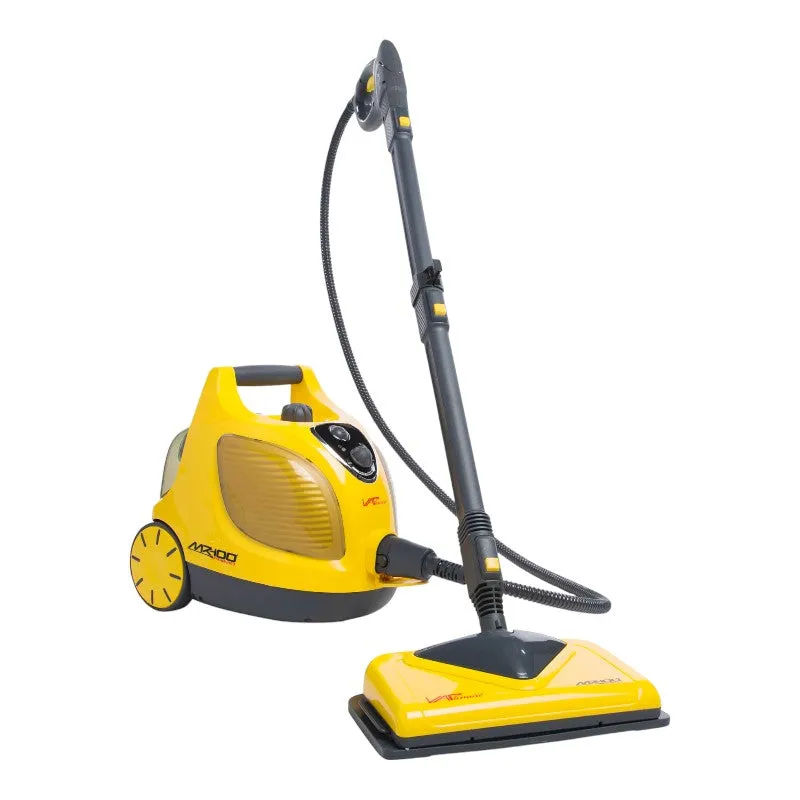
- A handheld steam cleaner or grout steam cleaner handles the detail work the scrubber can’t reach, like grout lines and baseboards.
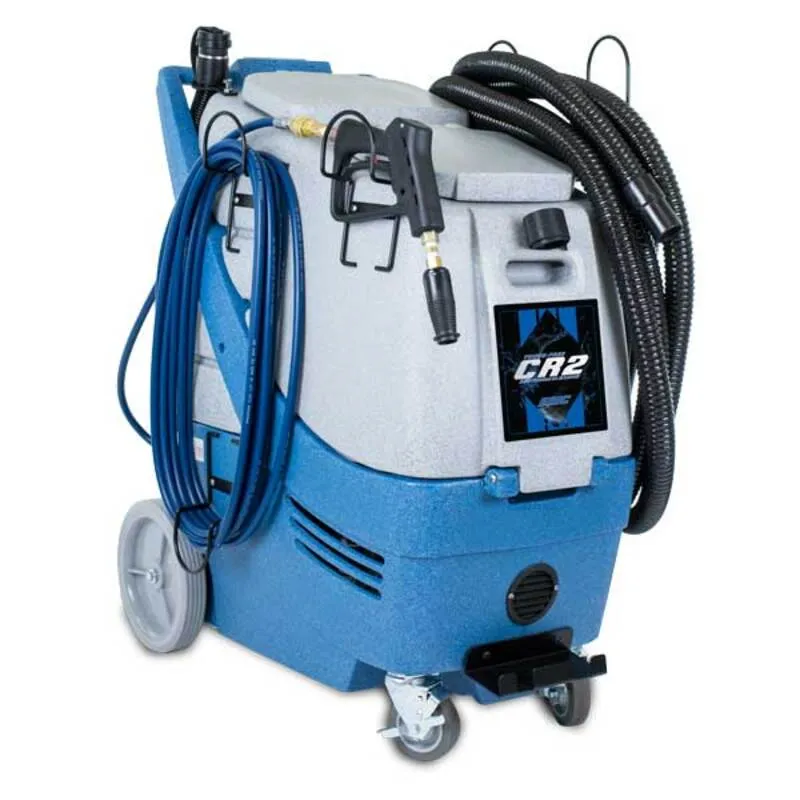
- A carpet steam cleaner or steam carpet cleaner covers any carpeted zones that the scrubber skips entirely.
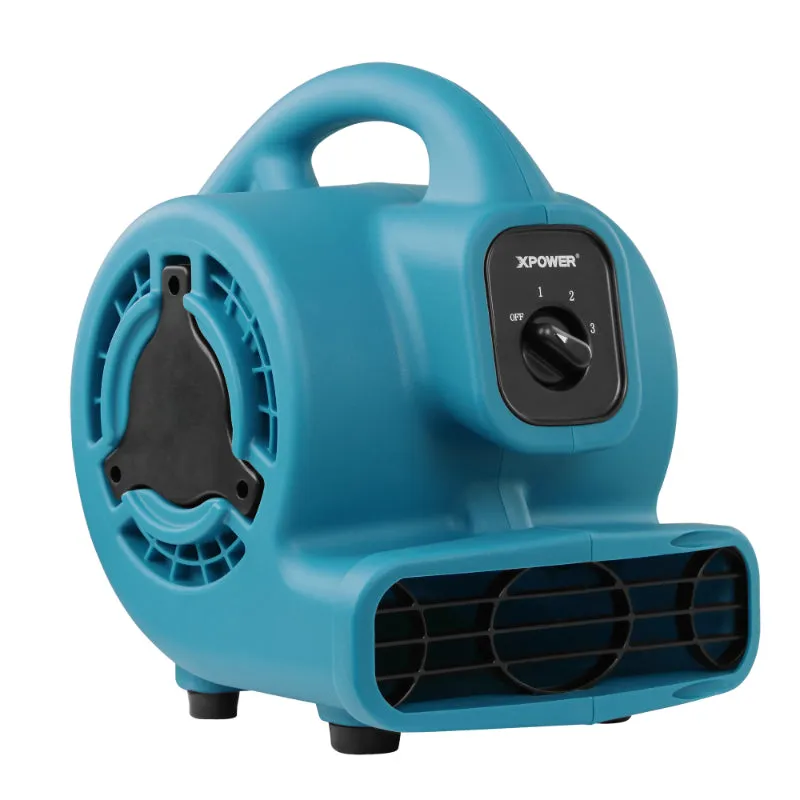
- An air mover speeds floor drying after wet scrubbing, cutting slip hazards and getting the space back into service faster.
Investing in the right supporting equipment, and keeping all of it maintained, means fewer breakdowns, safer floors, and a measurably longer lifespan for every machine in your program. Check out the full lineup and current deals at Commercial Cleaning Depot to build your setup at the best available price.
Questions
How long does a commercial floor scrubber typically last?
A well-maintained commercial floor scrubber generally lasts between 5 and 15 years depending on the build quality, how frequently it runs, and the type of surface it cleans. Industrial models on a strict maintenance schedule consistently reach the higher end of that range.
What shortens a floor scrubber's lifespan the most?
Leaving dirty cleaning solution in the tanks between uses is the top culprit, as it corrodes internal components over time. Running with a worn floor scrubber brush also strains the motor unnecessarily and accelerates overall wear.
Is it better to rent or buy a floor scrubber machine for regular use?
For facilities that clean more than a few times per month, buying is almost always more cost-effective than floor scrubber rental over a one to two year period. Owning also lets you control maintenance quality, which directly affects how long the machine lasts.
How does a floor buffer differ from a floor scrubber, and which lasts longer?
A floor buffer polishes and lightly scrubs dry or nearly dry surfaces, while a floor scrubber deep-cleans using water and solution. Buffers are mechanically simpler and often outlast scrubbers when pads are changed regularly and the motor isn't overheated.
Can I use a floor scrubber on concrete?
Yes, but rough concrete wears pads, brushes, and squeegees faster than smooth tile or hardwood does. For a floor scrubber for concrete applications, choose a cylindrical brush model with adjustable pressure and plan to replace consumables more frequently.
What other machines should I pair with a floor scrubber for the best results?
A HEPA vacuum keeps debris from being ingested into the scrubber, an air mover speeds floor drying after wet cleaning, and a handheld or grout steam cleaner handles detail work in tight areas the scrubber can't reach.
Products in this guide
 Shopping at Commercial Cleaning Depot? See the discount code
5% OFF Sitewide
Shopping at Commercial Cleaning Depot? See the discount code
5% OFF Sitewide
More in this series
 Grout Steam Cleaner Buying Guide: Do You Really Need a Dedicated Machine?24 Aug 20264 min
 What to Expect From a 3 Ton Heat Pump in a Large Commercial Space24 Aug 20265 minFloor Scrubber, Floor Buffer, or Floor Cleaning Machine: Understanding the Difference24 Aug 20264 minHow to Choose the Right HEPA Vacuum for Commercial Cleaning Jobs24 Aug 20264 minCrawl Space Dehumidifier vs. Air Mover: Which Tackles Moisture Problems Faster?24 Aug 20264 min