 A Commercial Cleaning Depot guide
Grout Steam Cleaner Buying Guide: Do You Really Need a Dedicated Machine?
A grout steam cleaner is one of the most effective tools for dissolving mold, grease, and deep-set grime from tile joints without harsh chemicals.
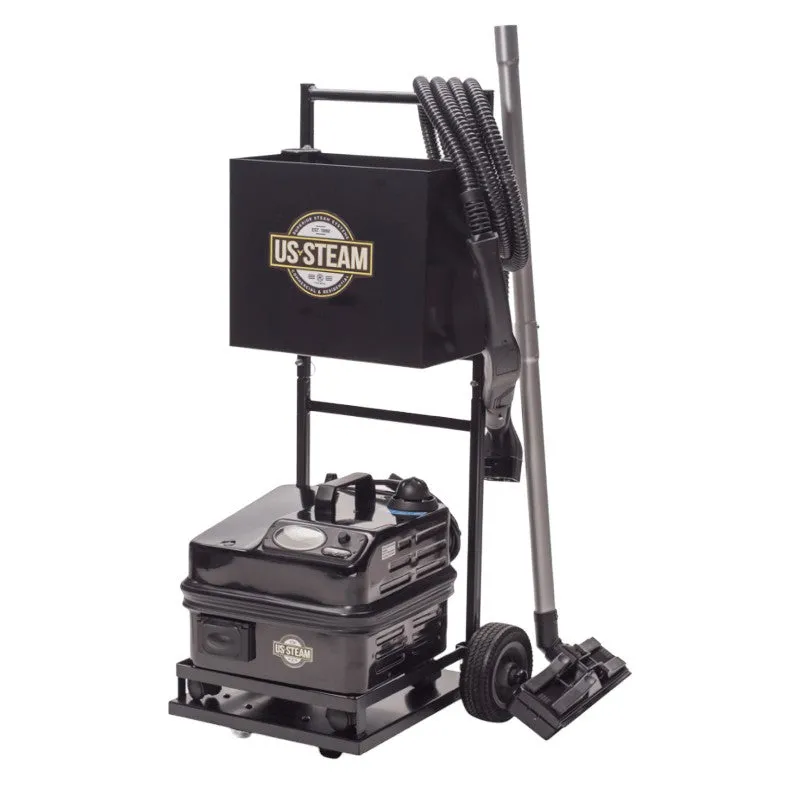
A grout steam cleaner is one of the most effective tools for blasting mold, soap scum, and embedded dirt out of tile joints without scrubbing by hand or reaching for harsh chemicals. Whether you are restoring a shower surround, refreshing a kitchen backsplash, or deep-cleaning a commercial bathroom floor, understanding what separates a dedicated machine from a general-purpose steamer will save you time and money.
What a Grout Steam Cleaner Actually Does
Steam cleaners work by heating water to produce pressurized vapor, typically at temperatures high enough to loosen grease and kill surface bacteria on contact. When that steam is focused through a narrow nozzle or a grout-specific brush attachment, it gets into the porous surface of grout lines and lifts grime that mopping or a standard floor cleaning machine simply cannot reach.
Key things the steam does:
- Penetrates the porous texture of cement-based and epoxy grout
- Loosens biofilm, mold spores, and soap residue
- Reduces the need for chemical degreasers or bleach
- Sanitizes without leaving a wet residue that could re-attract dirt
The critical spec to look for is steam pressure or temperature. A high pressure steam grout cleaner produces enough force to clear packed-in debris in a single pass, while a low-pressure unit may require multiple slow strokes to get the same result.
Dedicated Machine vs. Multi-Use Steamer: Which Should You Buy?
Not every job needs a purpose-built unit. Here is how the main options stack up:
| Option | Best For | Portability | Grout Performance |
|---|---|---|---|
| Dedicated grout steam cleaner | Tile-heavy homes, commercial spaces | Medium | Excellent |
| Handheld steam cleaner | Small showers, countertops, spot jobs | High | Good with right attachment |
| Carpet steam cleaner | Fabric surfaces, large floor areas | Low | Poor on grout lines |
| Floor scrubber | Hard floor maintenance, large open areas | Medium | Fair on wide grout only |
If your property has extensive tiled areas, a professional grout steam cleaner with a dedicated grout brush head is worth the investment. For occasional touch-ups on a shower wall or a small bathroom, a handheld steam cleaner with a narrow nozzle attachment often handles the job well and costs considerably less. You can check the latest pricing and grab the discount code before deciding between the two.
Is a Grout Steam Cleaner Right for Your Situation?
Ask yourself these four questions before buying:
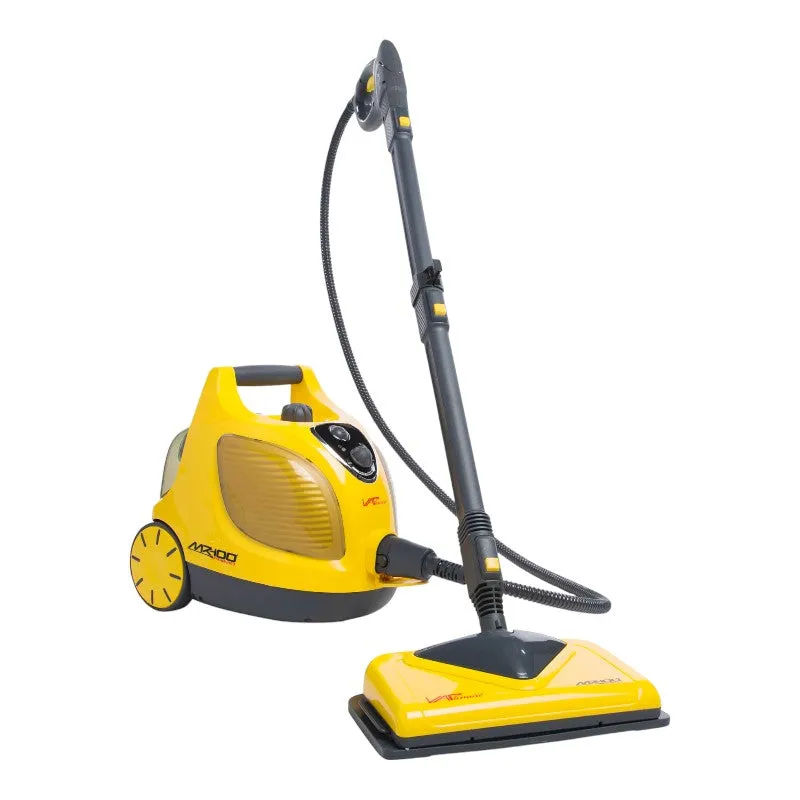
- How much tile do you have? A single small bathroom is manageable with a handheld unit. Multiple rooms or a commercial space justifies a full-size machine.
- How often will you clean? Quarterly deep cleans favor a dedicated machine. Monthly maintenance can often be handled with a lighter steamer.
- What type of grout do you have? Sanded and cement grout respond well to high-heat steam. Delicate or cracked grout needs lower pressure to avoid damage.
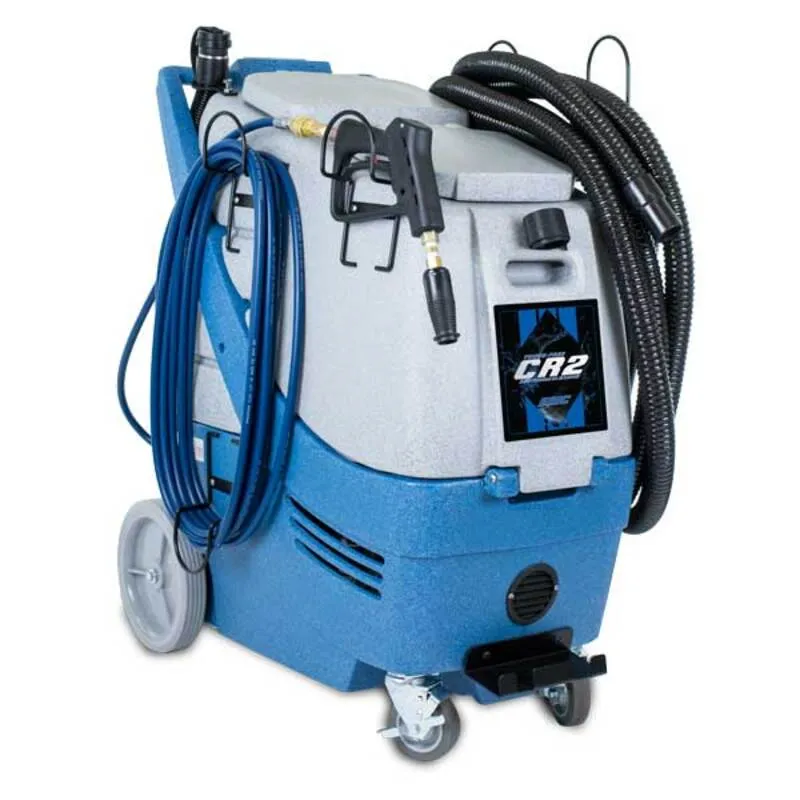
- Do you need to clean other surfaces too? If your workflow also includes carpeted areas, pairing a steam carpet cleaner with a handheld grout unit covers both without overspending on a single machine.
A Note on Grout Steam Cleaner Rentals
Grout steam cleaner rental is a popular option for one-off projects, like post-renovation cleanup or a seasonal deep clean. Rental makes sense if you will not use the machine more than once or twice a year. However, for commercial properties or homes with heavy tile throughout, ownership pays off quickly, especially when you factor in a sitewide discount from Commercial Cleaning Depot.
Pairing Steam With the Right Supporting Equipment
Steam alone handles the grout, but a complete cleaning workflow usually involves a few other tools:
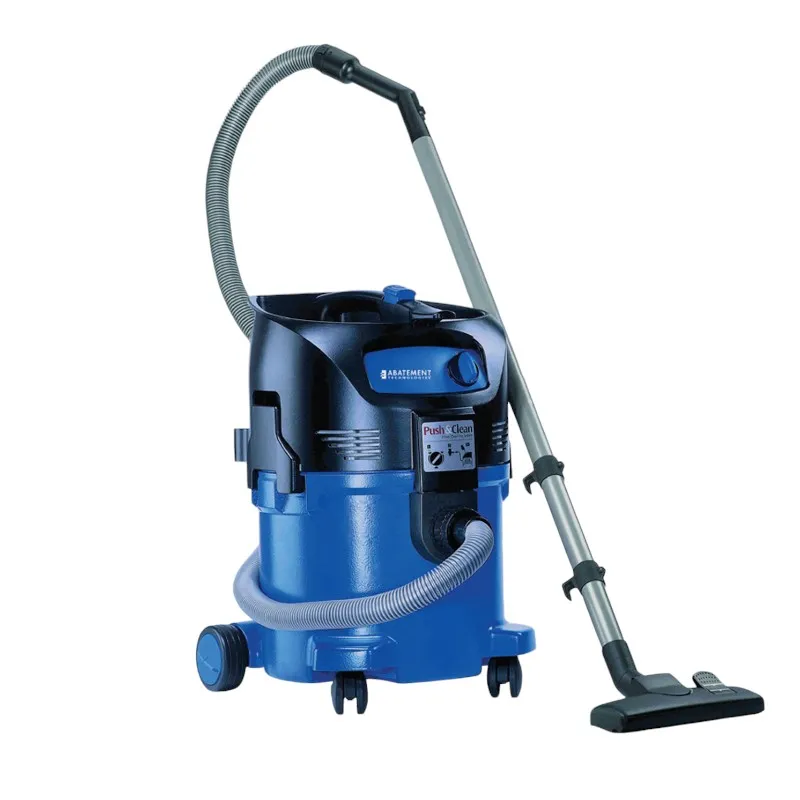
- Before steaming: Run a HEPA vacuum over tile floors to remove loose debris and grit. Vacuuming first stops the steamer from pushing dry particles deeper into grout lines.
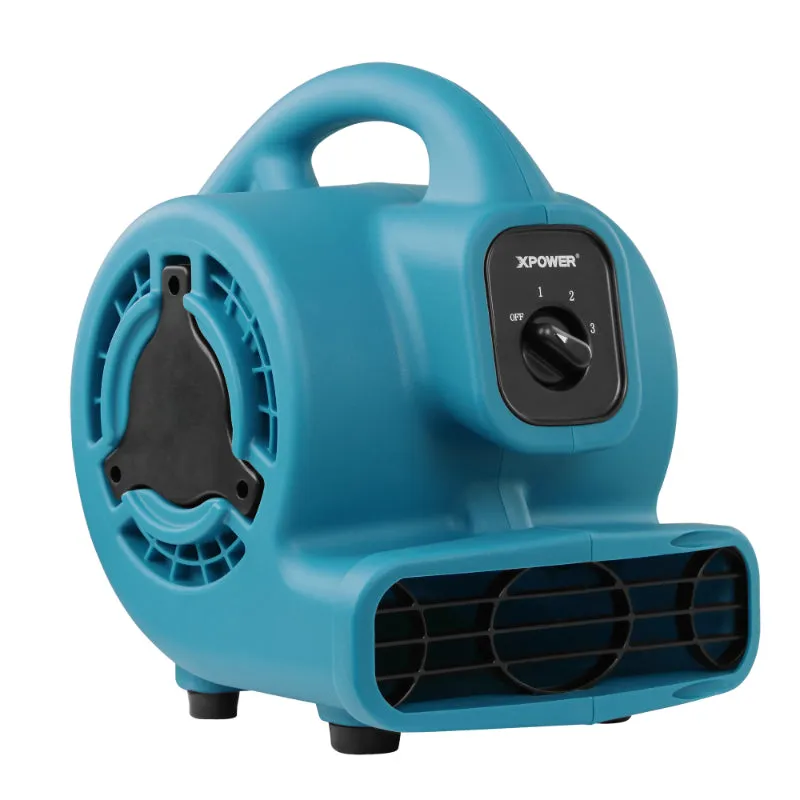
- After steaming: Use an air mover to speed up drying time, especially in enclosed spaces like showers and bathrooms where standing moisture encourages mold regrowth.
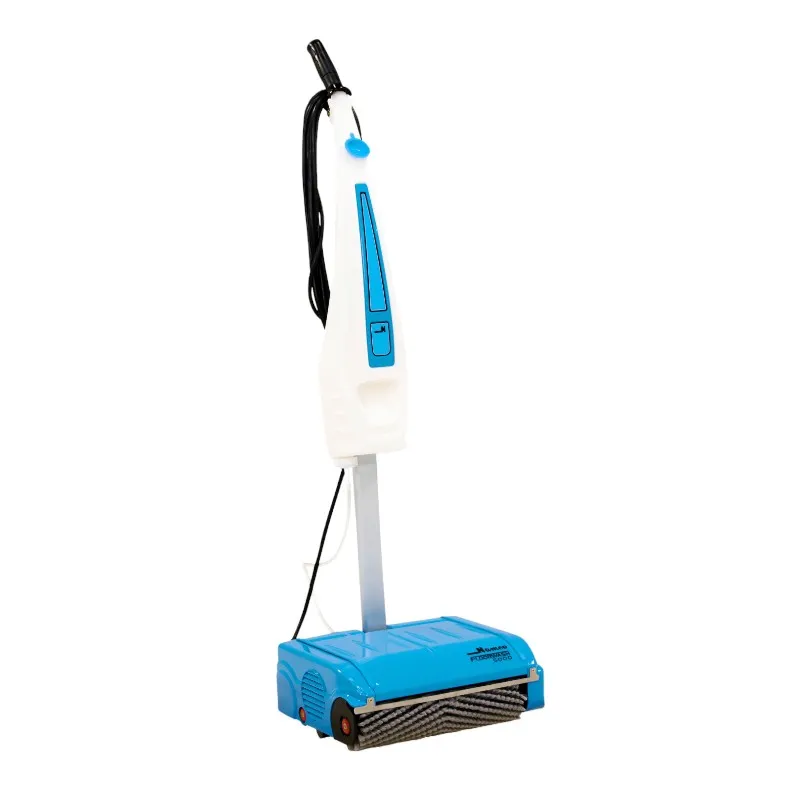
- Large tiled floors: A floor scrubber can follow up a steam pass on wide commercial tile floors to remove loosened residue efficiently across a big surface area.
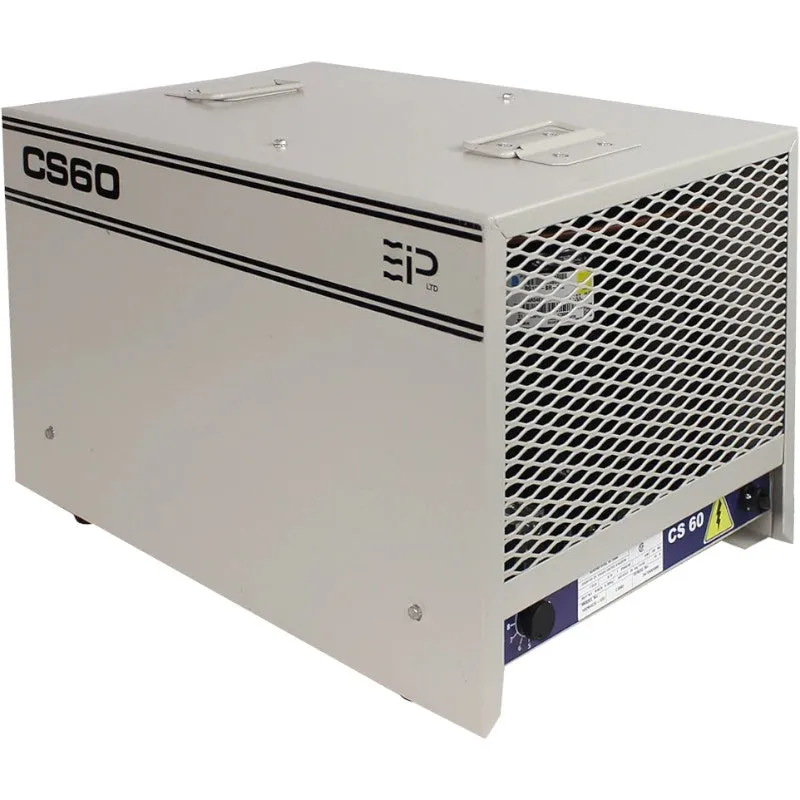
- Humidity control: In crawl spaces or poorly ventilated areas, a crawl space dehumidifier after a deep steam clean prevents the residual moisture from triggering mold issues.
This kind of layered approach is what separates professional grout steam cleaner results from a basic mop-and-bucket job.
Grout Steam Cleaner for Shower Tiles: Special Considerations
Showers are the most common use case and also the most demanding. Soap scum, hard water deposits, and mold all concentrate in shower grout, and the confined space means humidity lingers long after cleaning.
Things to keep in mind for shower grout specifically:
- Use a focused nozzle or dedicated grout brush rather than a wide-fan attachment to concentrate steam pressure in the narrow joint
- Work in small sections, top to bottom, so loosened grime does not re-settle on clean areas
- Ventilate immediately after cleaning; an air mover pointed at the shower opening cuts drying time significantly
- Seal grout within 48 hours of a deep steam clean while the pores are open and clean for maximum penetration
A grout steam cleaner for shower use does not need to be the largest or most powerful model on the market. Consistent steam temperature and the right brush attachment matter more than raw tank size for this specific application.
How to Get the Best Value When Buying
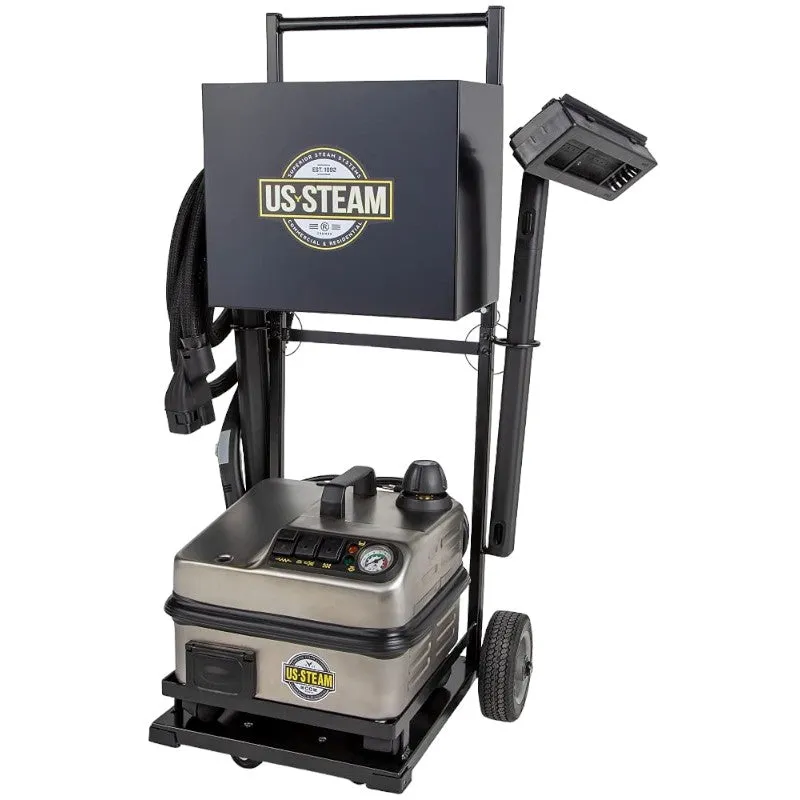
Commercial Cleaning Depot stocks a range of steam cleaning machines suited to both residential and commercial needs. Before you add anything to your cart, grab the sitewide discount code to make sure you are paying the lowest available price. The code applies across the full catalog, so if you are bundling a grout-focused unit with a HEPA vacuum or a floor cleaning machine for a larger project, the savings stack up across the whole order.
When reading grout steam cleaner reviews, focus on:
- Steam temperature and pressure ratings rather than tank size alone
- Included attachments, particularly narrow grout nozzles and stiff-bristle brush heads
- Heat-up time, which matters if you are cleaning in short windows throughout the day
- Weight and cord or tank configuration for maneuverability in tight spaces like shower enclosures
Questions
Can a handheld steam cleaner replace a dedicated grout steam cleaner?
For small areas like a single shower or bathroom, a handheld steam cleaner with the right nozzle attachment often performs well enough. For larger tiled areas or commercial spaces, a dedicated grout steam cleaner delivers more consistent pressure and longer run times.
Is grout steam cleaner rental worth it, or should I buy?
Rental makes sense for a single deep-clean project you will not repeat often. If you have multiple tiled areas or plan to clean more than twice a year, owning a unit is usually more cost-effective, especially with a sitewide discount applied at checkout.
What type of grout works best with a high pressure steam grout cleaner?
Sanded cement grout handles high-pressure steam well and benefits the most from the deep-penetrating heat. Unsanded or cracked grout needs a lower-pressure setting to avoid dislodging the joint material.
Do I need to vacuum before using a steam cleaner on grout?
Yes. Running a HEPA vacuum over the surface first removes loose grit and debris, which prevents the steam from pushing dry particles deeper into the grout lines and makes the overall clean more effective.
How do I prevent mold from returning after steam cleaning grout?
Dry the area thoroughly with an air mover immediately after cleaning, then apply a grout sealer within 48 hours. In poorly ventilated rooms, a dehumidifier helps keep humidity low enough to discourage mold regrowth between cleans.
What attachments should a good grout steam cleaner include?
Look for a narrow pointed nozzle to concentrate steam directly into grout lines, a stiff nylon or brass grout brush head, and ideally an extension wand for floor-level joints without kneeling. These attachments matter more than tank size for grout-specific results.
Products in this guide
 Shopping at Commercial Cleaning Depot? See the discount code
5% OFF Sitewide
Shopping at Commercial Cleaning Depot? See the discount code
5% OFF Sitewide
More in this series
How Long Do Commercial Floor Sanders Actually Last With Regular Use?24 Aug 20265 min What to Expect From a 3 Ton Heat Pump in a Large Commercial Space24 Aug 20265 minFloor Scrubber, Floor Buffer, or Floor Cleaning Machine: Understanding the Difference24 Aug 20264 minHow to Choose the Right HEPA Vacuum for Commercial Cleaning Jobs24 Aug 20264 min
 Crawl Space Dehumidifier vs. Air Mover: Which Tackles Moisture Problems Faster?24 Aug 20264 min