 A Commercial Cleaning Depot guide
Crawl Space Dehumidifier vs. Air Mover: Which Tackles Moisture Problems Faster?
A crawl space dehumidifier removes moisture at the source for lasting humidity control, while an air mover speeds up drying after water events — and knowing which to use (or combine) saves you time and money.
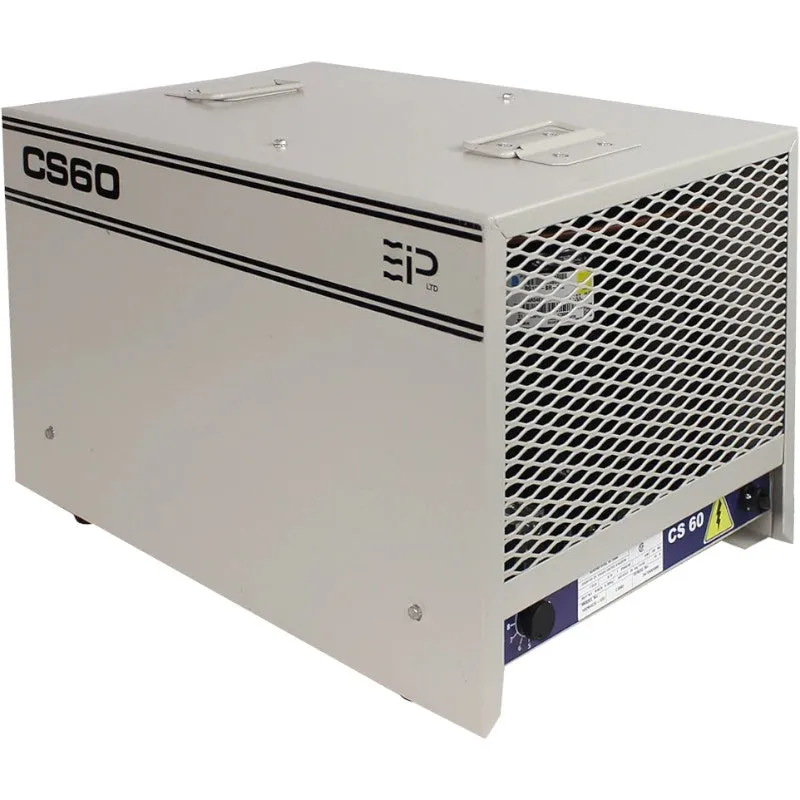
A crawl space dehumidifier is the most reliable long-term solution for persistent moisture problems under your home, while an air mover wins when you need rapid surface drying after a flood or leak. Understanding what each machine actually does (and when to use them together) is how you protect your subfloor, joists, and indoor air quality for good.
What a Crawl Space Dehumidifier Actually Does
A dehumidifier pulls humid air through a refrigerated coil, condenses the moisture out of it, and exhausts drier air back into the space. Run continuously, it keeps relative humidity in a target range (typically 50% or below) that discourages mold, wood rot, and dust mites.
Key advantages:
- Works 24/7 without supervision once set to a target humidity level
- Addresses the root cause of moisture rather than just moving it around
- Protects structural wood, insulation, and anything stored in the crawl space
- Many commercial-grade units drain automatically so you never empty a bucket
For a professional overview of how these units are specced and installed, Crawl Space Brothers’ installation guide is a solid primer before you buy.
What an Air Mover Does
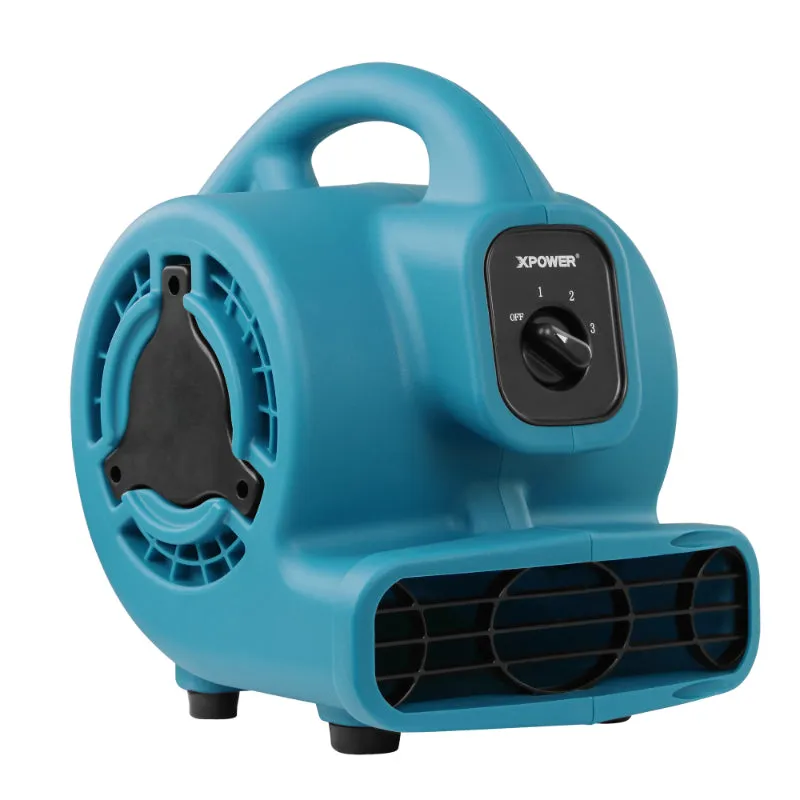
An air mover is a high-velocity axial or centrifugal fan designed to create a fast-moving blanket of air across wet surfaces. It accelerates evaporation, but it moves moisture into the air rather than removing it from the air.
Key advantages:
- Dramatically cuts drying time after a pipe burst, flood, or heavy rain intrusion
- Lightweight and portable; you can reposition it in minutes
- Works well on subfloors, concrete, and exposed framing right after a water event
- Often used alongside a dehumidifier on restoration jobs for exactly this reason
The limitation: once the air mover has evaporated surface water, that humidity has to go somewhere. Without a dehumidifier running at the same time, relative humidity in the crawl space climbs, which can cause secondary moisture damage to adjacent materials.
Head-to-Head Comparison
| Feature | Crawl Space Dehumidifier | Air Mover |
|---|---|---|
| Primary job | Extract humidity from the air | Accelerate surface evaporation |
| Best scenario | Ongoing moisture management | Post-flood emergency drying |
| Typical runtime | Continuous (weeks, months) | Hours to a few days |
| Drains water | Yes (bucket or auto-drain) | No, pushes moisture into air |
| Coverage | Sized by square footage | Positioned per wet zone |
For a space around 1,500 square feet, you generally need a unit rated for that footprint or slightly above. Oversizing is almost always better than undersizing in a crawl space because the space is sealed and humidity can concentrate quickly. Clean Air Pick’s buyer guide breaks down capacity ratings clearly if you want to dig into the numbers before purchasing.
Which Is Faster?
Speed depends entirely on what you mean by “faster.”
- For emergency drying after a water intrusion: an air mover is faster. It can cut surface drying time by more than half compared to passive airflow alone.
- For returning humidity to a safe, stable level: a crawl space dehumidifier is faster and the only tool that actually accomplishes this. An air mover alone cannot lower relative humidity, it raises it temporarily before conditions normalize.
- For the fastest overall restoration: run both simultaneously. The air mover evaporates standing water from surfaces; the dehumidifier captures that airborne moisture and removes it from the space entirely.
Professional water damage crews almost always deploy both in tandem, and that approach translates directly to DIY crawl space work.
Sizing a Crawl Space Dehumidifier for Your Home
Getting capacity right matters more than brand. Here is a simple framework:
- Under 1,000 sq ft: a 70-pint residential unit can work, but a commercial-grade unit gives more headroom
- 1,000 to 1,500 sq ft: look for units rated specifically as a crawl space dehumidifier for 1,500 square feet, which account for limited airflow and higher humidity loads
- Over 1,500 sq ft: commercial units with higher pint-per-day ratings and auto-drain are the practical choice
Crawl spaces run warmer and more humid than living areas, so a unit rated for a basement will often underperform in a sealed crawl. Always check the manufacturer’s specs at the actual operating temperature and humidity, not just the rated maximum.
You can check the latest pricing and grab the current discount code before you order so you do not miss the 5% sitewide savings.
The Right Supporting Equipment
Moisture problems rarely stop at the dehumidifier. Once your crawl space is dry, a few other tools help you keep the rest of your home clean and protected:
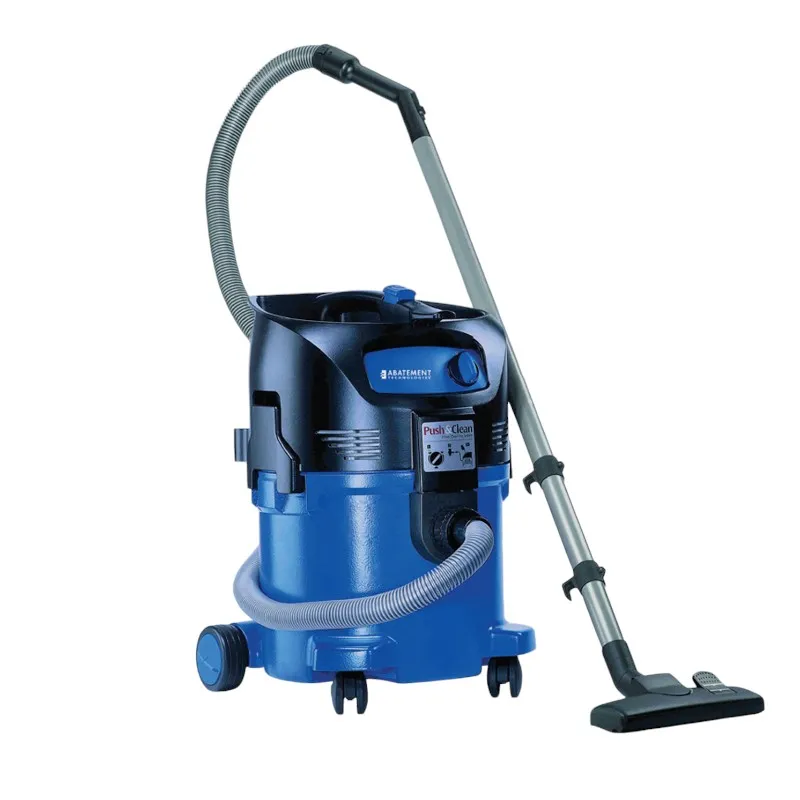
- A hepa vacuum is essential after any mold remediation in a crawl space, standard vacuums just recirculate spores
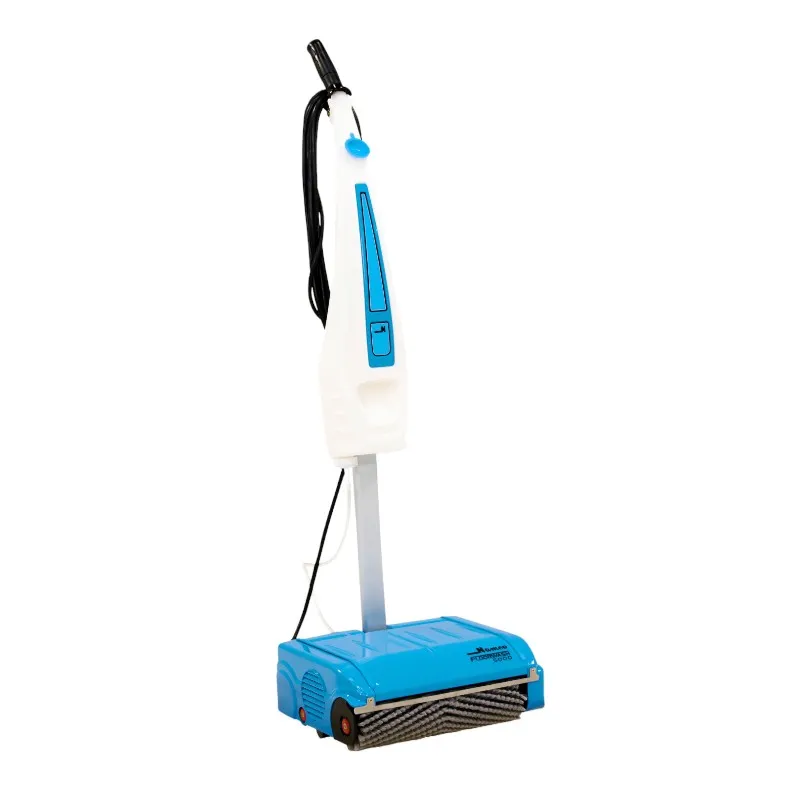
- If water tracked onto hard floors above, a floor scrubber or floor cleaning machine handles residual grime fast
- A handheld steam cleaner works well on tile, vents, and smaller surfaces where moisture lingered
These tools pair naturally with a post-remediation cleanup, especially if contractors were in and out of the crawl space during the drying process.
Who Should Buy Each Tool
Buy a crawl space dehumidifier if:
- Your crawl space consistently reads above 60% relative humidity
- You have had mold, musty odors, or wood rot previously
- You live in a humid climate or a region with a high water table
- You want a set-it-and-monitor-it solution
Buy or rent an air mover if:
- You had a one-time water event and need to dry things out quickly
- You are doing a crawl space renovation and need materials dry before closing up
- You already run a dehumidifier and want to speed up recovery after a wet spell
Buy both if:
- You are doing a full moisture remediation
- You manage rental properties or commercial buildings where downtime costs money
- You want the fastest possible return to safe humidity levels
If you are ready to shop, check what is currently on sale at Commercial Cleaning Depot: the 5% sitewide code applies to both dehumidifiers and air movers, so it is worth checking before you add anything to your cart.
Questions
Can a crawl space dehumidifier run year-round, or only in summer?
Most crawl space dehumidifiers are designed for continuous year-round operation because ground moisture and humidity can be elevated in any season, especially in climates with wet winters. Check your unit's minimum operating temperature, as some models shut off in very cold conditions, which is where a low-temp or winter-rated model matters.
What size crawl space dehumidifier do I need for 1,500 square feet?
For a sealed crawl space around 1,500 square feet, look for a commercial-grade unit with a daily pint removal rating sized for high-humidity environments, not just the square footage label. Crawl spaces hold heat and moisture more aggressively than basements, so matching or slightly exceeding the rated coverage for your footprint is the safer choice.
Is a crawl space dehumidifier rental a good idea, or should I just buy one?
Rental makes sense for a one-time drying event after a flood, but if your crawl space has chronic humidity issues, buying is more cost-effective within the first few months of use. Continuous rentals add up quickly, and a purchased unit protects your home's structure and air quality on an ongoing basis.
Can I use an air mover instead of a dehumidifier to dry my crawl space?
An air mover accelerates evaporation from wet surfaces but pushes that moisture into the surrounding air rather than removing it. Without a dehumidifier capturing that airborne humidity, the crawl space can stay at elevated relative humidity even after surfaces feel dry, which still allows mold to develop.
Do I need a HEPA vacuum after using a dehumidifier in a crawl space with mold?
Yes, if mold was present, a HEPA vacuum is essential for cleanup because standard vacuums exhaust fine spores back into the air. A dehumidifier controls the moisture that feeds mold, but physical removal of mold spores and debris requires proper filtration during vacuuming.
How do I know when my crawl space dehumidifier is working correctly?
The clearest indicator is a consistent drop in relative humidity readings, ideally to 50% or below, within the first few days of operation. Most commercial units have a built-in humidistat you can monitor; if humidity is not falling despite the unit running, check for air leaks, an undersized unit, or a drain line issue.
Products in this guide
 Shopping at Commercial Cleaning Depot? See the discount code
5% OFF Sitewide
Shopping at Commercial Cleaning Depot? See the discount code
5% OFF Sitewide
More in this series
How Long Do Commercial Floor Sanders Actually Last With Regular Use?24 Aug 20265 min Grout Steam Cleaner Buying Guide: Do You Really Need a Dedicated Machine?24 Aug 20264 min
 What to Expect From a 3 Ton Heat Pump in a Large Commercial Space24 Aug 20265 minFloor Scrubber, Floor Buffer, or Floor Cleaning Machine: Understanding the Difference24 Aug 20264 minHow to Choose the Right HEPA Vacuum for Commercial Cleaning Jobs24 Aug 20264 min