 A Commercial Cleaning Depot guide
How to Choose the Right HEPA Vacuum for Commercial Cleaning Jobs
A commercial-grade hepa vacuum is one of the most important investments a cleaning crew can make, and choosing the wrong one costs you time, compliance headaches, and repeat callbacks.
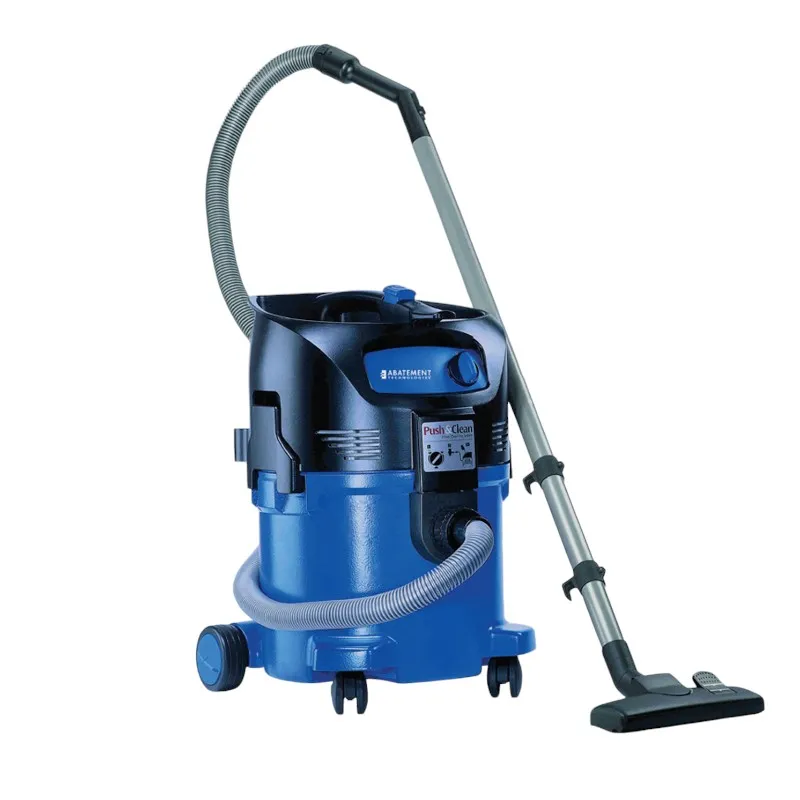
A commercial-grade hepa vacuum is the backbone of any serious cleaning operation, capturing 99.97% of particles down to 0.3 microns so contaminants stay trapped instead of recirculating into the air. Whether your crew handles post-construction debris, mold remediation, or daily facility maintenance, the machine you pick determines both air quality outcomes and job efficiency. This guide walks through every factor that matters before you buy.
Why a HEPA Vacuum Matters on Commercial Jobs
Standard shop vacs and consumer uprights exhaust fine dust, allergens, and mold spores right back into the space you just cleaned. A true HEPA vacuum uses a sealed filtration system rated to HEPA standards so that nothing escapes through gaskets, seams, or the exhaust port. On commercial sites this distinction is not optional; OSHA and EPA guidelines for silica dust and mold remediation explicitly require HEPA-filtered equipment.
Key reasons commercial crews upgrade to a HEPA unit:
- Regulatory compliance on construction and remediation jobs
- Reduced liability when handling hazardous particulates
- Cleaner air quality scores on post-clean inspections
- Fewer callbacks caused by resettled fine dust
Backpack vs. Canister vs. Upright: Which Format Fits Your Jobs?
The physical format of a hepa vacuum commercial unit shapes how fast your team works and how tired they are at the end of a shift.
| Format | Best For | Mobility | Filter Access |
|---|---|---|---|
| Backpack | Large floor areas, stairs, offices | Excellent | Moderate |
| Canister | Tight spaces, detail work, mold jobs | Good | Easy |
| Upright | Carpeted facilities, hotels | Moderate | Easy |
A hepa vacuum backpack style is the top pick for high-volume facility cleaning because it keeps the machine off the floor and frees both hands. Canisters dominate mold remediation because they accept large-capacity bags and are easier to seal before disposal. Uprights work well in hotels and schools where carpet coverage speed matters most.
Choosing a HEPA Vacuum for Mold and Remediation Work
Mold remediation is one of the strictest use cases for a hepa vacuum for mold. The machine must maintain negative pressure internally, accept disposable HEPA filter bags, and seal completely when the bag is removed. Look for these specs:
- True sealed HEPA filtration (not just a HEPA-style filter)
- Anti-static hose to prevent mold spore release during handling
- One-touch bag removal so spores are not disturbed at disposal
- ULPA option if the job spec calls for 99.999% filtration
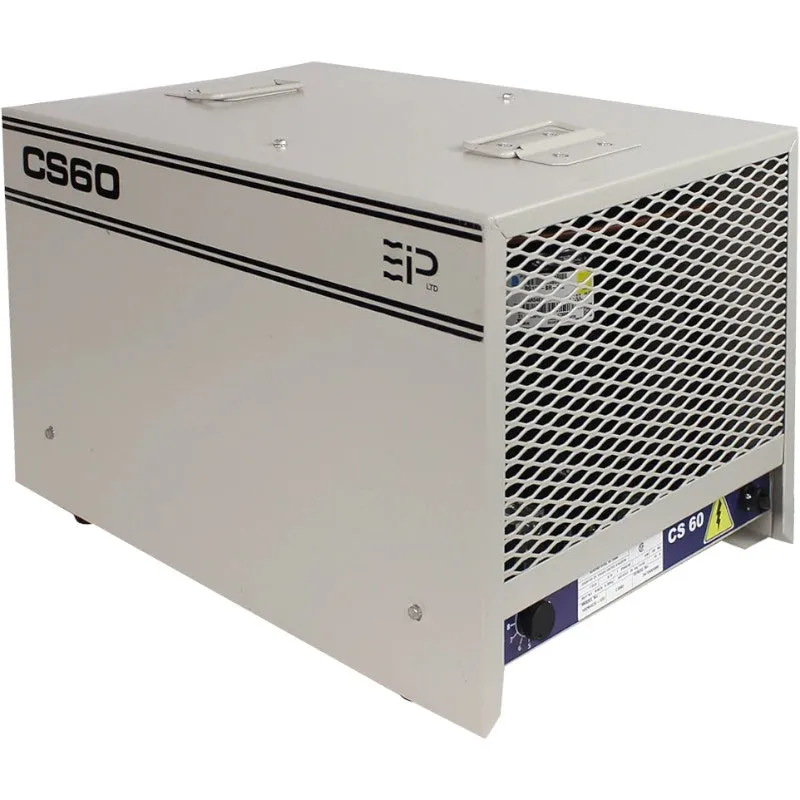
After a mold job, pair the vacuum with a crawl space dehumidifier to control residual moisture and stop regrowth before it starts. Damp surfaces and high humidity are the two fastest ways to undo a clean remediation.
For more guidance on whether a specific filtration rating is right for your application, this independent breakdown from RTINGS compares real-world filter performance across commercial-grade models.
Matching the Vacuum to Your Full Cleaning Stack
A hepa vacuum rarely works alone. Commercial jobs typically involve a coordinated set of machines, and knowing how they fit together prevents bottlenecks.
Post-construction sequence:
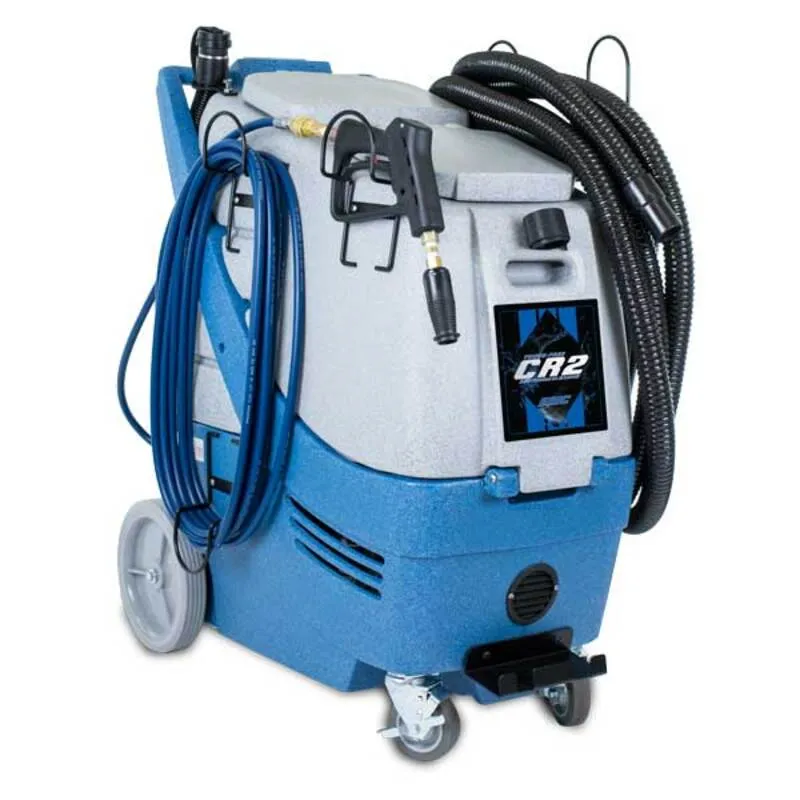
- Rough debris removal with a floor cleaning machine
- Fine dust pickup with the HEPA vacuum
- Hard floor finishing with a floor scrubber or floor buffer
- Accelerated drying with an air mover
Carpet and upholstery sequence:
- HEPA vacuum pass to lift dry soil
- Deep extraction with a carpet steam cleaner or steam carpet cleaner
- Fast drying with an air mover to prevent mold growth
Tile and grout jobs:
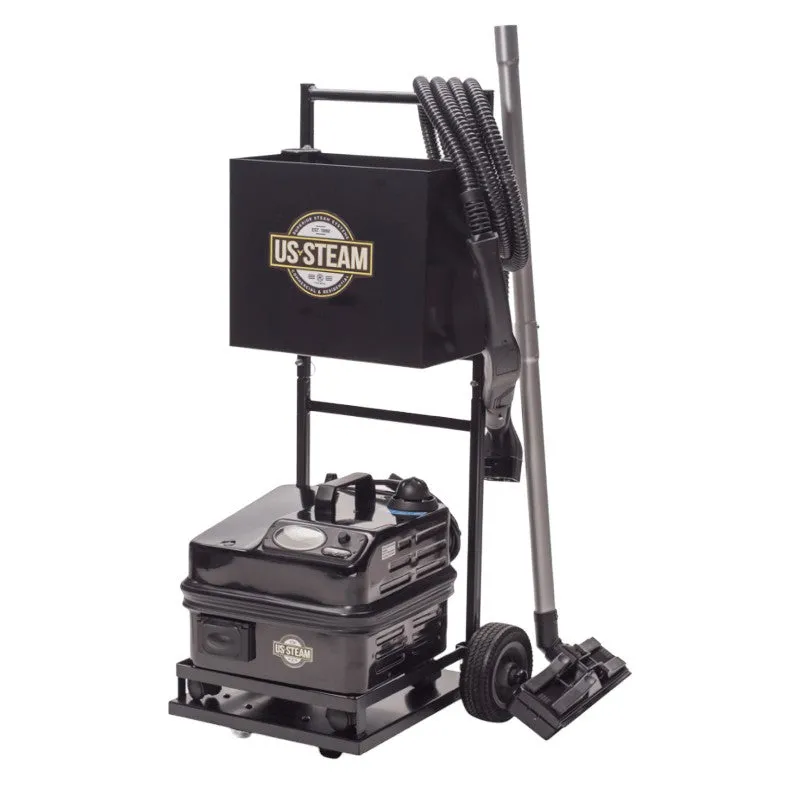
- HEPA vacuum to remove loose grit that would scratch surfaces
- Steam treatment with a grout steam cleaner or handheld steam cleaner
- HEPA vacuum pass to collect loosened debris
Sequencing the vacuum before wet processes protects your steam equipment from clogging and extends machine life across the board.
Hepa Vacuum Construction Use: What the Job Site Demands
Hepa vacuum construction environments are the harshest duty cycle any vacuum will face. Concrete dust, silica, drywall compound, and wood particulates all combine in high volumes and can destroy an underpowered machine within a single shift. Prioritize:
- Motor wattage above 1,200W for sustained suction under heavy loads
- Large-capacity drum (15 gallons or more) to reduce bag changes mid-job
- Wet/dry capability if the site involves water intrusion cleanup
- Reinforced hose and couplings rated for abrasive materials
- Tool-triggered auto-start so the vacuum activates the moment a sander or grinder does
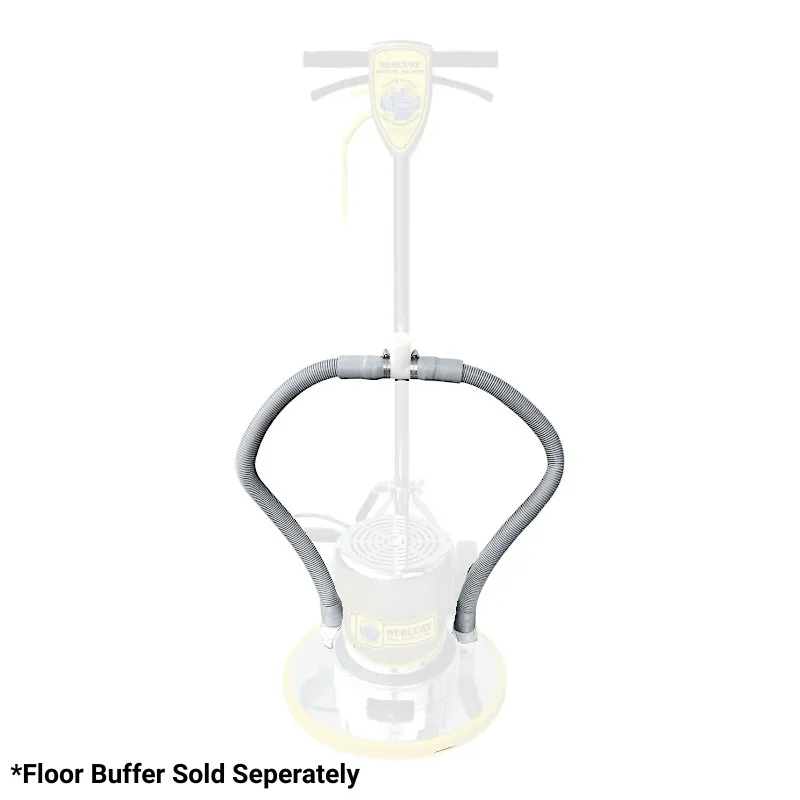
If the job involves surface prep before coating, integrate a floor sander with tool-triggered auto-start directly into your HEPA vacuum so dust capture happens at the source rather than after it has spread across the site.
What to Look for in Filters, Bags, and Ongoing Costs
Filter and bag replacement costs often exceed the machine’s purchase price within the first year on a busy crew. Before buying, confirm:
- OEM bag availability and price per unit (proprietary bags can be expensive)
- Filter change intervals under your actual load conditions
- Whether the pre-filter is washable to extend HEPA filter life
- Warranty coverage on the motor and the filter housing seal
Running a vacuum past its filter change interval on a hepa vacuum commercial job defeats the purpose entirely. A clogged HEPA filter reduces suction and can force air around the filter media rather than through it.
Where to Buy and How to Save
Commercial Cleaning Depot carries a curated selection of professional-grade equipment built for exactly these job types. You can check the latest pricing and grab our 5% sitewide discount code before you order. If you are comparing multiple machines or building out a full cleaning stack, that saving adds up quickly across the cart.
If you are still early in your research and weighing whether a sealed HEPA system is truly necessary for your specific application, this Wirecutter overview on HEPA filtration needs gives an honest, independent perspective worth reading before committing.
Once you have settled on the right unit, head back to our discount code page to make sure you are getting the best available price on your order.
Questions
What makes a hepa vacuum different from a regular commercial vacuum?
A true HEPA vacuum uses a fully sealed filtration system that traps 99.97% of particles at 0.3 microns, including fine dust, mold spores, and silica. A regular commercial vacuum may have strong suction but exhausts fine particulates back into the air through gaps in its housing or a non-HEPA filter.
Is a HEPA vacuum required for mold remediation jobs?
Most mold remediation standards and contractor guidelines require HEPA-filtered vacuums as part of the containment and cleanup process. Using a standard vacuum on a mold job risks spreading spores to clean areas and can create liability issues with clients and inspectors.
Can I use a hepa vacuum backpack on construction sites?
Yes, but confirm the model is rated for fine dust like silica and that it accepts disposable HEPA bags rather than relying solely on a reusable filter. Some backpack models are designed for lighter facility cleaning and may not hold up under heavy construction debris volumes.
How often should I replace the HEPA filter on a commercial unit?
Replacement intervals depend on the job type and hours of use, but most manufacturers recommend inspection after every major job and full replacement at the interval listed in the manual. Running a clogged filter reduces suction and can allow air to bypass the filter media entirely.
Should I pair my HEPA vacuum with other equipment for post-flood or water damage jobs?
Yes. After water extraction, an air mover speeds evaporation and a crawl space dehumidifier controls moisture levels to prevent mold growth. The HEPA vacuum handles fine debris and any residual mold spores once the space is dry enough to work in safely.
Does Commercial Cleaning Depot offer a discount on HEPA vacuums?
Yes, there is a sitewide discount available through our coupon page. Visit our Commercial Cleaning Depot discount code page to get the current code before you check out.
Products in this guide
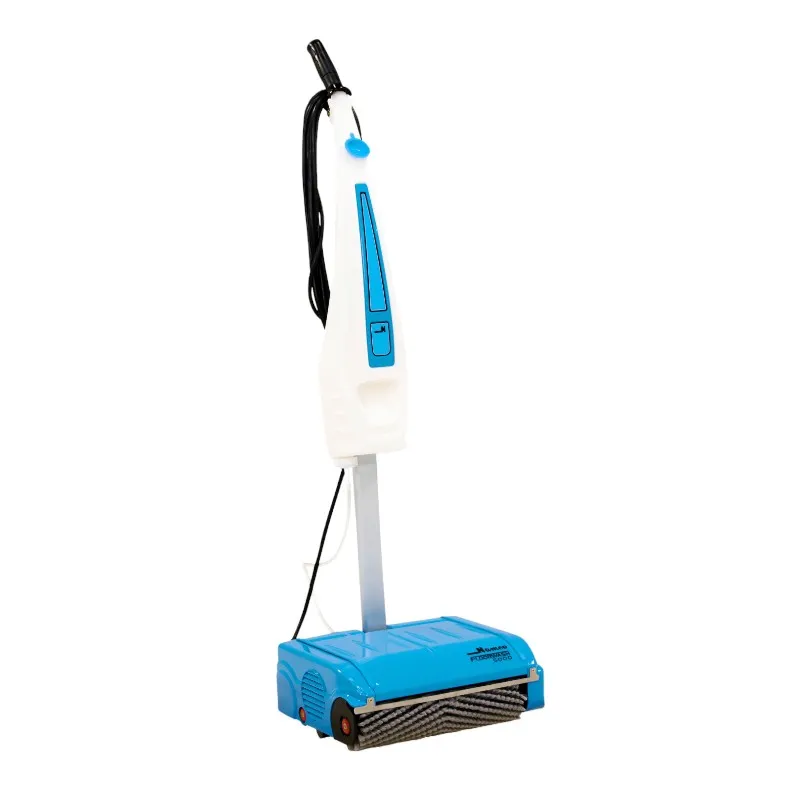
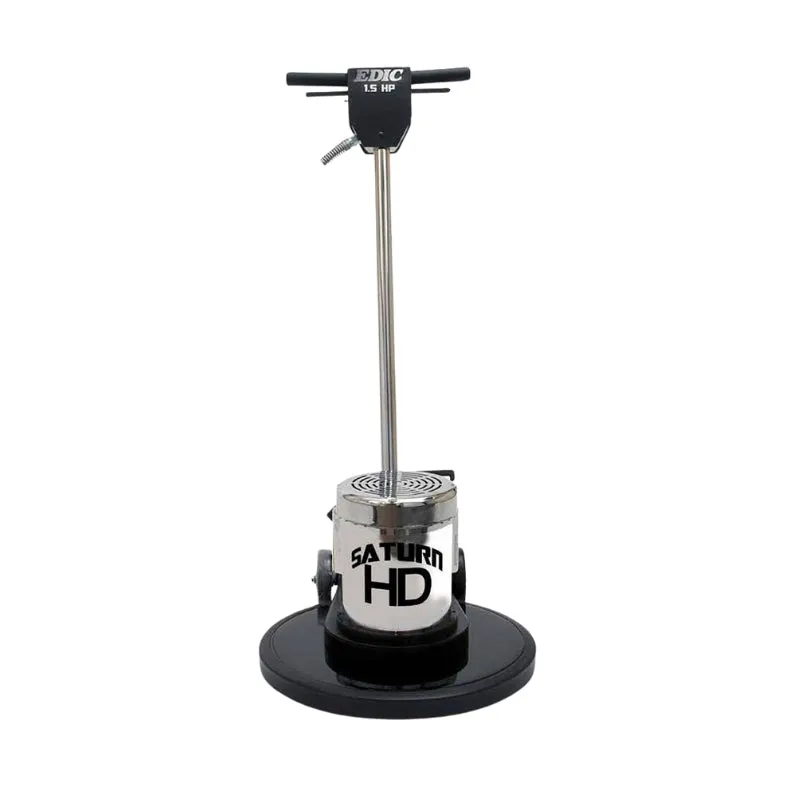
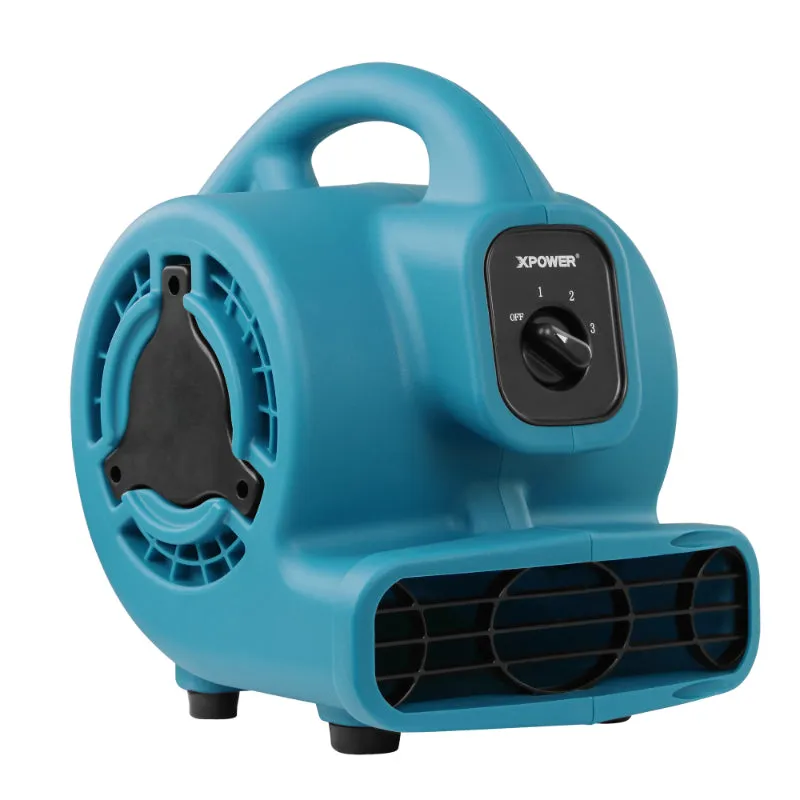
 Shopping at Commercial Cleaning Depot? See the discount code
5% OFF Sitewide
Shopping at Commercial Cleaning Depot? See the discount code
5% OFF Sitewide
More in this series
How Long Do Commercial Floor Sanders Actually Last With Regular Use?24 Aug 20265 minGrout Steam Cleaner Buying Guide: Do You Really Need a Dedicated Machine?24 Aug 20264 min What to Expect From a 3 Ton Heat Pump in a Large Commercial Space24 Aug 20265 minFloor Scrubber, Floor Buffer, or Floor Cleaning Machine: Understanding the Difference24 Aug 20264 minCrawl Space Dehumidifier vs. Air Mover: Which Tackles Moisture Problems Faster?24 Aug 20264 min