 A Commercial Cleaning Depot guide
What to Expect From a 3 Ton Heat Pump in a Large Commercial Space
A 3 ton heat pump is one of the most capable mid-range HVAC options for large commercial spaces, delivering reliable heating and cooling across up to 1,800 square feet when properly sized and maintained.
A 3 ton heat pump is one of the most capable mid-range HVAC solutions for large commercial spaces, moving 36,000 BTUs per hour to heat or cool areas that smaller units simply cannot handle. Whether you are managing a retail floor, a multi-room office suite, or a warehouse breakroom, understanding what this system delivers helps you avoid undersizing or overspending. This guide walks you through what to realistically expect from sizing and efficiency to the cleaning routine that keeps performance up.
What a 3 Ton Heat Pump Actually Covers
Capacity is the starting point for any honest evaluation. A 3 ton heat pump is rated to condition roughly 1,500 to 1,800 square feet under standard load conditions, though commercial spaces often require adjustment for ceiling height, insulation quality, and occupancy density.
- High ceilings: Warehouses and open-plan offices with ceilings above 10 feet carry a higher thermal load, so effective coverage can drop to 1,200 square feet or less.
- Sun exposure: South- and west-facing glass walls dramatically increase cooling demand in summer, shrinking the comfortable coverage zone.
- Occupancy heat: Dense occupancy in conference rooms or retail checkout areas adds sensible heat that the unit must offset.
- Climate zone: In colder climates, supplemental heat strips may be needed when outdoor temps fall below the unit’s rated balance point.
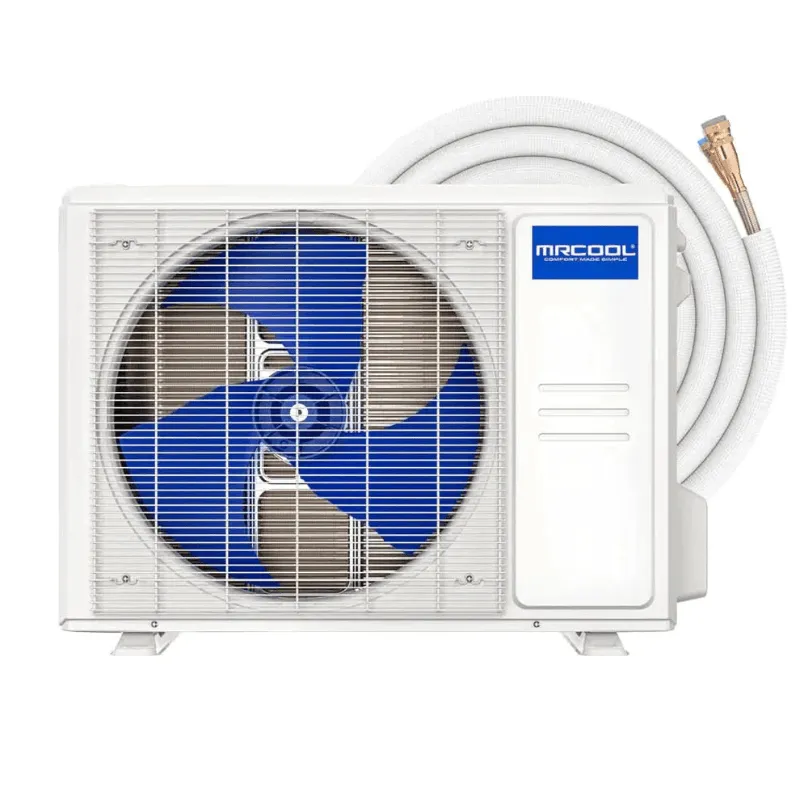
For spaces that are slightly smaller or for operators comparing options, air conditioning units 2 ton can be the right fit and typically cost less to run in genuinely smaller footprints.
Choosing the Right System Configuration
The two most common configurations are the 3 ton heat pump split system and the 3 ton heat pump package unit. Knowing the difference saves costly installation mistakes.
| Configuration | Best For | Key Advantage |
|---|---|---|
| Split system | Buildings with indoor mechanical rooms | Quieter indoor operation |
| Package unit | Rooftop or slab-mounted installs | Single outdoor cabinet, easier access |
| Mini-split (ductless) | Server rooms or retrofit spaces | Zone-level control, no duct runs |
A 3 ton heat pump split system routes refrigerant between a dedicated outdoor condenser and an indoor air handler, giving you more flexibility in equipment placement. A package unit consolidates everything outside, which many commercial facility managers prefer for rooftop installs where floor space is at a premium.
Most current models use R-410A refrigerant. If you are evaluating a 3 ton heat pump 410A system, note that R-410A phase-down regulations are changing the market, so verify refrigerant compatibility and long-term parts availability before purchasing. Consumer Reports’ lab-tested heat pump findings are a useful reference when comparing brands like Goodman and Trane on efficiency scores and reliability ratings.
Efficiency Ratings and What to Expect on Your Energy Bill
The efficiency of a 3 ton heat pump is expressed in SEER2 (cooling) and HSPF2 (heating) ratings under the updated DOE testing standard.
- Higher SEER2 scores mean lower summer operating costs but typically a higher upfront price.
- HSPF2 measures heating efficiency; look for a minimum of 7.5 HSPF2 for commercial applications in mixed climates.
- Variable-speed compressor models maintain comfort more consistently and use less energy at part load than single-stage units.
- Demand charges on commercial utility bills mean that peak-draw reduction from a variable-speed unit can be as significant as the efficiency rating itself.
Check the latest pricing and our discount code before you buy, as promotional pricing can meaningfully close the gap between standard and high-efficiency tiers.
Managing Humidity in Commercial Spaces
A heat pump moves moisture out of the air during cooling mode, but it cannot do the same job during mild weather when the compressor cycles infrequently. In commercial spaces with concrete subfloors, crawl spaces, or below-grade storage, residual humidity becomes a persistent problem.
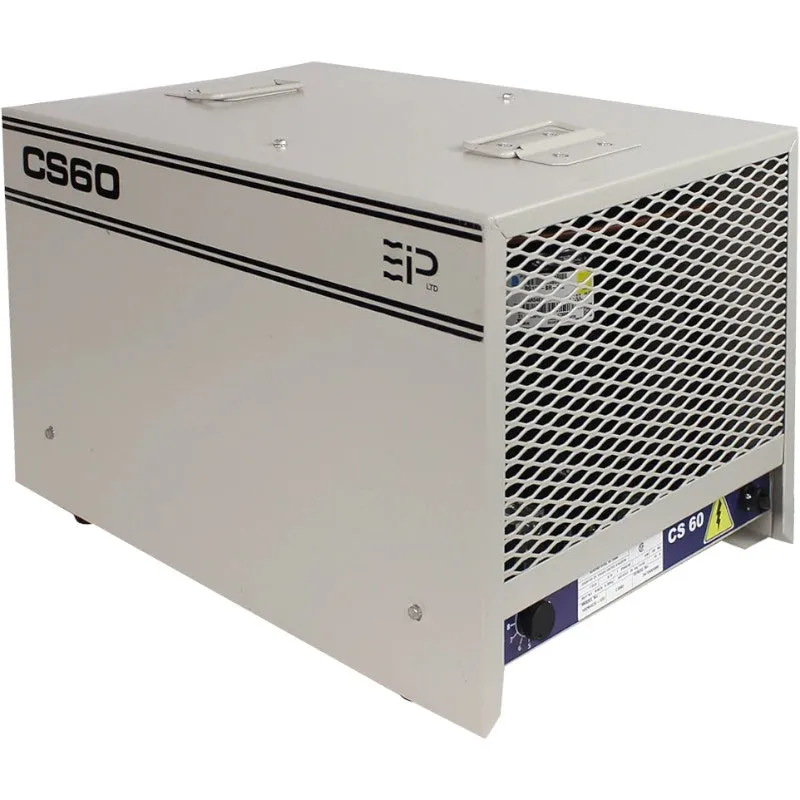
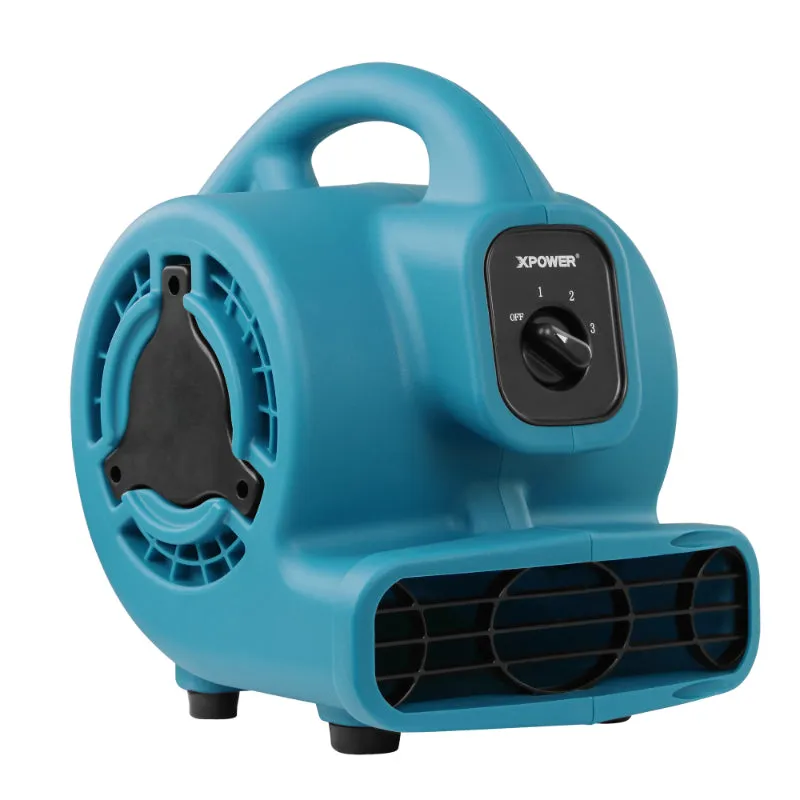
A dedicated crawl space dehumidifier handles the moisture that your heat pump leaves behind during shoulder seasons, protecting flooring, equipment, and air quality. Pairing it with an air mover accelerates drying after deep cleans or flooding events, which is especially important in facilities with large commercial floor areas.
The Cleaning Routine That Protects Your HVAC Investment
An HVAC system performs only as well as the environment it conditions. Dust, grease, and debris on floors and surfaces re-enter the air stream and clog filters and coils faster than manufacturers anticipate in their maintenance schedules.
Floor maintenance tools that matter most:
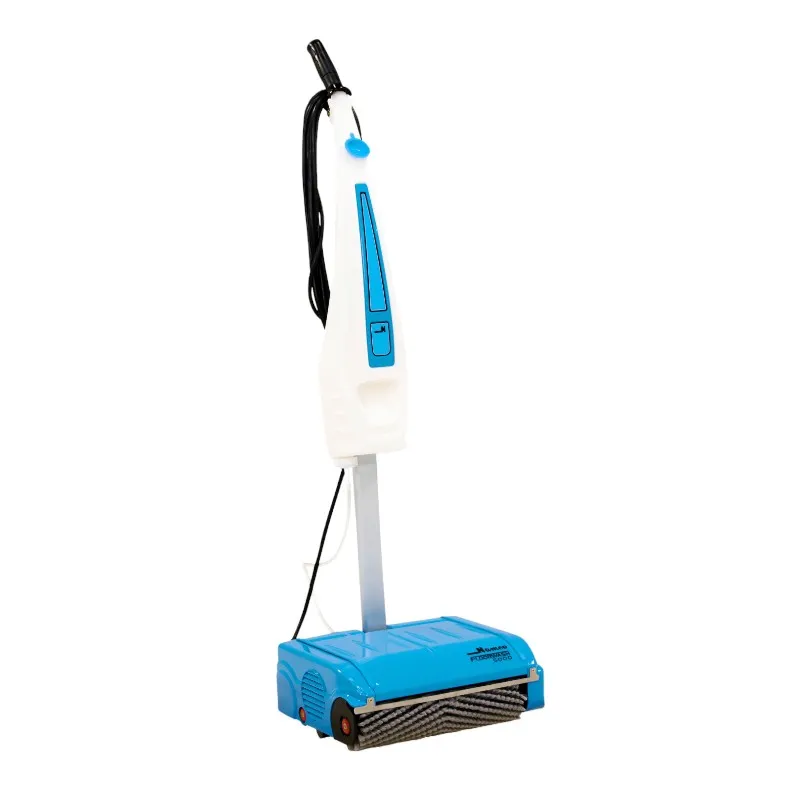
- A floor scrubber removes the embedded soil that standard mopping misses on commercial tile and sealed concrete, reducing airborne particulate load.
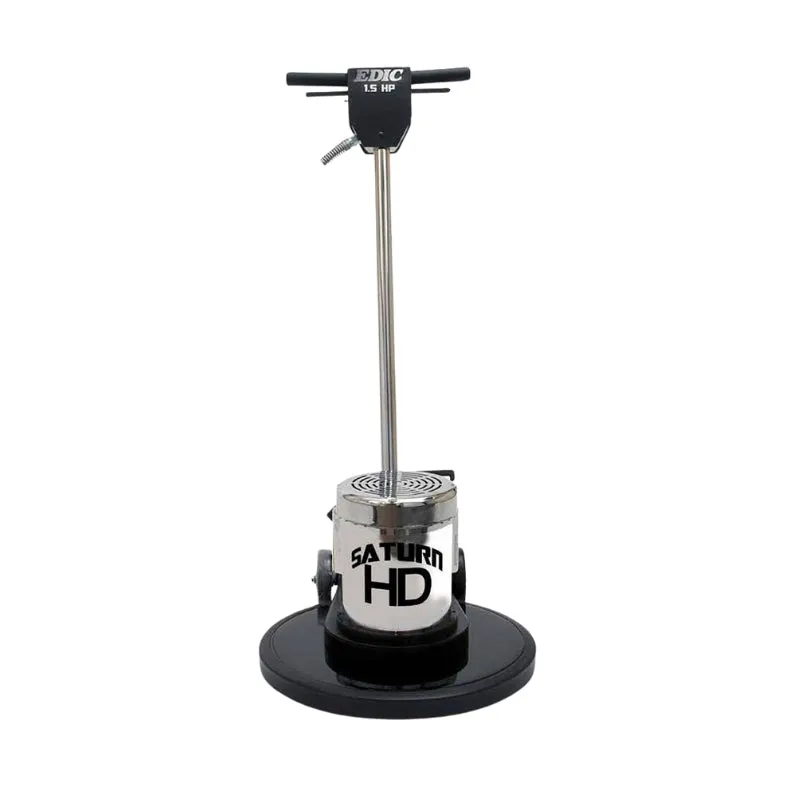
- A floor buffer restores and maintains surface coatings, which actually trap dust rather than letting it circulate.
- A floor cleaning machine handles large square footage efficiently, so regular cleaning stays practical rather than aspirational.
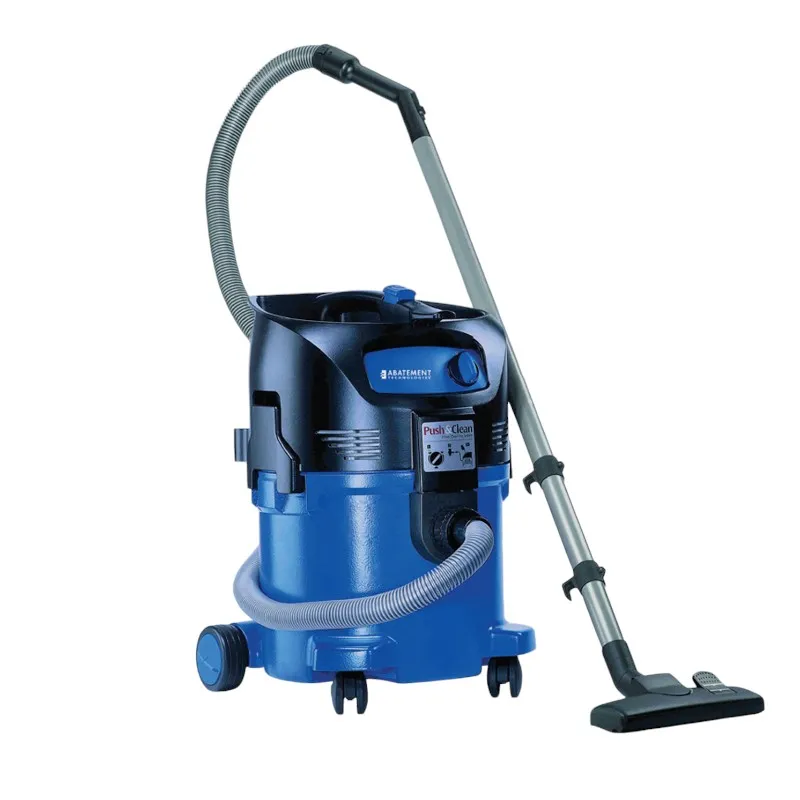
- A hepa vacuum captures fine particles at the filter level instead of redistributing them into the air column your heat pump is trying to condition.
Grout lines and steam cleaning:
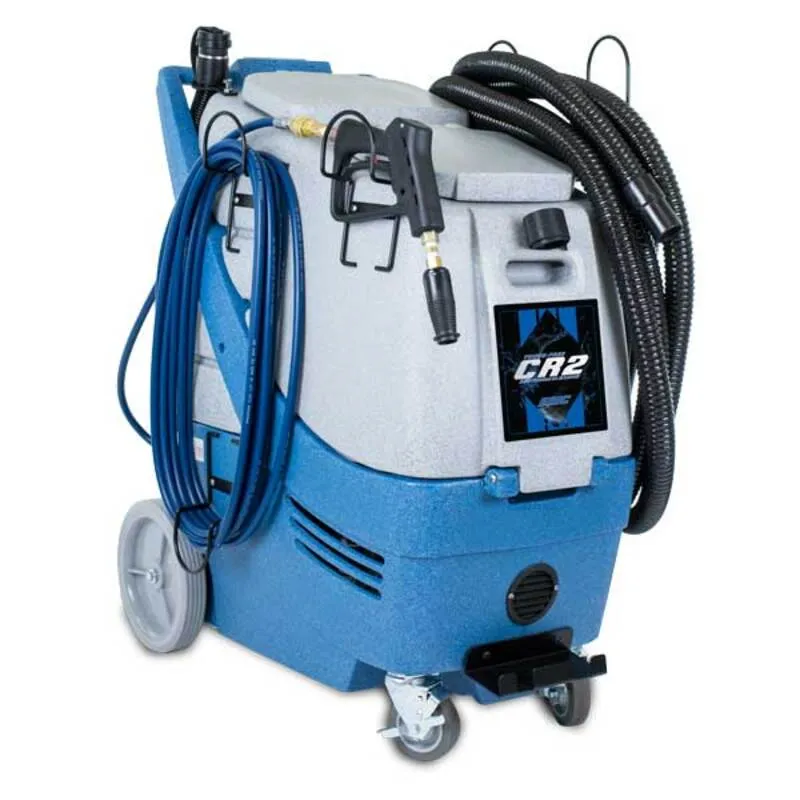
Commercial tile grout holds bacteria and fine debris that standard mopping does not reach. A grout steam cleaner loosens and lifts this buildup without chemical residue, improving indoor air quality measurably. The same principle applies to upholstered seating areas, where a carpet steam cleaner or steam carpet cleaner reduces the allergen load your HVAC filters must capture.
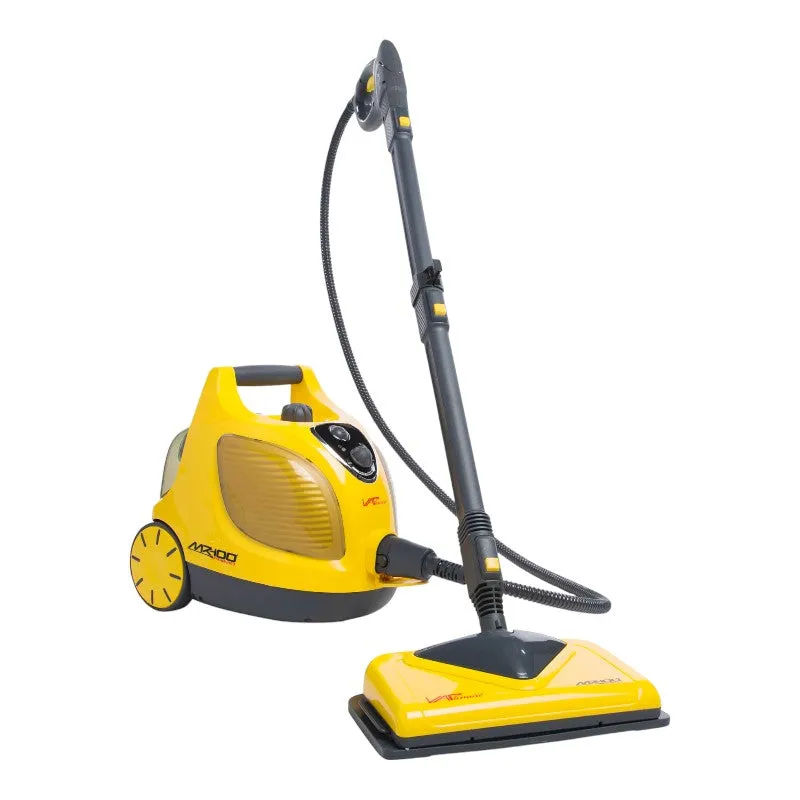
For spot cleaning around equipment, vents, and hard-to-reach corners, a handheld steam cleaner is the fastest option without moving heavy equipment.
Installation and Ongoing Maintenance Expectations
Installing a 3 ton heat pump in a commercial setting involves more than swapping equipment. Plan for:
- Load calculation: A Manual J or equivalent calculation by a licensed HVAC contractor, not a rule-of-thumb estimate.
- Electrical service: Most 3-ton units require a dedicated 240V circuit with appropriate breaker sizing; verify your panel capacity first.
- Ductwork inspection: Leaky ducts can waste 20-30% of conditioned air before it reaches the space.
- Filter schedule: Commercial environments typically require filter checks every 30 days rather than the 90-day residential standard.
- Coil cleaning: Schedule professional coil cleaning at least once per year; dirty coils can reduce efficiency significantly.
You can grab the code at our coupon page to save on the cleaning equipment that supports a consistent maintenance routine.
Who Benefits Most From a 3 Ton Unit
Not every commercial space needs this capacity, and not every large space can rely on a single unit alone.
- Best fit: Single-floor retail under 1,800 sq ft, mid-size office suites, restaurant dining rooms with standard ceiling heights.
- Consider upsizing or zoning: Open warehouses, multi-story buildings, facilities with high process heat loads.
- Consider downsizing: Smaller server rooms, private offices, storage areas where a mini-split or the air conditioning units 2 ton tier handles the load at lower cost.
Matching unit capacity to actual load is the single most important decision you will make, and it is worth the cost of a professional assessment before committing to equipment.
Questions
How many square feet can a 3 ton heat pump realistically cover in a commercial building?
In a commercial setting with standard 9-foot ceilings and moderate insulation, a 3 ton heat pump typically covers 1,500 to 1,800 square feet. High ceilings, poor insulation, or heavy occupancy can reduce effective coverage to 1,200 square feet or less, so a professional load calculation is always recommended before purchasing.
What is the difference between a 3 ton heat pump package unit and a split system?
A package unit houses all components in a single outdoor cabinet, making it popular for rooftop commercial installs with limited indoor mechanical space. A split system separates the outdoor condenser from an indoor air handler, offering quieter interior operation and more flexible placement options.
Does a heat pump also control humidity in a commercial space?
A heat pump removes humidity during active cooling cycles, but during mild weather when the compressor runs infrequently, humidity control can be inadequate. A dedicated crawl space dehumidifier paired with an air mover provides consistent moisture management year-round in commercial facilities.
How often should I service a 3 ton heat pump in a commercial environment?
Commercial environments generate more dust and debris than residential ones, so filter checks every 30 days and professional coil cleaning at least once per year are standard practice. Keeping floors clean with a floor scrubber or floor cleaning machine also reduces the particulate load that clogs filters prematurely.
Is R-410A still a good choice for a new 3 ton heat pump installation?
Most current 3 ton heat pump models use R-410A, which remains effective and widely serviced. However, regulatory phase-downs are underway, so it is worth confirming long-term parts and refrigerant availability with your HVAC contractor before committing to a new system.
What cleaning equipment works best alongside a commercial heat pump to maintain air quality?
A HEPA vacuum is the most direct complement because it captures fine particles rather than recirculating them into the air stream. A grout steam cleaner, carpet steam cleaner, and floor scrubber further reduce the airborne dust and allergen load that your heat pump filters must handle.
Products in this guide
 Shopping at Commercial Cleaning Depot? See the discount code
5% OFF Sitewide
Shopping at Commercial Cleaning Depot? See the discount code
5% OFF Sitewide
More in this series
How Long Do Commercial Floor Sanders Actually Last With Regular Use?24 Aug 20265 minGrout Steam Cleaner Buying Guide: Do You Really Need a Dedicated Machine?24 Aug 20264 minFloor Scrubber, Floor Buffer, or Floor Cleaning Machine: Understanding the Difference24 Aug 20264 minHow to Choose the Right HEPA Vacuum for Commercial Cleaning Jobs24 Aug 20264 minCrawl Space Dehumidifier vs. Air Mover: Which Tackles Moisture Problems Faster?24 Aug 20264 min