 A MarcoRocks guide
Does Live Rock Go Bad? Storage, Lifespan, and Care Tips
Live live rock doesn't truly go bad if stored and cared for properly, but neglect can kill the beneficial bacteria and organisms that make it valuable for your tank.
Does Live Live Rock Go Bad?
Live live rock doesn’t truly go bad if stored and cared for properly, but the organisms and beneficial bacteria living inside it can die without the right conditions. The lifespan of live live rock depends on how you store it before adding it to your tank and how well you maintain it afterward. Understanding what causes deterioration helps you keep your aquascape alive and thriving.
What Makes Live Live Rock Valuable
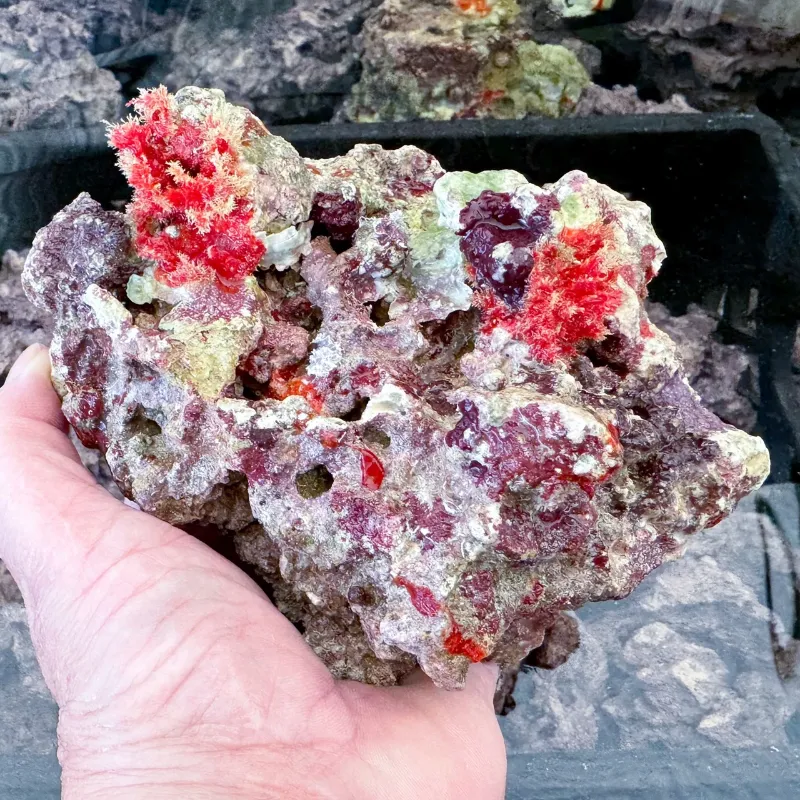
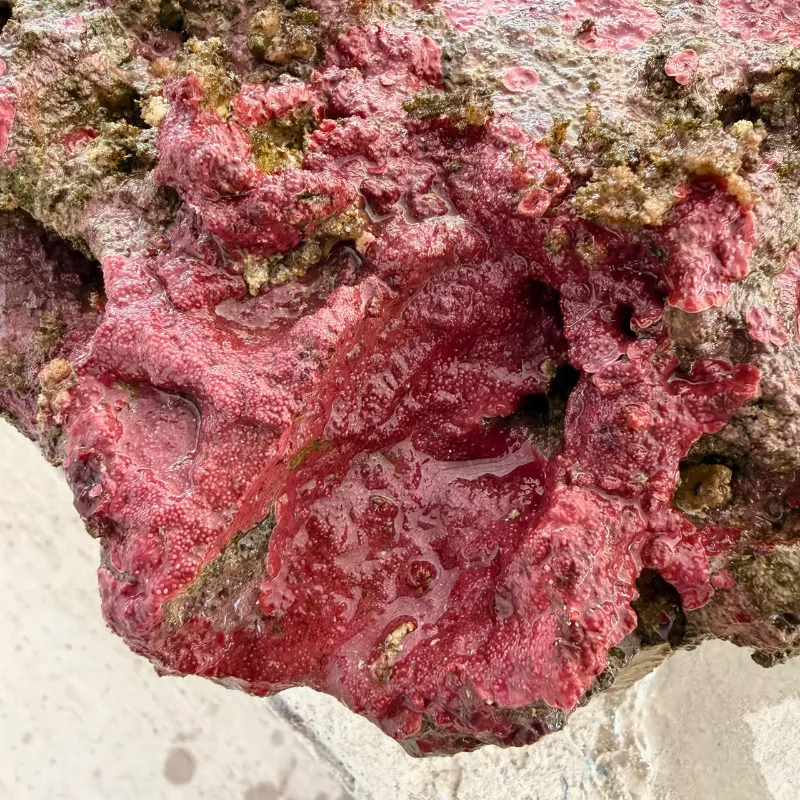
The live live rock you add to your saltwater aquarium isn’t just about structure. It’s a living ecosystem packed with bacteria, microorganisms, and small creatures that establish your tank’s biological foundation. These inhabitants break down waste and create a stable nitrogen cycle, which is critical for fish health.
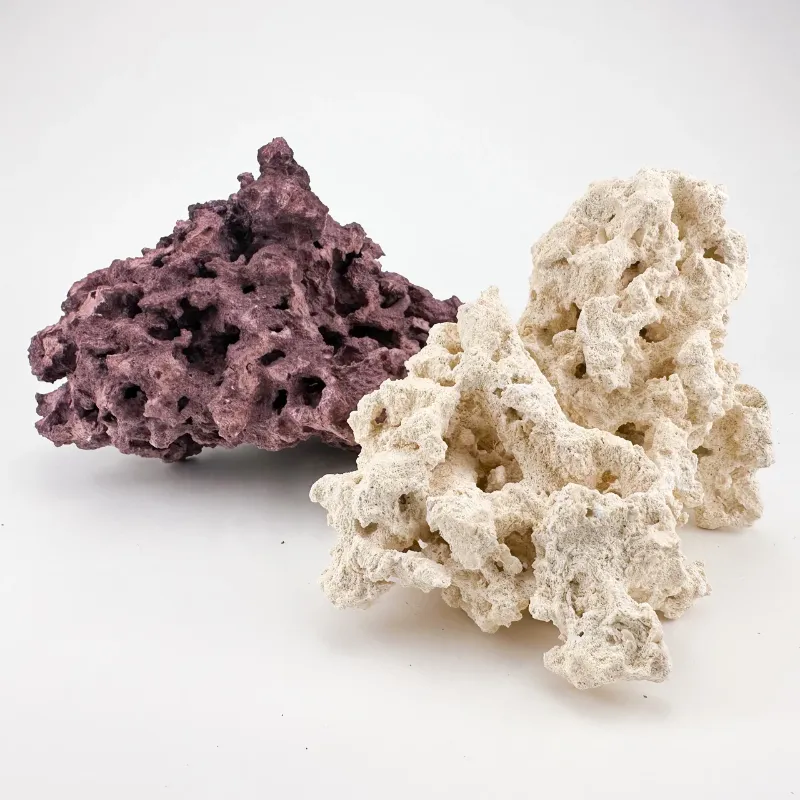
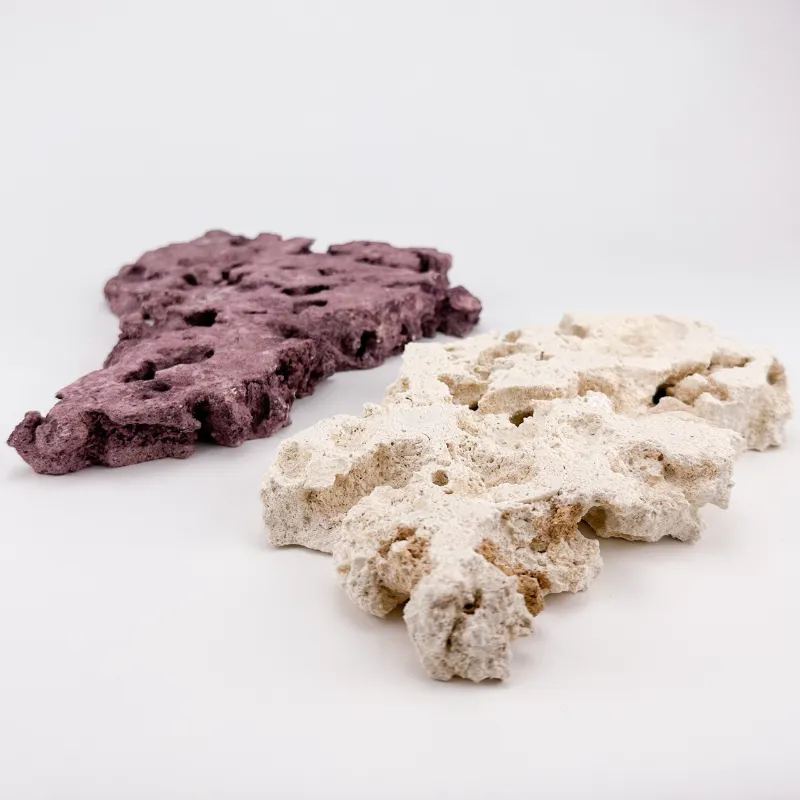
Different products serve different roles. Live rock for saltwater aquarium comes in various densities and shapes. Brave rocks and morock offer distinct aquascaping options, while rockscape products let you build layered formations. Coral rock works well alongside live rock for hybrid setups. Pairing live rock with aragonite sand gives you a complete biological foundation.
How Long Does Live Live Rock Last?
Live live rock can last for years inside an established tank, but its lifespan before and during acclimation is shorter. When freshly harvested, the organisms inside begin dying if conditions aren’t maintained. Most retailers ship live rock with enough life to survive 3-5 days in transit if packed correctly.
Once in your tank, live live rock stabilizes and can remain biologically active indefinitely. The key is never letting it fully dry out or sit in stagnant water. Bacteria colonies regenerate and expand once the rock is submerged in flowing, oxygenated water.
| Storage Scenario | Lifespan of Organisms |
|---|---|
| Dry storage (no water) | 24-48 hours |
| Damp towel, cool location | 3-7 days |
| In saltwater, no aeration | 2-3 days |
| In flowing saltwater | Indefinite (years) |
Storage Before Your Tank Is Ready
If you’re not ready to add live rock immediately, storage method makes the difference between thriving rock and dead rock.
- Keep it moist, not dry: Never let live live rock completely dry out. Store it wrapped in a damp towel in a cool, dark place if you have only a day or two before setup.
- Use temporary saltwater storage: If storage will extend beyond a few days, place the rock in a bucket of saltwater (use mix from a local aquarium or prepare new saltwater). Add an air stone or small powerhead to keep water circulating and oxygenated.
- Maintain cool temperatures: Room temperature or slightly cooler is best. Heat kills bacteria faster, so avoid direct sunlight or warm locations.
- Avoid direct contact with freshwater: Tap water will kill the organisms. Always use saltwater if you’re storing in liquid.
For extended storage beyond a week, reach out to the supplier. MarcoRocks and other quality retailers can advise on longer-term holding, and you may want to grab the code for your next order if you’re planning a staged aquascape build.
Acclimation: Preventing Die-Off in Your Tank
How you introduce live live rock to your tank affects how much of the beneficial bacteria survives. Rapid temperature or salinity changes kill organisms quickly.
- Match water parameters: Before adding rock, measure your tank’s temperature, salinity (specific gravity), and pH. Prepare the rock’s transport water to these same parameters, or acclimate it gradually over 30-60 minutes using a drip method.
- Use gentle flow: Add rock to areas with moderate water movement, not blasting current. Sudden surges can damage delicate organisms.
- Expect some cloudiness: Cloudy water after adding live rock is normal. It’s a sign bacteria and microbes are releasing into the water column. Do a small water change if it’s extreme, but don’t panic.
- Avoid antibiotics or treatments: New tanks with live rock shouldn’t need medication. Give the bacteria time to establish before treating for anything.
Keeping Live Live Rock Alive Long-Term
Once in your tank, live rock becomes part of your biological filter. Maintenance is simple but consistent.
- Never expose it to air: Long-term exposure kills bacteria. During tank cleaning or maintenance, keep rock submerged or misted with tank water.
- Maintain water flow: Stagnant water kills the organisms inside. Use powerheads or ensure your return pump creates circulation around the rock.
- Avoid excessive scrubbing: Light cleanup is fine, but aggressive scrubbing removes the beneficial biofilm. Rinse rock gently with tank water if needed, not with soap or tap water.
- Perform regular water changes: Changes remove waste that bacteria feed on, but they also replenish oxygen and minerals that keep the ecosystem running. Aim for 20-30% monthly.
- Skip harsh chemicals: Copper treatments, strong algaecides, and antibiotics will kill the bacteria inside your rock. Treat fish in a hospital tank instead.
For curated product selections that work well together, check current options and check the latest price on combinations of live rock for saltwater aquarium, coral rock, and aragonite sand.
Signs Your Live Live Rock Is Dying
Dead or dying rock loses its value and can harm water quality. Watch for these red flags:
- Strong sulfur smell: Rotten-egg odor means anaerobic bacteria are thriving and oxygen is depleted. Increase flow immediately.
- Persistent algae blooms after weeks: New tanks have algae blooms, but if it continues well into month two, your rock may not be biologically active.
- Visible decay or soft spots: Mushy areas or visible decay suggest organisms have died and the rock is breaking down.
- High ammonia despite low bioload: If your tank’s ammonia stays elevated and you’re not overfeeding, the biological filter (your rock) may not be established.
If you suspect dead rock, test for dry rock vs live rock alternatives or consider replacing sections with fresh saltwater fish tank live rock seeded from an established tank.
Mixing Live Rock With Other Substrates
Many aquarists combine live rock with other materials. Aragonite sand pairs naturally with live rock, creating a complete biological foundation. Brave rocks and morock can be added as structural accents, and rockscape products let you build specific formations.
The principle stays the same: keep everything submerged, ensure water flow, and avoid harsh treatments. Sand beds also host beneficial bacteria, so the same care principles apply to your entire aquascape.
Live live rock is an investment in your tank’s health, but it’s not fragile if you respect its needs. Store it properly before setup, acclimate it carefully, maintain water flow and quality, and it will serve your saltwater tank for years. Quality suppliers like MarcoRocks make sourcing the right rock easy, and with a little attention, your live live rock becomes the invisible backbone of a thriving ecosystem.
FAQ
Questions
Can I store live live rock for a month before setting up my tank?
Only with active aeration and saltwater. Storing live rock dry for a month will kill most organisms. If you need to hold it long-term, keep it submerged in a bucket with an air stone and saltwater, changing the water every 7-10 days. Contact your supplier for extended storage advice.
What does it mean when live rock smells like sulfur?
A rotten-egg smell indicates anaerobic bacteria thriving in low-oxygen pockets. Increase water flow around the rock immediately. If the smell persists after boosting circulation, the rock may be dying and should be removed or treated.
Should I rinse live rock with tap water?
No. Tap water kills the beneficial organisms inside live rock. Rinse it gently with tank water or saltwater only. If you need to remove loose sediment, use a soft brush and tank water.
How do I know if my live rock setup is working?
A working live rock system shows stable ammonia and nitrite levels (near zero after a few weeks), active bacteria colonization visible as biofilm, and a healthy nitrogen cycle. If ammonia stays high and you're not overfeeding, your rock may not be established yet.
Can I mix saltwater fish tank live rock with dry rock?
Yes. Live rock introduces bacteria to your tank and to nearby dry rock over time. Dry rock is less expensive upfront, so many aquarists use both to balance cost and biological benefit.
What's the best way to acclimate live rock to a new tank?
Gradually match the rock's transport water to your tank's temperature, salinity, and pH over 30-60 minutes using a drip method. This prevents organism die-off from shock. Place the rock in moderate flow, not direct current.
Products in this guide
 Shopping at MarcoRocks? See the discount code
5% OFF All Orders
Shopping at MarcoRocks? See the discount code
5% OFF All Orders
More in this series
Creating a Natural Rockscape: Aquascaping with Live Rock and Coral Rock29 Aug 20264 minAragonite Sand for Saltwater Tanks: Setup and Maintenance Guide29 Aug 20264 minBest Live Rock vs Artificial Aquarium Rock: What Actually Works29 Aug 20264 minHow to Cycle Live Rock in Your Saltwater Aquarium29 Aug 20263 min