 A MarcoRocks guide
Creating a Natural Rockscape: Aquascaping with Live Rock and Coral Rock
Live live rock is the foundation of a thriving natural rockscape, providing structure, beneficial bacteria, and habitat for your saltwater aquarium inhabitants.
Live live rock is the foundation of building a natural rockscape in your saltwater aquarium. Whether you’re setting up your first tank or redesigning an existing one, understanding how to select and arrange rock formations creates both visual appeal and the biological foundation your tank needs. This guide walks you through choosing the right rocks, combining them with other substrates, and arranging them to support healthy marine life.
Choosing Between Live Live Rock and Other Options
When planning your aquascape, you’ll encounter different rock types. Live rock contains established colonies of beneficial bacteria, microorganisms, and sometimes small invertebrates that help cycle nitrogen and maintain water quality. Dry rock, by contrast, starts inert but colonizes over time.
The key difference matters for your timeline and setup goals:
| Rock Type | Setup Time | Biological Activity | Cost |
|---|---|---|---|
| Live live rock | Weeks | Immediate | Higher |
| Dry rock | Months | Gradual | Lower |
| Hybrid setup | 4-6 weeks | Balanced | Medium |
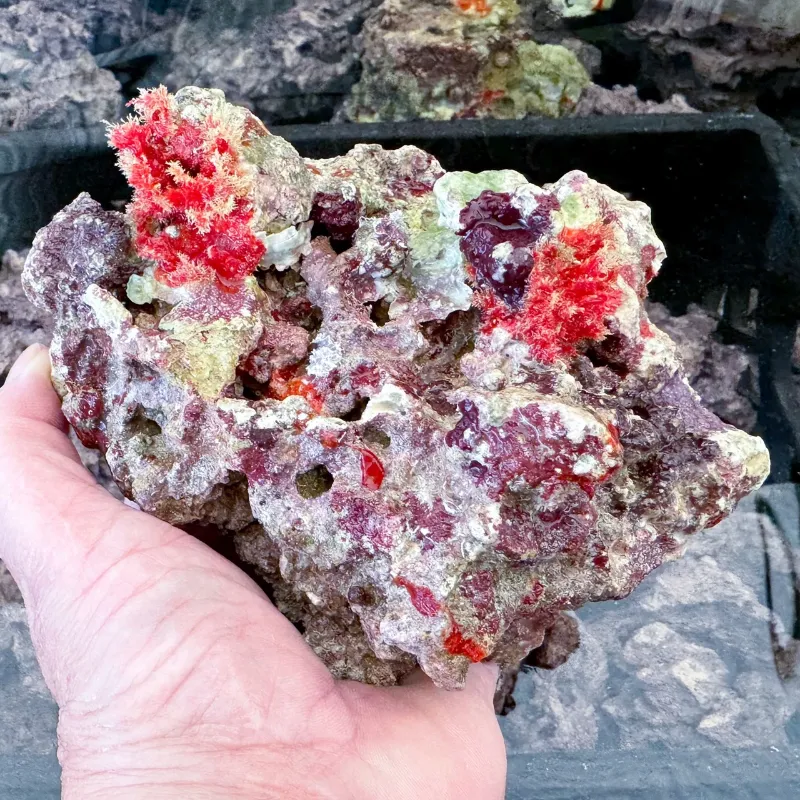
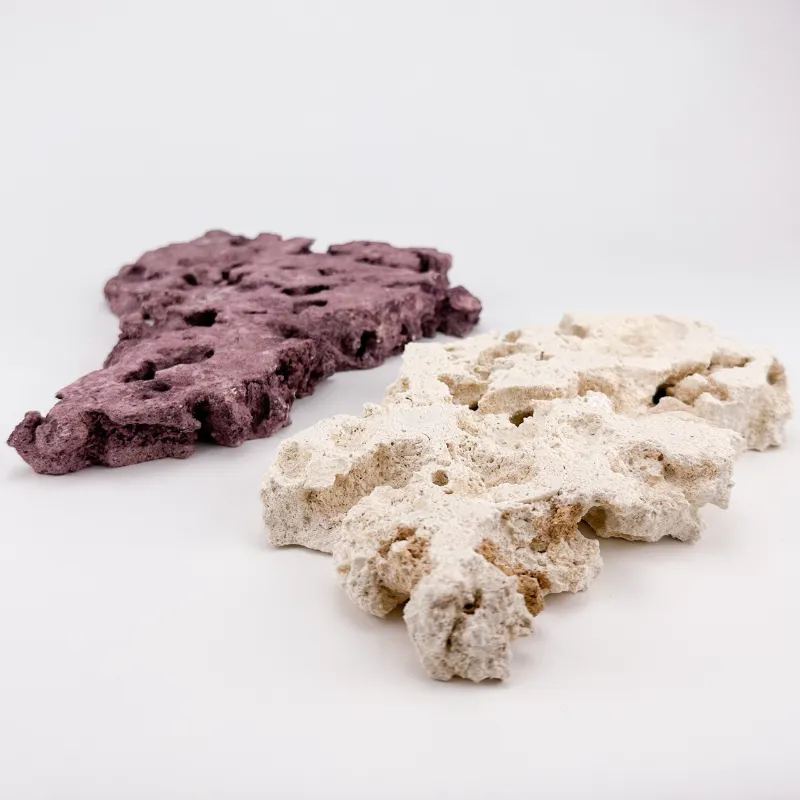
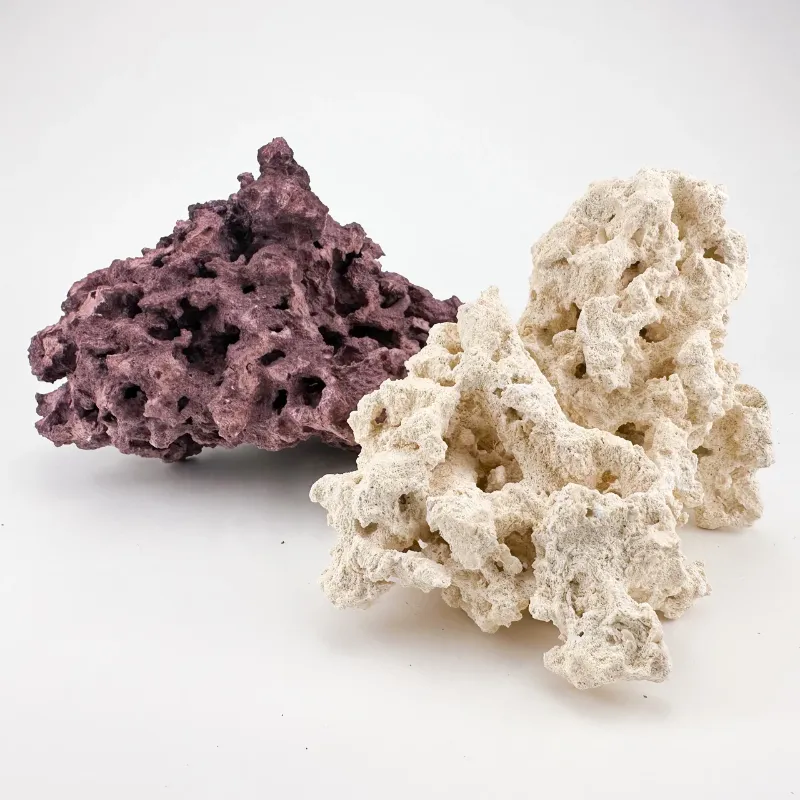
Learn more about dry rock vs live rock to decide which approach fits your tank and timeline. Many aquarists start with live live rock for its immediate biological benefits, then supplement with dry rock to shape their design.
Core Rock Types for Natural Rockscapes
MarcoRocks offers several specialized options for building your rockscape:
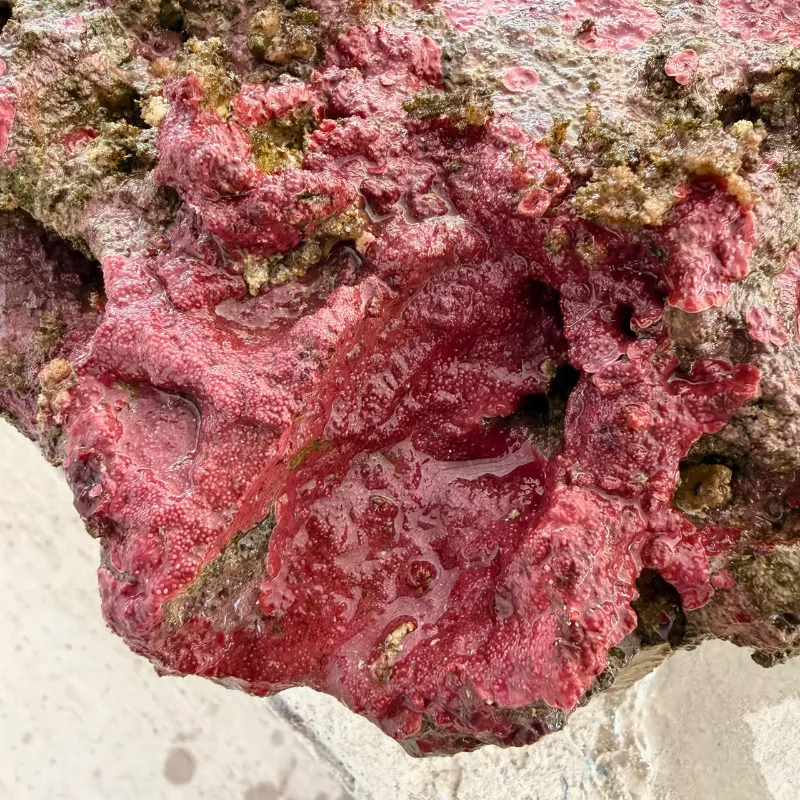
- Live live rock and live rock for saltwater aquarium provide the biological backbone, colonizing your tank’s nitrogen cycle from day one.
- Brave rocks are angular, sculptural pieces ideal for creating dramatic pinnacles and caves.
- Coral rock delivers the warm, porous texture that mimics natural reef formations and provides surface area for corals.
- Rockscape and morock are engineered for stacking and offer predictable shapes for structured designs.
- Aragonite sand complements rock formations, stabilizes the base, and supports burrowing fish and invertebrates.
Combining multiple rock types lets you balance aesthetics, stability, and biological function in one cohesive layout.
Building Stable Rockscape Structures
Structure is everything in aquascaping. Live live rock must be arranged so pieces won’t shift during tank maintenance or if fish move through the formation. Start by placing the largest, heaviest stones first, positioning them directly on the tank floor or on a solid base. This prevents collapse and protects your aquarium glass.
Effective stacking techniques include:
- Burying the base layer partially in sand or substrate to anchor heavy pieces.
- Angling rocks slightly inward to create interlocking stability without mortar.
- Building caves and overhangs only after establishing a stable foundation.
- Testing each level before adding height.
Grab the code to save 5% on your live live rock and other aquascaping materials, making it easier to buy the volume and variety you need for a proper foundation.
Designing With Live Rock and Coral Rock
Live live rock forms the skeleton of your hardscape; coral rock adds the reef’s biological and visual character. Coral rock is more porous and lighter, making it ideal for upper levels and accent placements. Use it to create surface texture for corals and coralline algae to settle.
A strong design strategy layers rock types by function:
- Base layer: Heavy live rock for saltwater aquarium and large brave rocks for stability and cave structure.
- Mid-level: Mix of live rock and coral rock for coral placement and visual interest.
- Upper accents: Rockscape or morock pieces to define height and create focal points.
- Foundation: Aragonite sand to stabilize bases and provide a natural seabed look.
This layered approach lets you pack biological function into a visually dynamic structure that fish and corals can navigate.
Cycling Your Live Live Rock Setup
Live live rock jumpstarts your tank’s biological cycle, but it still needs time to establish. When you first add live live rock, ammonia and nitrite may spike as the rock settles into your specific water conditions. This is normal.
To support your cycling process:
- Run your aquarium for 2 to 3 weeks before adding fish or corals.
- Test ammonia, nitrite, and nitrate weekly to track progress.
- Perform 20 to 30% water changes if ammonia or nitrite climbs above safe levels.
- Avoid overfeeding once you add inhabitants.
Check the latest price on live live rock and other essential materials to ensure you have enough rock to create a fully cycled, stable environment.
Maintenance and Long-Term Care
Once your rockscape is established, live live rock requires minimal special care. Detritus will accumulate in crevices, which is normal, it feeds your biofilter and supports microfauna. Avoid aggressive scrubbing or rearranging large sections frequently, as this can disturb the beneficial bacteria colonies.
Routine maintenance includes:
- Weekly visual checks for unsightly algae or detritus buildup in high-traffic areas.
- Monthly water testing to monitor nitrogen cycle health.
- Gentle cleaning of visible detritus with a turkey baster or siphon.
- Replacing any pieces that show decay or excessive coralline algae die-off.
Over time, coralline algae will coat your rockscape in purples, reds, and pinks, creating that iconic reef aesthetic. This is a sign your live live rock is thriving biologically.
Who Should Use Live Live Rock
Live live rock is ideal for aquarists prioritizing biological stability and wanting to stock their tank sooner. If you’re setting up your first marine aquarium or upgrading from a smaller system, the investment in live live rock pays off through faster cycling and fewer water quality crashes.
Experienced aquarists often blend live live rock with dry rock to balance cost and cycling speed. Budget-conscious builders might use live rock for saltwater aquarium as a seed foundation and supplement with dry rock, while designers who want sculptural control may favor brave rocks, rockscape, or morock for predictable shapes.
Whatever your approach, combining coral rock and aragonite sand with your live live rock creates a hardscape that’s both beautiful and biologically sound from day one.
Questions
How much live live rock do I need for my saltwater aquarium?
A common guideline is 1 to 2 pounds of live rock per gallon of tank volume. Start at the lower end if you're supplementing with dry rock, or go higher if you want maximum biological support and cave structure.
Can I mix live live rock with dry rock in the same aquarium?
Yes. Many aquarists use live live rock as the biological foundation and add dry rock to shape the design and reduce cost. The live rock's bacteria will eventually colonize the dry rock over several weeks.
What is the difference between live rock for saltwater aquarium and coral rock?
Live rock is biologically active and denser, providing the nitrogen cycle foundation. Coral rock is more porous and lighter, making it better for upper-level placement and coral attachment.
How long does it take to cycle a tank with live live rock?
Most tanks cycle in 2 to 3 weeks with live live rock, compared to 6 to 8 weeks with dry rock alone. Test your ammonia, nitrite, and nitrate levels weekly to confirm the cycle is complete.
Do brave rocks, rockscape, and morock require special care compared to live rock?
No. All rock types benefit from stable water conditions and gentle maintenance. These engineered rocks are non-living, so they won't contribute biologically the way live live rock does, but they're excellent for structural design.
Should I rinse my live live rock before adding it to the tank?
Rinse briefly in saltwater or aquarium water if needed to remove loose debris, but avoid scrubbing or using freshwater, as this can kill beneficial bacteria and microorganisms on the rock's surface.
Products in this guide
 Shopping at MarcoRocks? See the discount code
5% OFF All Orders
Shopping at MarcoRocks? See the discount code
5% OFF All Orders