 A MarcoRocks guide
Best Live Rock vs Artificial Aquarium Rock: What Actually Works
Live live rock establishes a healthier saltwater tank than artificial alternatives, but artificial rock offers cost savings and predictability for the right setup.
Live live rock establishes a healthier saltwater tank than artificial alternatives, but artificial rock offers cost savings and predictability for the right setup. The choice depends on your budget, tank maturity, and how quickly you want biological filtration running.
Live Live Rock vs Artificial: The Core Difference
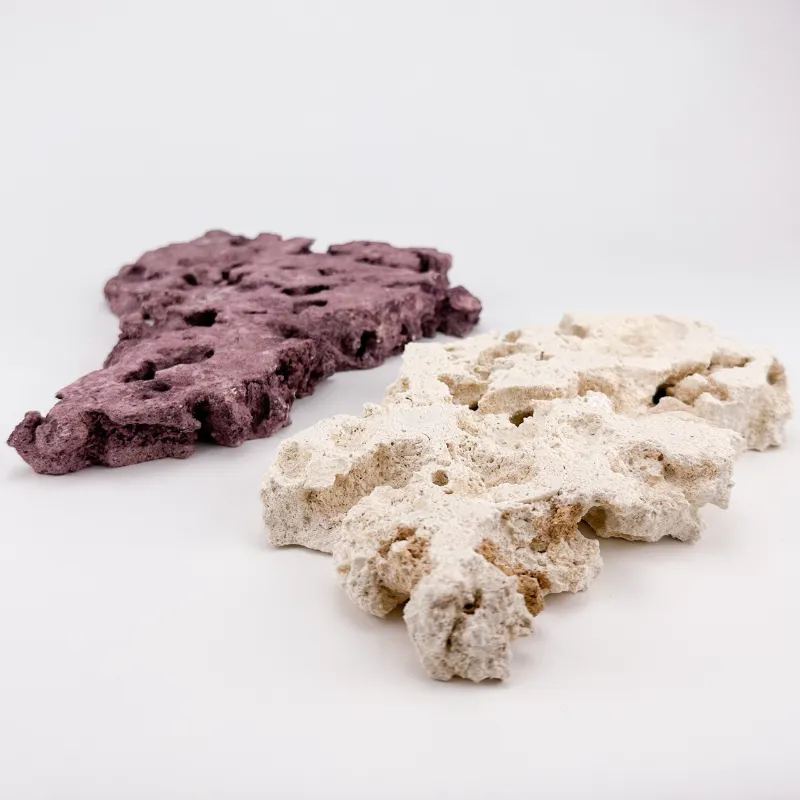
Live rock and artificial rock serve the same structural purpose, but they work very differently biologically. Live rock is marine rock harvested from the ocean, pre-colonized with beneficial bacteria, microorganisms, and often small invertebrates. Artificial rock is inert material (usually limestone or concrete) that starts sterile and requires time to develop that microbial community.
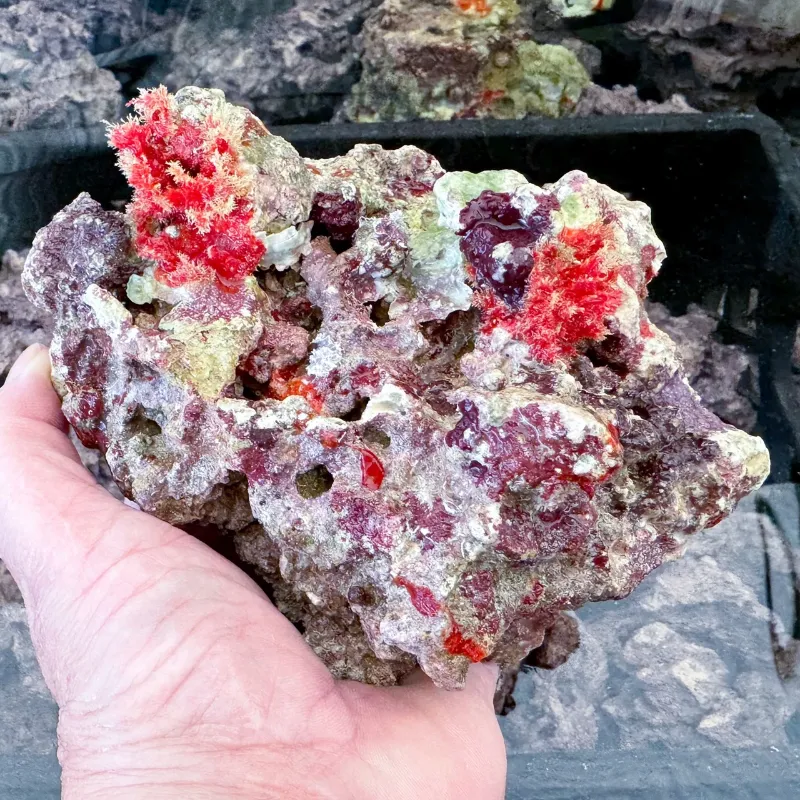
The live live rock approach cycles your tank faster because the bacteria are already established. You can stock fish sooner, typically within days rather than weeks. Artificial rock costs less upfront but demands patience; your tank still needs to cycle biologically before you add bioload.
When to Choose Live Live Rock
Live rock for saltwater aquarium setups makes sense if you’re starting a new tank and want to skip the lengthy nitrogen cycle. The established bacteria colony handles ammonia and nitrite immediately, keeping fish safe from toxic spikes. This is why experienced hobbyists prefer it for new builds.
Live live rock also performs better in established tanks when you’re adding inhabitants that generate significant waste. Clownfish, tangs, and other bioload-heavy fish benefit from the immediate bacterial buffer. If you’re running a reef with corals that depend on stable water chemistry, starting with live rock reduces the risk of crash cycles that damage soft tissues.
The tradeoff is cost. Live live rock premium is higher because of collection, shipping, and the living ecosystem inside it. But if your tank is destined for delicate corals or you want dependable cycling from day one, the investment pays off in stability.
When Artificial Rock Makes Sense
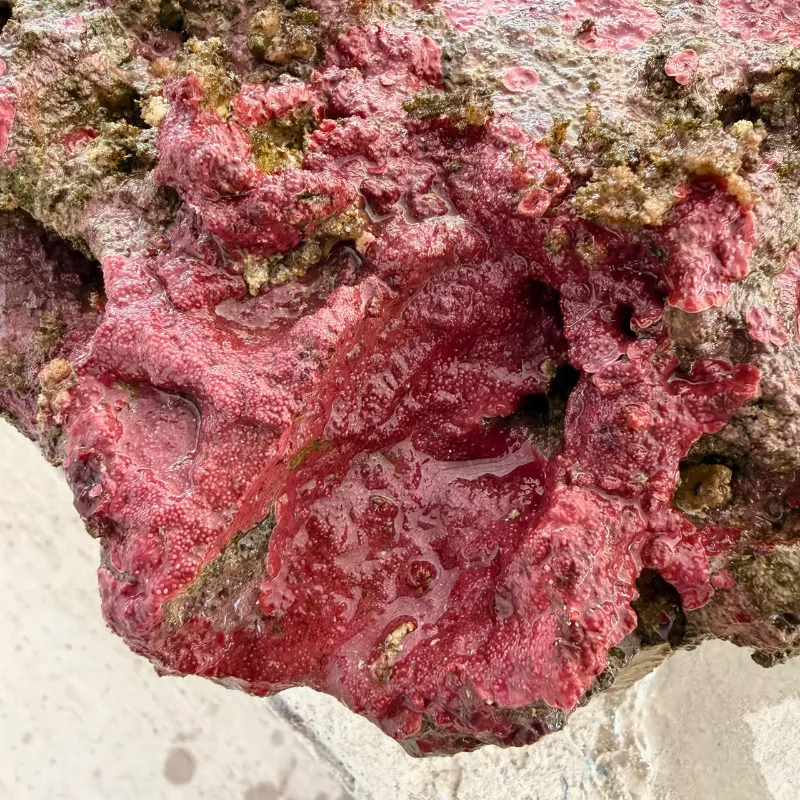
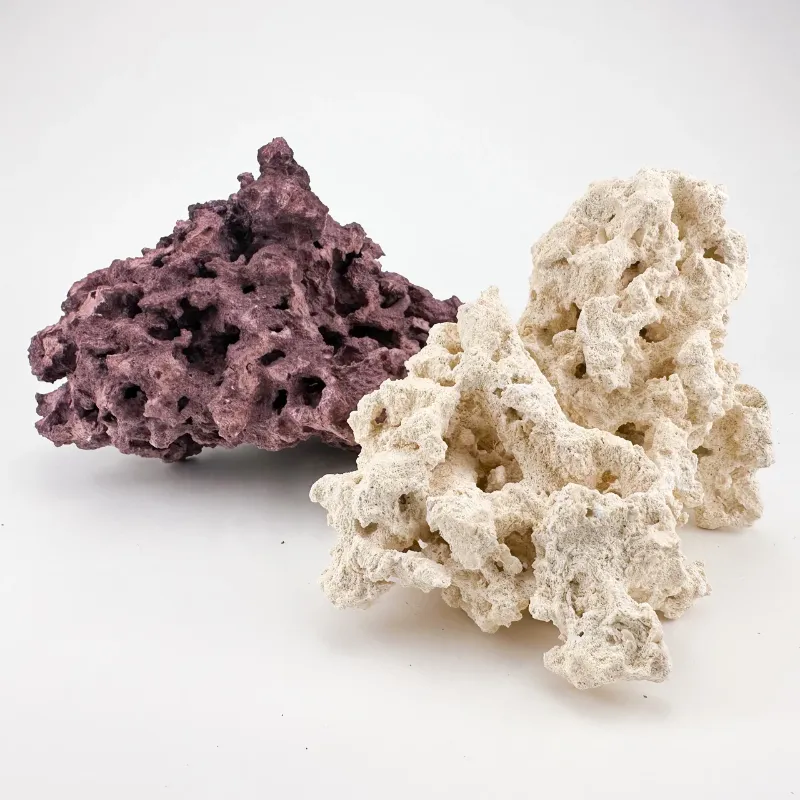
Brave rocks, rockscape, and morock artificial options are ideal if you’re budget-conscious or experimenting with a tank design. They’re lighter, cheaper, and you can arrange them however you want without worrying about crushing delicate organisms inside. Many hobbyists build their initial hardscape with artificial rock and add live rock later as the tank establishes.
Artificial rock also works well for propagation tanks, quarantine setups, or display tanks where you’re less concerned with the biological head start. If you’re patient and willing to cycle your tank naturally over 4 to 8 weeks, artificial rock is a practical choice.
You can accelerate artificial rock colonization by using filter media from an established tank or adding a bacterial starter. Some aquarists seed artificial structures with coral rock fragments to introduce biology faster. This hybrid approach gives you design control and cost savings without sacrificing too much cycling speed.
Comparing Live and Artificial Rock
| Feature | Live Rock | Artificial Rock |
|---|---|---|
| Cycling speed | Days to 1 week | 4-8 weeks |
| Upfront cost | Higher | Lower |
| Bacteria included | Yes | No (requires seeding) |
| Design flexibility | Limited | High |
| Invertebrate fauna | Often present | None |
| Long-term stability | Excellent | Good with maintenance |
The real difference shows up in your first two weeks. Live rock gives you a functional tank immediately; artificial rock requires patience but rewards you with lower cost and total design freedom.
Building Your Hardscape
Whether you choose live or artificial, how you arrange rock matters for flow, aesthetics, and fish territory. Saltwater fish tank live rock works best when it’s stacked to create caves and crevices, fish need shelter, and your beneficial bacteria need surface area.
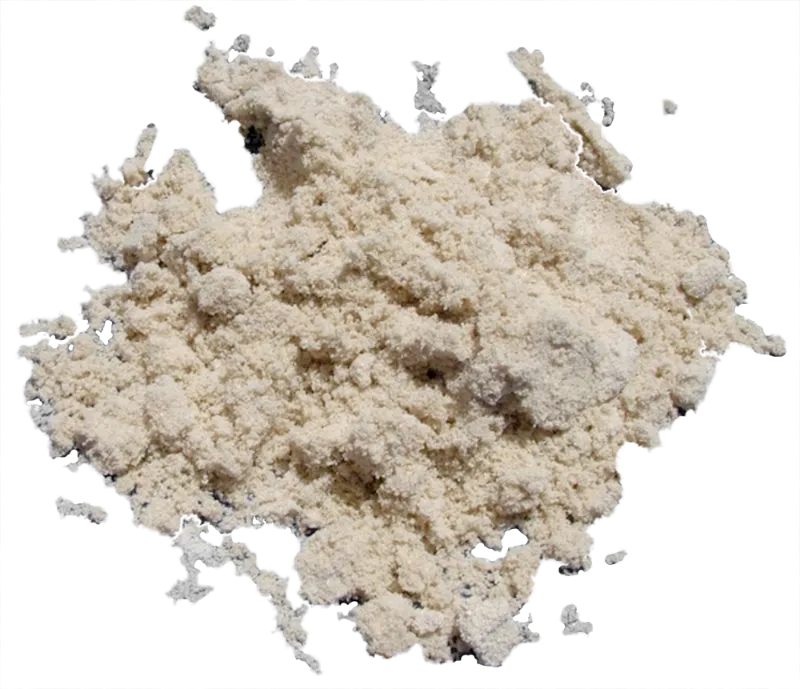
If you’re combining both types, use artificial rock as your base structure and add live rock on top and in key zones. This balances cost, biology, and durability. Many tanks also incorporate aragonite sand on the bottom, which adds surface area for bacteria and contributes to pH stability through its calcium content.
Rockscaping isn’t just about stacking. Leave gaps for water flow, avoid burying equipment, and remember that fish need clear paths to move through the tank. A well-designed hardscape with proper live live rock distribution keeps water quality stable and fish behavior natural.
Long-Term Maintenance and Cost
Live rock requires occasional inspection to remove dead matter and maintain water flow, but it’s largely self-sustaining. Artificial rock is similarly low-maintenance but won’t develop the depth of beneficial fauna that live rock builds over months and years.
Cost-wise, live rock is more expensive upfront but saves money on bacterial supplements and cycling additives. Artificial rock saves money initially but may require more interventions to maintain stable water chemistry, especially in heavily stocked tanks.
Head to our MarcoRocks discount page to check current pricing and grab the 5% OFF All Orders code before ordering. Both live and artificial options are available, so you can compare and choose based on your tank’s needs and your timeline.
Which One Builds the Better Tank
For new hobbyists, live rock for saltwater aquarium is the safer bet. It removes guesswork from cycling and gives you a buffer for beginner mistakes. For experienced aquarists or those on a tight budget, artificial rock with patient cycling works just fine, especially if you’re willing to seed it with biology from an established tank.
The best tanks often use both: a solid artificial rock foundation for structure and cost control, with premium live rock placed strategically where biology matters most. This hybrid approach balances your budget, your tank’s biological needs, and your design vision. Test what works for your specific setup, and don’t hesitate to adjust as your tank matures.
Ready to order? Check the latest price and grab our exclusive code while it’s active.
Questions
How fast does live live rock cycle a new tank?
Live rock typically cycles a tank in 3 to 7 days because the bacteria are already established. Artificial rock requires 4 to 8 weeks of natural cycling unless you seed it with bacteria from an established tank.
Can I use artificial rock instead of live live rock to save money?
Yes. Artificial rock like brave rocks or rockscape costs less upfront and works fine if you're patient with cycling and willing to seed it with biology. Many tanks use a mix of both types for balance.
Does live rock for saltwater aquarium include fish-safe bacteria?
Yes. Live rock arrives pre-colonized with beneficial bacteria that consume ammonia and nitrite, making it safe for fish immediately in most cases. Always test water parameters before adding bioload.
What's the difference between coral rock and regular live rock?
Coral rock is a general term for calcium-based rock used in marine tanks. Live rock specifically means ocean-harvested rock with established microbiology. Both work in the right setup, but live rock cycles faster.
Should I use aragonite sand with live rock?
Aragonite sand pairs well with live rock or artificial rock. It adds surface area for beneficial bacteria and helps stabilize pH through its calcium content, supporting overall tank chemistry.
Can I mix live and artificial rock in the same tank?
Absolutely. Many aquarists build with artificial rock for cost and design flexibility, then add live rock strategically for biology. This hybrid approach balances budget and performance.
Products in this guide
 Shopping at MarcoRocks? See the discount code
5% OFF All Orders
Shopping at MarcoRocks? See the discount code
5% OFF All Orders
More in this series
Creating a Natural Rockscape: Aquascaping with Live Rock and Coral Rock29 Aug 20264 minAragonite Sand for Saltwater Tanks: Setup and Maintenance Guide29 Aug 20264 minDoes Live Rock Go Bad? Storage, Lifespan, and Care Tips29 Aug 20265 minHow to Cycle Live Rock in Your Saltwater Aquarium29 Aug 20263 min