 A MarcoRocks guide
How to Cycle Live Rock in Your Saltwater Aquarium
Cycling live rock for saltwater aquarium establishes the biological foundation your reef needs to thrive.
Cycling live rock for saltwater aquarium establishes the biological foundation your reef needs to thrive. The process introduces beneficial bacteria and microorganisms that break down waste and create a stable environment for fish and corals. We’ll walk you through the entire cycle, from setup to completion, plus show you the best products to get started.
What Is Live Rock and Why Cycle It
Live rock contains living organisms, beneficial bacteria, and microbes that colonize the surface and interior. When you place it in your tank, these communities need time to stabilize and populate. Cycling live rock means running your aquarium for 4 to 8 weeks without fish, allowing ammonia, nitrite, and nitrate to establish a natural balance. This prevents ammonia spikes that stress or kill livestock.
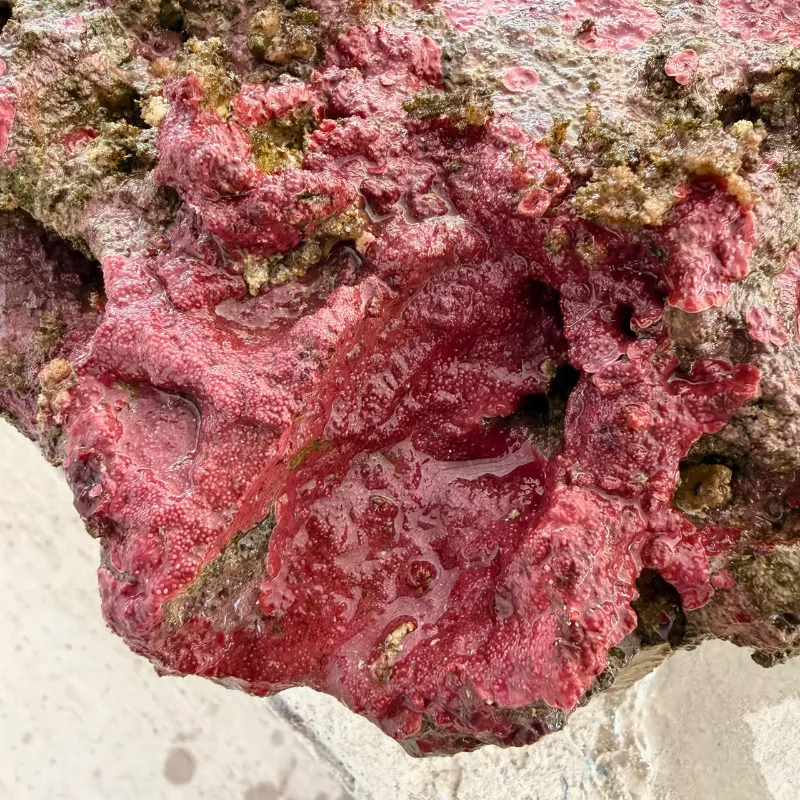
Live rock for saltwater aquarium from MarcoRocks arrives with active colonies already established, which speeds up the cycle compared to dry rock. Understanding the difference between types helps you choose right. Dry rock vs live rock outlines the trade-offs if you’re weighing options.
Setting Up Your Tank for the Cycle
Before adding live live rock, prepare your aquarium with clean saltwater and basic equipment:
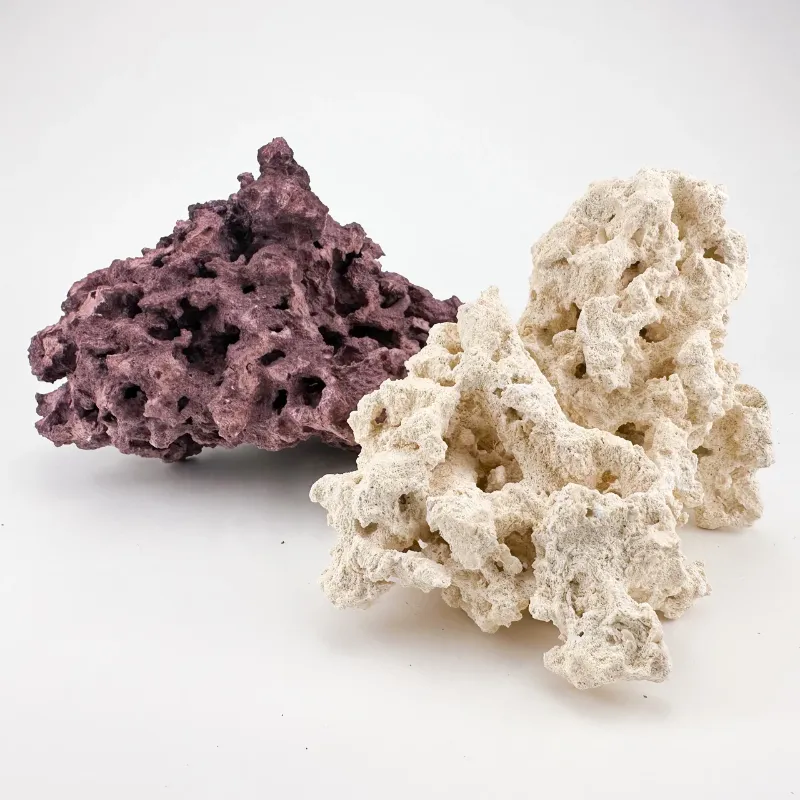
- Fill your tank with mixed saltwater at proper salinity (1.023 to 1.025 for fish-only, 1.025 to 1.026 for reef)
- Install a powerhead or circulation pump to keep water moving
- Add a heater set to 76-78 degrees Fahrenheit
- Rinse the rock under tap water to remove loose debris, but avoid scrubbing away the living biofilm
- Arrange the rock to create natural flow and hiding spaces; consider options like brave rocks or rockscape for varied aesthetics
- Leave the lights off during the cycle to avoid algae blooms
Do not add fish, corals, or invertebrates yet. Your goal is to let the cycle complete before any livestock arrives.
How Long Does Live Rock Cycling Take
Most cycles run 4 to 8 weeks, though some finish faster if your rock arrived wet and fully colonized. Test the water weekly using an aquarium test kit that measures ammonia, nitrite, and nitrate. The cycle is complete when ammonia and nitrite both read 0 ppm and nitrate is stable (usually 5-20 ppm).
During weeks one to three, ammonia typically spikes as the rock begins releasing waste. Weeks three to six see nitrite rise as bacteria convert ammonia. By weeks six to eight, nitrite drops and nitrate accumulates, signaling the cycle is nearing completion. Patience here prevents costly losses later.
Choosing the Right Live Rock Products
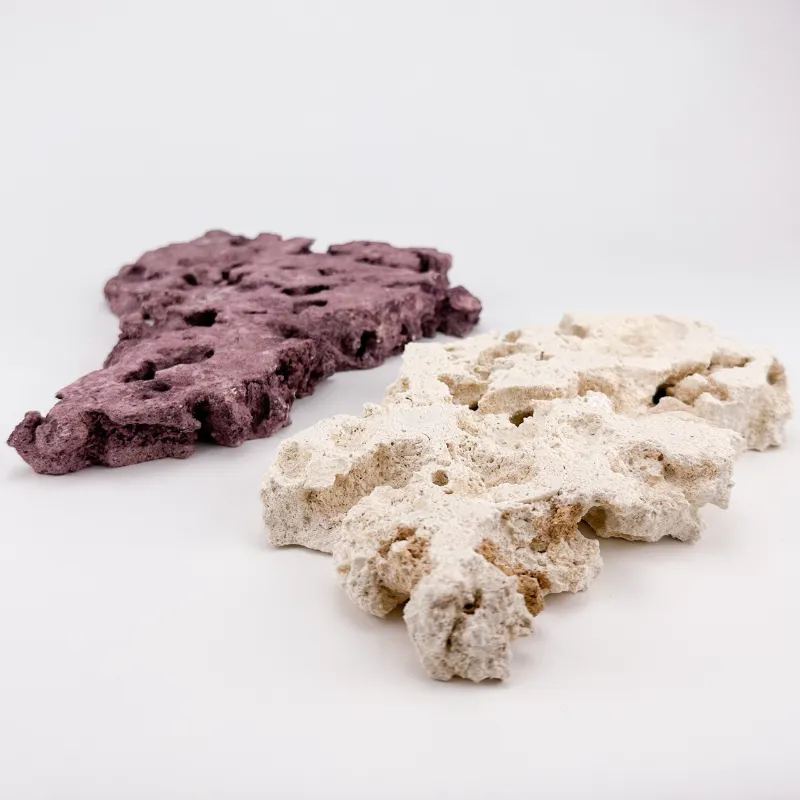
MarcoRocks offers several options suited to different tank sizes and aesthetics. Live rock for saltwater aquarium is the core choice for reef environments, delivering established biofilms and natural shapes. Coral rock works well if you plan to attach corals directly and want surfaces that promote growth. For deeper aquascaping, morock provides stability and complex surfaces.
If you’re on a tighter budget, grab the code to save 5% off all orders. Pair your live rock with substrate like aragonite sand to create a complete foundation that supports both filtration and natural aesthetics.
| Product | Best For | Biofilm Status |
|---|---|---|
| Live live rock | General reef setup | Fully established |
| Coral rock | Coral attachment | Moderate colonization |
| Morock | Aquascaping depth | Moderate colonization |
| Brave rocks | Mixed display tanks | Moderate colonization |
Managing Water Quality During the Cycle
Test your water every 7 to 10 days and keep a log. Ammonia should rise first, then decline as nitrite rises. When nitrite peaks, it can stay elevated for 2-3 weeks before dropping to zero. This is normal and means the cycle is working.
Do not perform water changes unless ammonia exceeds 4 ppm or nitrite exceeds 8 ppm. The bacteria need these waste products to establish. If you do partial changes, replace no more than 25% of the water to preserve the cycle progress.
For best results, check the latest price on premium live rock and substrate options that arrive in excellent condition. Higher-quality rock arrives fresher and cycles faster.
When to Add Fish and Corals
Once ammonia and nitrite both read 0 ppm and nitrate is detectable, you can introduce livestock slowly. Start with hardy fish and hardy corals, then add more over the next few weeks. This prevents another ammonia spike from overloading the bacterial colonies.
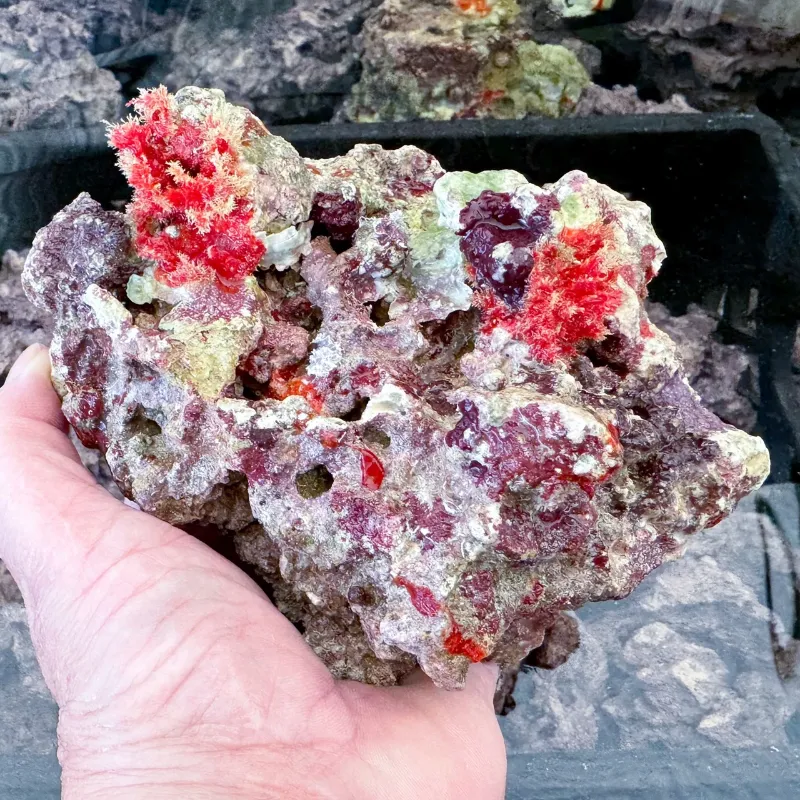
Saltwater fish tank live rock combined with aragonite sand creates a robust foundation that handles gradual stocking well. Monitor water parameters weekly for the first month after adding livestock to ensure stability.
Key Takeaways
Cycling live rock for saltwater aquarium takes patience but ensures a thriving reef. Choose quality rock from MarcoRocks, maintain steady parameters, test regularly, and wait for ammonia and nitrite to reach zero before adding fish. The cycle typically takes 4 to 8 weeks. Use products like live rock for saltwater aquarium, coral rock, and aragonite sand to build a balanced system from day one.
Questions
How do I know when my live rock for saltwater aquarium is fully cycled?
Your cycle is complete when ammonia and nitrite both read 0 ppm on your test kit and nitrate is stable (typically 5-20 ppm). Most tanks reach this point in 4 to 8 weeks.
Can I speed up cycling with live rock?
Yes. Live rock arrives with established bacteria and biofilm, which cycles faster than dry rock or bare tanks. Starting with quality [live rock for saltwater aquarium](/go/p/7003) from MarcoRocks cuts weeks off the process.
Should I do water changes while cycling live rock?
Avoid water changes unless ammonia or nitrite spike dangerously high (above 4-8 ppm). The bacteria need those waste products to colonize. Small partial changes preserve progress if needed.
What products work best alongside live rock for a new saltwater tank?
Pair [live rock for saltwater aquarium](/go/p/7003) with [aragonite sand](/go/p/7006) for a complete substrate, and consider [brave rocks](/go/p/7004) or [rockscape](/go/p/7008) to add height and visual interest.
Is there a discount available on MarcoRocks live rock products?
[Check the latest price](/marcorocks-discount-code/) to apply 5% off all orders, including premium live rock and substrate options that arrive in excellent condition.
Can I use cheap dry rock instead of live rock to save money?
Yes, but cycling takes longer. [Dry rock vs live rock](/https://www.reefbum.com/aquascaping/dry-rock-vs-live-rock/) explains the trade-offs. Live rock costs more upfront but cycles 2-3 weeks faster.
Products in this guide
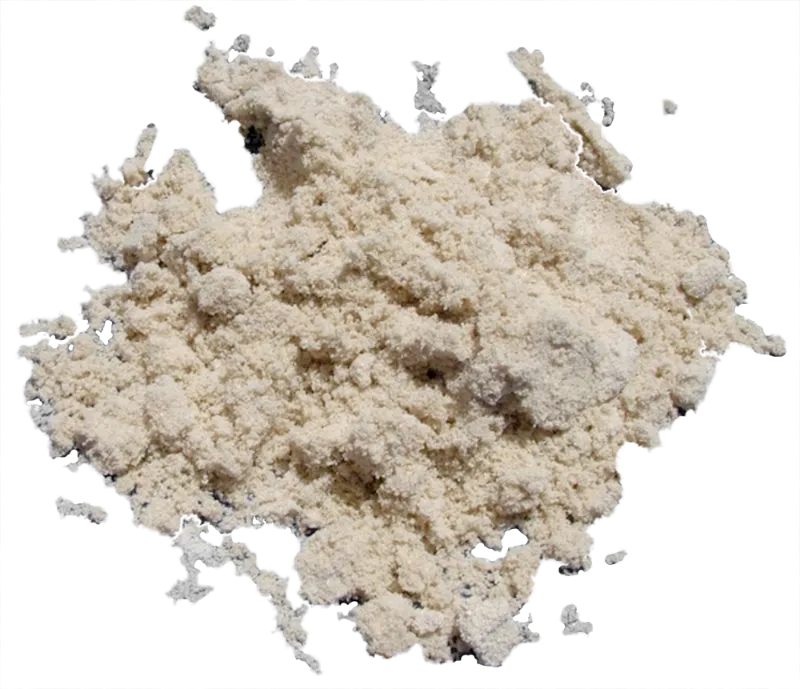 Shopping at MarcoRocks? See the discount code
5% OFF All Orders
Shopping at MarcoRocks? See the discount code
5% OFF All Orders
More in this series
Creating a Natural Rockscape: Aquascaping with Live Rock and Coral Rock29 Aug 20264 minAragonite Sand for Saltwater Tanks: Setup and Maintenance Guide29 Aug 20264 minDoes Live Rock Go Bad? Storage, Lifespan, and Care Tips29 Aug 20265 minBest Live Rock vs Artificial Aquarium Rock: What Actually Works29 Aug 20264 min