 A MarcoRocks guide
Aragonite Sand for Saltwater Tanks: Setup and Maintenance Guide
Aragonite sand stabilizes pH and alkalinity in saltwater tanks while providing a natural, supportive base for beneficial bacteria and tank inhabitants.
Aragonite sand stabilizes pH and alkalinity in saltwater tanks while providing a natural, supportive base for beneficial bacteria and tank inhabitants. We’ll walk you through choosing the right aragonite sand, setting it up correctly, and keeping your substrate healthy long-term.
Why Aragonite Sand Matters in Saltwater Aquariums
Unlike freshwater substrates, saltwater systems need materials that actively buffer water chemistry. Aragonite sand does this by slowly dissolving and releasing calcium and carbonate ions. This keeps pH stable and supports coral growth if you keep a reef setup.
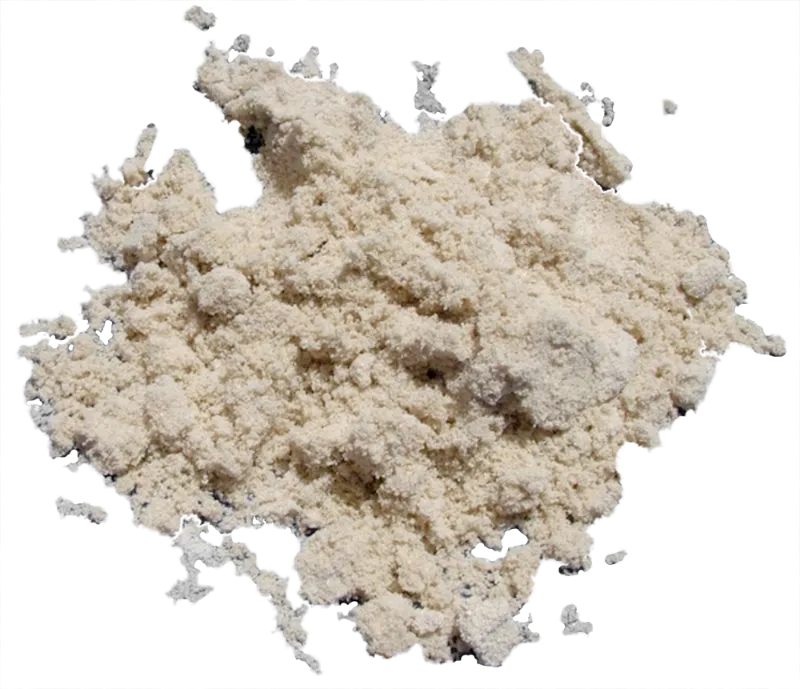
Aragonite sand also creates a natural environment for beneficial bacteria that break down waste. The porous surface area helps colonies establish faster during cycling. Beyond chemistry, it looks natural and lets bottom-dwellers like sand sifters behave normally.
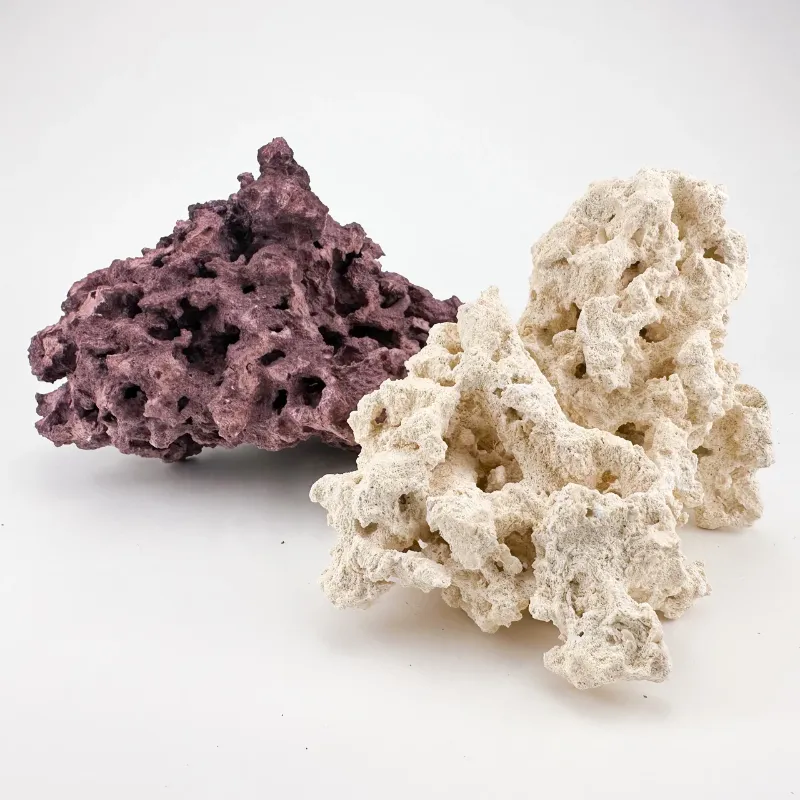
If you’re starting from scratch, pairing aragonite sand with live live rock or live rock for saltwater aquarium creates a complete foundation for a thriving tank ecosystem.
Setting Up Aragonite Sand: Depth and Placement
Depth matters. Most saltwater tanks use 1 to 1.5 inches of aragonite sand on the bottom. This is deep enough for beneficial bacteria to colonize without trapping excess waste underneath. Deeper beds (2+ inches) risk anaerobic pockets that produce harmful hydrogen sulfide.
Before adding sand, rinse it thoroughly in buckets of saltwater or RO water until the water runs clear. This removes dust and sediment that clouds your tank. Some aquarists add sand directly to an empty tank, then fill slowly with water. Others use a bowl or saucer under the water stream to break the flow and prevent sand clouds.
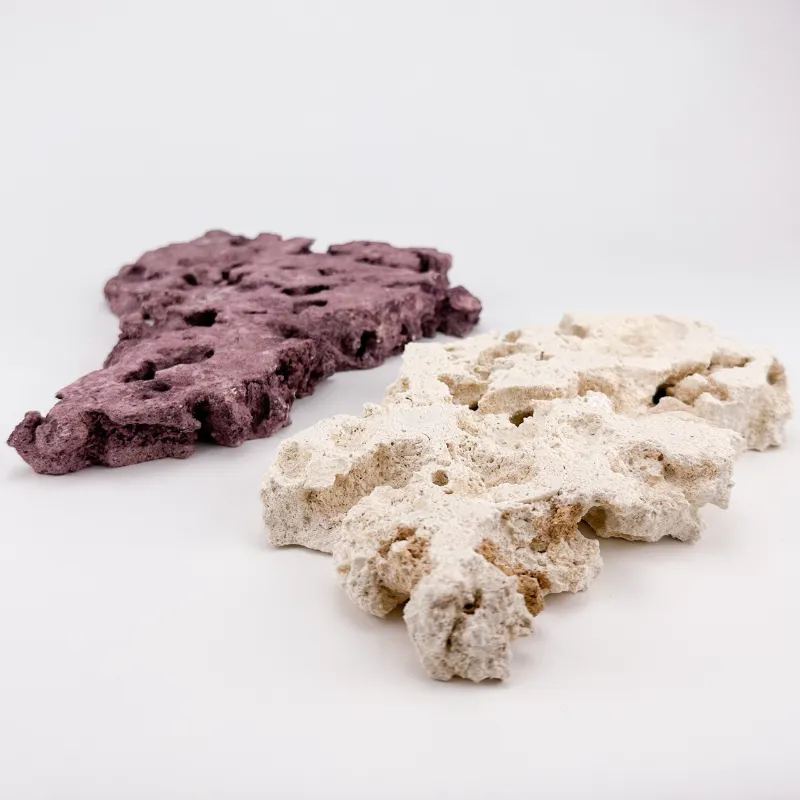
If you’re combining aragonite sand with coral rock or rockscape, arrange rocks first, then add sand around them. This prevents rocks from sinking unevenly and keeps the bed stable.
Aragonite Sand vs. Other Saltwater Substrates
| Substrate | pH Buffering | Bacteria Surface | Cost | Best For |
|---|---|---|---|---|
| Aragonite sand | Excellent | High | Moderate | Most saltwater tanks |
| Crushed coral | Very good | Medium | Low | Budget setups |
| Live sand | Excellent | Very high | High | Reef tanks, faster cycling |
| Bare bottom | None | None | Free | Fish-only, easy cleaning |
Aragonite sand sits in the middle: better buffering than bare bottom, more affordable than pre-colonized live sand, and excellent bacteria support. If you’re new to saltwater, it’s the smart choice. For reef tanks prioritizing speed, live live rock combined with aragonite sand accelerates beneficial bacteria establishment.
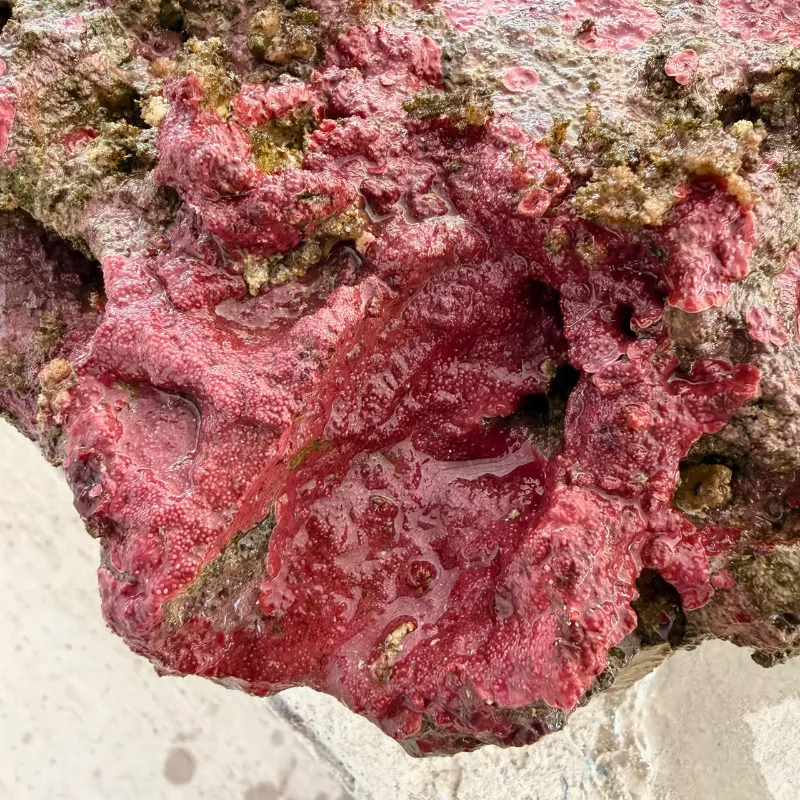
If you want faster results without the cost of live sand, cycle your tank with aragonite sand and brave rocks or morock for several weeks before adding livestock.
Cycling Your Tank with Aragonite Sand
The nitrogen cycle depends on bacterial colonies in your substrate. Aragonite sand jumpstarts this by offering high surface area. To cycle:
- Fill your tank with treated saltwater.
- Add your aragonite sand and rock.
- Run your filter and powerhead for 1 to 2 weeks without fish.
- Test ammonia, nitrite, and nitrate daily.
- Once ammonia and nitrite hit zero and nitrate appears, you’re cycled.
If you want faster cycling, seed your substrate with live rock for saltwater aquarium or pre-cycled media from another tank. This introduces established bacteria directly.
Using aragonite sand during cycling also stabilizes pH, so your bacteria work in a consistent environment. This is why it outperforms bare-bottom setups for cycling time.
Maintenance: Keeping Aragonite Sand Healthy
Aragonite sand requires minimal upkeep once established. Vacuum the top layer weekly during water changes to remove detritus and uneaten food. Use a thin aquarium siphon so you don’t remove sand, only debris.
Skip deep-substrate vacuuming in mature tanks. You want to preserve the bacterial colonies living in the sand. Only target spot-clean areas where waste builds up.
Over time, aragonite sand slowly dissolves and needs replacement. Most tanks consume 10 to 20% of the original bed annually depending on water hardness and livestock bioload. Top off with fresh aragonite sand every 6 to 12 months. If you’re in the market, grab the code for 5% off MarcoRocks products, including fresh substrate.
If you notice cloudy water or algae on the sand surface, it’s usually from excess organics, not the substrate itself. Increase water changes, improve mechanical filtration, or reduce feeding rather than replacing the sand.
Aragonite Sand for Different Saltwater Setups
Fish-only tanks benefit from aragonite sand’s buffering without needing the extra expense of live sand. Your focus is on bacteria colonization and water stability.
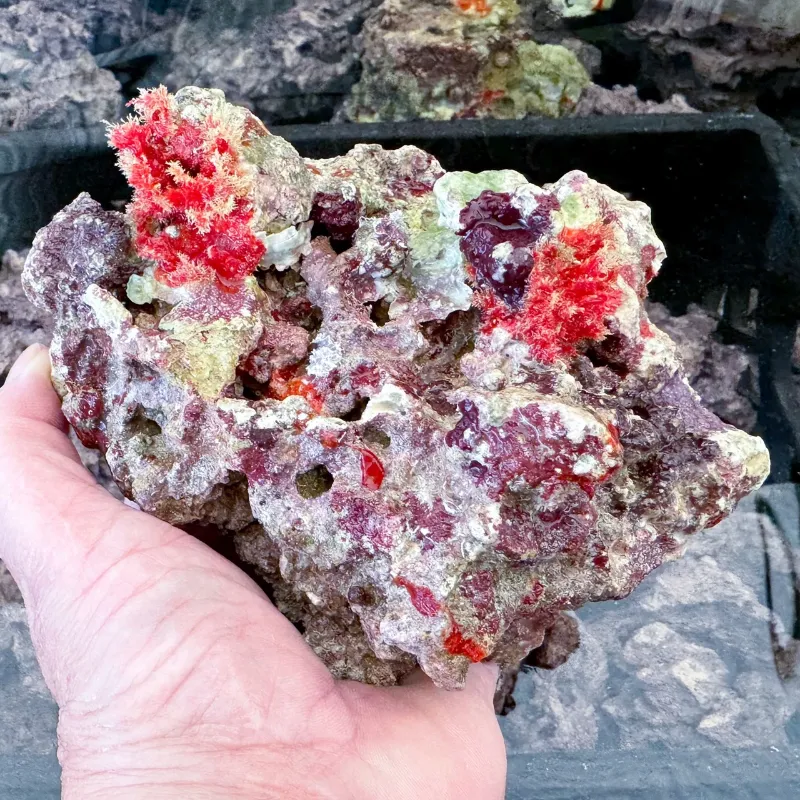
Reef tanks pair aragonite sand with coral rock or saltwater fish tank live rock to support coral polyps and coralline algae growth. The combination of stable alkalinity from the sand and nutrient cycling from rock creates ideal conditions.
Nano tanks (20 gallons or smaller) use less sand overall, so 1 pound of aragonite sand per gallon is a practical guide. Combined with small pieces of rockscape or morock, you create a balanced ecosystem in limited space.
For large aquariums, buying aragonite sand in bulk reduces cost per pound. Check current pricing and availability to compare options.
Aragonite Sand for Freshwater: When It Works
While aragonite sand is designed for saltwater, some freshwater setups benefit from it too. African cichlid tanks use African Cichlid Aragonite Substrate to buffer pH upward for fish that prefer alkaline water. For more details on freshwater options, marine substrates and resources like the aquarium hobby community discuss when aragonite sand for freshwater makes sense.
Most freshwater tanks don’t need aragonite sand. If you’re setting up a standard community tank, regular aquarium sand works fine. Reserve aragonite sand for saltwater and specialty freshwater applications.
Getting Started: Your Aragonite Sand Checklist
Before ordering, decide your substrate depth (1 to 1.5 inches), calculate volume (length × width × depth in inches, divide by 150 for pounds), and choose your aragonite sand product. Aragonite sand is the core product; pair it with rock if you want faster bacteria colonization.
Have saltwater, a siphon, and buckets ready for rinsing. If cycling a new tank, allow 4 to 6 weeks before adding fish. Your patience now pays off with a stable, healthy system later.
Questions
How much aragonite sand do I need for my saltwater tank?
Use 1 to 1.5 inches of depth as your target. Multiply tank length × width × desired depth (in inches) and divide by 150 to estimate pounds needed. For a 40-gallon breeder (36×18×18), about 13 pounds covers a 1.5-inch bed.
Can I use aragonite sand in freshwater tanks?
Aragonite sand works best in saltwater. Some freshwater setups like African cichlid tanks use it to raise pH, but standard freshwater sand is usually sufficient and more cost-effective.
How often should I replace aragonite sand?
Aragonite sand dissolves slowly over time. Top off with fresh sand every 6 to 12 months to maintain buffering capacity, replacing about 10 to 20% of the original bed annually.
Does aragonite sand help cycle a saltwater tank faster?
Yes. Aragonite sand provides high surface area for beneficial bacteria and stabilizes pH during cycling. Pairing it with live rock or pre-cycled media accelerates the process further.
Should I vacuum aragonite sand during water changes?
Lightly vacuum the top layer weekly to remove detritus, but avoid deep substrate cleaning in mature tanks. You want to preserve the bacterial colonies living in the sand.
What is the best aragonite sand for a reef tank?
Any quality aquarium aragonite sand works; pair it with live rock like live live rock or coral rock for optimal reef conditions and faster coralline algae growth.
Products in this guide
 Shopping at MarcoRocks? See the discount code
5% OFF All Orders
Shopping at MarcoRocks? See the discount code
5% OFF All Orders
More in this series
Creating a Natural Rockscape: Aquascaping with Live Rock and Coral Rock29 Aug 20264 minDoes Live Rock Go Bad? Storage, Lifespan, and Care Tips29 Aug 20265 minBest Live Rock vs Artificial Aquarium Rock: What Actually Works29 Aug 20264 minHow to Cycle Live Rock in Your Saltwater Aquarium29 Aug 20263 min