 A GLOCOLENS guide
Hazel Contact Lens vs. Green Toast: Which Looks Most Natural?
The best hazel contact lens depends on your natural eye color, skin tone, and whether you want a bold shift or subtle enhancement.
Hazel Contact Lens Options: Finding Your Best Match
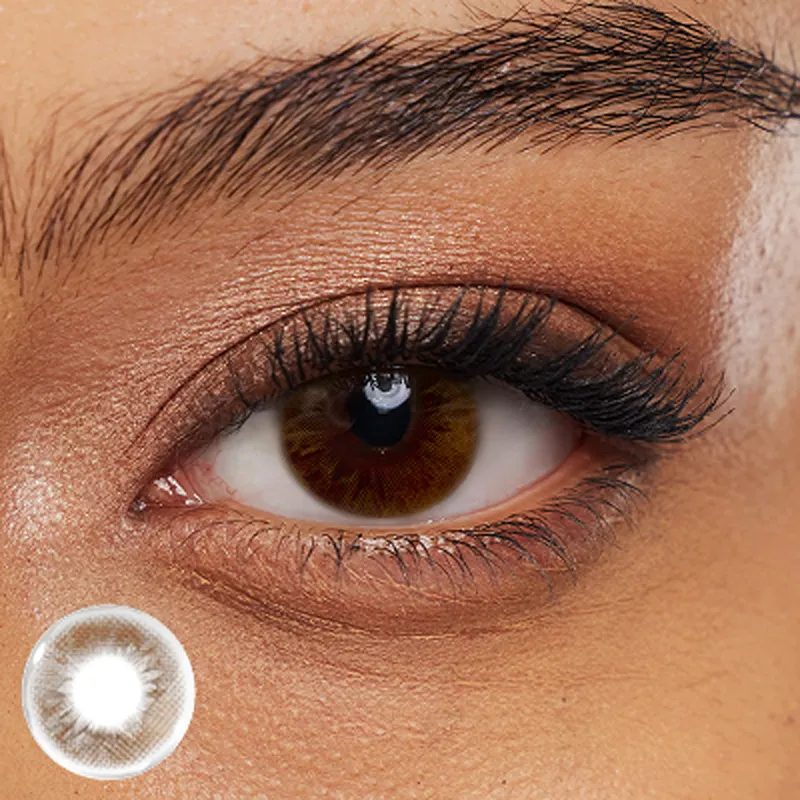
The best hazel contact lens depends on your natural eye color, skin tone, and whether you want a bold shift or subtle enhancement.
Hazel Contact Lens for Dark Eyes
Hazel contacts for dark eyes need real pigment deposit to show up. Most people with darker irises find that lighter hazel shades blend in too much, so you’ll want a medium to deep tone with brown base notes.
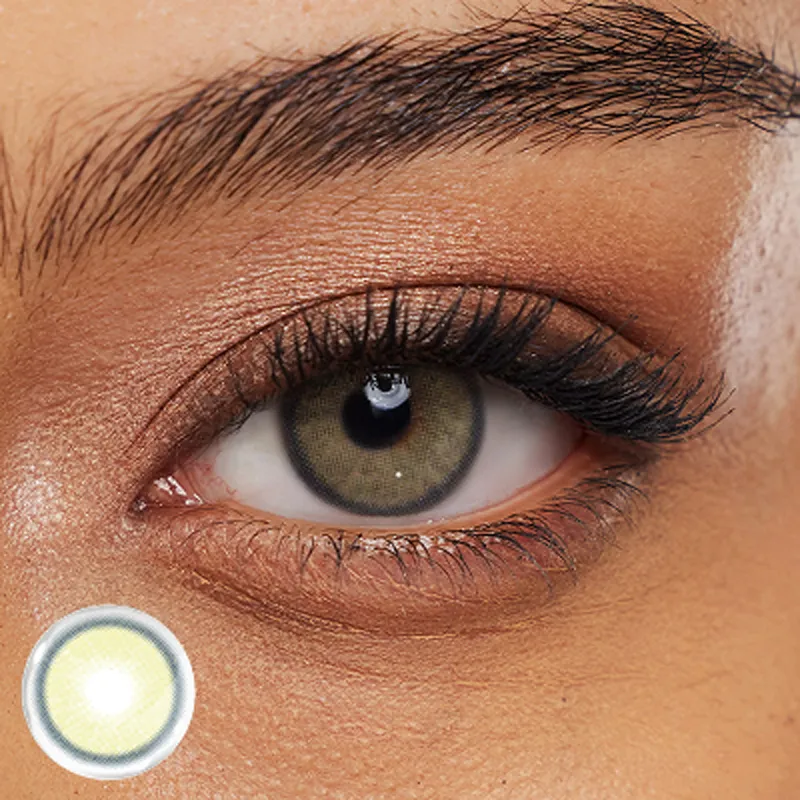
- The hazel contact lens works well because the amber and green blend creates definition without looking costume-like.
- Green toast adds a noticeable cool tone if your dark eyes lean warm.
- Golden brown contacts sit between warm and neutral, suiting most dark eye colors.
Test any of these with natural lighting before committing to a full box. Dark eyes show pigment best in daylight, so what looks muted indoors often has good color depth outside.
Green Hazel Contact Lenses vs. Brown Hazel
Green hazel and brown hazel are the two main categories. The difference is dramatic on your actual eye.
| Feature | Green Hazel | Brown Hazel |
|---|---|---|
| Best for | Cool skin tones, warm lighting | Warm skin tones, all lighting |
| Visibility on dark eyes | Moderate (green breaks through brown) | High (brown adds contrast) |
| Natural appearance | Can read as more striking | Usually reads as an upgrade |
| Longevity of color | Fades slightly over a year | Holds tone longer |
Green toast leans into the green-hazel spectrum, giving a cooler, more contemporary look. Golden brown contacts stay true to classic hazel warmth. Neither is more “natural”, it depends on what looks natural to you.
Natural Hazel Contact Lenses: Pigment and Design Matter
Natural hazel contact lenses succeed or fail based on two things: pigment density and limbal ring design.
- Pigment density determines how visible the color is. A hazel contact lens with light pigment vanishes on dark eyes but looks striking on light ones.
- Limbal ring (the dark border around the edge) adds dimension and makes any hazel shade feel less like a flat sticker on your eye.
GLOCOLENS hazel options come with subtle limbal rings, which is why they don’t read as costume contacts. Check the latest price and see the current 10% off offer to compare options side by side.
Brown Hazel Contact Lenses for All Skin Tones
Brown hazel works across skin tones because brown is universally flattering. The question is which undertone of brown.
- Warm brown hazel suits golden, olive, or warm undertones. Golden brown contacts fit here.
- Neutral brown hazel works on cool or warm skin equally. Standard hazel contact lens options fall here.
- Cool-toned brown hazel (rare) pairs with cool, pink-based skin for a cohesive look.
If you have warm skin and warm undertones, golden brown contacts will make your skin look brighter. If you have cool skin, green toast will create more contrast and depth.
Hazel Contacts on Dark Skin: Shade Selection
Hazel contacts on dark skin need enough saturation to read. Light peachy hazel or washed-out gray hazel disappear and waste money.
- Warm skin tones with deep complexions: golden brown contacts or a rich honey hazel.
- Cool skin tones with deep complexions: green toast or a muted bronze hazel.
- Check reviews and photos from people with similar complexion. Real-world photos beat marketing images.
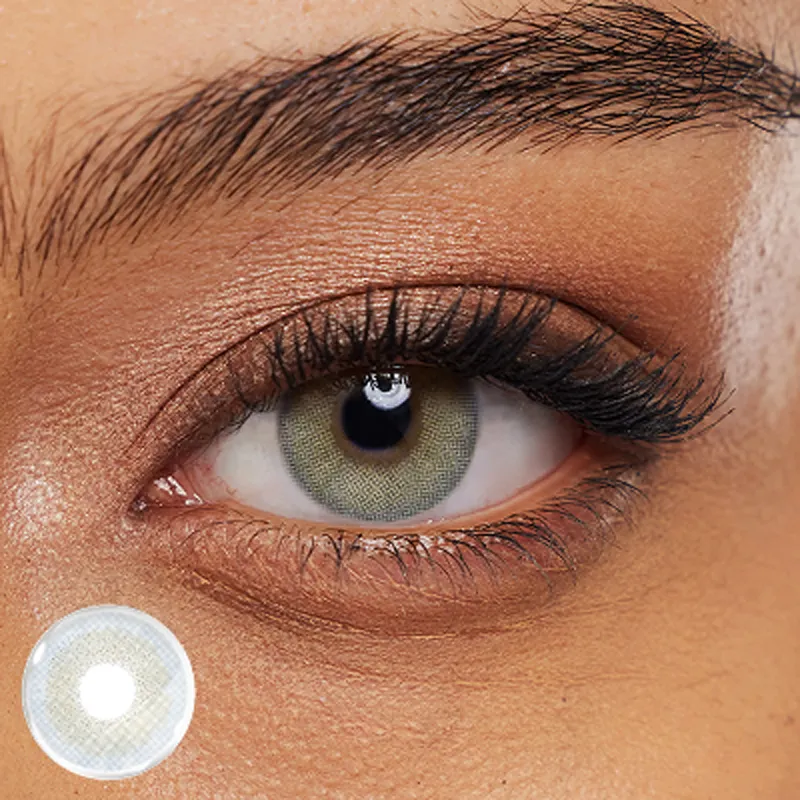
Luminous gray lenses can work on dark skin if you want a cooler, more dramatic shift, but brown hazel shades are usually the safer, more wearable choice for everyday use.
Hazel Contact Lenses Non Prescription: Comfort and Fit
If you need hazel contact lenses non prescription, the same comfort standards apply as prescription lenses. Don’t assume non-prescription means lower quality.
- Water content affects comfort. Higher water (55-59%) feels hydrating; lower water (40-45%) holds shape better but can feel drier by end of day.
- Material (silicone hydrogel vs. regular hydrogel) impacts oxygen permeability. Silicone hydrogel is gentler for longer wear.
- Grab the code to see current pricing on both prescription and non-prescription hazel options.
Wear time also depends on your eyes. Some people max out at 8 hours; others wear contacts 12 hours daily without issue. Start with shorter wear and build up.
How to Choose Between Hazel, Golden Brown, and Green Toast
Your choice comes down to three factors:
- Your natural eye color (lighter eyes show color faster; dark eyes need richer pigment).
- Your skin undertone (warm or cool).
- The look you want (subtle upgrade vs. noticeable change).
Authority sources on hazel lenses recommend testing one shade at a time so you know exactly what suits you. Additional styling tips from hazel lens experts confirm that makeup and lighting also shift how your contacts look.
Start with the hazel contact lens if you want the classic blend of green and gold. Pick green toast if you prefer cooler, more modern aesthetics. Choose golden brown contacts for warm, sun-kissed depth. All three deliver genuine color on GLOCOLENS, and you can find the current offer here.
Order a trial lens before committing to a full box. One day of wear teaches you more than any review.
Questions
Can a hazel contact lens look natural on very dark eyes?
Yes, if the lens has enough pigment density. Light hazel shades fade on dark eyes, but medium to deep hazel with brown undertones (like golden brown or standard hazel) adds visible color without looking fake. A defined limbal ring also helps create depth.
What's the difference between hazel contact lens and green toast?
Hazel contact lens typically blends green and gold for a balanced, classic look. Green toast is cooler and leans more green, making it better for cool skin tones and people who want a more contemporary color.
Are hazel contact lenses non prescription any different in quality?
No. Non-prescription hazel lenses use the same materials and pigment quality as prescription versions. The only difference is the prescription power (or lack of it). Comfort and color depend on the lens material and water content, not whether it corrects vision.
Which hazel shade works best for dark skin?
Golden brown contacts or rich honey hazel shades show up best because they have warm undertones and high saturation. Test shades on people with similar skin tones in real-life photos, since lighting in marketing images can be misleading.
How long does a hazel contact lens stay vibrant?
Most color lenses fade slightly over 6-12 months of wear. Brown hazel shades hold their tone longer than green-based hazels. Storing lenses properly in fresh solution and limiting daily wear time helps preserve color.
Should I choose golden brown contacts or luminous gray lenses?
Golden brown is warmer and more universally flattering; luminous gray is cooler and more dramatic. Choose based on your skin undertone. If you want a subtle upgrade, golden brown works better. If you want a noticeable color shift, gray lenses deliver more change.
Products in this guide
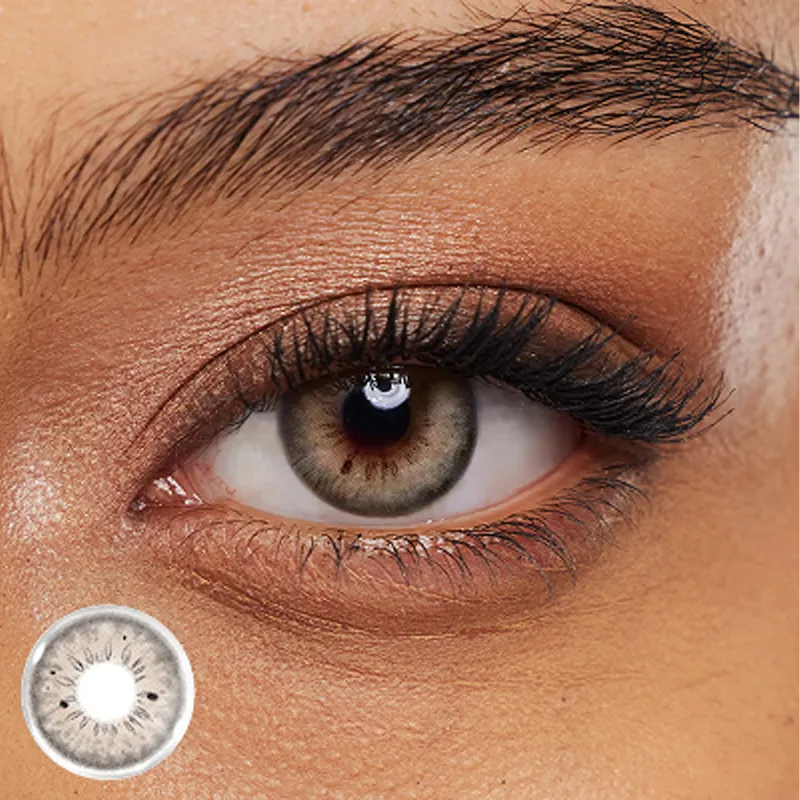 Shopping at GLOCOLENS? See the discount code
10% OFF Sitewide
Shopping at GLOCOLENS? See the discount code
10% OFF Sitewide
More in this series
Why Green Toast Contact Lenses Change Color Throughout the Day10 Sep 20264 minGolden Brown Contacts: Comfort, Longevity, and Real Wear Reviews10 Sep 20264 minDo Colored Contact Lenses Like Luminous Gray Lenses Damage Your Eyes?10 Sep 20264 minHow to Choose the Right Colored Contact Lens for Your Eye Color10 Sep 20265 min