 A GLOCOLENS guide
Why Green Toast Contact Lenses Change Color Throughout the Day
The green toast contact lens is a color-shifting chameleon that looks strikingly different under sunlight, indoor lighting, and flash photography.
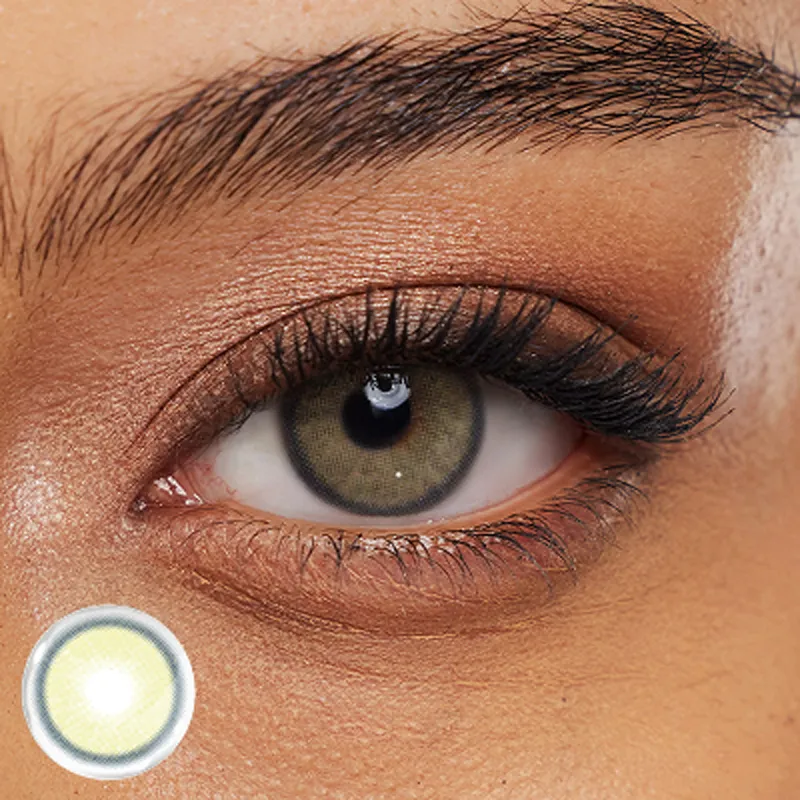
The green toast contact lens genuinely looks different depending on where you stand and what light hits your eye. That is not a flaw in the product or your imagination. It is the result of deliberate multi-layer pigment design, and once you understand why it happens you will know exactly how to show this lens off at its best.
What Makes Green Toast Lenses Look Different in Every Light
Color-changing contact lenses like this one are printed with two or more overlapping pigment rings rather than a single flat layer of dye. The outer limbal ring deepens the iris border, while the inner pattern blends with your natural eye color. Because each pigment layer absorbs and reflects light wavelengths slightly differently, the overall color your eye perceives shifts as the angle or quality of light changes.
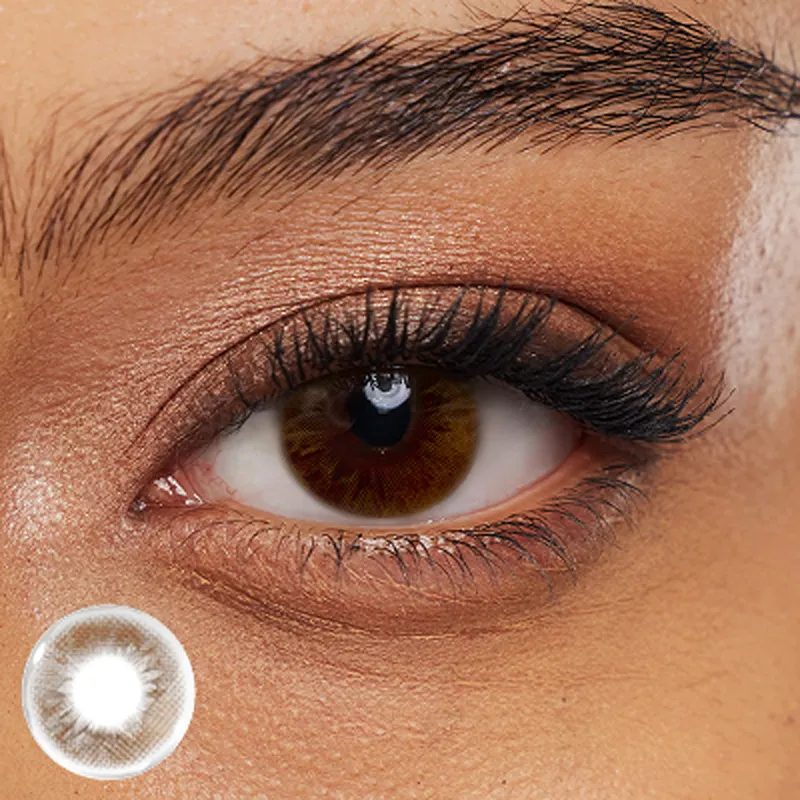
- Direct sunlight pushes the warm olive and hazel undertones to the surface, so the lens reads as a toasted golden-green.
- Overcast daylight flattens contrast and the lens leans closer to a cool sage or moss.
- Warm indoor bulbs pull out the amber base and the result looks very close to a hazel contact lens finish.
- Blue-toned LED or screen light cancels the warm tones and the lens reads as a cleaner, brighter green.
- Flash photography tends to saturate and brighten everything, so the lens can appear almost jade in photos.
This is the same optical principle behind shot silk and iridescent fabrics: the hue you see is a function of the light source, not a fixed property of the object.
How Your Natural Eye Color Interacts with the Pigment
Contact lens pigments are translucent by design because an opaque lens looks flat and unnatural. That translucency means the iris underneath bleeds through, and that blend is unique to every wearer.
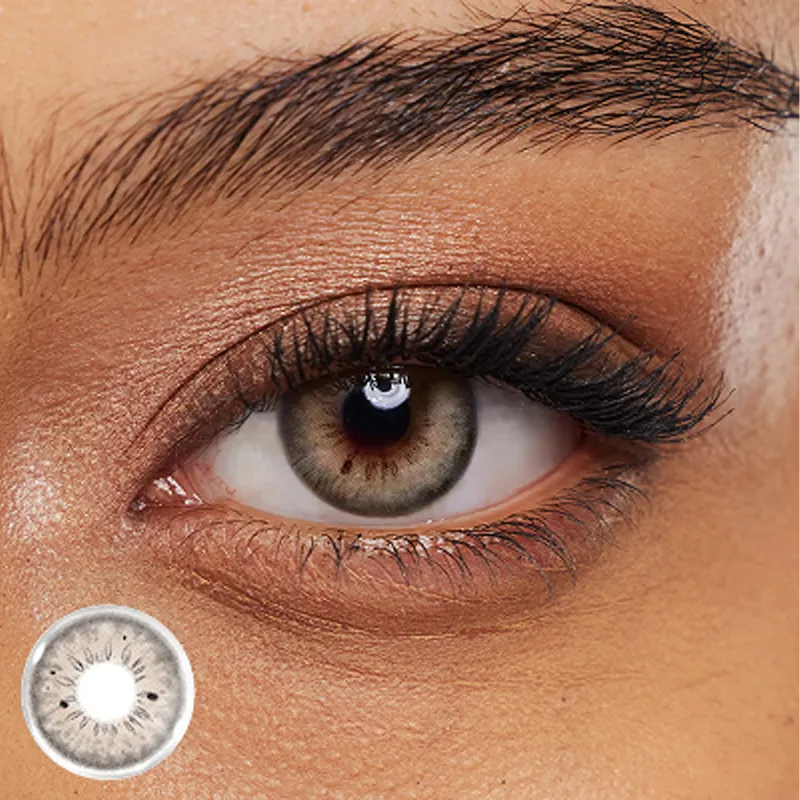
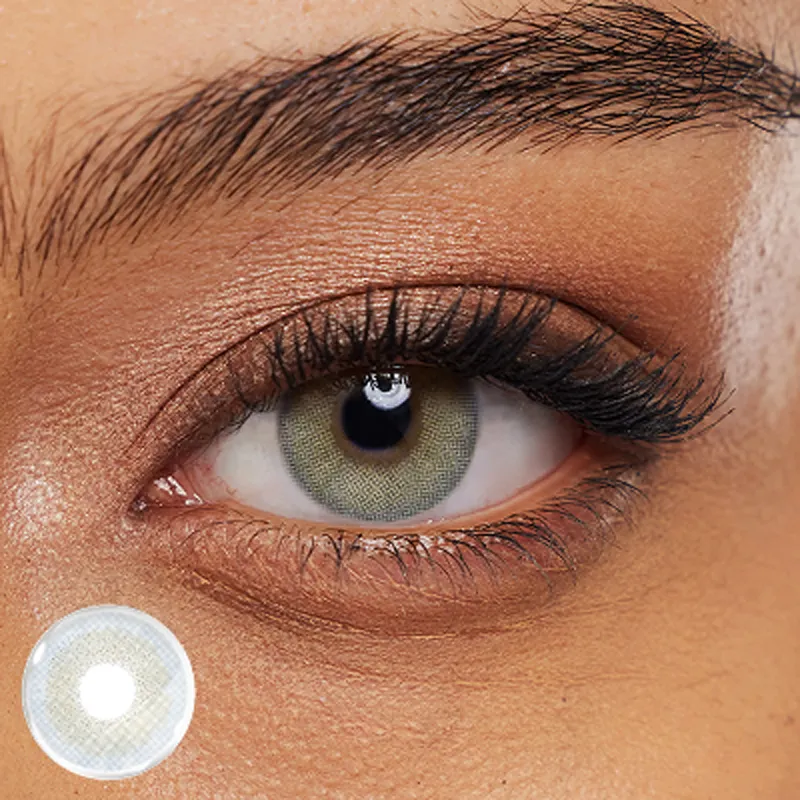
- Light gray or blue irises allow almost no warm undertone to mix in, so the lens skews greener and brighter.
- Dark brown irises add warmth and depth, pulling the lens toward an earthy, golden brown contacts-adjacent look.
- Medium hazel irises produce the most dynamic shift because the natural iris already has both green and brown tones competing.
If you have been wondering why your friend’s green toast lenses look totally different from yours in the same lighting, that is the answer. Same lens, different canvas.
Green Toast vs. Similar Lenses: A Quick Comparison
Choosing between related styles is easier with a side-by-side view. All four lenses below are available from GLOCOLENS and share the same comfortable daily or monthly wear format.
| Lens | Dominant Tone | Best For |
|---|---|---|
| Green toast | Warm olive-green | Natural daytime versatility |
| Hazel contact lens | Mixed green-brown | Subtle enhancement on any eye |
| Golden brown contacts | Rich amber-caramel | Warm, earthy looks |
| Luminous gray lenses | Cool silver-gray | High-contrast editorial style |
The green toast sits squarely between the hazel and golden brown in terms of warmth, which is exactly what gives it its chameleon quality. Grab the current discount code before trying any of these, since GLOCOLENS is running 10% off sitewide right now.
Lens Materials and Why They Affect Color Perception
The hydrogel or silicone hydrogel base of a contact lens is itself slightly tinted before pigments are added, and that base tint influences how vivid the print colors appear on your eye. A high water-content lens also curves differently on the eye than a stiffer silicone hydrogel, which changes the angle of refraction ever so slightly.
According to lens care guidance from the American Academy of Ophthalmology, wearing lenses within their approved replacement schedule also preserves the pigment clarity of colored contacts. Protein deposits that build up on an overused lens scatter light and make colors look dull or grayed-out. Replacing on schedule is the simplest way to keep the color shift effect vivid.
Who the Green Toast Lens Suits Best
This lens has broader appeal than most single-tone colored contacts because of that in-between warmth.
- Fair skin with cool undertones: The warm olive base adds dimension and stops the lens from washing you out.
- Medium or olive skin: The lens mirrors your natural undertones and reads as extremely natural, just enhanced.
- Deep or rich skin tones: The contrast between the light iris and skin creates a striking editorial look, particularly in photos.
- Anyone who wants one lens for multiple settings: Because the lens shifts with lighting, you do not need to swap styles between a day look and an evening look.
The luminous gray lenses suit high-contrast dramatic looks, while the hazel and golden brown options are warmer and more understated. Green toast lands in versatile middle ground.
How to Care for Color-Printed Lenses
The pigment layer on a colored contact lens sits inside the lens material rather than on the outer surface, so you cannot rub it off with normal handling. That said, proper care still matters.
- Always rinse lenses with fresh multipurpose solution, never tap water.
- Rub the lens gently with your fingertip for at least five seconds per side before soaking.
- Store in a clean case with fresh solution, not topped-up solution from the previous night.
- Replace the lens case monthly to prevent biofilm that can harbor bacteria.
- Follow the replacement schedule printed on the packaging, not how the lens “feels.”
Skipping these steps does not damage the print, but it does increase infection risk and causes the lens to deposit proteins faster, which dulls the color effect.
Where to Buy and How to Save
GLOCOLENS carries the full range covered in this guide. Check the latest price and grab the 10% sitewide code before you order so you get the best deal on any lens in the lineup. If you are still deciding, the green toast is the safest first step into color lenses because its natural warmth makes it forgiving across skin tones and lighting situations.
Questions
Why do my green toast contact lenses look different indoors versus outdoors?
The multi-layer pigments in the lens absorb and reflect light differently depending on the color temperature and intensity of the light source. Warm indoor bulbs bring out the amber-olive tones, while natural daylight or cool LEDs shift the lens toward a brighter, greener appearance.
Will these lenses look the same on dark eyes as on light eyes?
No, and that is intentional. The pigments are translucent, so your natural iris color blends through. Dark irises add warmth and depth, while light irises let the printed green tones dominate. Both results look natural; they just read differently.
How do green toast lenses compare to hazel contact lenses?
The hazel contact lens leans toward a mixed green-brown that mimics a natural hazel iris, while the green toast has a warmer olive-green base that shifts more noticeably with lighting. Green toast tends to be more dynamic; hazel tends to be more subtle.
Can I wear color-printed lenses every day, or are they only for special occasions?
GLOCOLENS color lenses are designed for regular wear within their stated replacement schedule, whether daily or monthly. As long as you follow proper hygiene and replacement guidelines, everyday wear is fine.
Do I need a prescription to order these lenses?
Most countries require a valid contact lens prescription even for purely cosmetic lenses. Check the GLOCOLENS product page for the prescription options available in your region before ordering.
Is there a discount available for first-time buyers?
GLOCOLENS is currently offering 10% off sitewide. Visit the store coupon page to get the current code before checkout.
Products in this guide
 Shopping at GLOCOLENS? See the discount code
10% OFF Sitewide
Shopping at GLOCOLENS? See the discount code
10% OFF Sitewide
More in this series
Golden Brown Contacts: Comfort, Longevity, and Real Wear Reviews10 Sep 20264 minDo Colored Contact Lenses Like Luminous Gray Lenses Damage Your Eyes?10 Sep 20264 minHazel Contact Lens vs. Green Toast: Which Looks Most Natural?10 Sep 20264 minHow to Choose the Right Colored Contact Lens for Your Eye Color10 Sep 20265 min