 A GLOCOLENS guide
Do Colored Contact Lenses Like Luminous Gray Lenses Damage Your Eyes?
Luminous gray lenses are safe when you follow proper care and wear guidelines, but like any contact lens, they carry risks if misused.
Luminous gray lenses are safe when you follow proper care and wear guidelines, but like any contact lens, they carry risks if misused. The key is understanding what causes damage, how to minimize it, and when to see an eye doctor. We’ll walk you through the real science so you can wear colored contacts with confidence.
Are Luminous Gray Lenses Safe for Your Eyes?
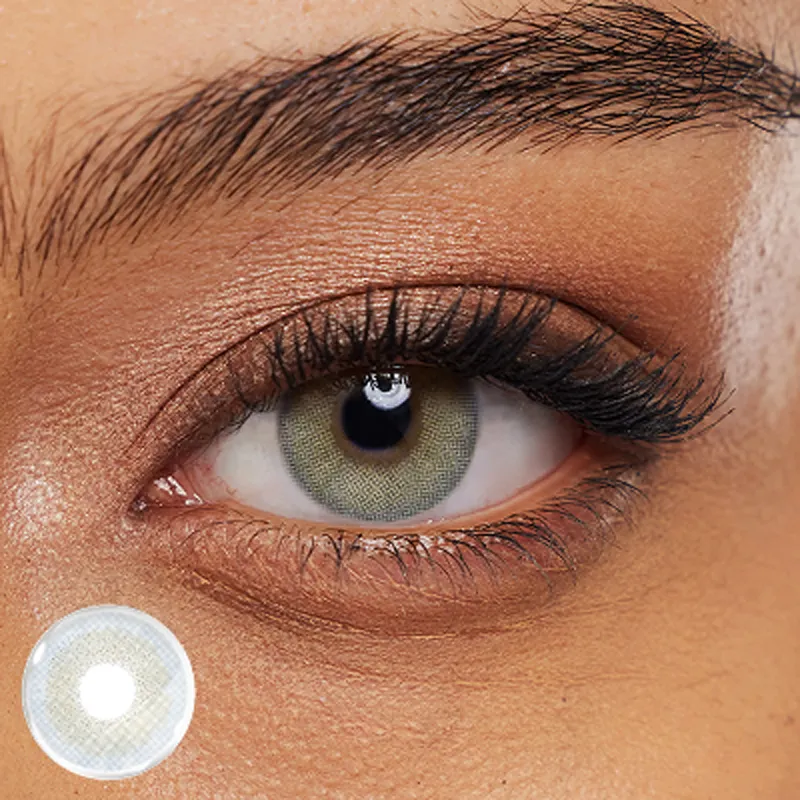
Colored contacts, including luminous gray lenses, are FDA-approved medical devices when they come from licensed manufacturers. The lens material itself does not harm your eyes. However, safety depends entirely on how you use them.
The biggest risk is not the color or tint. It’s improper fit, poor hygiene, overwear, and buying from unlicensed sellers. Lens complications range from mild (redness, dryness) to serious (corneal scarring, infection). The good news: these outcomes are preventable.
Quality matters. Products like hazel contact lens, green toast, golden brown contacts, and luminous gray lenses from GLOCOLENS come with prescriptions and fit guidelines. Always buy from regulated retailers and never share lenses with anyone else.
How Colored Lenses Actually Work
Colored contacts use different tinting techniques depending on the effect you want. How grey lenses work is not as simple as you think, and the same applies to luminous gray lenses and other shades.
Most colored contacts use one of three methods:
- Pigment tints: add solid color to the lens (visible even if you don’t need vision correction)
- Enhancement tints: deepen or brighten your natural eye color (best for darker eyes)
- Visibility tints: add a light blue or green tint to the lens material itself, making it easier to see and handle (not visible on your eye)
The tint layer itself does not compromise the lens structure. The color is embedded into or printed onto the lens material during manufacturing, the same way as regular contact lenses. The risk comes from wearing a poorly fitted lens or failing to clean it properly, not from the color itself.
Fit and Prescription Matter Most
A misfit lens is the leading cause of contact lens complications. Too tight, too loose, or the wrong power throws off how the lens sits on your cornea. This causes friction, reduced oxygen flow, and potential scratching of the eye surface.
Before wearing luminous gray lenses or any colored contact, you need:
- A current eye exam (within the past one to two years)
- A valid prescription from your eye doctor
- A fitted measurement of your cornea (base curve and diameter)
- A trial period to make sure the fit feels comfortable
Many people skip the fitting step and buy based on appearance alone. This is where damage happens. Even if you have worn regular contacts for years, a new style or brand may fit differently. Your eye doctor can tell you the exact measurements you need.
Daily Care Prevents Damage
Most eye problems from colored contacts come from improper cleaning and storage, not from wearing quality lenses.
Follow these steps every day:
- Clean the case daily: rinse with fresh solution, never reuse old solution
- Use a contact lens solution: never use water, saliva, or saline alone
- Wash your hands before handling: dried germs can transfer to the lens
- Replace your case every three months: bacteria can grow inside the case
- Do not sleep in dailies: unless they are FDA-approved for extended wear
- Remove lenses if your eyes feel irritated: do not push through pain or redness
If you notice persistent redness, discharge, or vision changes, remove the lenses and call your eye doctor. Infections can develop quickly if ignored.
Who Should Avoid Colored Contacts
Certain people face higher risk with luminous gray lenses and other colored contacts. Talk to your eye doctor if you have:
- Dry eye syndrome or chronic dryness
- Allergies that cause itchy, watery eyes
- A history of eye infections or corneal ulcers
- Astigmatism (unless you buy toric lenses designed for it)
- Contact lens intolerance from previous use
- Very sensitive corneas or thin eyelids
If you have any of these conditions, your eye doctor may recommend a different solution or a specific lens type that works for you. Do not assume colored contacts are off the table. Many people with dry eyes or mild astigmatism wear them successfully with the right fit and care routine.
Where to Buy with Confidence
Choose a retailer that requires a valid prescription before checkout. Grab the code to save 10% off sitewide at GLOCOLENS and access a full range of quality colored contacts, including luminous gray lenses.
Legitimate retailers verify your prescription with your eye doctor and provide detailed fitting information. They also offer customer support if you have questions about care or comfort. Avoid sellers who skip the prescription requirement, as these lenses are almost certainly unregulated and unsafe.
Key Takeaways
Luminous gray lenses do not inherently damage your eyes. The risk comes from improper fit, poor hygiene, overwear, or buying from unlicensed sources. Get a proper eye exam and prescription, follow daily care steps, and buy from a trusted retailer. Watch for signs of irritation and see an eye doctor if anything feels off.
Quality colored contacts are a safe way to change your look. The science backs it up, as long as you take responsibility for fitting and care.
Questions
Can luminous gray lenses damage your eyes if worn too long?
Yes, wearing any contact lens longer than recommended reduces oxygen flow to your cornea, causing irritation and potentially serious damage. Follow the wear schedule your eye doctor sets and remove lenses if discomfort starts.
Do I need a prescription to buy colored contacts like green toast or golden brown contacts?
Yes, all contact lenses are medical devices and require a valid prescription from an eye doctor, even if you have perfect vision. The prescription includes your lens power, base curve, and diameter for proper fit.
What is the safest way to care for luminous gray lenses?
Clean and rinse your lenses with fresh contact lens solution every day, replace your lens case every three months, wash your hands before handling, and never sleep in daily wear lenses unless they are FDA-approved for extended wear.
Can colored contacts cause permanent eye damage?
Permanent damage is rare when you follow proper fit and care guidelines. Risk increases with counterfeit lenses, poor hygiene, overwear, and ignoring signs of infection. Always buy from licensed retailers and see an eye doctor at the first sign of trouble.
Are hazel contact lenses safe for people with sensitive eyes?
Hazel contact lenses can work for sensitive eyes if they fit well and you use the right care routine, but you should talk to your eye doctor first to make sure they are right for you.
Products in this guide
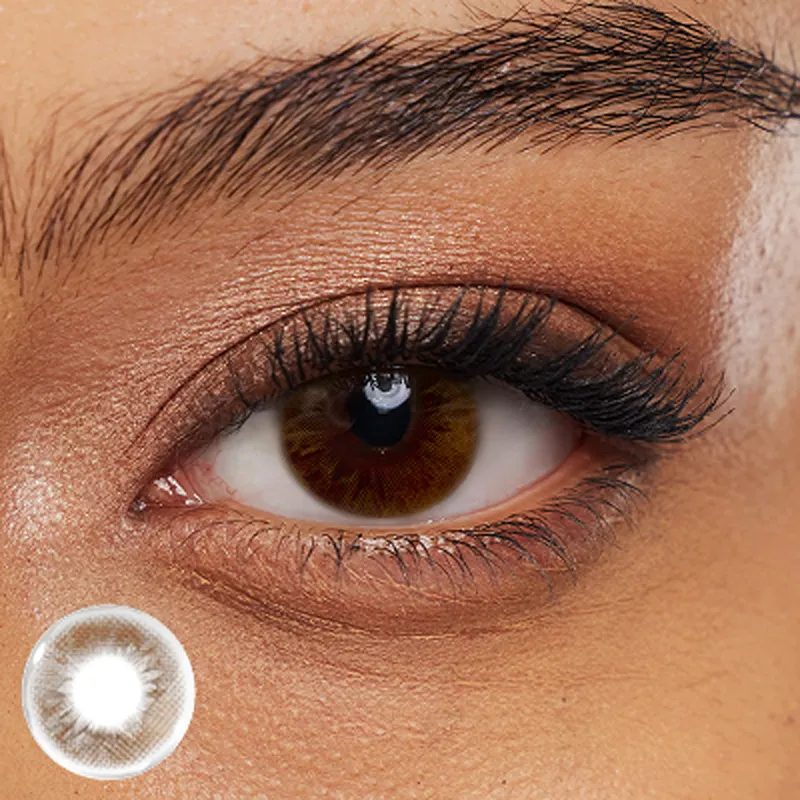
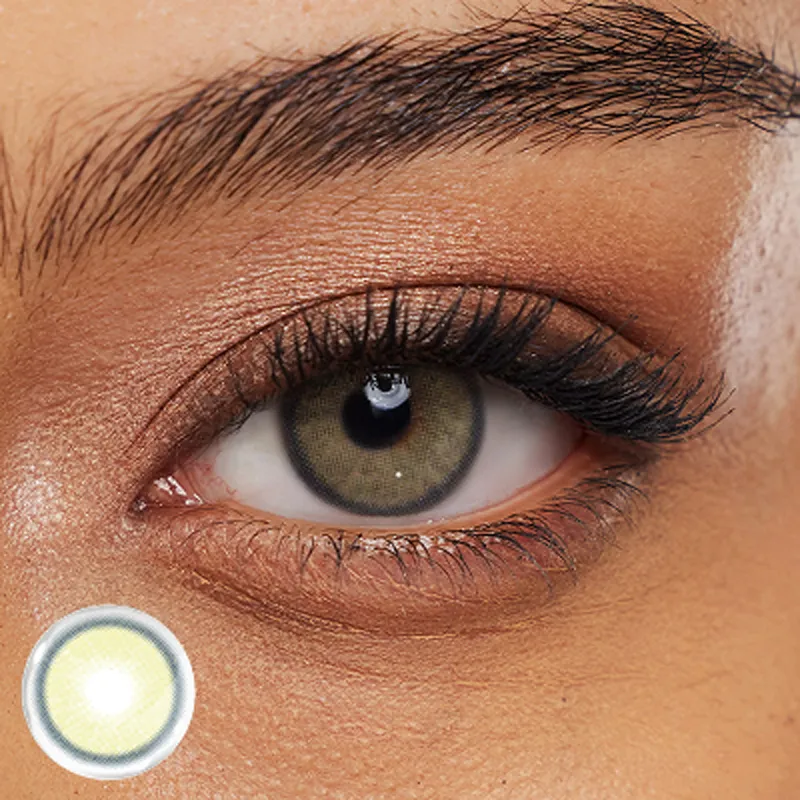
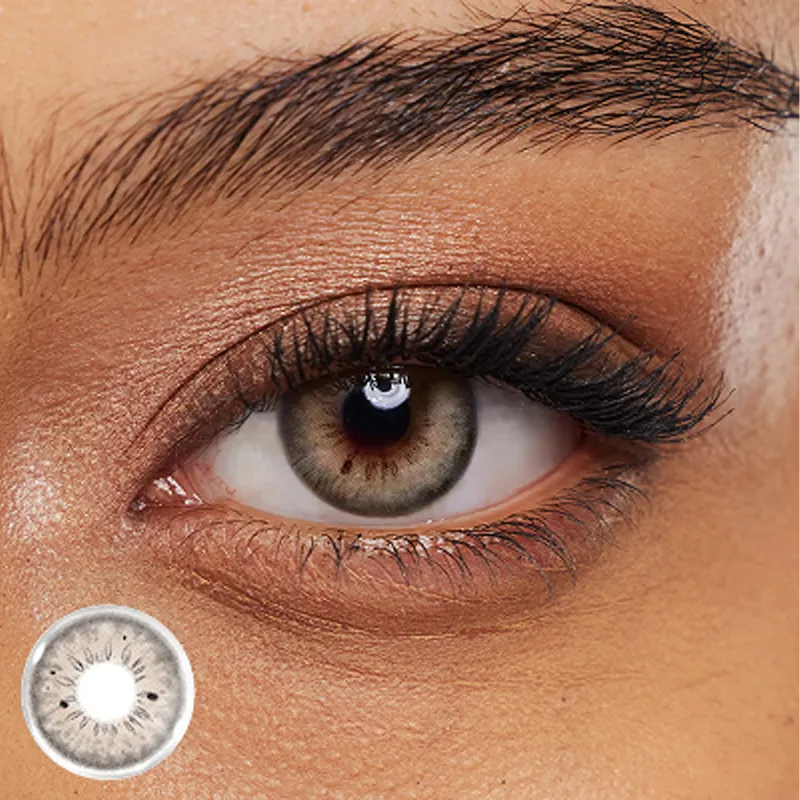 Shopping at GLOCOLENS? See the discount code
10% OFF Sitewide
Shopping at GLOCOLENS? See the discount code
10% OFF Sitewide
More in this series
Why Green Toast Contact Lenses Change Color Throughout the Day10 Sep 20264 minGolden Brown Contacts: Comfort, Longevity, and Real Wear Reviews10 Sep 20264 minHazel Contact Lens vs. Green Toast: Which Looks Most Natural?10 Sep 20264 minHow to Choose the Right Colored Contact Lens for Your Eye Color10 Sep 20265 min