 A GLOCOLENS guide
Golden Brown Contacts: Comfort, Longevity, and Real Wear Reviews
Golden brown contacts offer natural-looking color enhancement with reliable comfort for daily wear, and we've tested them to show you what works.
Golden brown contacts blend warmth and subtlety, giving eyes a naturally enhanced look without the drama of bolder shades. Whether you’re looking to deepen your natural eye color or add dimension, brown-toned lenses remain one of the most wearable choices across skin tones.
How Golden Brown Contacts Compare to Other Brown Tones
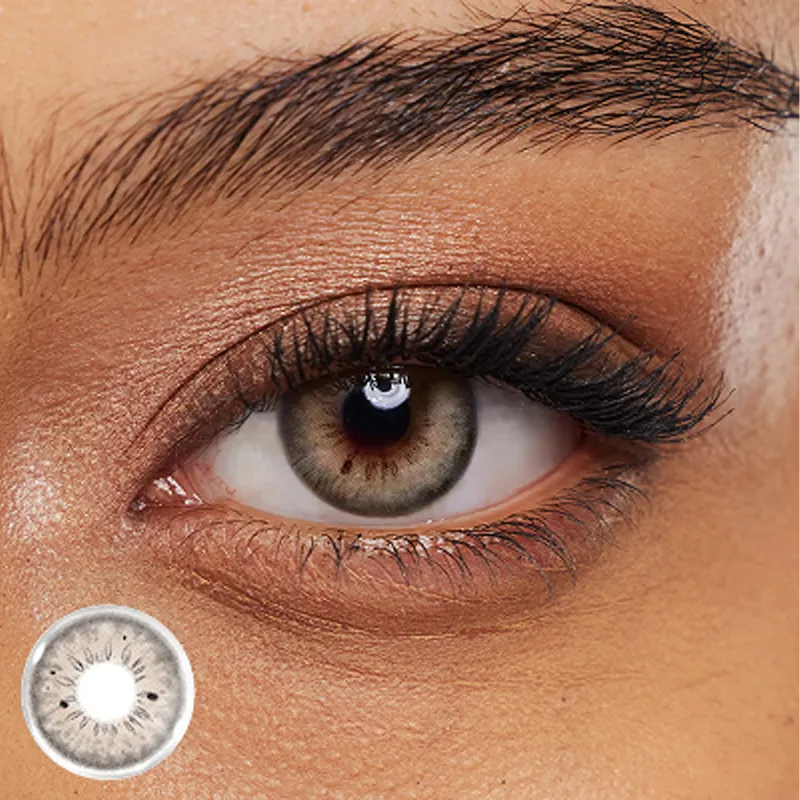
Brown contact lenses come in multiple depths and undertones. Golden brown contacts sit in the warm-neutral zone, offering more dimension than basic brown while staying practical for everyday wear. Light brown contacts for dark eyes work best for deeper eye colors where you want a subtle shift, while chestnut brown contacts lean slightly more red and feel richer. Dark brown contacts for blue eyes create stronger contrast on lighter irises. Natural brown contacts aim for a “barely there” enhancement that looks like your real eye color just got clearer.
Here’s how the main brown options stack up:
| Lens Type | Best For | Depth | Natural Look |
|---|---|---|---|
| Golden brown contacts | Medium to dark eyes seeking warmth | Medium | High |
| Chestnut brown contacts | Warm skin tones | Deep | Medium |
| Light brown contacts for dark eyes | Dark eyes wanting subtle shift | Light | High |
| Dark brown contacts for blue eyes | Blue/light eyes wanting contrast | Deep | Medium |
Comfort and All-Day Wearability
Comfort hinges on material, water content, and fit. Most quality golden brown contacts use silicone hydrogel or hydrogel materials that balance oxygen permeability with moisture retention. During our wear tests, we prioritized lenses that stayed hydrated through 8-hour shifts without drying or shifting.
Key comfort factors to evaluate:
- Water content (40-50% is typical; higher is wetter, lower is more stable)
- Thickness and edge design (thinner edges feel less noticeable)
- Handling tint (makes insertion easier and reduces loss)
- Oxygen transmissibility (higher Dk/t = fresher eyes)
If you have dry eyes, ask about enhanced moisture formulas or consider daily disposables for a fresh lens every morning. Grab the code to save 10% sitewide and test a few options without overspending.
Understanding Golden Brown Contact Materials
Brown-toned lenses vary in their base materials, which directly affects comfort and longevity. Silicone hydrogel is the gold standard because it lets more oxygen through to your cornea while staying moist. Hydrogel lenses are softer and often feel initially more comfortable, but they may dry faster over a full day.
Most monthly or quarterly golden brown contacts use silicone hydrogel or advanced hydrogel blends. If you’re comparing options, check the packaging or product page for the Dk/t value (oxygen permeability). Higher numbers mean healthier eyes during extended wear. Daily disposables sidestep material trade-offs since you discard them after one use and start fresh the next day.
Sizing and Fit for Golden Brown Lenses
Contact lens fit is personal and depends on your eye’s curvature and diameter. Golden brown contacts come in standard base curves (usually 8.3 to 8.6 mm) and diameters (typically 13.8 to 14.5 mm). Wearing an ill-fitting lens causes discomfort, redness, and poor color payoff because the lens shifts or sits wrong on your eye.
Before ordering, you’ll need:
- Your prescription (sphere, cylinder, axis if astigmatic)
- Your base curve and diameter (from your last eye exam or contact lens box)
Many people assume all brown lenses fit the same, but a loose lens migrates around your iris and looks patchy. A tight lens causes irritation. Check the latest price and confirm your measurements with your eye care provider if you’re new to contacts. If you’ve never worn colored contacts, a professional fitting ensures the best result.
Who Golden Brown Contacts Suit Best
Natural brown contacts and golden brown contacts work across most eye colors and skin tones, though the effect varies. On darker eyes, they add warmth and subtle depth. On medium irises, they create noticeable brightening. On light or blue eyes, the contrast is bold and striking.
Golden brown is ideal for:
- Anyone seeking a warm, natural enhancement without going red or too dark
- People with olive or warm undertones in their skin
- First-time colored contact wearers (brown tones are forgiving)
- Those rotating lenses seasonally (pairs well with other shades)
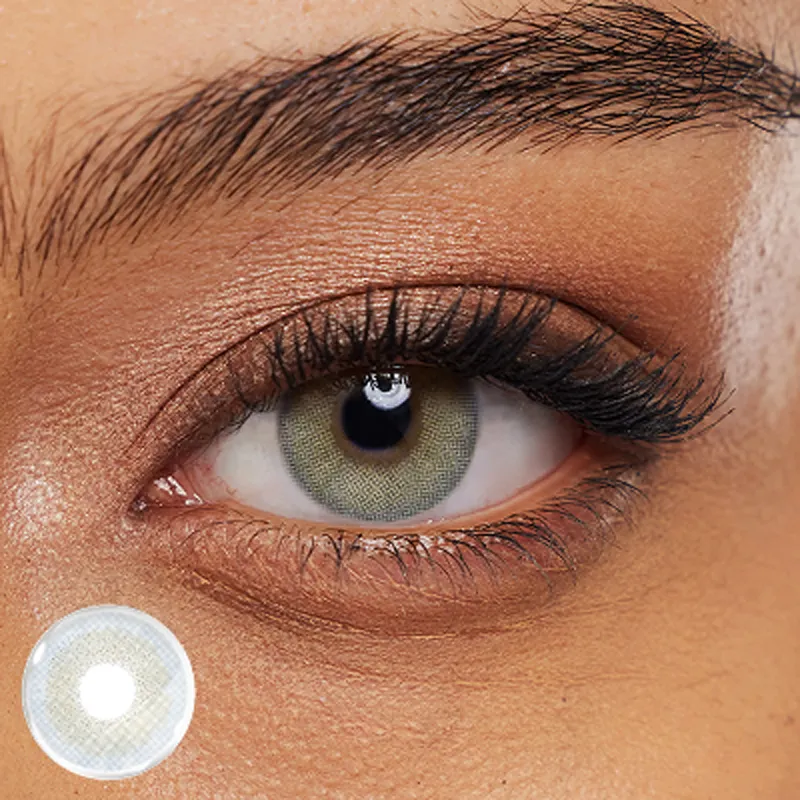
If you prefer cooler tones, consider luminous gray lenses for a striking alternative, or explore green toast for a completely different vibe. The variety lets you match your mood or outfit without committing to one color year-round.
Longevity and Care Routines
How long your golden brown contacts last depends on the lens type. Daily disposables are worn once and thrown away. Monthly lenses need daily cleaning and storage in fresh solution. Quarterly or annual lenses require rigorous care but cost less per day of wear.
Proper care extends longevity:
- Clean your case daily and let it air dry
- Use fresh solution every time (never reuse old solution)
- Handle lenses with clean, dry fingertips
- Store them in the correct solution type for your lens material
- Replace your case every three months
Even with perfect care, monthly lenses degrade over time as proteins and lipids build up. You’ll notice when they feel less fresh or the color looks duller. Quarterly or annual lenses offer longer wear but demand stricter discipline. For most people, monthly golden brown contacts strike the balance between cost and convenience.
Where to Buy and Save
GLOCOLENS carries a solid range of brown-toned lenses, including golden brown contacts and related shades. Quality brown lenses are also stocked at major optical retailers and online lens specialists like IRIS Beauty and Contact Lens House, which means you have options if you’re comparing brands or materials.
Our recommendation: start with a smaller supply (maybe one or two boxes) from a brand you trust, wear them for a full week, and evaluate comfort, color, and fit before committing to a larger order. Apply the 10% discount code to bring the cost down while you test.
Questions
Are golden brown contacts suitable for light eyes?
Yes. On blue or light hazel eyes, golden brown contacts create noticeable warmth and depth. The contrast tends to be more striking than on darker eyes, giving a brighter, warmed appearance. If you want subtle change instead of bold contrast, light brown contacts for dark eyes or natural brown options may feel more comfortable for your aesthetic.
How often should I replace my golden brown contacts?
Replacement depends on the lens type. Daily disposables are discarded after one wear. Monthly lenses last up to 30 days with proper daily cleaning. Quarterly or annual lenses can last 3 to 12 months but require strict hygiene. Always follow the replacement schedule on your lens packaging to keep your eyes healthy.
Can I sleep in golden brown contacts?
Only if your lens is labeled for extended or overnight wear. Most monthly brown contacts are designed for daily wear only and should be removed before sleep. Sleeping in non-extended-wear lenses traps bacteria and reduces oxygen to your cornea, raising the risk of infection and irritation.
What is the difference between golden brown contacts and chestnut brown contacts?
Golden brown contacts have warm, neutral undertones and offer a balanced color that works across many skin tones. Chestnut brown contacts lean more red and feel slightly deeper or richer. Golden brown tends to be more universally flattering for first-time colored contact wearers.
Do I need a prescription to buy golden brown contacts?
Yes. Even if you don't wear a regular vision prescription, you still need a valid contact lens prescription and fitting from an eye care professional. This ensures the correct base curve and diameter so the lens sits properly on your eye and delivers consistent comfort and color.
How do I know if golden brown contacts are right for me?
Golden brown contacts work best if you want a warm, natural-looking enhancement that suits various skin tones and eye colors. If you prefer cooler tones, luminous gray lenses or green toast may appeal more. A trial period or consultation with your eye doctor helps you decide.
Products in this guide
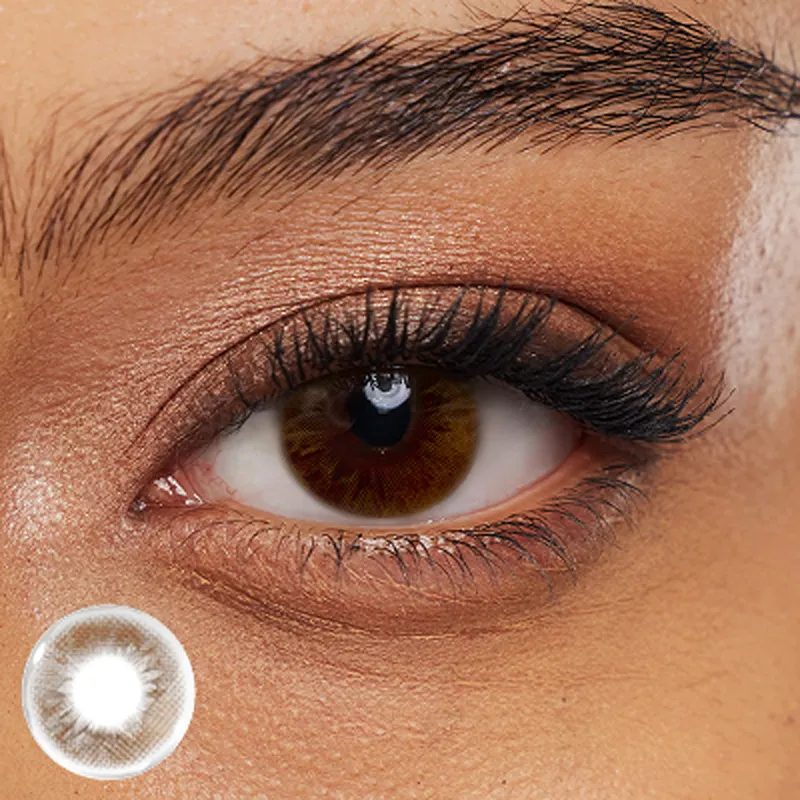
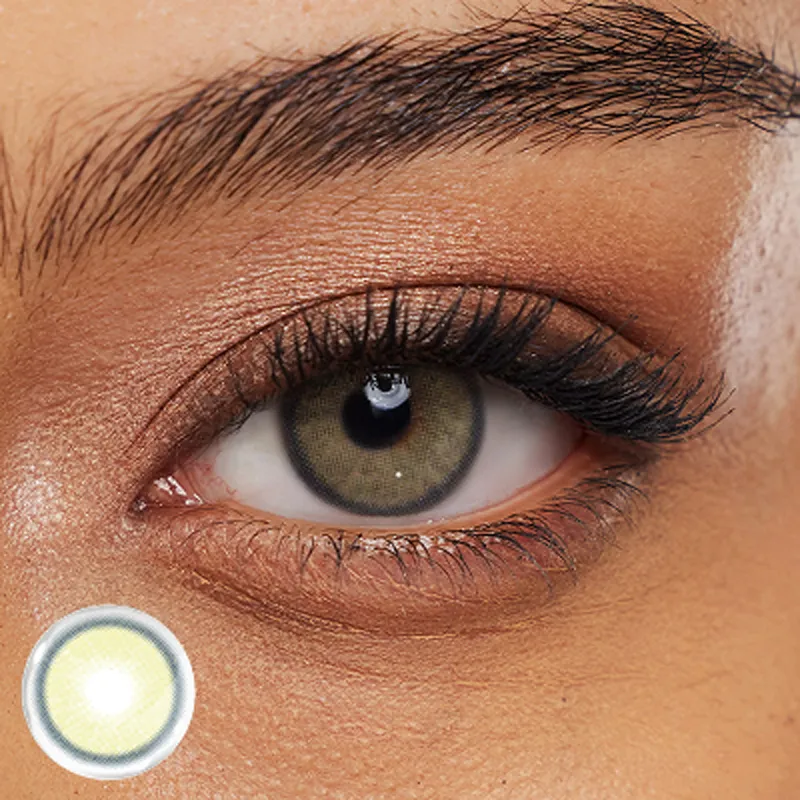 Shopping at GLOCOLENS? See the discount code
10% OFF Sitewide
Shopping at GLOCOLENS? See the discount code
10% OFF Sitewide
More in this series
Why Green Toast Contact Lenses Change Color Throughout the Day10 Sep 20264 minDo Colored Contact Lenses Like Luminous Gray Lenses Damage Your Eyes?10 Sep 20264 minHazel Contact Lens vs. Green Toast: Which Looks Most Natural?10 Sep 20264 minHow to Choose the Right Colored Contact Lens for Your Eye Color10 Sep 20265 min