 A Babytone guide
How to Choose a Babytone Pulse Oximeter for Newborns: What Parents Need to Know
A baby pulse oximeter gives parents real-time insight into their newborn's oxygen levels and heart rate, and Babytone's models offer practical options for home monitoring.
A baby pulse oximeter gives parents real-time insight into their newborn’s oxygen levels and heart rate, and Babytone’s models offer practical options for home monitoring. Whether you’re watching for signs of illness or simply want peace of mind, understanding how to pick the right device matters.
What is a baby pulse oximeter and why parents use one
A baby pulse oximeter measures two critical vital signs: oxygen saturation (SpO2) and heart rate. These readings help parents spot potential respiratory or cardiac concerns early, especially during sleep when changes can happen quietly. Newborn pulse oximetry screening is already standard practice in hospitals to detect congenital heart issues; home monitors extend that vigilance beyond the hospital stay.
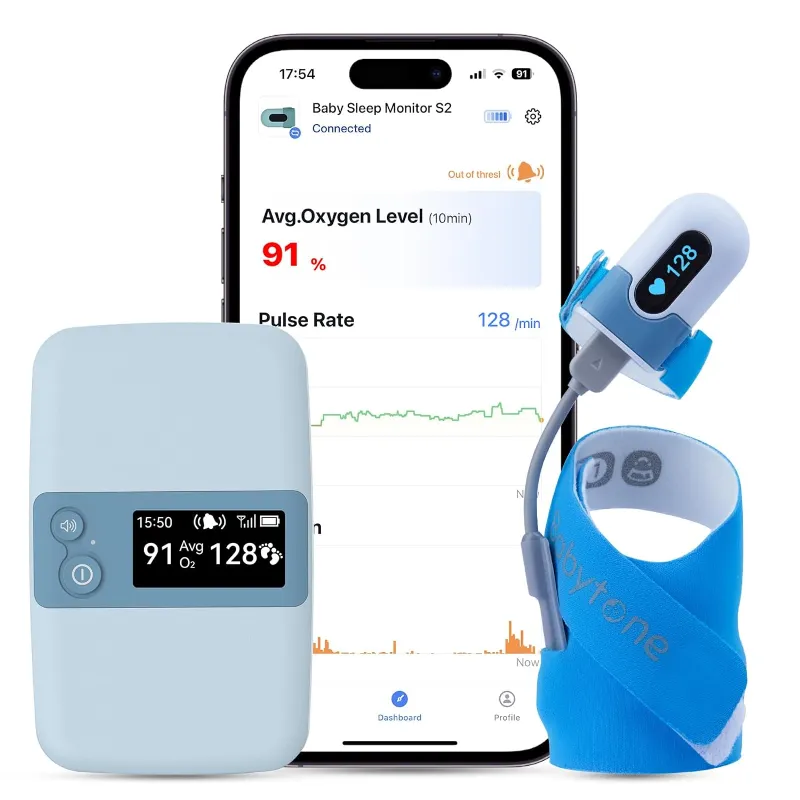
Babytone makes several versions of the baby pulse oximeter to fit different preferences and age ranges. Some parents prefer the simplicity of a newborn foot monitor, while others opt for an infant pulse ox monitor that wraps around the ankle or fits over smaller limbs. The key is choosing based on how your newborn will wear it most comfortably.
Babytone pulse oximeter models compared
Babytone offers several styles within their oximeter newborn lineup, each with different form factors and features. Here’s how the main options stack up:
| Model | Best For | Wear Style | Key Feature |
|---|---|---|---|
| Newborn Foot Monitor | Newborns in first months | Soft wrap on foot | Gentle on tiny skin |
| Newborn Ankle Monitor | Growing infants | Adjustable ankle band | Easy repositioning |
| Babytone Sleep Sock | Night monitoring | Integrated sock design | Stays on during movement |
| Baby Oxygen Monitor | Continuous home use | Wrist or finger attachment | More data tracking |
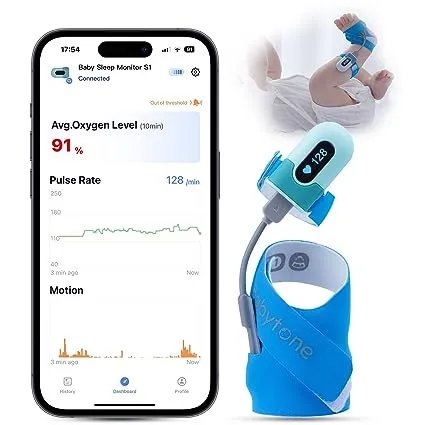
Each baby pulse ox model from Babytone uses the same core technology (non-invasive light sensors read oxygen and heart rate through the skin) but the form factor changes how long it stays in place and how comfortable your baby feels wearing it. For most newborns, the foot or ankle style works best because little limbs tolerate them better than finger clips.
Choosing between foot, ankle, and sleep sock monitors
The oximeter for infants that works best depends on your baby’s size, age, and how much they move during sleep.
- Newborn foot monitor: Ideal for babies under 6 months. The soft material minimizes irritation on delicate skin, and the large surface area keeps the sensor stable even as your baby kicks.
- Newborn ankle monitor: Works well as your baby grows and becomes more active. The adjustable design means you won’t need to buy a new one as their limbs get larger.
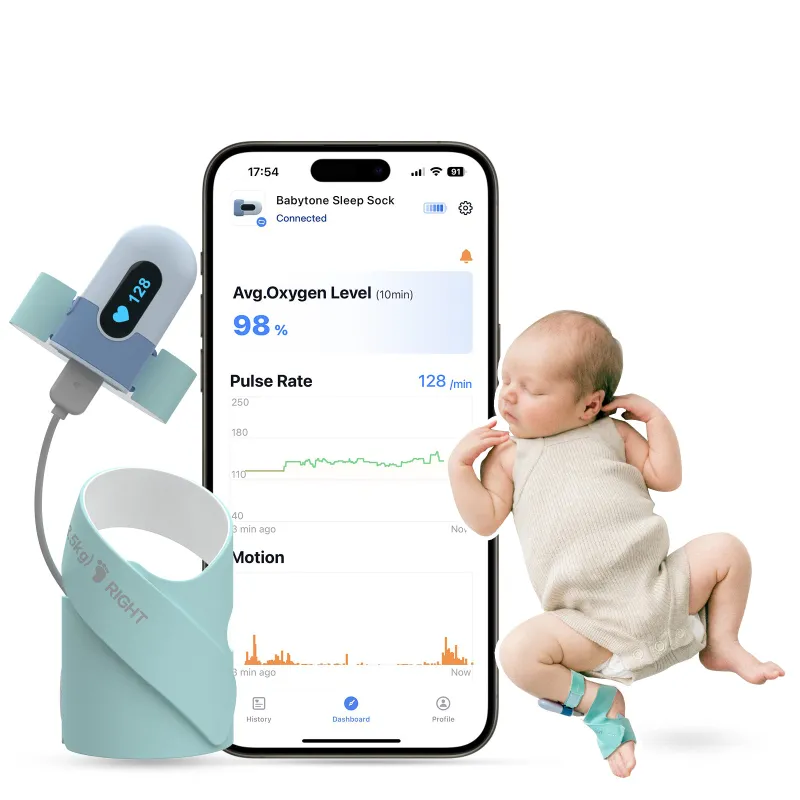
- Babytone sleep sock: Combines comfort and security by integrating the sensor into a soft sock. This style is excellent if your baby tends to kick off wraps or if you want to wear the monitor during daytime naps too.
- Baby oxygen monitor with wrist attachment: Better suited for older infants (6+ months) who can tolerate a snugger fit. Offers more detailed data if you’re tracking trends over time.
Material, comfort, and fit for your newborn
Babytone designs its monitors with soft, hypoallergenic materials that won’t irritate a newborn’s sensitive skin. The pulse oximeter infant models use breathable fabrics to reduce heat buildup during overnight wear.
When sizing, remember that a proper fit is critical for accurate readings. The sensor needs gentle, consistent contact with the skin, too tight cuts off circulation, too loose and you’ll get false readings. Most Babytone monitors have adjustable bands for this reason.
- Check the sizing guide on the product page before ordering; newborn and infant sizes differ.
- Expect to wash the device weekly. Most Babytone models have removable sensor wraps you can hand wash.
- Rotate which foot or ankle you use to avoid irritating one spot.
- If you notice red marks after removal, give skin a rest day before reapplying.
How to set up and read your baby’s oximeter data
Once you have your oximeter newborn device, setup is straightforward. Most Babytone models sync via Bluetooth to a companion app that displays real-time readings and logs trends over time.
- Charge the main unit fully before first use.
- Download the Babytone app and create an account.
- Pair the monitor to your phone via Bluetooth.
- Slip the sensor wrap onto your baby’s foot, ankle, or into the sleep sock.
- The app will show SpO2 (usually 95-100% in healthy infants) and heart rate (typically 120-160 bpm for newborns).
Many parents set gentle alarms if readings drop below safe thresholds. Understanding what the numbers mean is important, occasional dips during sleep can be normal, while persistent low readings warrant a call to your pediatrician.
Who should use a Babytone pulse oximeter
A baby pulse oximeter is especially helpful if your newborn has a family history of heart conditions, was born prematurely, or is recovering from respiratory illness. Healthy full-term infants don’t medically require home monitoring, but many parents find the reassurance valuable, particularly during the first few months when sleep anxiety is high.
The infant sleep monitor function in Babytone’s app also tracks sleep duration and patterns, giving parents data alongside vital signs. This combined view helps you spot correlations between sleep quality and any breathing irregularities.
Where to buy and current pricing
Babytone monitors are available directly from the Babytone website, where you can grab the code for 15% off all orders. Compare the different models on their product pages to see which sensor style suits your newborn best. Check the latest price before checkout to confirm you’re getting the best deal.
Because newborns grow fast, many parents buy a smaller model first (like the foot monitor) and upgrade to an ankle monitor later. Starting with one device lets you test whether your family will actually use it before investing in multiple units.
Final thoughts
Picking the right baby pulse oximeter comes down to your baby’s size, your comfort level with technology, and how you plan to use the data. Babytone’s range (from the simple newborn foot monitor to the full-featured oxygen monitor) means there’s a fit for different needs. Take time to read reviews of the specific model you’re considering, and don’t hesitate to reach out to Babytone’s support team with sizing or setup questions.
Questions
Is a baby pulse oximeter safe to use on newborns all night?
Yes, Babytone monitors are designed for continuous wear and are safe for overnight use. The soft materials and adjustable fit minimize skin irritation. Rotate which foot or ankle you use every few days to give skin a break.
What's the difference between the newborn foot monitor and the newborn ankle monitor?
The foot monitor is softer and better suited to very small newborns in their first weeks. The ankle monitor has an adjustable design that grows with your baby and works better as they become more active and kick more during sleep.
Can I use a baby pulse oximeter to diagnose a heart condition?
No. A home baby pulse oximeter is a monitoring tool, not a diagnostic device. If you notice concerning patterns or consistently low readings, contact your pediatrician. Hospital-grade equipment and professional evaluation are needed for diagnosis.
How accurate are Babytone pulse oximeters compared to hospital equipment?
Babytone monitors use the same non-invasive light-sensor technology as clinical devices. They're accurate for trend tracking and spotting significant changes, though they may have minor variations during movement. For precise medical diagnosis, hospital equipment is the standard.
What oxygen saturation level should I be concerned about in my newborn?
Healthy newborns typically show SpO2 readings of 95-100%. Brief dips to 90-95% during sleep can be normal, but persistent readings below 90% warrant a call to your pediatrician. Always consult your doctor about what thresholds make sense for your specific baby.
Which Babytone baby pulse oximeter should I buy if my newborn is very small or premature?
Start with the newborn foot monitor, as it accommodates the smallest limbs and gentlest skin. Its large surface area ensures stable sensor contact. If your baby outgrows it or you need adjustability, the babytone sleep sock or newborn ankle monitor are good next steps.
Products in this guide
 Shopping at Babytone? See the discount code
15% OFF All Orders
Shopping at Babytone? See the discount code
15% OFF All Orders
More in this series
Why Parents Choose Babytone Sleep Monitors Over Other Newborn Pulse Oximeters14 Sep 20264 minBabytone Oxygen Monitor Care and Maintenance: Keeping Your Infant’s Device Clean and Accurate14 Sep 20264 minDo Babytone Foot Monitors and Ankle Monitors Really Work for Newborn Safety?14 Sep 20265 minBabytone Sleep Sock vs. Traditional Infant Pulse Oximeter: Which Monitor is Right for Your Baby14 Sep 20264 min