 A Babytone guide
Babytone Sleep Sock vs. Traditional Infant Pulse Oximeter: Which Monitor is Right for Your Baby
An infant pulse ox monitor tracks your baby's oxygen levels during sleep, and the choice between a wearable sock and a traditional finger monitor depends on your setup and comfort level.
An infant pulse ox monitor tracks your baby’s oxygen levels during sleep, and the choice between a wearable sock and a traditional finger monitor depends on your setup and comfort level.
Babytone Sleep Sock vs. Traditional Infant Pulse Oximeter Monitors
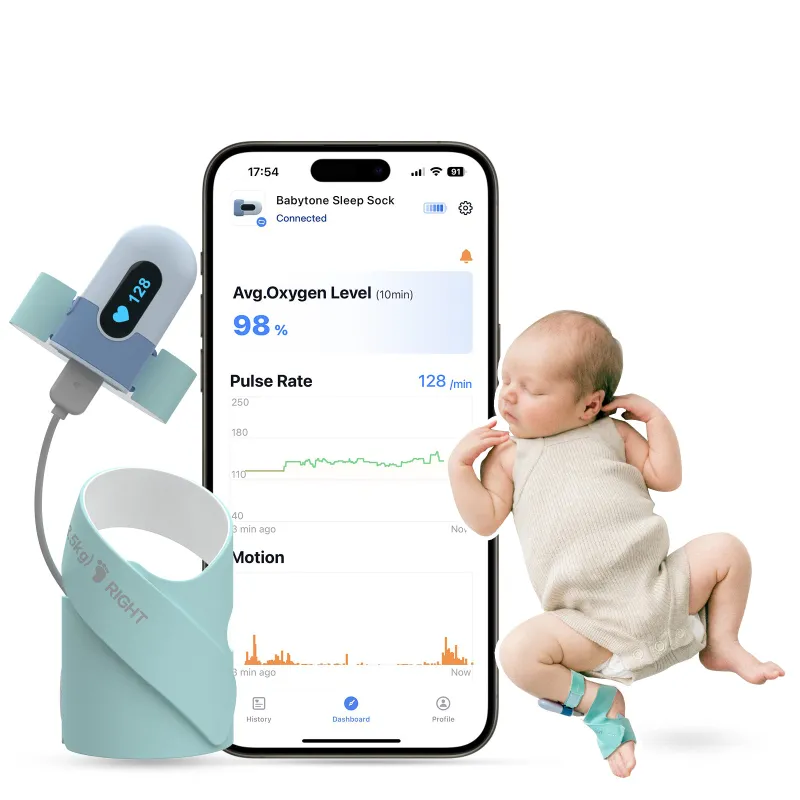
The babytone sleep sock and traditional pulse oximeters serve the same goal but take different approaches. The sleep sock wraps around your baby’s foot or ankle like a soft garment, while traditional monitors use a clip that attaches to a finger or toe. Both track oxygen saturation and heart rate, but their comfort, ease of use, and durability differ in ways that matter for nighttime monitoring.
Traditional models like the pulse oximeter for newborn often feel intrusive to parents and babies alike, a clip tugging on tiny toes all night isn’t anyone’s idea of comfort. The sleep sock solves this by distributing pressure evenly and staying in place without pinching. If your baby sleeps restlessly or you’re tired of readjusting monitors, the sock design is a real upgrade.
How Each Monitor Works and What Fits Your Routine
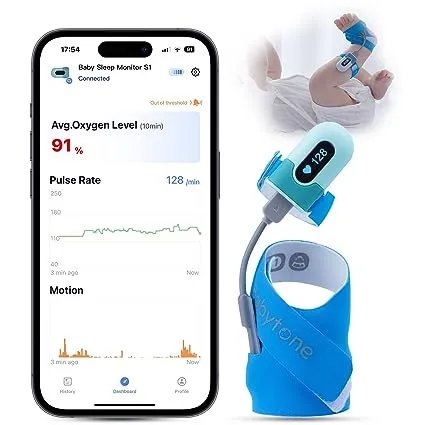
Traditional infant pulse ox monitors use red and infrared light to measure oxygen saturation through the skin, then display readings on a small screen or send alerts to your phone. You clip it on, check the reading, and remove it between uses. This works well for spot checks during the day but can feel awkward during all-night monitoring.
The babytone sleep sock takes a different path. You slip it on like a tiny sock, and it monitors continuously without you having to reposition anything every time your baby rolls over. Many parents find this simpler for bedtime routines, one placement, hours of monitoring, no fussing.
- Traditional monitors: quick readings, portable, require active management
- Sleep sock: set it and forget it, gentle on skin, better for extended wear
- Both track oxygen saturation and heart rate equally well
If you’re doing daytime spot checks only, a baby oxygen monitor or oximeter newborn gives you flexibility. For overnight peace of mind, the sock’s passive design wins.
Comfort and Fit for Growing Babies
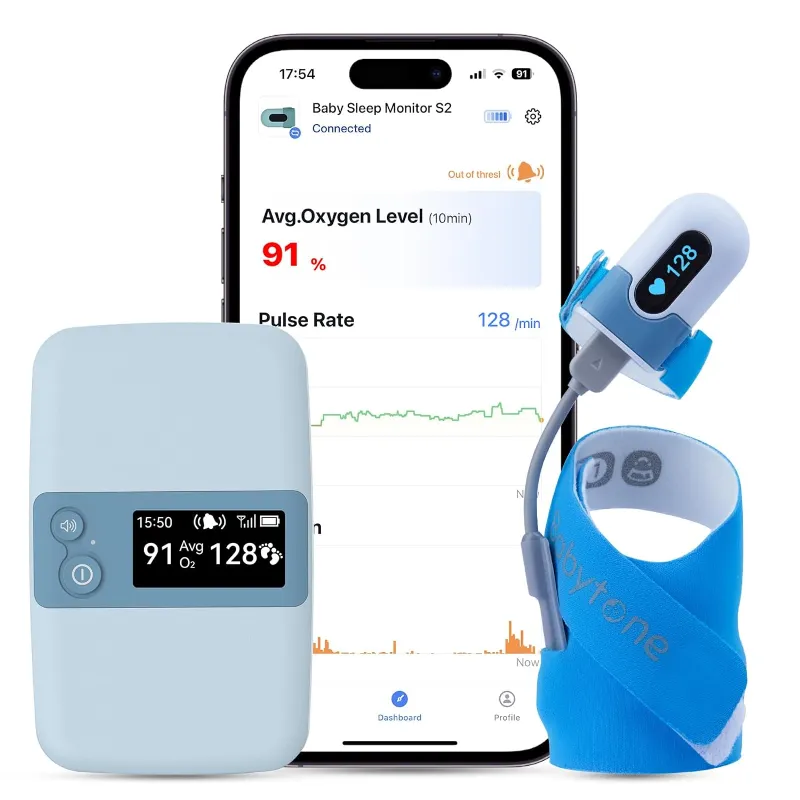
Size matters more than you’d think. The newborn foot monitor is designed for newborns with smaller feet, while the newborn ankle monitor works better as your baby grows into the first few months. Traditional clip models come in various sizes too, but they’re harder to keep secure as your baby kicks and moves.
The babytone sleep sock accommodates growth better because the fabric stretches and adjusts as your baby’s foot or ankle changes. You’re not buying a new monitor every month. The sock fabric is also gentler on delicate newborn skin and won’t leave marks from pressure points.
| Feature | Sleep Sock | Traditional Monitor |
|---|---|---|
| Comfort for all-night wear | Excellent | Good |
| Growth accommodation | Flexible sizing | Fixed clip sizes |
| Skin marks after removal | None or minimal | Possible indentation |
| Ease of reapplication | Simple | Requires repositioning |
Parents report fewer overnight disruptions when using the sock because there’s no clip shifting or alarm sensitivity to adjust mid-sleep.
Accuracy and Medical-Grade Features
Both the baby pulse oximeter and pulse oximeter infant styles are capable of FDA approved infant pulse oximeter reliability. What matters is that you’re using the right size and keeping the sensor clean. A clip that’s too loose or a sock that’s slipped off your baby’s foot gives false readings.
Smart infant monitors: a pediatrician’s guide notes that device type matters less than consistency, what helps most is knowing your baby’s baseline and catching significant drops, not obsessing over every single reading.
The babytone sleep sock has a built-in alarm for low oxygen, which means you don’t have to stare at a screen. Traditional pulse oximeter for newborn models vary widely here, so check the specs on your specific unit.
Cleaning and Long-Term Use
Clips corrode and collect dust. Soft socks wash easily and last through multiple babies. If you’re planning to use the monitor beyond your first child, durability becomes a cost factor.
The infant sleep monitor design (whether sock or clip) depends on regular maintenance. For socks, a gentle hand wash between uses keeps the sensors clean. For traditional oximeter for infants models, you’re often replacing adhesive strips or dealing with corrosion on the clip.
Grab the code to explore current pricing on sleep sock models and see which fits your budget.
Who Needs Continuous Monitoring and Who Doesn’t
If your baby was premature, has a heart condition, or your pediatrician recommended home monitoring, continuous overnight tracking makes sense. The babytone sleep sock excels here because it doesn’t require resetting or repositioning, which is especially helpful when you’re already losing sleep over worry.
Parents doing occasional daytime checks can stick with a traditional baby pulse ox monitor, simpler, less gear, less attachment. But if you’re monitoring nightly, the sock’s comfort and reliability advantage shows fast.
Watch the Baby, Not the Number: Home Pulse Oximetry and what the evidence actually shows reminds us that an infant pulse ox monitor is a tool to support your judgment, not replace it. Paired with observation of how your baby looks and acts, either style works well when used correctly.
Choosing Your Infant Pulse Ox Monitor Setup
Pick the sock if you need continuous nighttime monitoring, value comfort, and want something that grows with your baby. Pick the traditional monitor if you’re doing spot checks, need portability, or want to avoid another piece of clothing laundry.
Many families use both, the oximeter newborn for quick daytime checks and the babytone sleep sock for overnight peace of mind. Check the latest price and see which combination fits your needs and budget. Babytone’s 15% off current offer applies to all their monitors, so this is a good time to compare models side by side before deciding.
Questions
What should a normal oxygen level be on an infant pulse ox monitor?
Most healthy babies have oxygen saturation between 95 and 100%. Your pediatrician will tell you your specific baby's baseline and what readings should trigger an alert. Don't compare your baby's numbers to another baby's, focus on consistency and your doctor's guidance.
Can I use the babytone sleep sock on my newborn's ankle instead of foot?
Yes, the newborn ankle monitor style is designed to fit either location depending on comfort and fit. Check the sizing guide for your baby's age and weight to ensure a snug but not tight placement that won't slip during sleep.
How long can my baby wear an infant pulse ox monitor at night?
Most soft monitors like the babytone sleep sock can stay on safely for 8-12 hours. Take breaks every few hours if possible, and check that the sensor and skin underneath are clean and not irritated. Your pediatrician may have specific guidance for your baby's needs.
Do I need an FDA approved infant pulse oximeter for home use?
For medical safety, yes, look for FDA clearance on any monitor you buy. All Babytone monitors meet these standards. FDA approval means the device has been tested for accuracy and safety, which matters when you're relying on readings to track your baby's health.
Which is easier to use, the sleep sock or a traditional clip monitor for a fussy baby?
The sleep sock is gentler because there's no clip pinching, and it stays in place without readjustment. Fussy babies often sleep better without something tugging on their toes, and you won't wake them repositioning a slipping clip all night.
Can I use my infant pulse oximeter during the day or just at night?
Either style works day or night. Traditional clip monitors are better for daytime spot checks since you can use them for a few minutes then remove them. Sleep socks are designed for longer wear, but some parents use them anytime they want continuous monitoring.
Products in this guide
Shopping at Babytone? See the discount code
15% OFF All Orders
More in this series
Why Parents Choose Babytone Sleep Monitors Over Other Newborn Pulse Oximeters14 Sep 20264 minBabytone Oxygen Monitor Care and Maintenance: Keeping Your Infant’s Device Clean and Accurate14 Sep 20264 minDo Babytone Foot Monitors and Ankle Monitors Really Work for Newborn Safety?14 Sep 20265 minHow to Choose a Babytone Pulse Oximeter for Newborns: What Parents Need to Know14 Sep 20264 min