 A Babytone guide
Babytone Oxygen Monitor Care and Maintenance: Keeping Your Infant’s Device Clean and Accurate
Proper care of your baby oxygen monitor keeps readings accurate and extends device life, so we've outlined the cleaning, maintenance, and troubleshooting steps every parent should know.
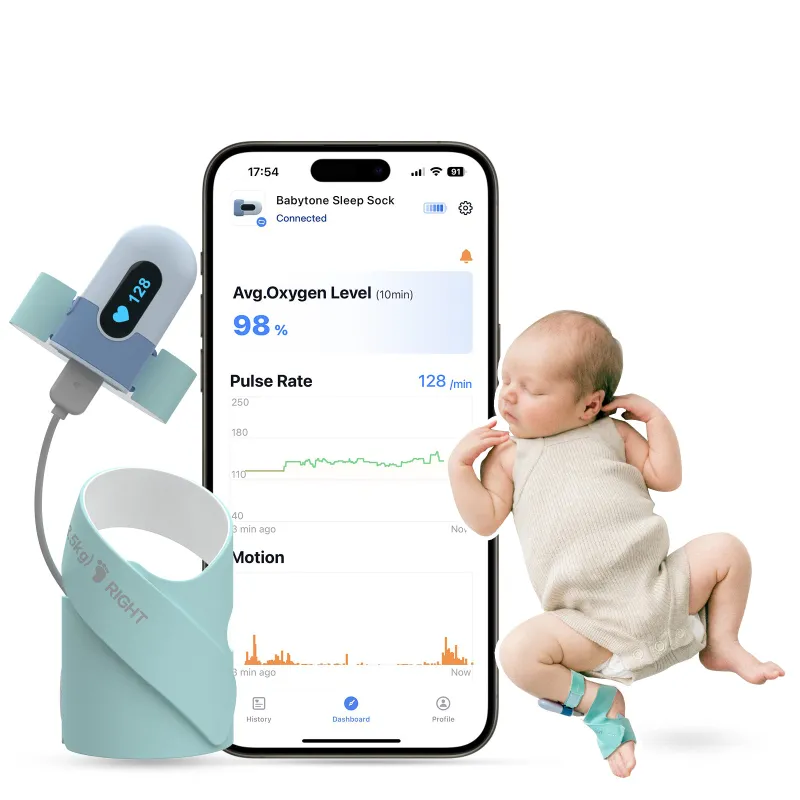
Proper care of your baby oxygen monitor keeps readings accurate and extends device life, so we’ve outlined the cleaning, maintenance, and troubleshooting steps every parent should know. Whether you’re using a baby oxygen monitor, newborn foot monitor, or babytone sleep sock, the fundamentals of safe upkeep are the same. A well-maintained device gives you reliable data when monitoring your infant’s health.
Daily cleaning of your baby oxygen monitor
A baby oxygen monitor sits directly on your infant’s skin, so daily cleaning prevents buildup and keeps sensors working properly. Remove any device from your baby’s foot or ankle each morning and wipe the sensor pad with a soft, damp cloth. Use warm water and a drop of mild soap if needed, then dry thoroughly before reattaching.
The fabric components of devices like the babytone sleep sock can be hand-washed in lukewarm water with gentle detergent. Air-dry completely before use to prevent moisture damage to the electronics. Never submerge the sensor probe itself or place it in a washing machine.
Wipe the display screen and button surfaces with a lint-free cloth. Fingerprints, milk residue, and dust can interfere with visibility and button responsiveness. Keep the device away from sweat and diaper leaks, which are common culprits that degrade sensors over time.
Sensor maintenance for accurate oxygen readings
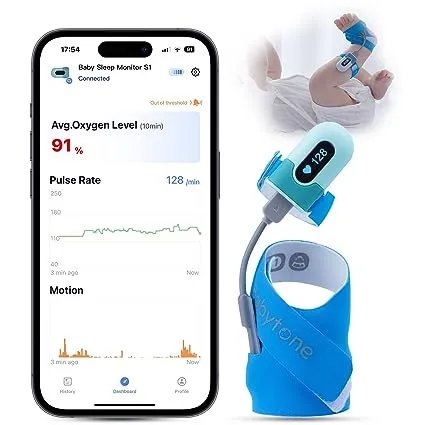
The optical sensor is the heart of any pulse oximeter infant or oximeter newborn, and keeping it clean directly affects accuracy. Inspect the sensor window daily for discoloration, scratches, or buildup. A cloudy sensor window will give false readings or no reading at all.
If you notice discoloration, gently clean the sensor window with a soft, dry cloth. For stubborn residue, use a cloth barely dampened with distilled water. Avoid harsh chemicals, alcohol, or abrasive scrubbing, which can damage the optical components inside.
Check that the sensor sits flush against your baby’s skin. If the newborn ankle monitor or infant pulse ox monitor fits too loosely, readings will be inconsistent or missing. Reposition or adjust the strap to ensure snug, comfortable contact without cutting off circulation.
Battery care and power management
Your baby pulse oximeter or pulse oximeter for newborn runs on batteries, and proper power habits prevent data loss and device failure. Check battery levels weekly, especially if the device shows low-battery warnings. Replace batteries promptly with the exact type specified in the manual (usually AAA or lithium coin cells).
Store replacement batteries in a cool, dry place away from heat and moisture. Corroded battery contacts can prevent the device from powering on or cause intermittent shutdowns. If you see white or green powder inside the battery compartment, clean it gently with a dry cotton swab before inserting fresh batteries.
If the device will sit unused for more than a month, remove the batteries to prevent leakage. Reinsert them fresh when you’re ready to use the infant sleep monitor or other Babytone device again.
Storage and environmental protection
Keep your baby oxygen monitor in a cool, dry place away from direct sunlight, heat vents, and humidity. Extreme temperatures and moisture can damage the circuit board and sensor calibration. A small drawer or padded case is ideal for protecting the device between uses.
Avoid exposing the baby pulse ox to water, dust, or extreme cold. If the device gets wet, remove batteries immediately and allow it to air-dry in a warm room for at least 24 hours before restarting. Never use a hair dryer or oven, which can overheat internal components.
Keep the device away from magnets, microwave ovens, and strong wireless signals. These can interfere with electronic readings or corrupt stored data on models that record sleep sessions.
Calibration and accuracy checks
Most pulse oximeter devices ship factory-calibrated and do not require recalibration by the user. However, if readings seem consistently off or your pediatrician flags concerns, check the latest price and confirm you have the latest firmware or software version available from Babytone.
Compare readings from your oximeter for infants to your baby’s visible color and breathing. If your infant looks healthy but the device shows critically low oxygen, reposition the sensor or restart the device. Loose fit, cold extremities, or low battery can all trigger false alarms.
According to pediatric guidance, smart infant monitors can help families feel more confident, but it’s important to understand their role. Always trust your eyes and your pediatrician’s advice over device readings alone.
When to replace or service your device
Replace the sensor pad or sock component if it becomes permanently discolored, develops holes, or no longer holds snug contact. Many Babytone devices allow you to swap the fabric sleeve without replacing the entire monitor, which extends the device’s useful life.
If your newborn foot monitor displays error codes, fails to power on, or gives wildly inaccurate readings despite proper cleaning, it may need service or replacement. Contact Babytone support or grab the code for information on warranty coverage and repair options.
Most parents get 12 to 24 months of reliable use from a well-maintained baby oxygen monitor before sensors degrade. Gentle daily cleaning and proper storage add months to that lifespan.
Expert perspective on home oxygen monitoring
Before investing heavily in continuous monitoring, consider the medical context. Research suggests most babies don’t need wearable breathing monitors for routine health. However, infants with prematurity, heart conditions, or respiratory concerns may benefit from devices like the Babytone line. Speak with your pediatrician about whether an oximeter newborn or infant sleep monitor is right for your family. Learn whether an oxygen monitor makes sense for your newborn to make an informed decision.
Questions
How often should I clean my baby oxygen monitor?
Clean the sensor pad and fabric daily with a soft, damp cloth and mild soap. Wipe the display and buttons daily too. Thorough air-drying after each cleaning prevents moisture damage.
Can I wash my babytone sleep sock in the washing machine?
No, hand-wash only in lukewarm water with gentle detergent. Machine washing can damage the electronics and sensor. Always air-dry completely before reuse.
Why is my baby oxygen monitor giving inconsistent readings?
A loose fit, dirty sensor window, low battery, or cold infant extremities can all cause inconsistent readings. Reposition the device for snug contact, clean the sensor, replace batteries if needed, and warm your baby's foot or ankle before checking again.
What should I do if my pulse oximeter infant gets wet?
Remove the batteries immediately and let the device air-dry in a warm room for at least 24 hours. Do not use heat sources like hair dryers or ovens, which can damage internal components.
How long does a baby oxygen monitor typically last?
With daily cleaning and proper storage, most Babytone devices last 12 to 24 months before sensor degradation. Replacing the fabric sleeve when worn extends useful life significantly.
Does my oximeter for infants need professional calibration?
No, Babytone devices ship factory-calibrated. If readings seem consistently off, check that the sensor is clean and positioned snugly, the battery is fresh, and your baby's extremity is warm.
Products in this guide
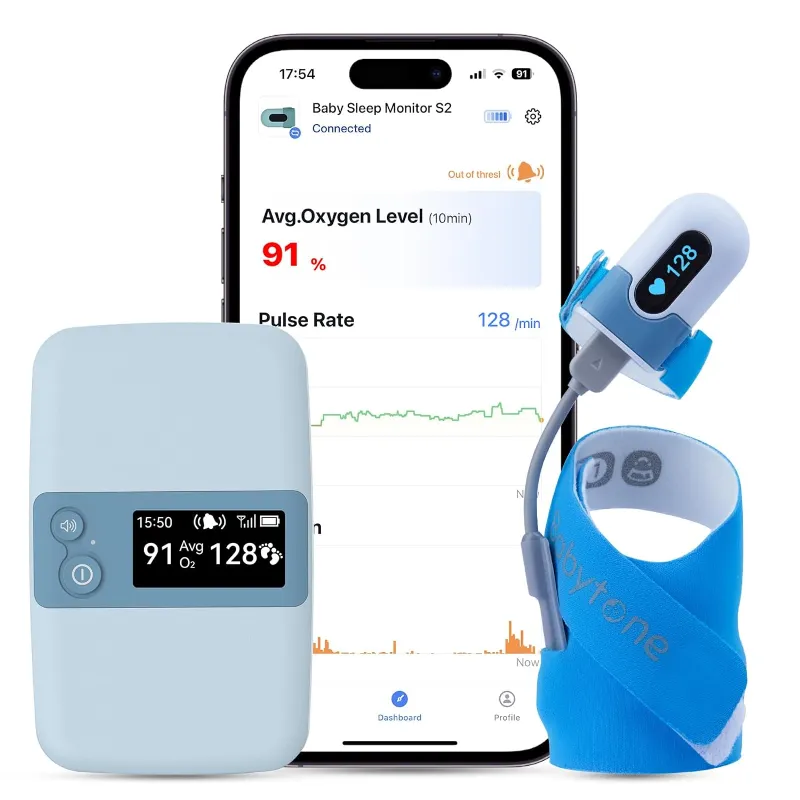 Shopping at Babytone? See the discount code
15% OFF All Orders
Shopping at Babytone? See the discount code
15% OFF All Orders
More in this series
Why Parents Choose Babytone Sleep Monitors Over Other Newborn Pulse Oximeters14 Sep 20264 minDo Babytone Foot Monitors and Ankle Monitors Really Work for Newborn Safety?14 Sep 20265 minBabytone Sleep Sock vs. Traditional Infant Pulse Oximeter: Which Monitor is Right for Your Baby14 Sep 20264 minHow to Choose a Babytone Pulse Oximeter for Newborns: What Parents Need to Know14 Sep 20264 min