 A MAXKGO guide
4-in-1 ESC vs Individual ESCs: Which Is Right for Your Build?
Wondering whether a 4 in 1 ESC or individual ESCs suit your next build better? We break down the real trade-offs based on our own testing.
The choice between a 4 in 1 ESC and individual ESCs comes down to how you prioritize space, wiring simplicity, and thermal management. For most drone and small electric vehicle builds, a 4 in 1 ESC saves weight and cleans up your frame, while individual ESCs give you more flexibility for cooling and replacement.
What Is a 4 in 1 ESC?
A 4 in 1 ESC combines four separate electronic speed controllers into a single PCB. Instead of wiring four individual ESCs to your flight controller and power distribution board, you bolt one board onto your frame, solder your motor wires directly to the pads, and run a single ribbon cable to the flight controller. This is the standard layout on most modern FPV drones and an increasingly popular option for compact rovers, skateboards, and light EV projects.
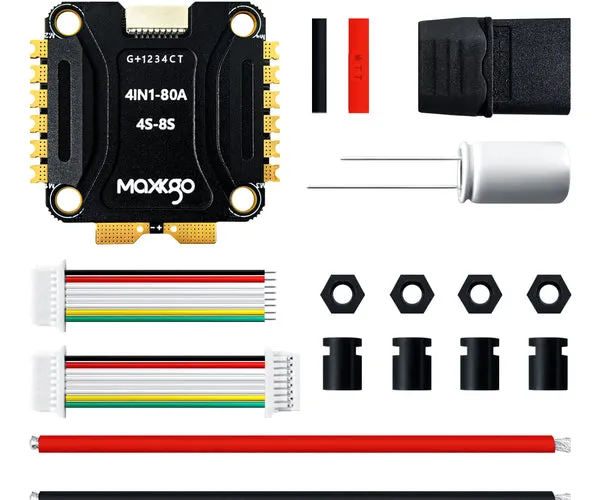
The form factor varies. Some are designed as a stackable unit that sits under the flight controller, while others are a single wide board that mounts flat on the frame. The 4 in 1 esc we stock covers the most common 30×30 and 20×20 mounting patterns, making it a drop-in option for most builds.
4 in 1 ESC vs Individual ESCs: The Key Differences
To help you compare, here is a direct look at how the two setups stack up.
| Feature | 4 in 1 ESC | Individual ESCs |
|---|---|---|
| Weight | Lighter, one board, less wiring | Heavier, four separate boards plus more wire |
| Wiring complexity | Low, single ribbon cable to FC | High, each ESC needs signal, ground, and power leads |
| Cooling | Shared heat, less airflow per FET | Each ESC gets its own airflow, easier to cool |
| Replacement cost | Replace the whole board if one channel fails | Replace only the failed ESC |
| Frame compatibility | Standardized hole patterns (30×30, 20×20) | Works on any frame with enough space |
| Current handling | Limited by total board design | Can use larger individual ESCs for higher current |
If you are building a tight quadcopter where every gram matters, the 4 in 1 ESC is almost always the better choice. If you are building a high-power 12S longboard or a heavy-lift drone where individual channel cooling and redundancy are important, separate ESCs often win.
When a 4 in 1 ESC Makes Sense
A 4 in 1 ESC shines in builds where space is limited and clean wiring matters. Here are the scenarios where we recommend it.
- FPV drones: This is the most common use. A 4 in 1 ESC keeps the frame uncluttered, reduces weight, and lets you run a neat stack. Most 4 in 1 esc drone builds use the 20×20 or 30×30 form factor.
- Compact rovers and cars: If you are building a small RC car or rover with four motors, a single board is much easier to mount than four separate units.
- Lightweight builds: Every gram counts on a 3-inch or smaller quad. The weight savings of a 4 in 1 ESC over four individual boards can be 10 to 15 grams.
- Beginners: Fewer solder joints and a single ribbon cable mean less that can go wrong during assembly. The 4 in 1 esc vs individual decision is easier for new builders because the 4 in 1 is simpler to wire.
The 80a 4 in 1 esc is a solid middle ground for 5-inch freestyle and racing builds, offering enough headroom for 2207 and 2306 motors on 4S to 6S packs.
When Individual ESCs Work Better
Individual ESCs are not obsolete. They are still the right call in several situations.
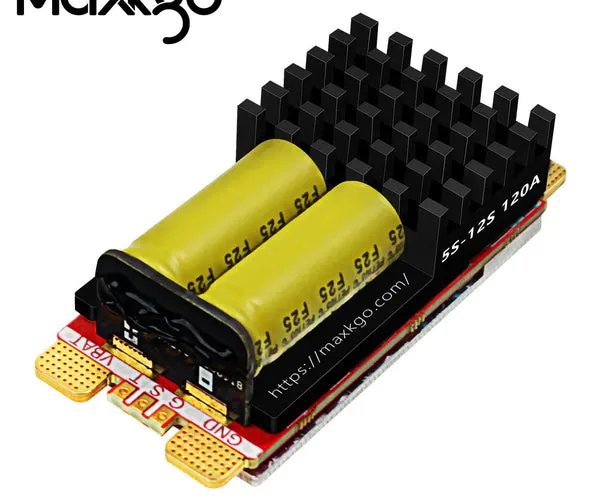
- High-power builds: If you need to push 60A or more per motor on a 12S system, individual ESCs with dedicated heatsinks handle the heat much better. The 12s esc options we carry are designed for exactly this kind of load.
- Repairability: If you crash hard and blow a single FET, replacing a 10 dollar individual ESC is cheaper than replacing a whole 4 in 1 board.
- Odd frame layouts: If your frame does not use standard 30×30 or 20×20 mounting holes, individual ESCs give you the freedom to place them wherever they fit.
- Cooling in enclosed builds: In a car or a boat with limited airflow, spacing out individual ESCs prevents one hot board from soaking heat into the rest of the system.
How to Choose the Right 4 in 1 ESC
Once you decide the 4 in 1 route is right for you, a few specs matter.
Current rating. Look at the continuous current per channel, not the burst rating. A 30A ESC is fine for 3-inch and smaller builds. A 4 in 1 ESC rated at 40A to 50A per channel handles most 5-inch setups. The 80a 4 in 1 esc gives you extra headroom if you run aggressive props or heavier builds.
Voltage range. Most 4 in 1 ESCs support 2S to 6S. If you plan to run 8S or higher, you need a specialized board. The 4 1 esc options we sell support up to 6S out of the box, which covers the vast majority of FPV and small EV builds.
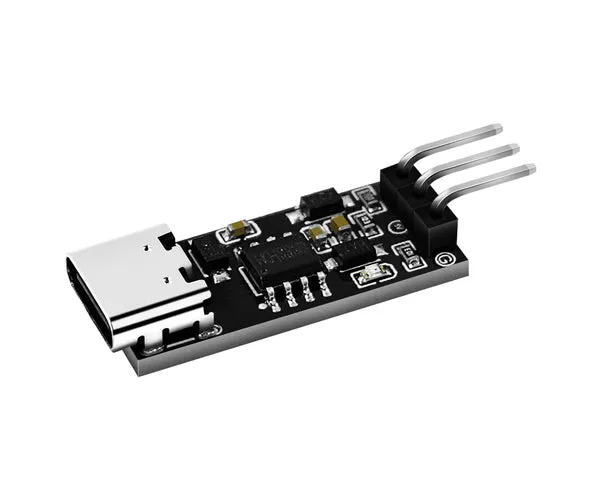
Firmware support. BLHeli_S and BLHeli_32 are the most common. AM32 is an open-source alternative that gives you more tuning options. We use the am32 configurator on our builds because it offers better throttle linearity and active freewheeling support, which keeps the ESCs cooler at partial throttle.
Mounting pattern. Measure your frame. 30×30 is standard for 5-inch and larger quads. 20×20 is common for 3-inch and smaller builds. The 4 in 1 esc we stock comes with both pattern options on the same board.
Wiring and Configuration Tips
Wiring a 4 in 1 ESC is straightforward, but a few details matter.
- Power the board correctly. Use a good capacitor on the input leads to suppress voltage spikes. A 35V 470uF low-ESR cap is a safe bet for 4S to 6S builds.
- Check the orientation. The motor output pads are labeled M1 through M4. Match them to the correct motor position on your frame so your flight controller gets the right rotation direction.
- Update the firmware. Most boards ship with a generic firmware load. Flashing the latest version through the am32 configurator or BLHeli Suite gives you better performance and bug fixes. If you want to learn more about the broader tuning process, Oscar Liang’s guide on choosing the best ESC for FPV drones is a great resource.
- Check the 4 in 1 esc schematic if you are wiring from scratch. The pinout for the ribbon cable is standard, but it is worth verifying against your flight controller manual to avoid reversing signal or ground.
- Bidirectional mode. If you plan to fly with RPM filtering, enable bidirectional mode in the configurator. This lets the flight controller read motor speed data and apply better vibration filtering.
For more details on how a 4 in 1 ESC integrates with a flight controller in an autonomous setup, the ARK 4in1 ESC documentation on ArduPilot covers the full wiring and parameter setup.
Our Take on the 4 in 1 ESC vs Individual Decision
We have built quads with both setups, and we keep coming back to 4 in 1 ESCs for most of our personal builds. The wiring is cleaner, the weight savings are real, and the performance is identical to individual ESCs when the cooling is adequate. For a 5-inch freestyle quad or a compact rover, it is the best choice.
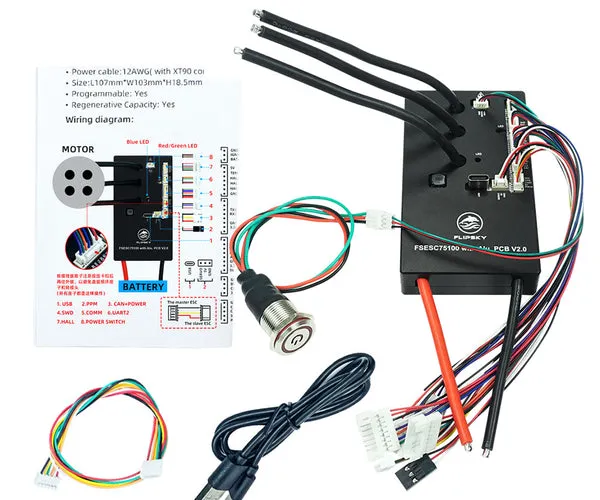
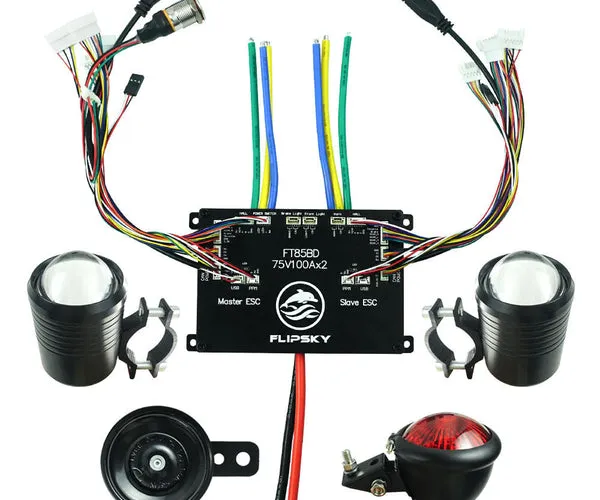
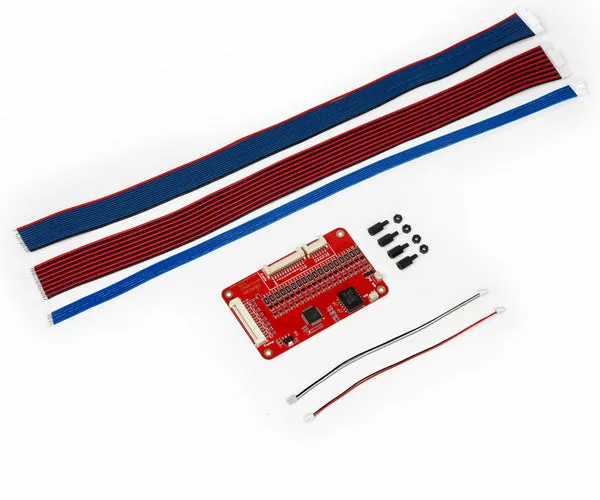
If you are building a high-power 12S longboard or a heavy-lift drone, individual ESCs still have a place. The flipsky 75100 and flipsky ft85bd are excellent options for those larger builds, and they pair well with the ltc6813 for precise battery monitoring.
No matter which route you choose, grab the code for 2 percent off your order to save a little on your ESC boards. And if you are building a project that needs a battery management system, the 4 bms kart and onewheel pint battery module can round out your power setup.
Questions
What is the main difference between a 4 in 1 ESC and individual ESCs?
A 4 in 1 ESC combines four speed controllers onto one PCB, saving weight and simplifying wiring. Individual ESCs are separate boards that give you better cooling per channel and easier replacement if one fails.
Can I use a 4 in 1 ESC on any drone frame?
Most 4 in 1 ESCs use standard 30x30 or 20x20 mounting patterns. If your frame has those holes, it will fit. If your frame uses an odd layout, individual ESCs may be easier to mount.
Is a 4 in 1 ESC harder to repair than individual ESCs?
Yes, because if one channel fails on a 4 in 1 ESC, you typically replace the whole board. With individual ESCs, you only replace the one that failed, which is cheaper and faster.
What current rating should I look for in a 4 in 1 ESC?
For a 3-inch build, 30A per channel is enough. For a 5-inch freestyle or racing quad, look for 40A to 50A per channel. The 80A 4 in 1 ESC gives extra headroom for aggressive setups.
How do I configure a 4 in 1 ESC after installing it?
You can use the AM32 configurator or BLHeli Suite to flash firmware, set motor timing, enable bidirectional mode for RPM filtering, and adjust throttle calibration. Always check the motor rotation order before the first flight.
Does a 4 in 1 ESC work with a 12S battery?
Most standard 4 in 1 ESCs are rated for 2S to 6S. For 12S builds, you need individual ESCs like the 12S ESC options, which are designed for higher voltage and have better thermal management.
Products in this guide
 Shopping at MAXKGO? See the discount code
2% OFF Sitewide
Shopping at MAXKGO? See the discount code
2% OFF Sitewide
More in this series
How to Wire a 4-in-1 ESC With a BMS for a Clean DIY Build5 Sep 20266 minCan You Use a Onewheel Pint Battery Module With a Flipsky ESC?5 Sep 20265 minWhat to Look for in a 12S ESC for Your Electric Skateboard or E-Bike5 Sep 20264 minFlipsky FT85BD VESC ESC Not Working? Common Issues and Fixes5 Sep 20264 minHow to Configure Your Flipsky 75100 ESC With the Am32 Configurator5 Sep 20264 min