 A MusaArtGallery guide
Will Black Artwork Make a Small Room Feel Darker?
Black artwork can actually enhance small rooms when you balance lighting, placement, and surrounding colors to create depth rather than darkness.
Does Black Artwork Actually Darken Small Rooms?
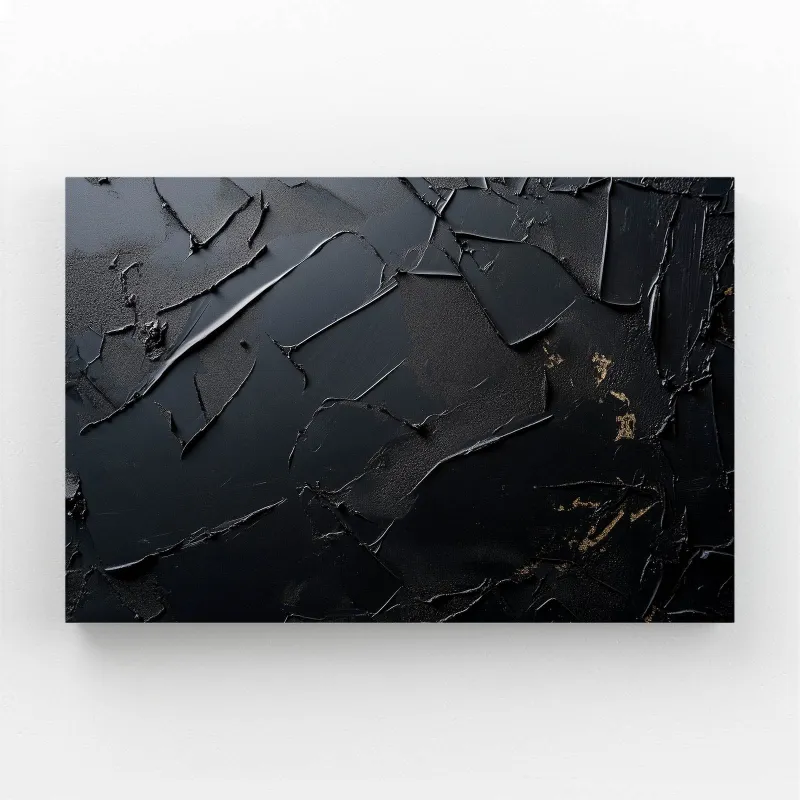
Black artwork won’t make a small room feel darker if you balance it with proper lighting, strategic placement, and contrasting elements. The common fear that dark pieces shrink spaces stems from outdated design rules, but modern styling proves that black artwork can add depth, sophistication, and visual anchors that make compact rooms feel intentional rather than cramped.
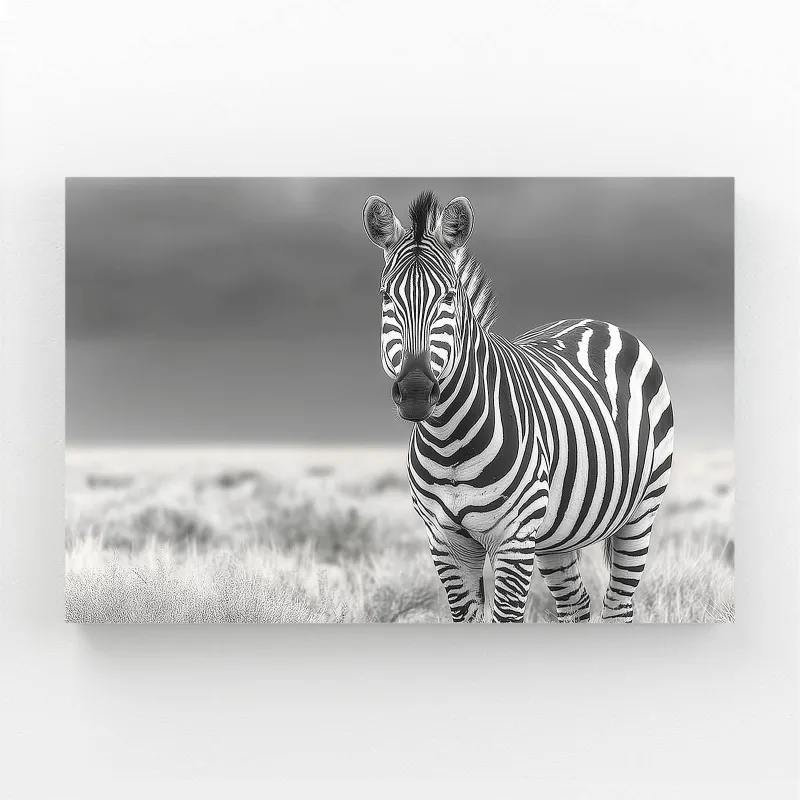
The key is treating dark art as a focal point that draws the eye inward, creating dimension instead of closing walls in. When you pair graphic pieces like a zebra print with warm overhead lighting and lighter surrounding walls, the contrast actually makes the room feel larger by establishing clear visual layers.
How Lighting Transforms Dark Art in Tight Spaces
Lighting is the single most important factor when hanging dark pieces in small rooms. We recommend three layers: ambient ceiling lights, targeted picture lights or track lighting aimed at the artwork, and at least one table or floor lamp to bounce light off adjacent walls.
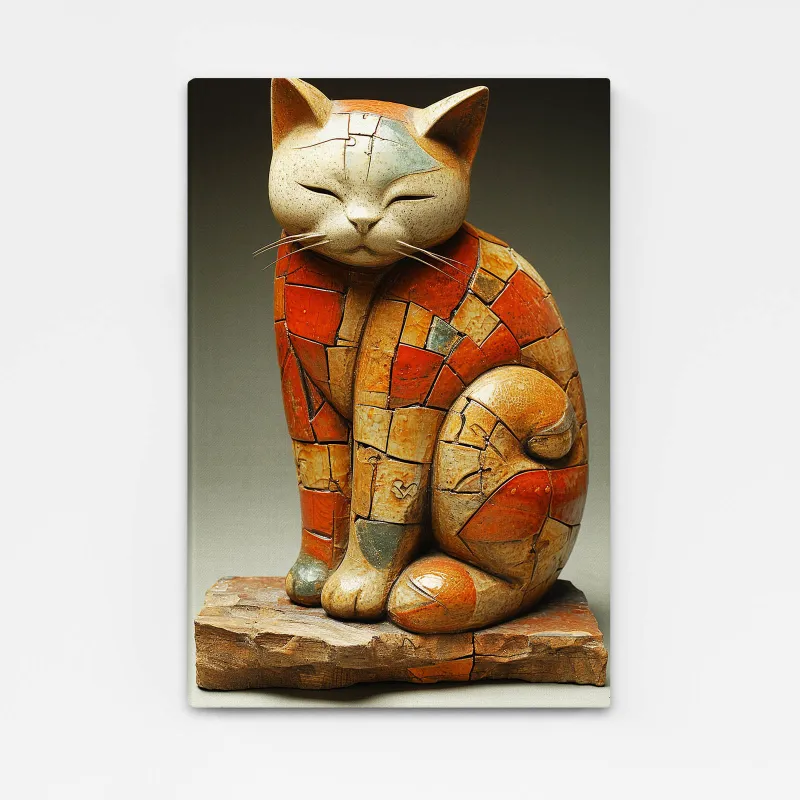
Natural light works beautifully with black art during the day, but you need artificial sources for evenings. A dimmer switch lets you control mood without losing the detail in darker pieces. Position your cat prints or other dark art on walls perpendicular to windows rather than opposite them so natural light grazes the surface instead of creating glare.
Matte finishes absorb light and can feel heavy in dim rooms, while glossy or textured black art reflects ambient light and maintains energy. If your room has limited windows, choose pieces with metallic accents or mixed media that catch and play with available light. Check the latest styles and pricing to find finishes that suit your space.
Placement Strategies That Maximize Space
Where you hang dark art matters as much as the piece itself. We’ve found these placements work best in small rooms:
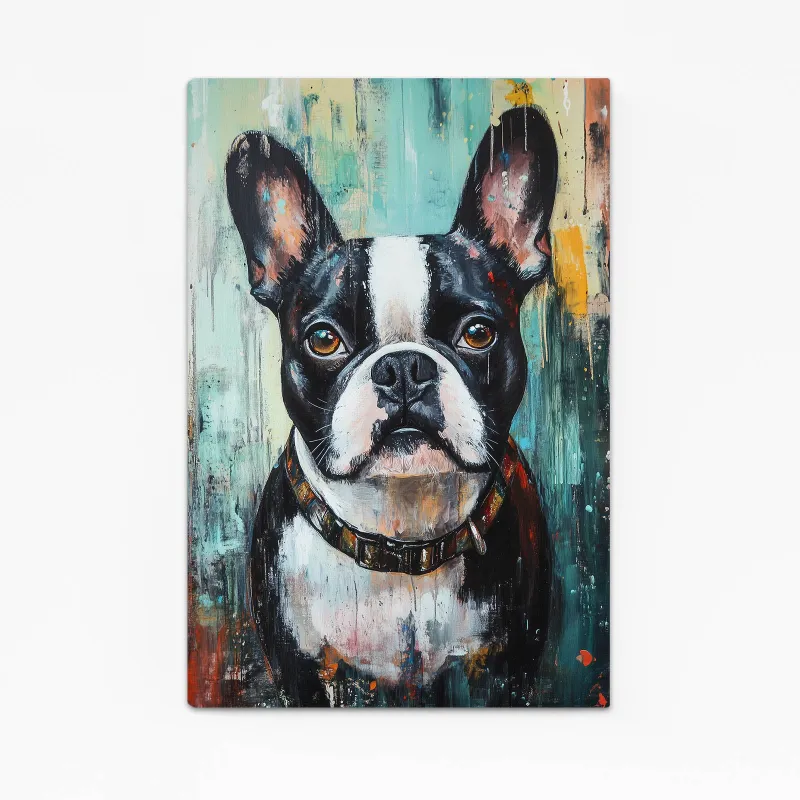
- Above furniture: Hanging dog prints or other dark pieces above a sofa or console grounds the furniture and creates a cohesive zone rather than fragmenting the wall
- Single statement wall: Concentrate dark art on one wall and keep adjacent walls light to establish contrast and prevent visual crowding
- Eye-level centering: Position the center of the artwork 57 to 60 inches from the floor so the eye travels horizontally, not up and down, which makes ceilings feel higher
- Groupings with white space: If clustering multiple pieces, leave 2 to 4 inches between frames and surround the entire grouping with generous blank wall
Avoid hanging dark art on every wall. One bold black artwork piece opposite the entry draws focus and makes the room feel curated. Spreading dark pieces around fragments attention and can make a small space feel busy.
Balancing Black Art With Your Color Palette
Dark artwork demands a supporting palette that creates breathing room.
| Wall Color | Best Dark Art Style | Effect |
|---|---|---|
| Crisp white or off-white | High-contrast graphic prints, zebra print | Maximum drama, room feels larger |
| Warm beige or greige | Mixed-media boho wall decor with black elements | Cozy but open, softens edges |
| Light gray | Monochrome or black-and-white photography | Sophisticated, cohesive depth |
| Soft blush or sage | Black art with metallic or colorful accents | Balanced, prevents darkness |
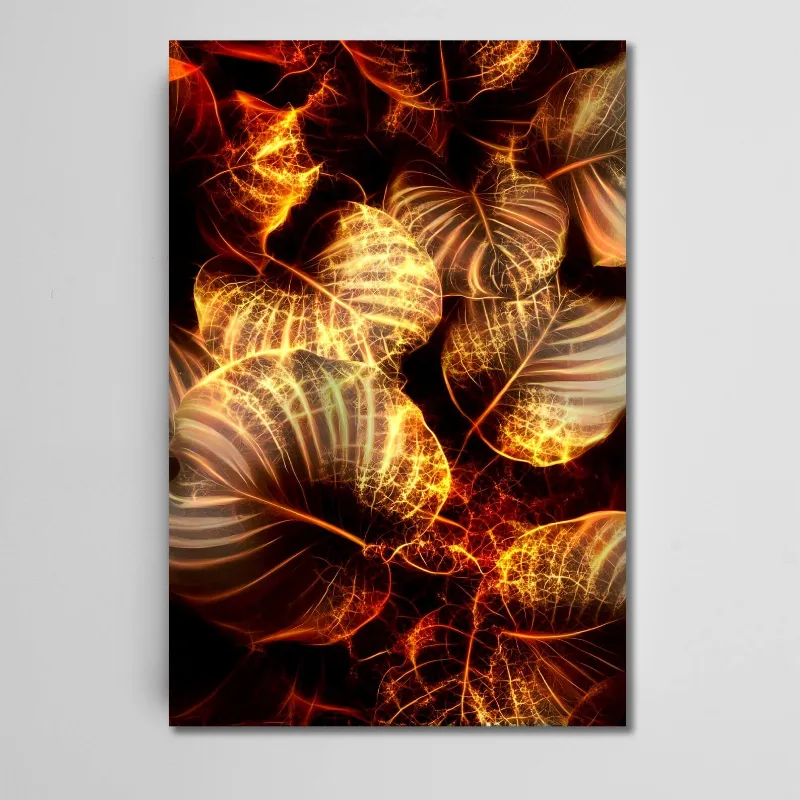
Incorporate lighter accent pieces nearby. A gold wall decor element or light-colored throw pillows next to your dark art creates rhythm and prevents the black from dominating. We also recommend keeping window treatments sheer or light-colored so natural light spreads evenly.
Flooring plays a role too. Light wood, pale tile, or cream carpet reflects light upward and counterbalances dark walls or art. If you have dark floors, add a light area rug to brighten the lower half of the room.
Frame and Matting Choices for Small Rooms
The frame around your dark art can either amplify or soften its impact. Thin black or metallic frames keep focus on the artwork without adding visual weight, while thick dark frames can overwhelm a small wall.
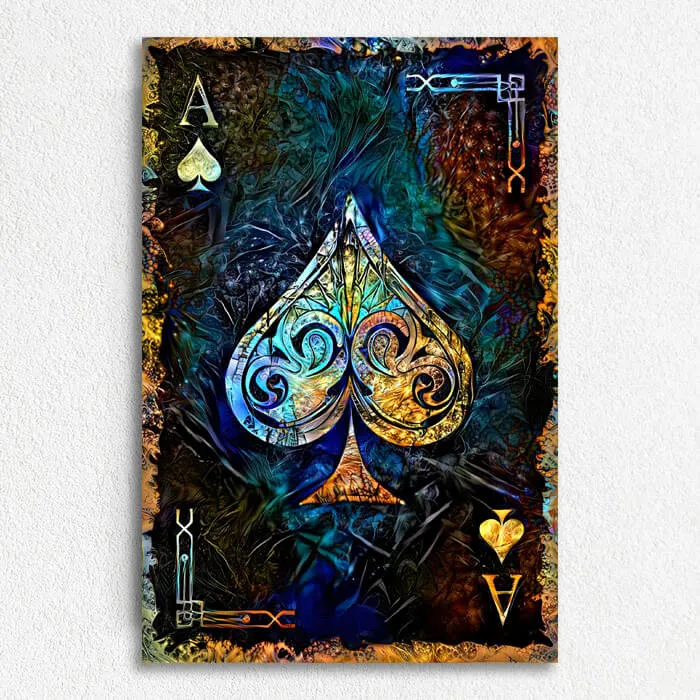
White or cream matting creates instant contrast and makes the dark image feel like a deliberate design choice rather than a heavy block. A 2 to 3-inch mat around cool art or other dark prints opens up the composition and ties the piece to lighter walls.
Floating frames with glass add a modern touch and reflect surrounding light, which helps dark art feel less solid. Avoid ornate or heavy wooden frames in tight spaces since they compete for attention and make walls feel crowded. Grab the discount code to explore framing options that suit your room’s scale.
Who Should Embrace Dark Art in Small Spaces
Dark artwork works especially well for these room types and personalities:
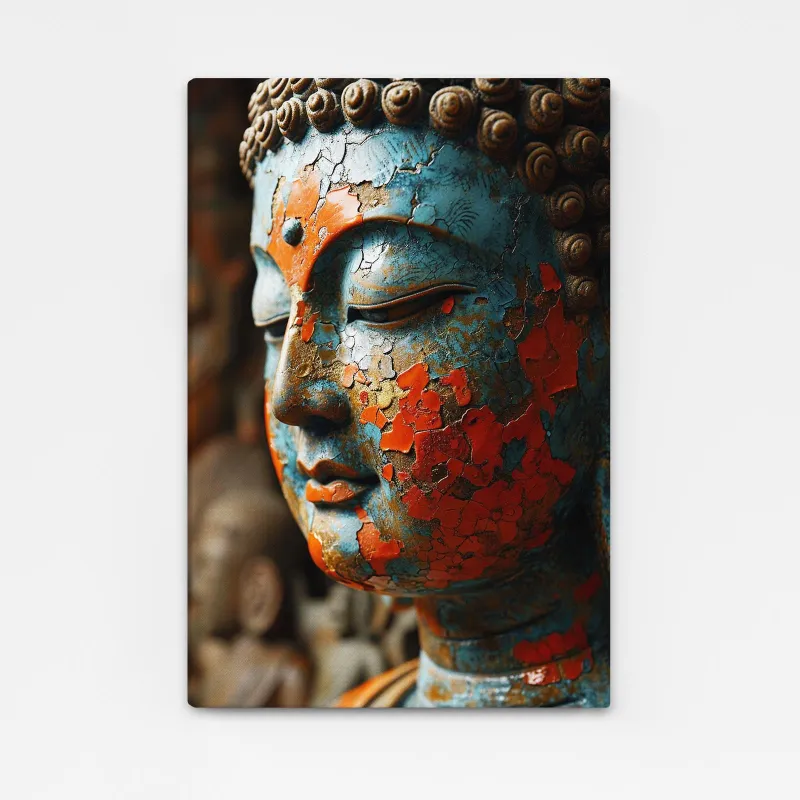
- Minimalist bedrooms: A single bold piece like buddha art over the bed creates a serene focal point without clutter
- Home offices: Black art adds authority and focus in compact work zones, especially graphic or abstract styles
- Modern bathrooms: A small dark print in a powder room feels luxe and unexpected when paired with bright fixtures
- Renters with white walls: Dark art makes generic builder-white feel intentional and gallery-like without painting
If you gravitate toward moody interiors, scandinavian simplicity, or gallery aesthetics, dark pieces deliver impact without requiring a full room redesign. They also suit anyone who wants a room to feel cozy rather than airy, as long as lighting prevents it from tipping into cave-like.
Skip dark art if your room has poor natural light, low ceilings under 8 feet, or already-dark walls unless you’re prepared to repaint or add significant task lighting. Also reconsider if your space feels cluttered, since dark pieces require visual breathing room to shine.
Styling Tips to Keep Small Rooms Feeling Open
Once your dark art is hung, these finishing touches maintain openness:
- Use mirrors on adjacent or opposite walls to reflect light and create the illusion of depth
- Choose furniture with legs rather than solid bases so light flows under and around pieces
- Incorporate plants or greenery near your art to add life and break up dark tones
- Stick to a maximum of two to three bold decor elements per room, letting the dark art be one anchor
- Paint trim, doors, or molding a shade lighter than walls to define edges and expand visual space
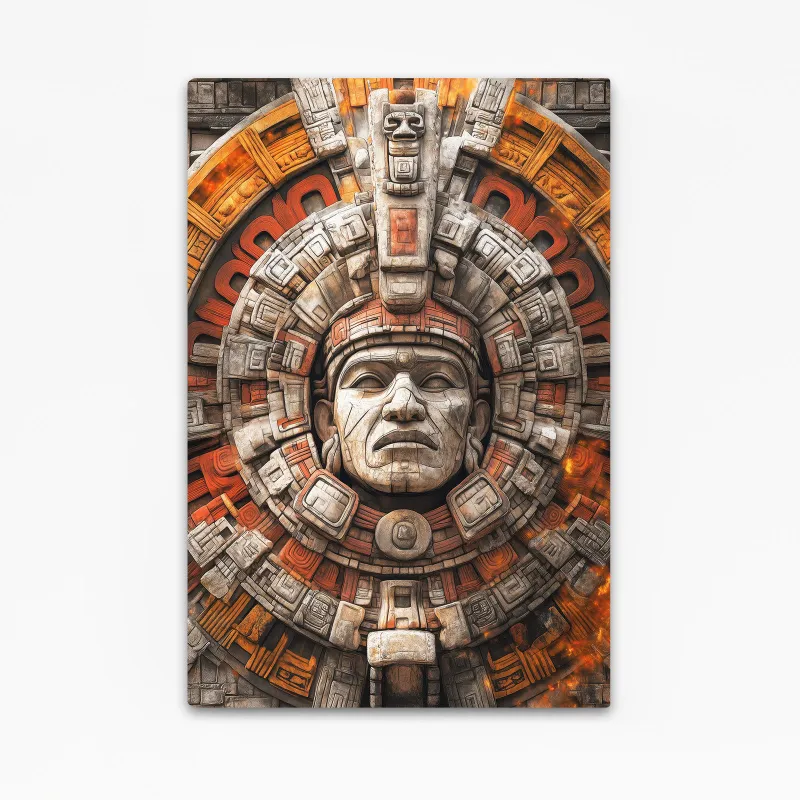
Layer textures rather than colors. A chunky knit throw, linen curtains, and a jute rug add dimension without competing with your mexican art or other dark statement pieces.
Finally, assess your room in different lighting conditions before committing to a large dark piece. Live with it for a few days and adjust lamp placement or add a picture light if it feels too heavy. Dark art should feel grounding, not oppressive, and small tweaks to your lighting setup usually solve any imbalance.
Questions
Will black artwork make my bedroom feel smaller?
No, if you balance it with light walls, layered lighting, and a single focal placement. Dark art creates depth rather than shrinking space when you avoid overcrowding the walls and ensure adequate ambient and task lighting.
What wall color works best with dark art in a small room?
Crisp white, off-white, or light gray walls provide the strongest contrast and make dark artwork feel intentional. Warm beige also works well if you want a cozier, softer look while maintaining openness.
Should I use a white mat around black and white prints?
Yes, a white or cream mat creates breathing room and ties the dark image to lighter walls, making the artwork feel like a deliberate design element rather than a heavy block of color.
How many dark pieces can I hang in a 10x10 room?
Stick to one to three dark pieces maximum in a 10x10 room. Concentrate them on a single wall or in one grouping to create a focal point without overwhelming the space or fragmenting attention.
Can I hang dark art in a room with low natural light?
Yes, but you'll need strong artificial lighting including picture lights, track lighting, or well-placed lamps. Choose glossy or textured finishes that reflect available light rather than matte pieces that absorb it.
Does frame color matter when hanging dark art in small spaces?
Absolutely. Thin black or metallic frames keep focus on the artwork, while thick dark frames add visual weight. Light-colored or floating frames help dark pieces feel less heavy in compact rooms.
Products in this guide
 Shopping at MusaArtGallery? See the discount code
10% OFF All Orders
Shopping at MusaArtGallery? See the discount code
10% OFF All Orders
More in this series
Do Cat Prints and Dog Prints Fade Over Time in Direct Sunlight?20 Aug 20265 minHow to Clean and Maintain Buddha Art and Decorative Prints20 Aug 20264 min What to Look for When Buying 3D Wall Decor for Textured Walls20 Aug 20264 min
 Boho Wall Decor vs Minimal Wall Art: Which Style Fits Your Space?20 Aug 20266 minHow to Hang Driftwood Wall Art Without Damaging Your Walls20 Aug 20264 min