 A MusaArtGallery guide
How to Clean and Maintain Buddha Art and Decorative Prints
Buddha art and decorative prints stay vibrant longer when you follow the right cleaning and maintenance routine for each material.
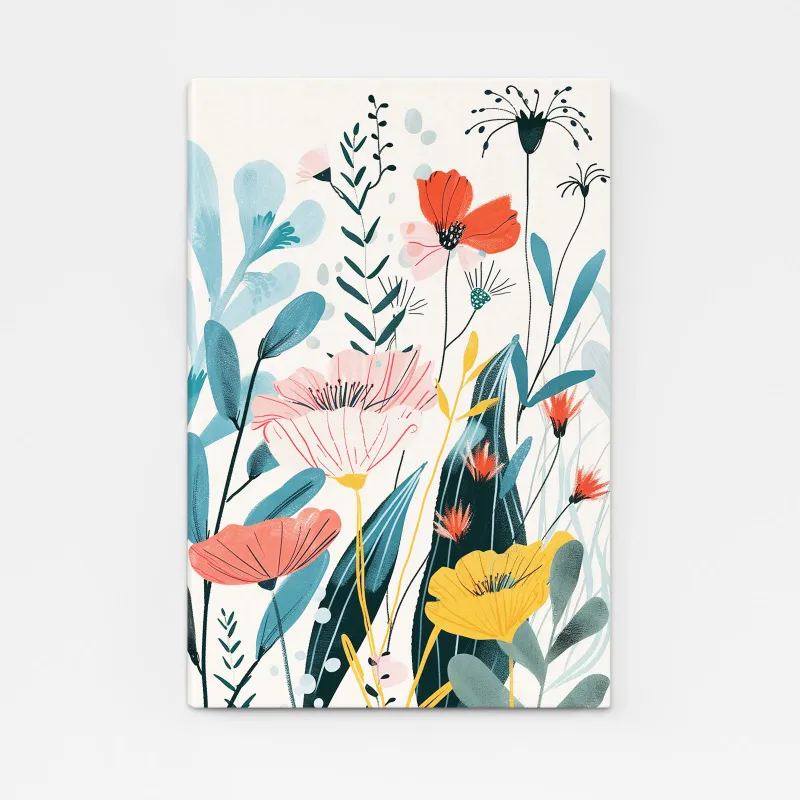
Buddha art transforms any space with calming energy, but dust, UV exposure, and improper handling can fade colors and damage surfaces over time. These techniques work for everything from boho wall decor to cat prints and gold wall decor.
What Materials Need Different Cleaning Approaches
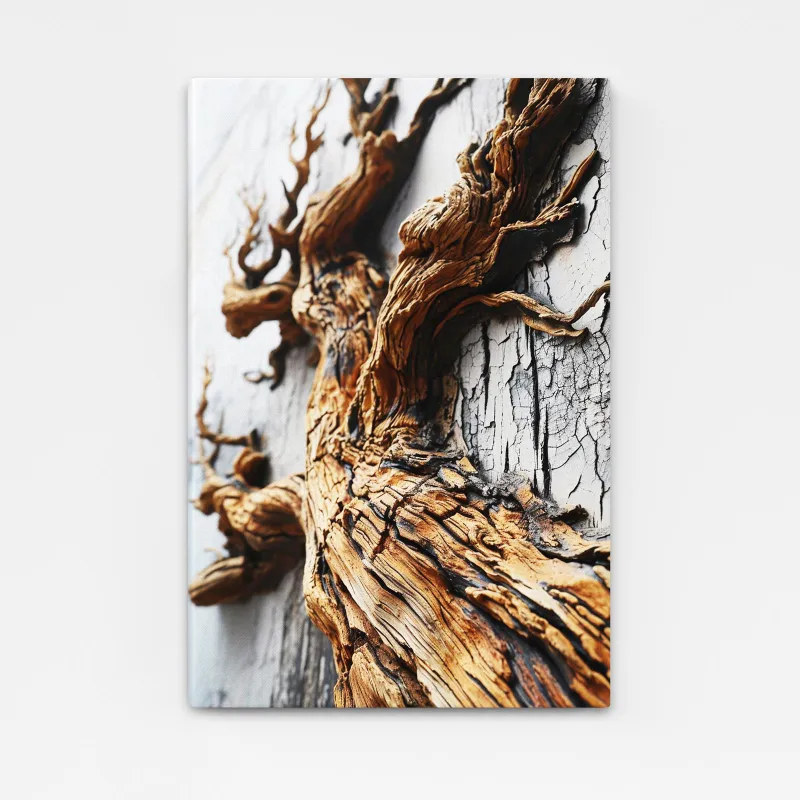
The cleaning method depends entirely on the print material and finish. Canvas prints require dry or barely damp methods because water can warp the fabric and crack paint. Framed prints behind glass tolerate moisture better, but you still need to avoid seepage behind the frame. Metallic finishes like those on gold wall decor scratch easily and need soft microfiber only. Wood elements on pieces like driftwood wall art demand specific wood-safe cleaners.
Before cleaning any piece, check the back or edges for material labels. If you bought recently, grab the code to save on protective supplies or replacement prints.
How to Dust Buddha Art and Canvas Prints Safely
Dust is the biggest threat to print longevity because it attracts moisture and creates a film that dulls colors.
- Use a clean microfiber cloth or lamb’s wool duster (never feather dusters, which scratch)
- Wipe gently in one direction rather than circular motions
- For textured canvas like many buddha art pieces, use a soft brush attachment on a vacuum at low suction, holding it one inch above the surface
- Never press hard or rub aggressively, especially on printed canvas that sits on top of the fabric
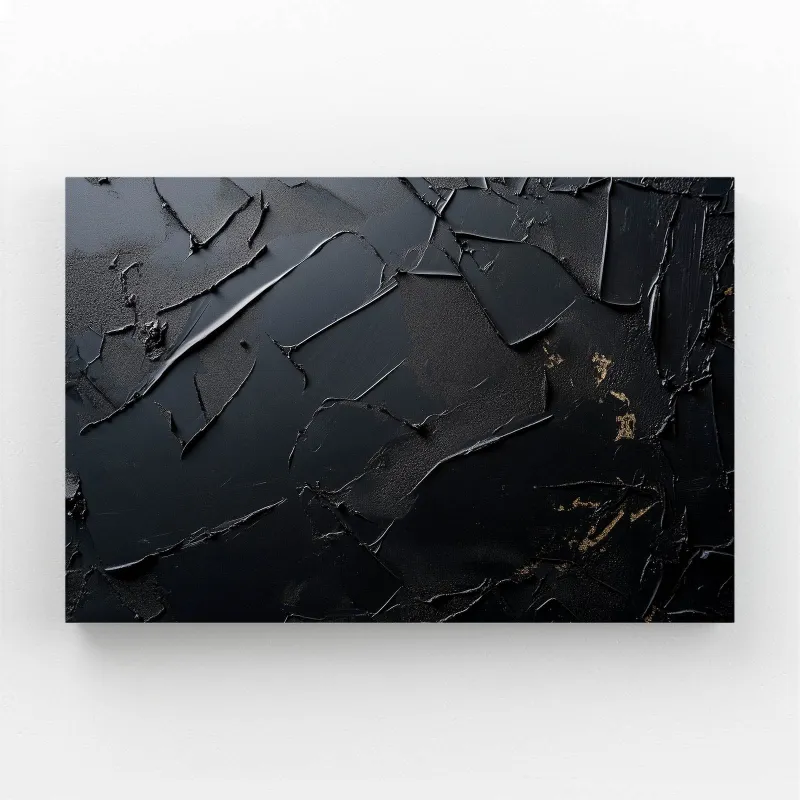
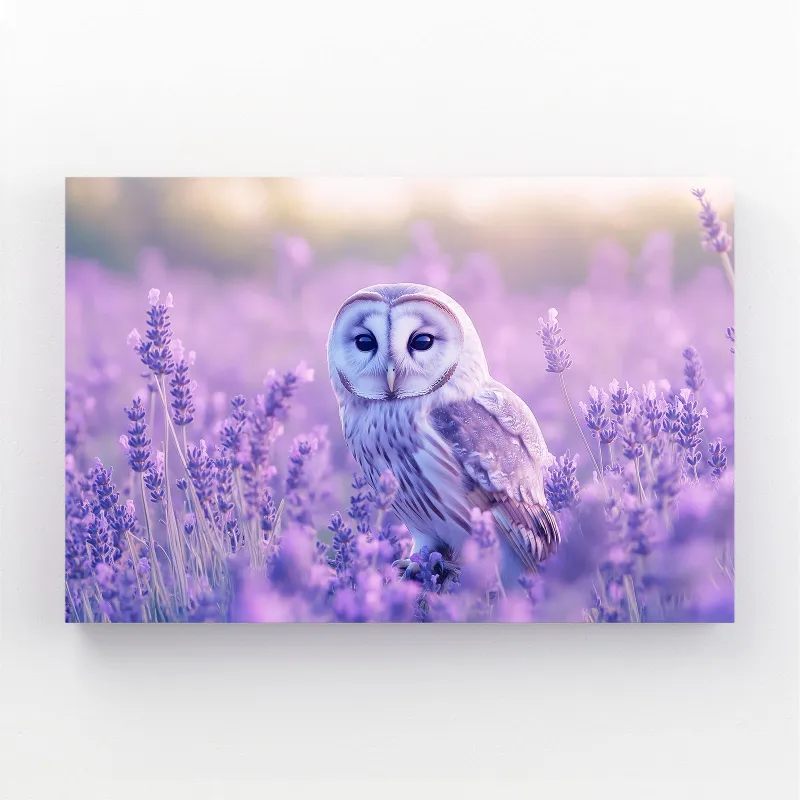
For prints hung in high-traffic areas or near kitchens, dust twice weekly. Oil and cooking particles bond to dust and become sticky. Black artwork and purple owl prints show dust faster than light-colored pieces, so adjust your schedule accordingly.
Cleaning Glass-Framed Prints Without Streaks or Damage
Glass-covered prints tolerate more cleaning options, but liquid must never reach the print itself. Here’s a routine:
- Remove the frame from the wall and lay it flat on a towel
- Spray glass cleaner on your microfiber cloth, never directly on the glass (spray can seep into frame gaps)
- Wipe from top to bottom in overlapping strokes
- Immediately dry with a second clean cloth to prevent streaks
- Check the frame edges for moisture and wipe them dry
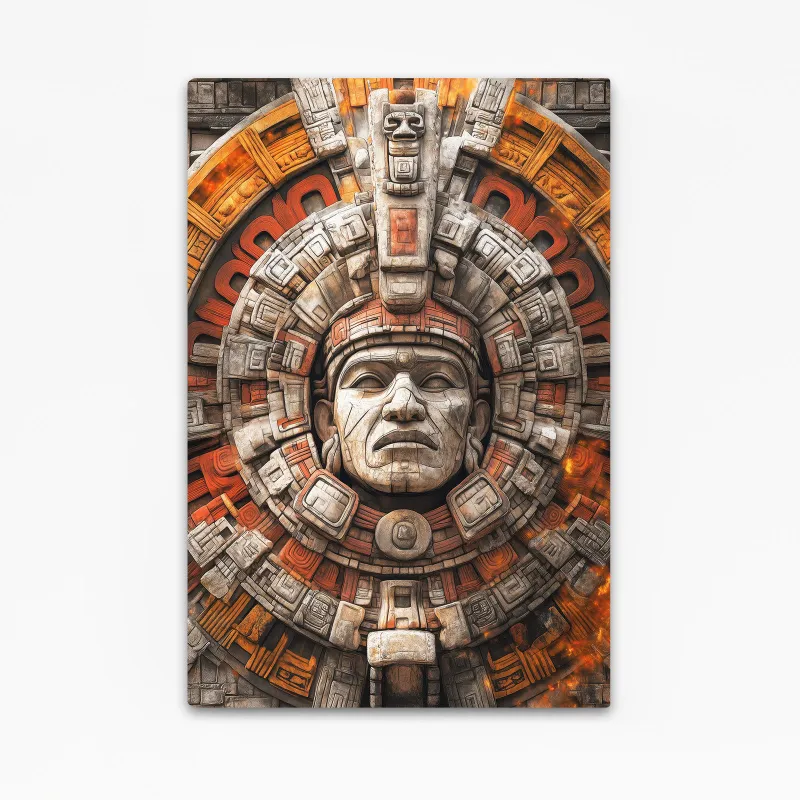
For stubborn spots on glass covering mexican art or cool art, use a 50/50 mix of white vinegar and distilled water. This cuts through fingerprints and grease without harsh chemicals. Always dry completely before rehanging.
Removing Stains and Marks From Canvas and Specialty Finishes
Canvas prints occasionally get marks from handling or wall contact.
| Stain Type | Safe Method | Avoid |
|---|---|---|
| Dust buildup | Barely damp microfiber, air dry flat | Soaking, scrubbing |
| Fingerprints | Art gum eraser, gentle dabbing | Wet wipes, alcohol |
| Light scuffs | White vinyl eraser on edges only | Magic erasers (too abrasive) |
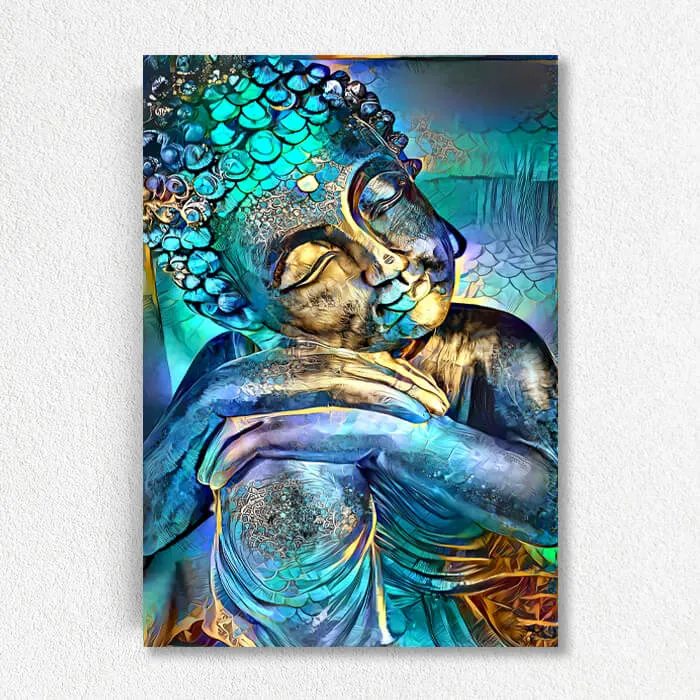
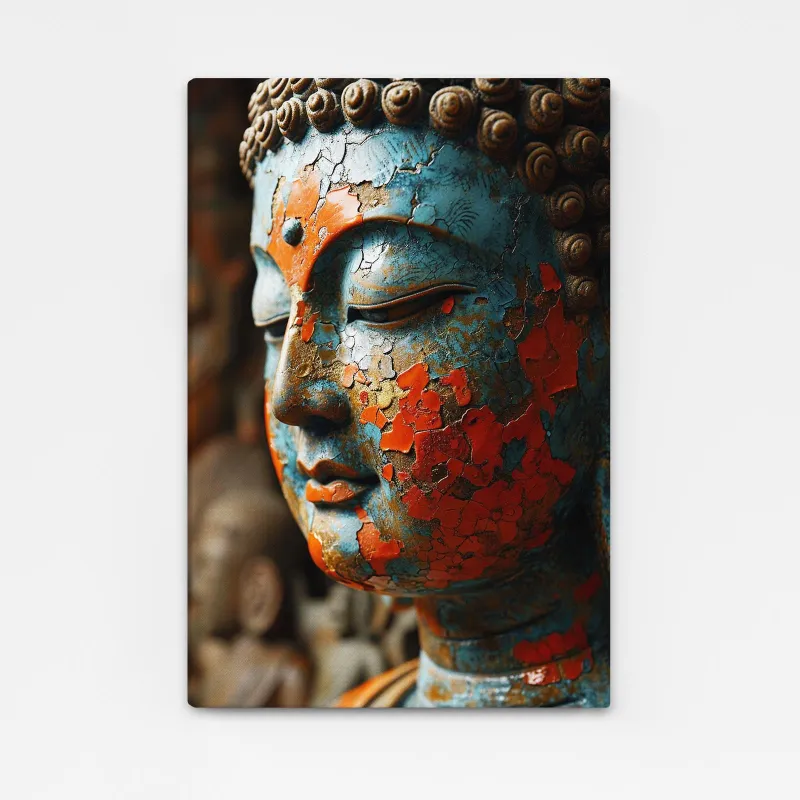
For valuable or intricate pieces like blue buddha prints with metallic accents, test any method on the bottom corner first. If a mark won’t lift with dry methods, leave it rather than risk spreading damage. You can check the latest price on a replacement if a piece is badly stained.
Never use all-purpose cleaners, bleach, ammonia, or window cleaner directly on unprotected canvas. These dissolve inks and leave permanent discoloration.
Protecting Prints From Fading and Environmental Damage
Prevention keeps prints looking new far longer than any cleaning method.
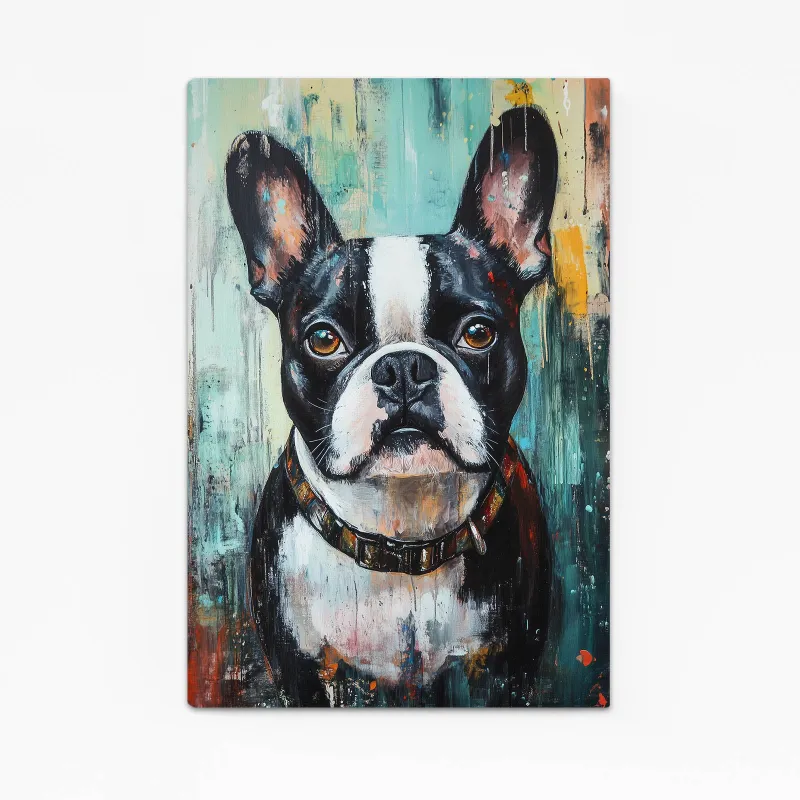
- Sunlight exposure causes the fastest fading. Hang buddha art and dog prints out of direct sun, or use UV-filtering glass and window film. South- and west-facing walls get the harshest light.
- Humidity over 65% warps canvas and encourages mold behind frames. Use a dehumidifier in bathrooms, basements, and coastal homes.
- Temperature swings crack finishes. Keep prints away from heating vents, fireplaces, and exterior walls in uninsulated rooms.
- Cooking grease builds up invisibly. Install a range hood if you display zebra print or other art near the kitchen, and dust those pieces more often.
Rotate prints seasonally if you love variety. Storing pieces flat in acid-free sleeves prevents damage better than leaning them in closets.
How Often to Deep Clean Different Print Types
Light weekly dusting handles most maintenance, but deeper cleans depend on the environment and material. A general cleaning schedule based on typical household conditions:
- Canvas prints (buddha art, boho wall decor): light dust weekly, inspect for marks monthly, gentle wipe every 6 months
- Glass-framed prints: dust weekly, glass clean every 2-3 months or when visibly smudged
- Wood or mixed-media pieces (driftwood wall art): dust weekly, condition wood annually with furniture polish appropriate for the finish
- High-traffic areas (entryways, kitchens): double the cleaning frequency
If you smoke indoors, have pets, or live on a dirt road, increase all cleaning. Nicotine film and pet dander require more frequent attention to prevent permanent buildup.
When to Seek Professional Cleaning or Restoration
Some situations exceed safe home cleaning and need a professional art conservator:
- Canvas has visible mold, water damage, or torn areas
- Colors have faded significantly despite proper care
- The print is an original or high-value limited edition
- Adhesive or tape residue is stuck to the surface
- Frame damage allows moisture or pests behind the glass
Local frame shops often partner with conservators or offer professional cleaning for prints. This costs more than home methods but protects valuable pieces. For standard decorative prints that are badly damaged, replacement through our discount code often costs less than restoration.
Buddha art and other calming pieces deserve care that keeps them looking serene for years.
Questions
Can I use Windex or glass cleaner directly on buddha art prints?
Never spray glass cleaner directly on any print. If your buddha art is behind glass, spray the cleaner on a microfiber cloth first, then wipe the glass carefully to prevent liquid seeping into the frame and damaging the print underneath.
How do I remove fingerprints from canvas prints without water?
Use a white vinyl eraser or art gum eraser and gently dab the fingerprint. Test on a bottom corner first to ensure it doesn't damage the finish, and never rub aggressively as this can remove ink.
What causes buddha art and decorative prints to fade?
Direct sunlight is the primary cause of fading, along with UV exposure from windows. Humidity over 65% and heat from vents or fireplaces also degrade inks and canvas over time. Hang prints away from these sources or use UV-filtering glass.
How often should I dust canvas wall art?
Dust canvas prints like buddha art and boho decor weekly with a microfiber cloth or soft brush. In high-traffic areas, kitchens, or homes with pets, increase dusting to twice weekly to prevent buildup that attracts moisture.
Is it safe to vacuum dust off canvas prints?
Yes, use a soft brush attachment on low suction and hold the vacuum one inch above the canvas surface. Never let the vacuum touch the print directly, as this can scratch or pull at the fabric.
When should I replace a print instead of cleaning it?
Replace prints that have mold, severe water damage, large tears, or fading that cleaning cannot fix. For standard decorative pieces, replacement often costs less than professional restoration.
Products in this guide
 Shopping at MusaArtGallery? See the discount code
10% OFF All Orders
Shopping at MusaArtGallery? See the discount code
10% OFF All Orders
More in this series
Do Cat Prints and Dog Prints Fade Over Time in Direct Sunlight?20 Aug 20265 minWhat to Look for When Buying 3D Wall Decor for Textured Walls20 Aug 20264 minWill Black Artwork Make a Small Room Feel Darker?20 Aug 20265 minBoho Wall Decor vs Minimal Wall Art: Which Style Fits Your Space?20 Aug 20266 minHow to Hang Driftwood Wall Art Without Damaging Your Walls20 Aug 20264 min