 A MusaArtGallery guide
Do Cat Prints and Dog Prints Fade Over Time in Direct Sunlight?
Cat prints fade in direct sunlight depending on the ink type, paper quality, and UV exposure, but you can protect them with the right placement and glazing.
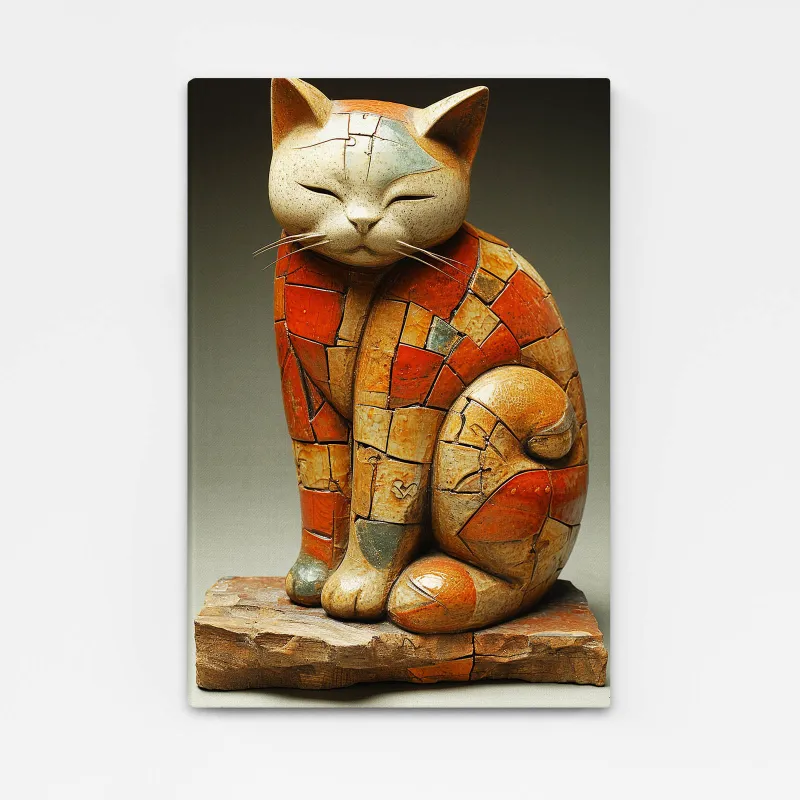
Cat prints fade in direct sunlight depending on the ink type, paper quality, and UV exposure, but you can protect them with the right placement and glazing. Most cat prints and dog prints use pigment or dye-based inks, and the difference between these two determines whether your wall art stays vibrant for decades or starts to wash out within months.
Why Cat Prints and Other Wall Art Fade
Ultraviolet radiation breaks down the chemical bonds in ink and paper. Dye-based inks absorb into the paper fibers and offer brilliant color, but UV light degrades them quickly. Pigment-based inks sit on the surface in tiny particles and resist fading far longer, often rated for 100+ years under glass with UV protection.
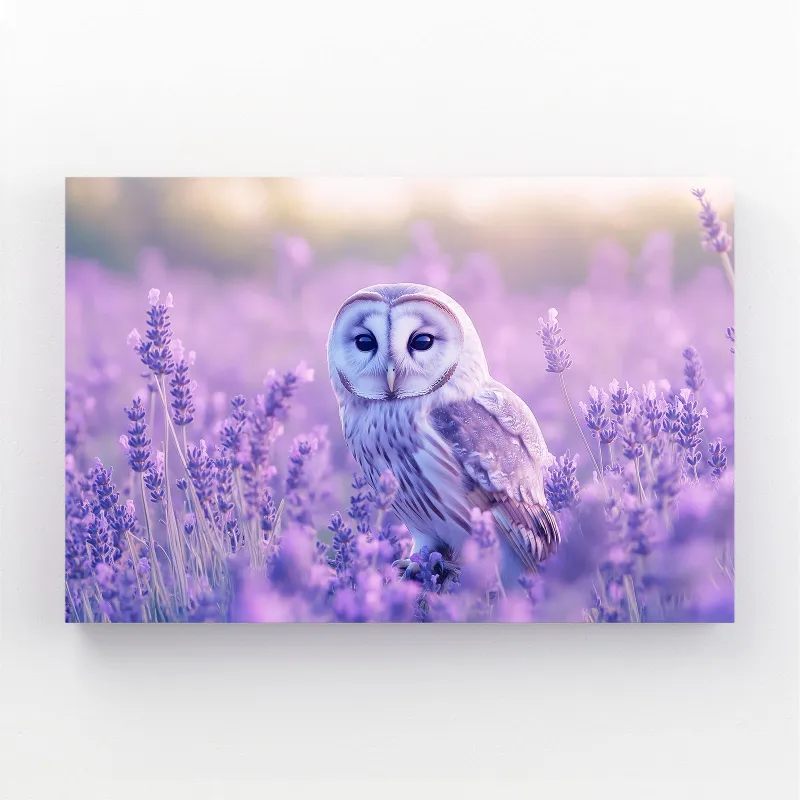
Paper quality matters just as much. Acid-free archival paper prevents yellowing from within, while cheaper wood-pulp stock turns brittle and brown even without direct sun. If you’re investing in boho wall decor or statement pieces like purple owl prints, confirm the seller uses archival materials before you buy.
Humidity and heat accelerate the damage. A print in a sunny bathroom or above a radiator will fade faster than one in a climate-controlled hallway, even if both get the same hours of light.
How Much Sun Exposure Causes Damage
Direct afternoon sun through uncoated glass can visibly fade dye-based prints in as little as three to six months. Pigment prints in the same spot may show minimal change for five years or more, but will eventually lose saturation in the brightest highlights.
Indirect light is safer but not harmless. A print on a wall perpendicular to a sunny window still receives scattered UV and will fade over years. North-facing rooms in the Northern Hemisphere (south-facing in the Southern Hemisphere) get the least intense light and are the safest for unprotected art.
We recommend rotating your cool art and other prints every 12 to 18 months if they’re in moderate-light areas. This spreads exposure evenly and delays noticeable fading across your collection.
Best Protection Methods for Dog Prints and Cat Prints
UV-filtering glass or acrylic blocks 97 to 99 percent of harmful rays and is the single most effective upgrade. Museum glass adds anti-reflective coatings that also reduce glare, making it ideal for high-traffic living rooms where you want color accuracy.
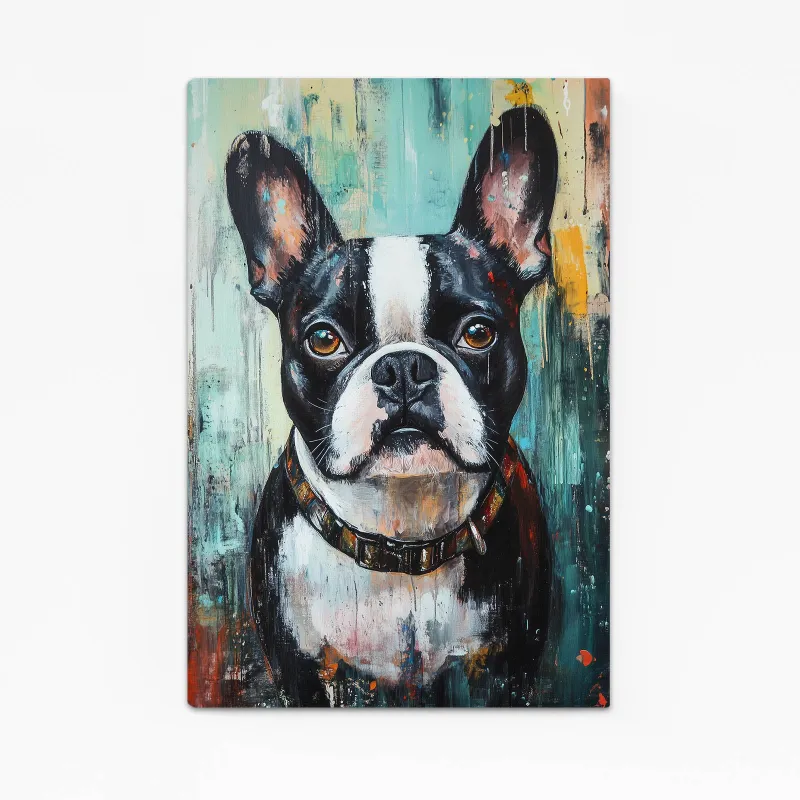
Standard picture-frame glass blocks some UV but not enough to prevent fading in sunny spots. If you’re framing dog prints or black artwork for a bright room, specify UV-glazing when you order or buy pre-cut sheets from a framing supplier.
- UV-filtering window film on your glass panes protects every piece in the room and also cuts heat and energy costs
- Keep prints at least three feet from south or west-facing windows if you cannot add UV glass
- Use LED bulbs instead of halogen spotlights, since LEDs emit almost no UV
Canvas prints and unframed posters are the most vulnerable because they have no protective barrier. Consider moving these to lower-light zones or adding a clear UV spray sealant, which offers moderate protection for one to two years before reapplication.
Comparing Print Types and Fade Resistance
Not all wall art uses the same production method. Knowing what you own helps you decide where to hang it and whether you need extra protection.
| Print Type | Ink | Fade Resistance | Best Use |
|---|---|---|---|
| Giclée (pigment) | Archival pigment | 100+ years with UV glass | Living rooms, galleries |
| Standard inkjet | Dye or pigment blend | 5 to 25 years | Hallways, bedrooms |
| Offset lithograph | Oil-based ink | 50+ years | Any room with indirect light |
| Poster (commercial) | Dye-based | 1 to 3 years unprotected | Temporary or low-light spaces |
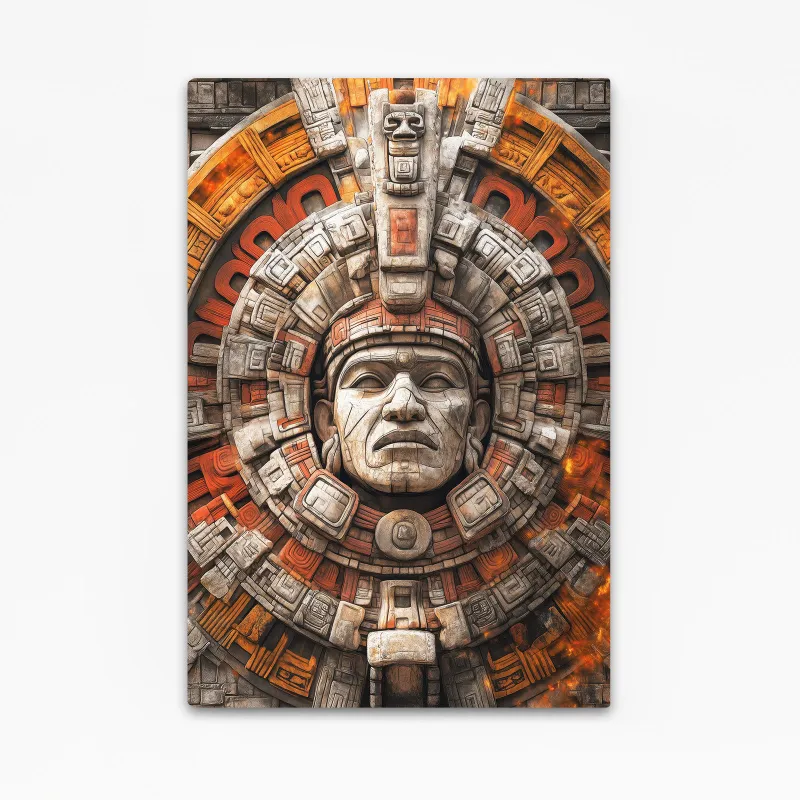
Giclée prints dominate the fine-art market and are the go-to for mexican art, buddha art, and other detailed reproductions. If the product page does not specify the print method, ask the seller directly or check current details and grab the code to confirm specs before ordering.
Where to Hang Your Prints to Minimize Fading
We map sun paths in our own homes to find safe zones. East-facing walls get gentle morning light that is less intense than afternoon rays, making them a good middle ground for zebra print and other high-contrast pieces where slight fading is less noticeable.
Hallways, staircases, and interior walls away from windows are the safest spots for unframed or dye-based prints. You still get to enjoy the art daily without the UV risk.
Avoid placing any print directly opposite a large window, even if the wall itself is not sunny. Reflected light bounces around the room and contributes to cumulative exposure over months.
If you love a sunny gallery wall, reserve those prime spots for prints with confirmed pigment inks and UV glass, or rotate in less precious pieces like driftwood wall art that you plan to refresh every few years. For pricing on UV-protective framing or to see which prints ship with archival certification, visit the store page.
Signs Your Wall Art Is Already Fading
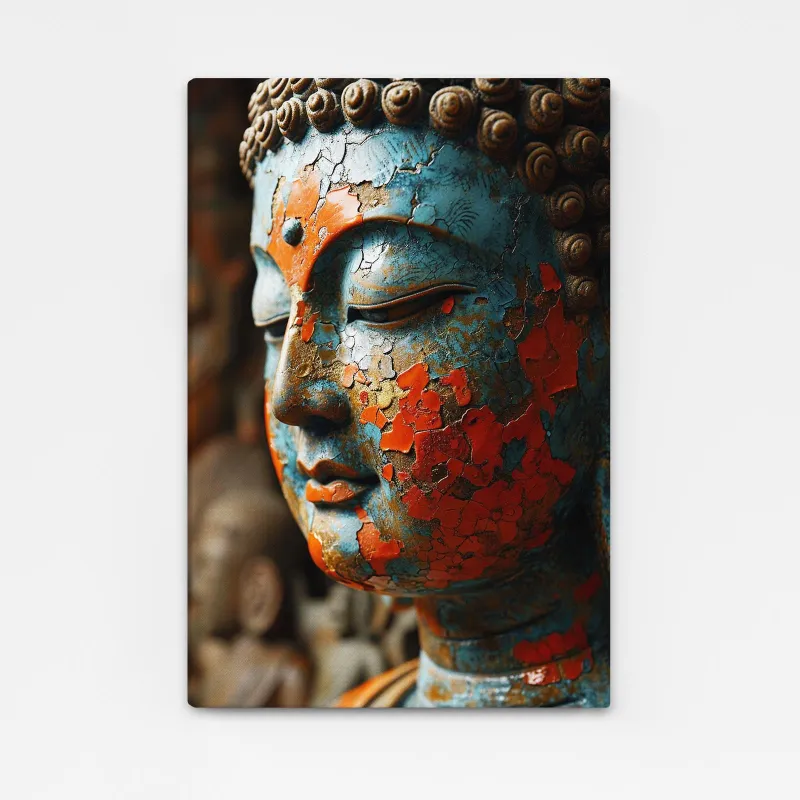
Colors lose vibrancy unevenly. Reds, purples, and yellows fade faster than blues and blacks, so a blue buddha print may look fine while a sunset scene in the same frame has already shifted toward pastel.
Check the areas hidden by the mat or frame rabbet. If the covered edge is noticeably richer than the exposed center, fading has begun. This test works even on gold wall decor and metallic prints, where the shimmer dulls before the color fully disappears.
Paper yellowing or brittleness signals acid damage, which compounds UV fading. If the sheet feels stiff or the whites have turned cream, the print is degrading from within and should be moved to a darker spot or replaced.
Protecting Your Collection Long-Term
Store backup prints flat in acid-free sleeves inside a closet or drawer, away from humidity and light. This lets you swap out a faded piece without reordering and ensures you always have a fresh copy for sentimental favorites.
Document your art with photos every year. Color shifts happen gradually, and side-by-side comparisons reveal fading you might not notice day to day.
Invest in quality framing for the pieces you love most. A $30 UV-glass upgrade protects a $100 print for decades, while leaving it unprotected guarantees you will replace it within a few years. The math favors prevention, especially when you are building a cohesive gallery wall with multiple prints that you want to age at the same rate.
We have seen collections stay vibrant for over a decade with nothing more than smart placement and basic UV glass. The key is matching your protection level to your light conditions and print type, so every piece gets exactly what it needs without over-investing in overkill solutions for low-risk spots.
Questions
Do cat prints fade faster than other wall art?
Cat prints fade at the same rate as any other print made with the same ink and paper. Dye-based inks fade in three to six months of direct sun, while pigment inks last decades with UV glass.
Can I stop fading without changing where I hang my prints?
Yes. Add UV-filtering glass or acrylic to your frames, or apply UV window film to the glass panes in that room. Both block 97 to 99 percent of harmful rays without moving your art.
How do I know if my print uses pigment or dye ink?
Check the product description for terms like giclée, archival pigment, or fade-resistant. If the seller does not specify, ask directly or assume dye-based ink for budget posters and standard inkjet prints.
Will LED lighting damage my dog prints and other wall art?
No. LEDs emit almost no UV radiation and are safe for all print types. Avoid halogen and incandescent spotlights, which produce both UV and heat.
Is it worth framing inexpensive prints with UV glass?
Only if you love the piece and want it to last years. UV glass costs more than basic prints, so reserve it for art you plan to keep long-term or prints in unavoidably sunny spots.
How often should I rotate my wall art to prevent fading?
Rotate prints in moderate-light areas every 12 to 18 months. This spreads UV exposure evenly and delays visible fading across your collection.
Products in this guide
 Shopping at MusaArtGallery? See the discount code
10% OFF All Orders
Shopping at MusaArtGallery? See the discount code
10% OFF All Orders
More in this series
How to Clean and Maintain Buddha Art and Decorative Prints20 Aug 20264 min What to Look for When Buying 3D Wall Decor for Textured Walls20 Aug 20264 minWill Black Artwork Make a Small Room Feel Darker?20 Aug 20265 minBoho Wall Decor vs Minimal Wall Art: Which Style Fits Your Space?20 Aug 20266 minHow to Hang Driftwood Wall Art Without Damaging Your Walls20 Aug 20264 min