 A MusaArtGallery guide
Boho Wall Decor vs Minimal Wall Art: Which Style Fits Your Space?
Boho wall decor brings texture, warmth, and eclectic patterns to your walls, while minimal wall art prioritizes clean lines and breathing room.
Which Style Matches Your Home
Boho wall decor brings texture, warmth, and eclectic patterns to your walls, while minimal wall art prioritizes clean lines and breathing room. The right choice depends on how you use your space, the natural light you work with, and whether you want your walls to anchor the room or fade into the background.
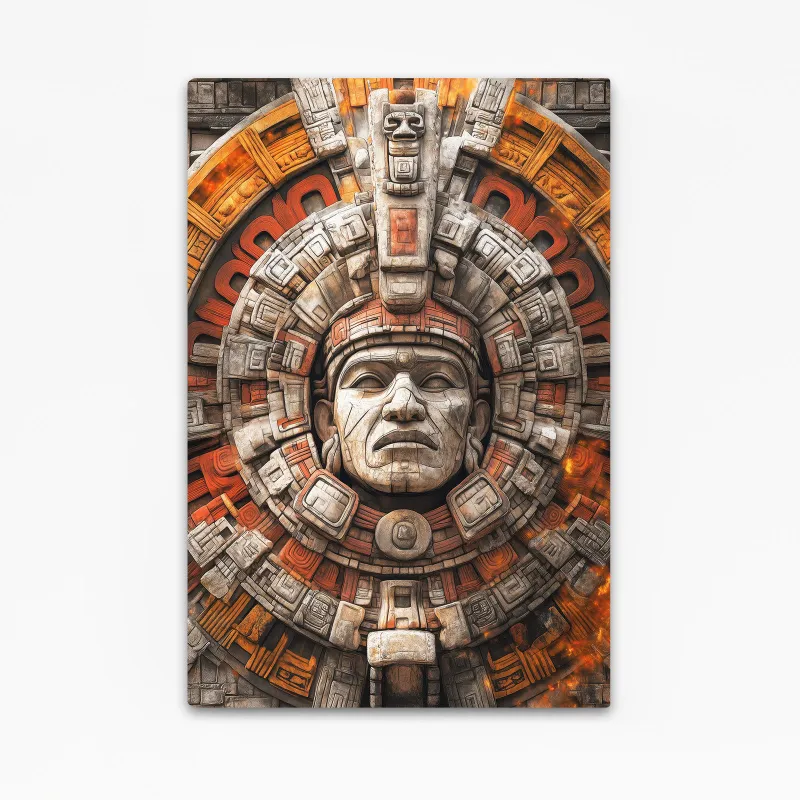
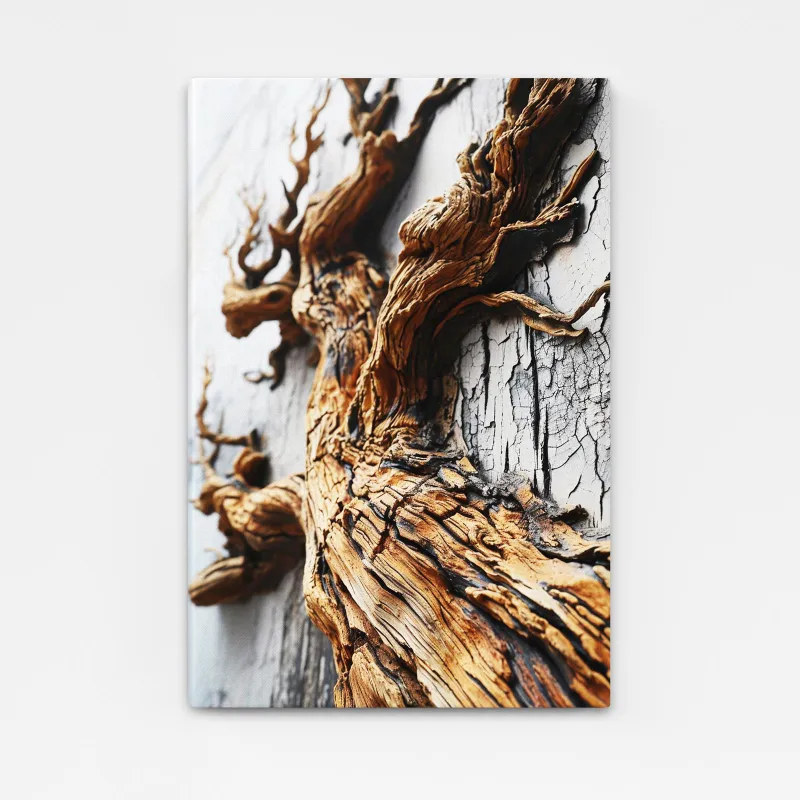
Both styles work beautifully when executed well, but they solve different design problems. Boho embraces layering and personal storytelling through mexican art, driftwood wall art, and mixed media pieces. Minimal leans on negative space, geometric shapes, and monochrome palettes. Below we break down the core differences, material choices, and room-specific recommendations so you can commit to one or blend both.
Core Differences Between Boho and Minimal Aesthetics
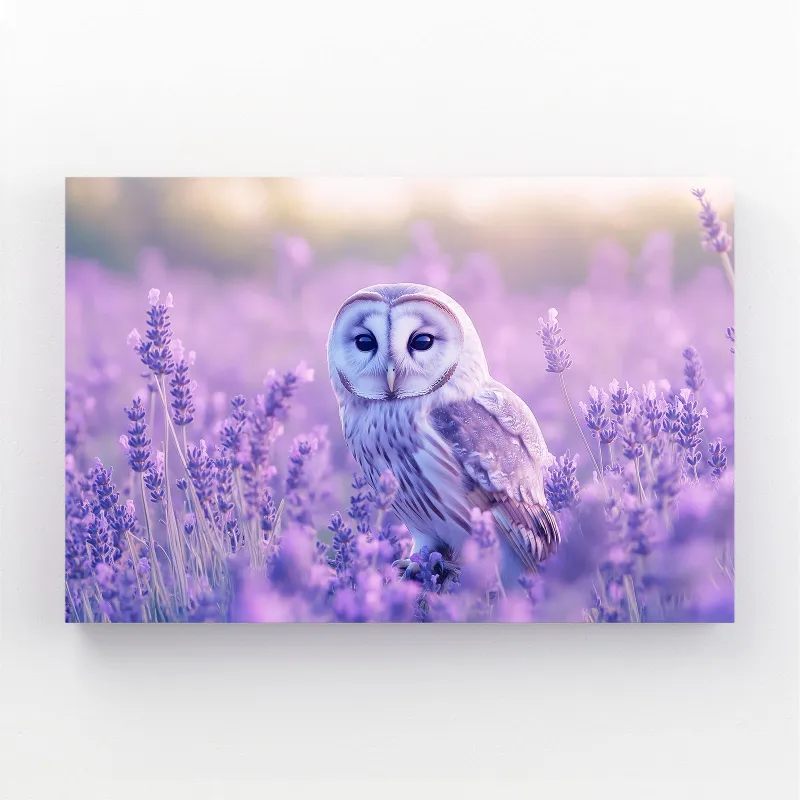
Boho wall decor thrives on abundance. Think macramé hangings, woven baskets, purple owl prints, and gallery walls that mix frames, textures, and eras. The palette pulls from earthy tones like terracotta, mustard, sage, and rust, often accented with metallics. You’ll see natural materials like rattan, jute, and reclaimed wood featured prominently in pieces such as driftwood wall art.
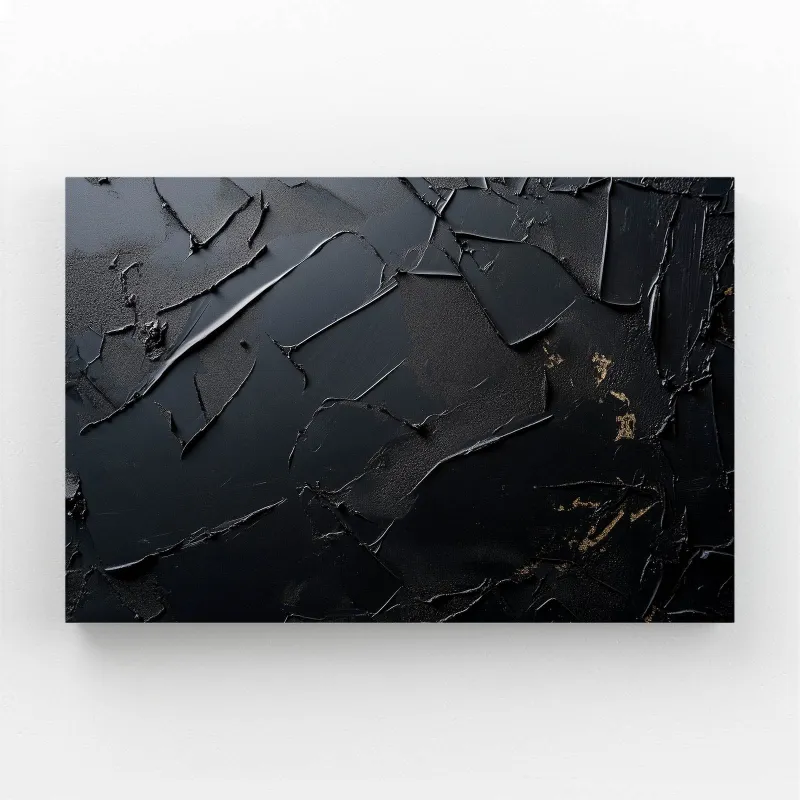
Minimal wall art strips everything down to essentials. A single large canvas, a black-and-white photograph, or a piece of black artwork centered above a sofa. The color scheme stays neutral (whites, grays, blacks, beiges) with occasional pops of a single accent color. Materials lean industrial or refined: metal frames, glass, smooth wood, or unframed canvases. The goal is intentional emptiness that lets each piece breathe.
| Feature | Boho | Minimal |
|---|---|---|
| Color Palette | Warm, layered, earthy tones | Neutral, monochrome, sparse accents |
| Texture | High (macramé, weaving, wood) | Low (smooth, polished surfaces) |
| Density | Gallery clusters, full walls | Single statement pieces, negative space |
| Materials | Natural fibers, reclaimed wood, plants | Metal, glass, simple frames |
We’ve found that boho works best in spaces where you spend long periods relaxing (living rooms, reading nooks) because the visual richness creates coziness. Minimal shines in high-traffic areas (entryways, home offices) where you need focus and calm.
Materials and Textures That Define Each Style
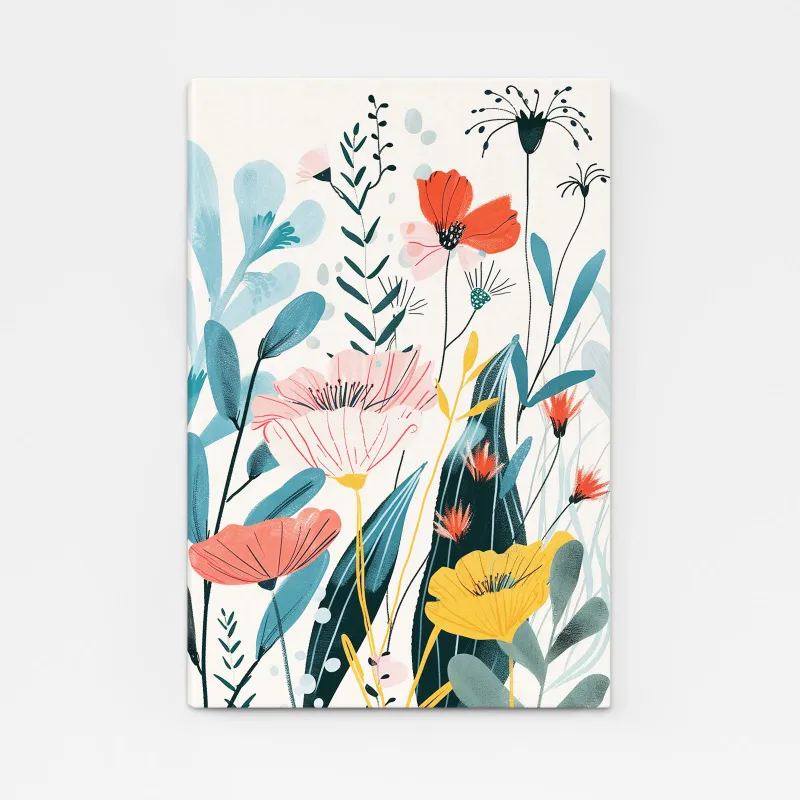
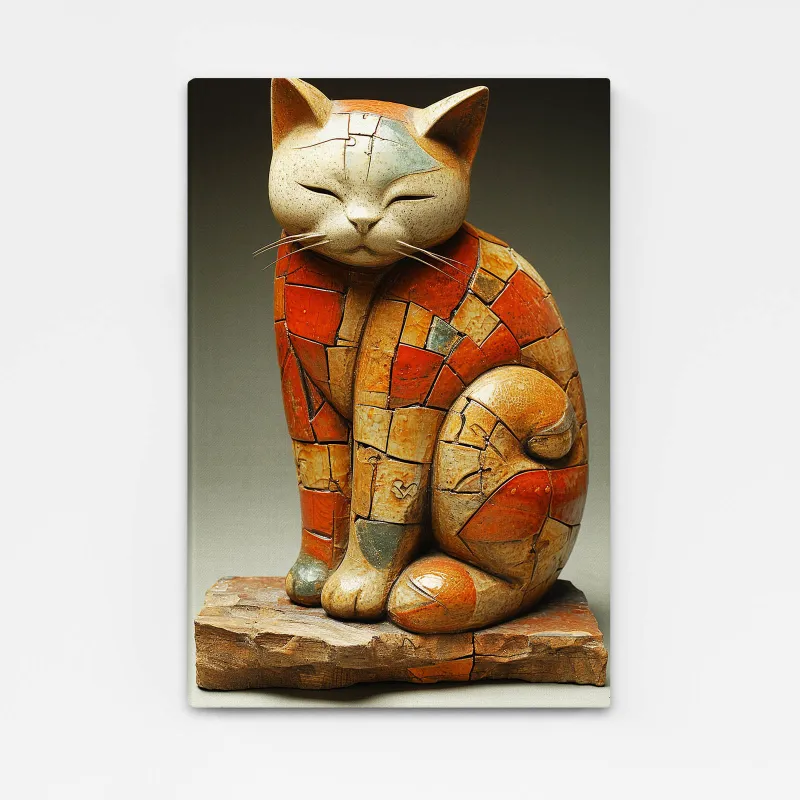
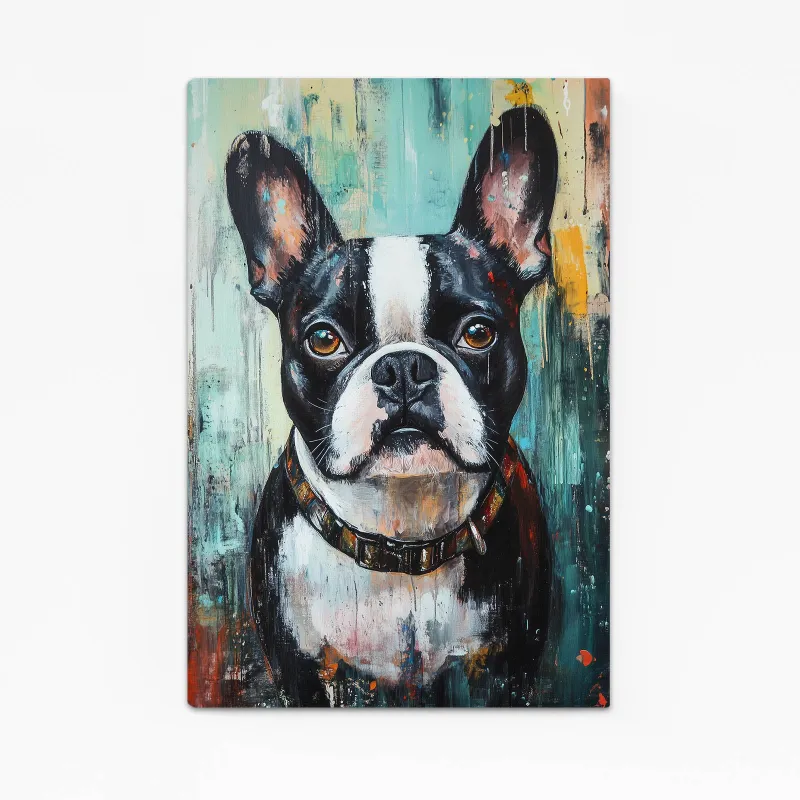
Boho leans heavily on handmade and organic materials. Macramé wall hangings, woven tapestries, and pieces like boho wall decor incorporate cotton rope, jute, and wool. You’ll also see carved wood panels, rattan mirrors, and botanical prints. These textures catch light differently throughout the day, adding depth without color changes. Cat prints or dog prints with watercolor finishes fit naturally into this aesthetic when framed in light wood or left unframed on textured paper.
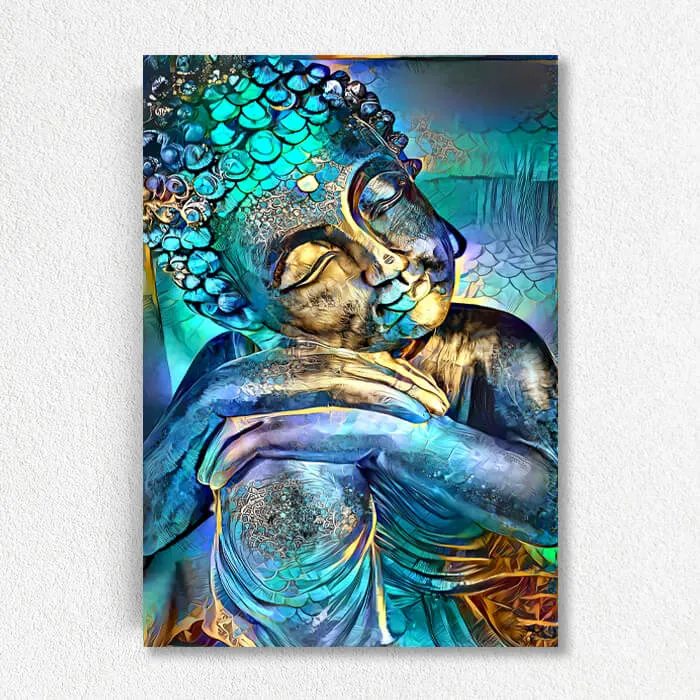
Minimal art strips texture to a minimum. Framed prints behind glass, metal prints, or canvases with smooth acrylic finishes dominate. Blue buddha or buddha art works in minimal spaces when rendered in line art or monochrome photography. The frames themselves become design elements: thin black metal, natural oak with clean edges, or frameless floating mounts. We recommend checking current pricing and our discount code if you’re ordering multiple pieces, since minimal galleries often require precise sizing.
Material durability matters for both. Boho textiles need occasional dusting and should avoid direct sunlight to prevent fading. Minimal glass-fronted frames resist dust but show fingerprints easily. If you have pets or children, boho’s forgiving textures hide minor wear better than minimal’s pristine surfaces.
How to Choose Based on Room Function
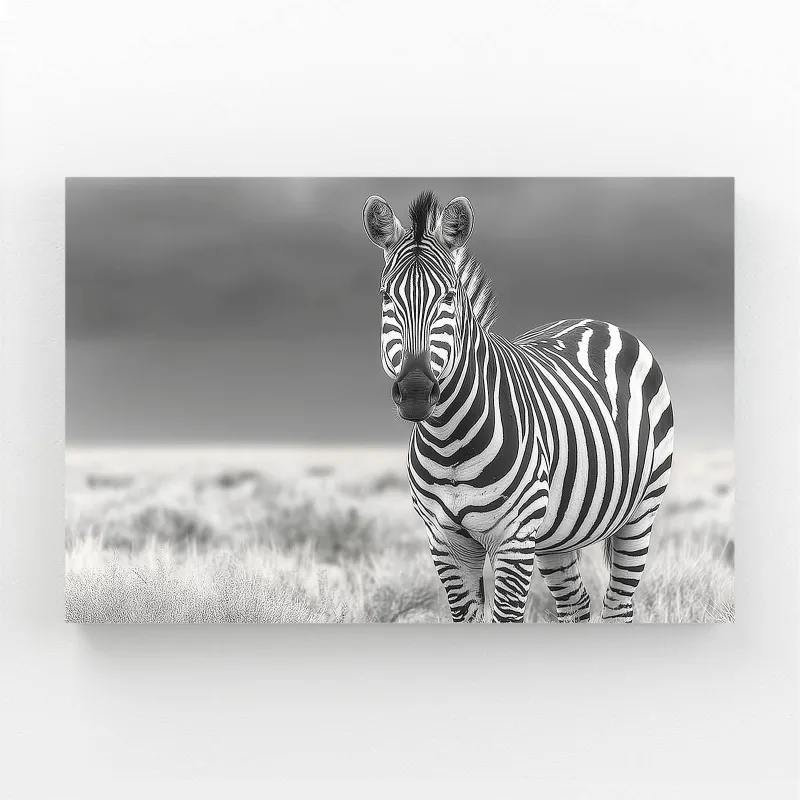
Living rooms suit boho when you want a cozy, conversation-friendly vibe. Layer a large mexican art piece with smaller zebra print accents, add a macramé hanging, and cluster frames of varying sizes. The visual weight grounds seating areas and makes the room feel collected over time. Minimal works when your furniture is bold or you want the view outside to stay the focal point. A single oversized canvas or a diptych in black artwork keeps the walls from competing with your sofa or windows.
Bedrooms benefit from boho’s warmth above the headboard. A woven wall hanging or driftwood wall art adds softness without the commitment of paint. Minimal keeps bedrooms serene, especially in small spaces where too much pattern can feel chaotic. A single piece of cool art centered above the bed maintains calm without feeling sterile.
Home offices and entryways lean minimal. These high-focus or high-traffic zones need visual clarity. A single statement print or a narrow vertical piece keeps energy moving without distraction. Boho can work in creative studios or craft rooms where the clutter of supplies already exists and cohesive wall chaos feels intentional.
Mixing Boho and Minimal Without Creating Chaos
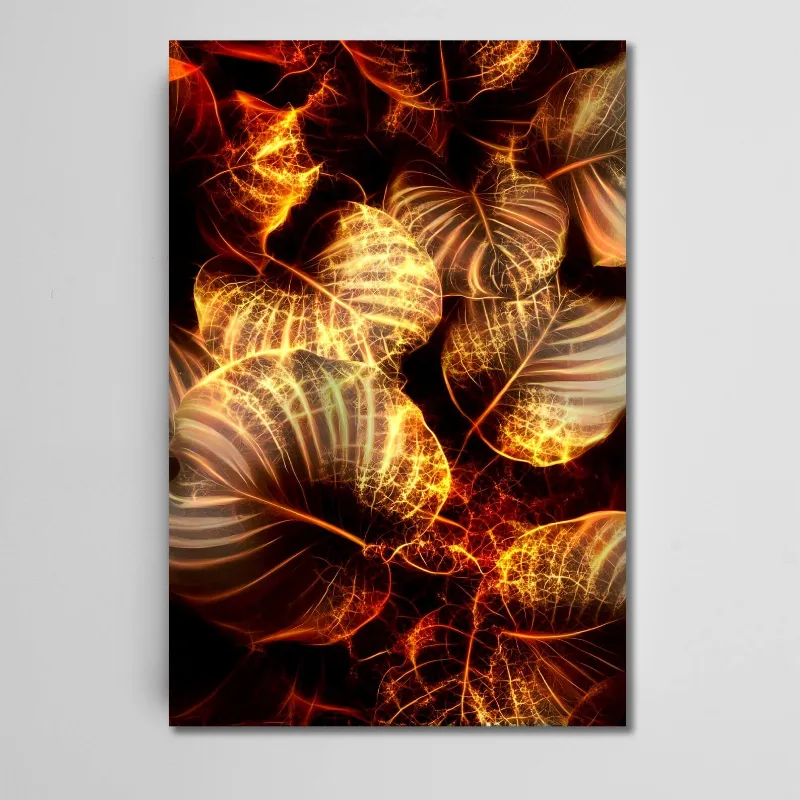
You can blend both styles if you establish one as dominant. Start with a minimal base (white walls, simple furniture, sparse decor) and add one or two boho accent walls. A macramé piece in a minimal bedroom or a gold wall decor mirror in an otherwise neutral entryway introduces warmth without overwhelming the space.
Alternatively, use boho as your foundation and carve out minimal zones. A boho living room with layered textiles and gallery walls can still feature a minimal dining nook with a single large print. The key is creating visual boundaries so each area reads as intentional rather than indecisive.
Color is your bridge. If your boho palette includes a lot of warm neutrals (beige, cream, tan), you can introduce minimal black-and-white art without clash. If your minimal space uses cool grays, a single boho piece in muted sage or rust works as a controlled accent.
Sizing and Layout Strategies for Both Aesthetics
Boho galleries thrive on asymmetry. Mix small prints, medium textiles, and one large anchor piece. Start with the largest item slightly off-center, then build outward in a loose grid. Leave 2 to 4 inches between pieces. Use painter’s tape to mock layouts on the wall before committing to nails. Purple owl or animal prints work well as smaller accent pieces within a larger boho arrangement.
Minimal layouts follow strict geometry. For a single piece, measure your wall width and choose art that spans 50 to 75 percent of it. Hang at eye level (57 to 60 inches from the floor to the center of the piece). For diptychs or triptychs, keep spacing between panels consistent (2 to 3 inches). Minimal demands precision, so use a level and measure twice.
Wall size matters. Small walls (under 4 feet wide) suit a single boho textile or one minimal print. Medium walls (4 to 8 feet) can handle a boho cluster or a large minimal canvas. Large walls (over 8 feet) need either a dense boho gallery or an oversized minimal statement piece to avoid looking empty. Before you buy, grab our discount code to save on larger orders.
Lighting and Color Considerations
Boho art needs layered lighting. Wall sconces, floor lamps, and string lights create shadows that emphasize texture in macramé, wood grain, and woven pieces. Warm-toned bulbs (2700K to 3000K) enhance earthy palettes. Avoid harsh overhead lighting that flattens depth.
Minimal art pairs with focused lighting. Picture lights, track lighting, or recessed spots highlight individual pieces without spill. Cool or neutral white bulbs (3500K to 4000K) maintain the crispness of black artwork or line drawings. In rooms with abundant natural light, minimal art stays legible all day, while boho pieces may need curtains to prevent sun damage to textiles.
Paint color influences both. Boho pops against warm whites, creams, and even bold accent walls in terracotta or deep teal. Minimal requires true white, soft gray, or black feature walls to maintain contrast and negative space. Test paint samples next to your art before committing to a full room.
Care and Longevity for Each Style
Boho textiles need gentle vacuuming every few months to remove dust from macramé knots and woven fibers. Avoid hanging them in humid bathrooms or near cooking areas where grease and moisture accumulate. Wood elements like driftwood wall art benefit from occasional dusting and should stay out of direct sunlight to prevent cracking.
Minimal art requires less maintenance but shows imperfections quickly. Wipe glass-fronted frames with microfiber cloths and glass cleaner monthly. Metal frames resist corrosion but can dent, so handle carefully during moves. Unframed canvases should stay in climate-controlled spaces to prevent warping.
Both styles age well if chosen thoughtfully. Boho’s handmade quality and natural materials develop patina that adds character. Minimal’s timeless simplicity avoids trend fatigue. We recommend mixing a few investment pieces with affordable prints so you can rotate seasonal accents without overcommitting your budget. Check the latest pricing and code before placing larger orders.
Questions
Can boho wall decor work in a small apartment?
Yes, but focus on one accent wall or corner rather than covering every surface. Use lighter colors and smaller pieces to avoid overwhelming the space. Vertical arrangements draw the eye up and make ceilings feel higher.
How do I hang driftwood wall art securely?
Use heavy-duty picture hooks rated for the piece's weight, typically 10 to 20 pounds. If the driftwood has an irregular back, add D-rings or wire for balance. Anchor into studs for pieces over 15 pounds.
Which style is easier to update seasonally?
Minimal is faster to swap since you're changing fewer pieces. Boho galleries take more planning to add or remove items without disrupting the layout. Both can rotate accent pieces without a full redesign.
Do I need to frame boho art like mexican art or cat prints?
Not always. Boho embraces unframed canvases, tapestries, and prints on textured paper. If you do frame, choose natural wood or rattan frames that complement the organic aesthetic rather than sleek metal.
Can I mix black artwork with colorful boho pieces?
Yes, black-and-white prints ground a boho gallery and provide visual rest between vibrant patterns. Keep the ratio around 1 minimal piece to every 3 to 4 boho items so the eclectic style stays dominant.
How high should I hang a single minimal wall art piece?
Center it at 57 to 60 inches from the floor, which aligns with average eye level. In dining rooms, hang slightly lower so it relates to the table. Above furniture, leave 6 to 12 inches of space between the piece and the surface.
Products in this guide
 Shopping at MusaArtGallery? See the discount code
10% OFF All Orders
Shopping at MusaArtGallery? See the discount code
10% OFF All Orders
More in this series
Do Cat Prints and Dog Prints Fade Over Time in Direct Sunlight?20 Aug 20265 min How to Clean and Maintain Buddha Art and Decorative Prints20 Aug 20264 minWhat to Look for When Buying 3D Wall Decor for Textured Walls20 Aug 20264 minWill Black Artwork Make a Small Room Feel Darker?20 Aug 20265 minHow to Hang Driftwood Wall Art Without Damaging Your Walls20 Aug 20264 min