 A Psilvam guide
Do Whitewashed Rocking Chairs Hold Up to Weather? What We Found
A whitewashed rocking chair built from quality outdoor materials can withstand weather, but finish type and maintenance habits make all the difference.
A whitewashed rocking chair built from quality outdoor materials can withstand weather, but finish type and maintenance habits make all the difference.
How a Whitewashed Rocking Chair Performs in Weather
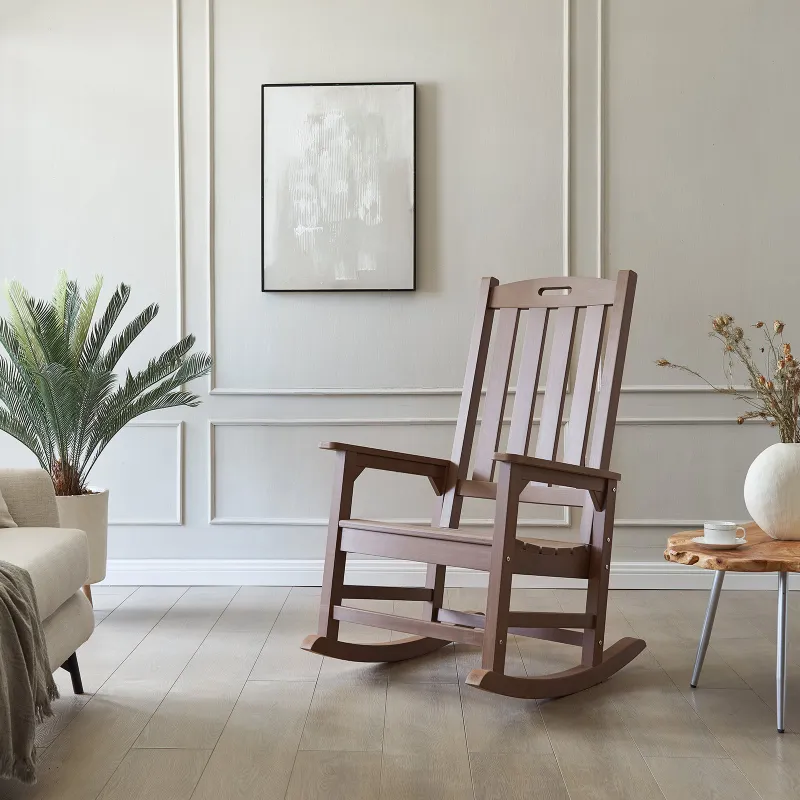
The whitewashed finish on outdoor rocking chairs is actually a protective layer, not just decoration. When applied properly to quality wood or poly materials, it reflects UV rays and resists moisture absorption better than bare wood. If you are looking at whitewashed rocking chairs for outdoor use, check whether the underlying material is pressure-treated or fully synthetic.
That said, the finish itself will weather. You’ll see some color fading after 12 to 18 months of full sun exposure, but this is cosmetic. The chair remains functional. Chairs stored under a covered porch or gazebo last much longer without touch-ups. Direct rain and freeze-thaw cycles accelerate wear on the finish, though they don’t compromise the frame if it’s built from marine-grade wood or recycled poly.
Material Matters: Wood vs. Poly for Whitewashed Designs
The biggest durability difference comes down to what’s underneath the whitewash.
| Material | Weather Resistance | Maintenance | Best For |
|---|---|---|---|
| Pressure-treated wood | Good; handles rain and UV | Annual touch-ups needed | Traditional look, covered spaces |
| Recycled poly | Excellent; no rot or splintering | Minimal; rinse with water | Full sun, humid climates |
| Ipe or hardwood | Excellent; naturally dense | Resealing every 2-3 years | High-investment chairs |
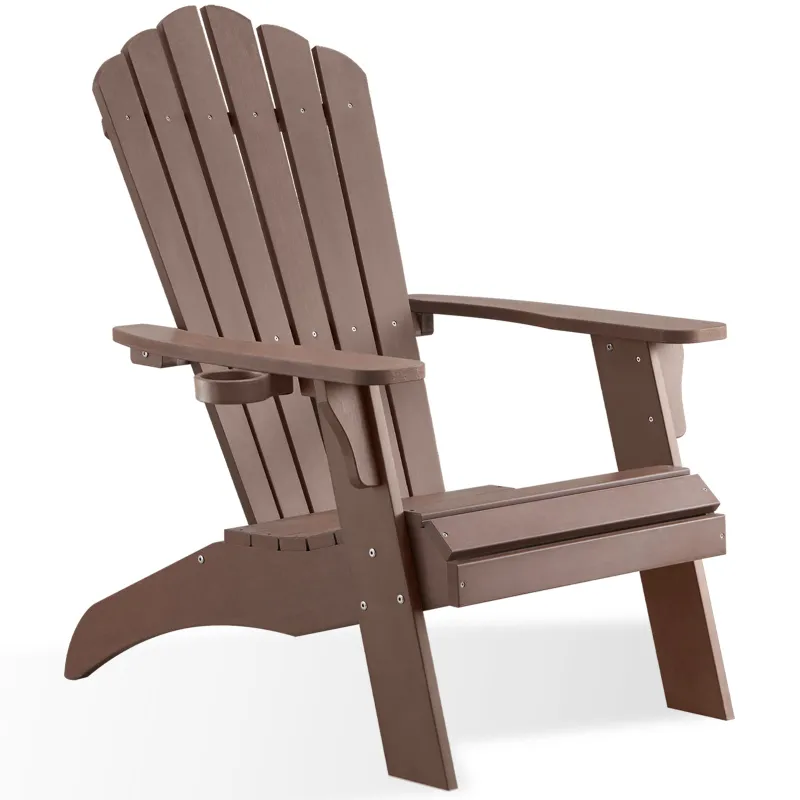
Pressure-treated pine or cedar under a whitewash works well for covered porches where rain exposure is limited. The wood stays sound, though the finish will pale or gray. For exposed decks and seaside locations, stained adirondack chairs and poly options outperform wood. Recycled polyethylene never rots, doesn’t splinter, and the whitewash sticks without peeling for years. If you want peak durability and don’t mind the cost, ipe adirondack chairs resist weather like almost nothing else and can age beautifully with minimal care.
Why Whitewash Fails (and How to Prevent It)
Most whitewashed finishes fail not because of the material, but because of how they’re applied or maintained. Thin, single-coat finishes break down in one season. Quality outdoor whitewash from manufacturers like Psilvam uses multiple layers and marine-grade sealants designed to flex with wood movement.
The other killer is neglect. Whitewash that sits wet for days (trapped under a deck cover or in standing water) will peel or blister. Dirt and mold trapped under the finish accelerate breakdown. Grab the code for 10% off and invest in pieces built with exterior-grade finishes from the start.
Maintenance Routine to Extend Whitewash Life
Keeping your whitewashed rocking chair looking good requires basic, seasonal care:
- Rinse with a garden hose every 2 to 3 months to remove dust and mold spores
- Wipe down after heavy rain; don’t let water pool in joints or crevices
- Store under cover during winter or severe weather if possible
- Touch up peeling or chipped finish every 18 to 24 months with exterior wood stain or paint rated for outdoor use
- Avoid pressure washing, which can force water into seams and lift the finish
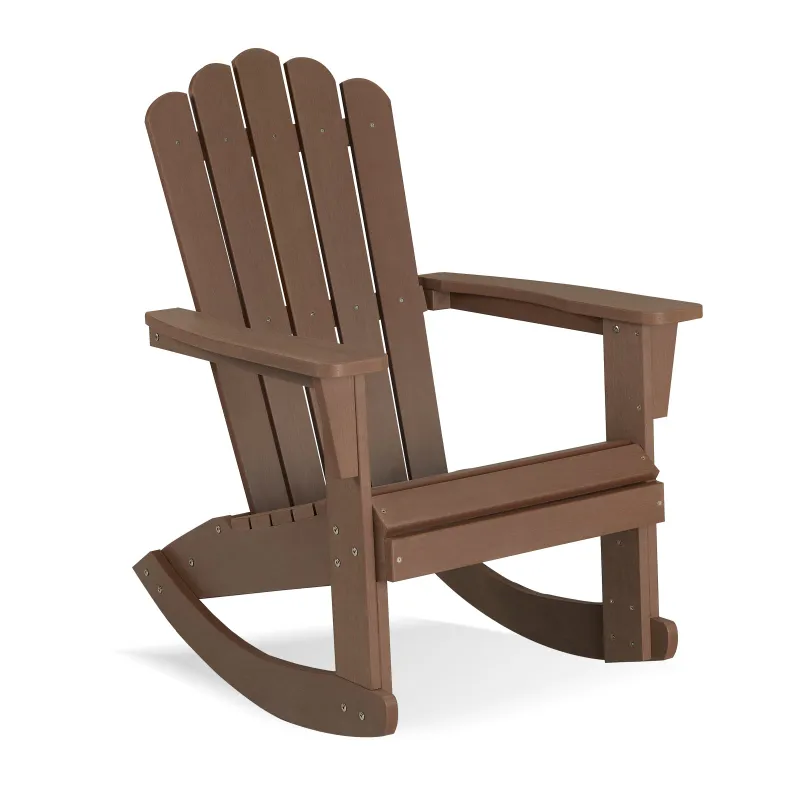
For poly options like certain adirondack chairs rocker models, you can skip the repainting entirely. Rinse and dry, and the chair stays solid for a decade or more.
Best Setups for Different Climates
Your location shapes how well whitewashed rocking chairs perform. In dry, temperate zones with mild winters, a whitewashed rocking chair will age gracefully with minimal intervention. Four-season climates with freeze-thaw cycles demand poly or hardwood, since repeated expansion and contraction can split softer woods. Humid, tropical areas favor poly as well, mold loves moisture and wood, but stays off plastic.
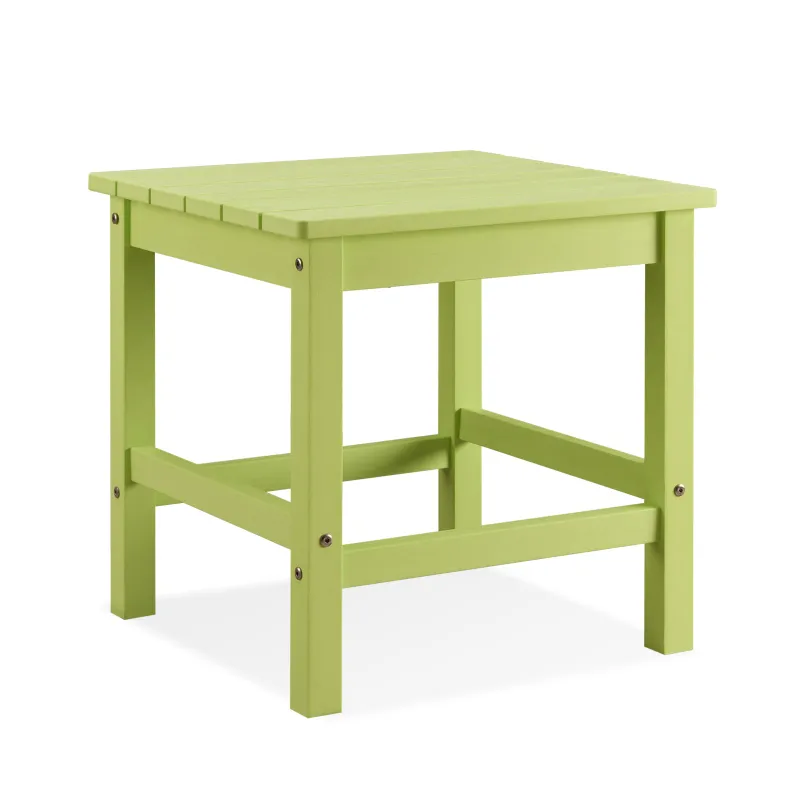
Covered spaces like screened porches or gazebos are ideal for wood whitewash. You get the classic look without fighting the weather as hard. If your chair lives in full sun and rain, poly performs better. Pair your choice with complementary pieces like an adirondack outdoor table or two person outdoor bench in the same finish for a cohesive set that ages together.
The Real Durability Picture
A whitewashed rocking chair isn’t fragile. It’s an outdoor piece that weathers intentionally, that’s the charm. The finish will develop character, fade slightly, and need occasional touch-ups, just like any exposed wood or painted outdoor furniture. What matters is starting with a quality build. Look for chairs made from pressure-treated wood, recycled poly, or solid hardwoods, with finishes applied in multiple coats by the manufacturer.
Psilvam’s options include everything from traditional stained adirondack chairs to modern poly rockers, all designed to last multiple seasons outdoors. Check the latest price and compare materials before buying. A higher upfront cost for better wood or poly typically saves money over time, you’ll replace a cheap chair after two seasons, but a solid whitewashed rocker will serve your porch for 5 to 10 years with basic care.
Questions
Can a whitewashed rocking chair stay outside year-round?
Yes, if it's built from pressure-treated wood, poly, or hardwood with a marine-grade finish. Storing it under a cover or in a garage during harsh winters extends the life of the finish, but many owners leave quality whitewashed rockers outside year-round without damage.
How often do I need to repaint or reseal a whitewashed rocking chair?
Wood chairs typically need a touch-up every 18 to 24 months depending on sun exposure. Recycled poly chairs rarely need repainting. If your chair is under a covered porch, you can stretch it to 2 to 3 years between touch-ups.
Will a whitewashed rocking chair fade in direct sunlight?
Yes, the finish will gradually lighten or gray after 12 to 18 months of full sun. This is normal weathering. The structural integrity of the chair remains sound; only the appearance changes. You can refresh the whitewash whenever you'd like.
What's the difference between a whitewashed rocking chair and a stained one for outdoor use?
Whitewash is a thin, porous finish that breathes with the wood and creates a lighter, more rustic look. Stain is denser and offers better UV protection but a darker appearance. Both can work outdoors; whitewash suits covered spaces, while stain performs better in full sun.
Are recycled poly whitewashed rocking chairs better than wood for weather?
Recycled poly chairs resist rot, mold, and splintering better than wood and rarely need repainting, making them lower maintenance. Wood offers a more traditional aesthetic and can age beautifully with care. Neither is objectively 'better', it depends on your climate and preference.
Can I use a whitewashed rocking chair indoors for a nursery or bedroom?
Yes, whitewashed rockers work beautifully indoors and don't need weather protection. An indoor whitewashed chair will last decades with minimal maintenance, making it a practical and stylish choice for nurseries, bedrooms, or reading nooks.
Products in this guide
 Shopping at Psilvam? See the discount code
10% OFF All Orders
Shopping at Psilvam? See the discount code
10% OFF All Orders
More in this series
Rocker vs. Standard Adirondack: Which Chair Suits Your Porch14 Sep 20263 minWhy Two Person Outdoor Benches Need Regular Sealing (And When to Skip It)14 Sep 20264 minHow to Clean and Maintain Adirondack Outdoor Tables Year-Round14 Sep 20264 minBest Outdoor Bench Materials: Poly Planter Benches vs. Wood Alternatives14 Sep 20263 minHow to Choose Between Ipe and Poly Adirondack Chairs for Durability14 Sep 20264 min