 A Psilvam guide
How to Choose Between Ipe and Poly Adirondack Chairs for Durability
Ipe adirondack chairs offer unmatched hardwood durability, but poly alternatives provide easier maintenance—here's how to choose the right material for your patio.
Ipe adirondack chairs deliver extreme durability through a dense tropical hardwood, while poly versions prioritize low maintenance and weather resistance. Both solve the challenge of outdoor furniture that lasts, but they take different approaches, and the right choice depends on your priorities, budget, and how much upkeep you’re willing to commit to.
Why Material Matters for Adirondack Longevity
Adirondack chairs live outside year-round in most climates, taking on UV rays, rain, temperature swings, and foot traffic. Material choice determines whether your investment withstands a decade or splinters in three years. Ipe outdoor furniture has earned a reputation for outlasting almost everything else on the market; it’s a hardwood so dense it resists rot, insects, and weathering without chemical treatment. Poly and resin alternatives skip the maintenance burden entirely but sacrifice some of that bulletproof longevity.
The Heritage Adirondack Chair standard (recognized across the industry) defines what true durability looks like in these designs. When you’re comparing options, that benchmark helps clarify what each material actually delivers.
Ipe Adirondack Chairs: The Hardwood Heavyweight
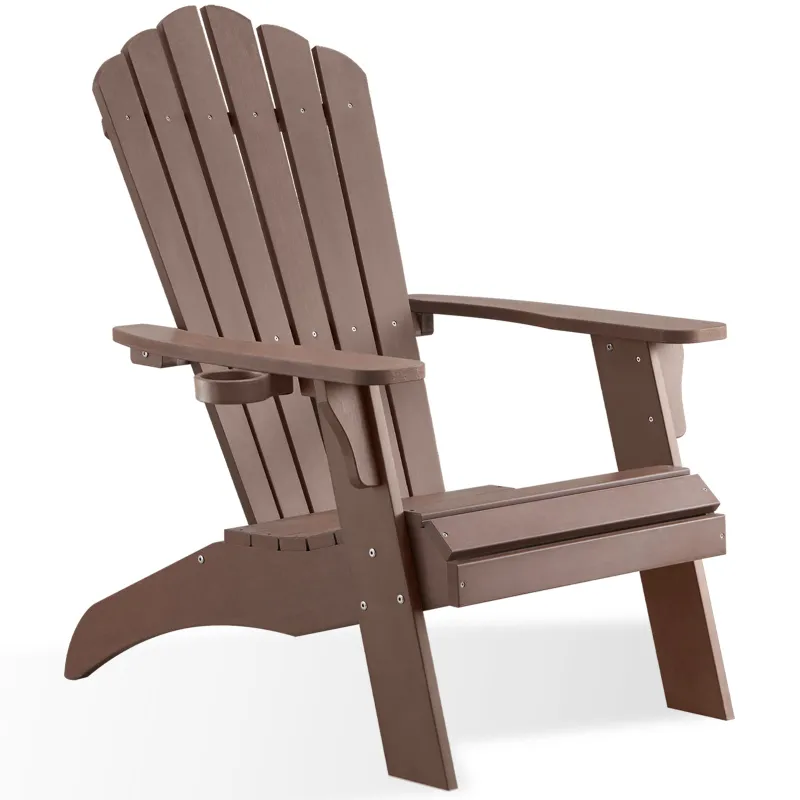
Ipe is a Brazilian hardwood so dense it sinks in water. Ipe adirondack chairs are engineered to last 25+ years with minimal intervention. The wood naturally resists rot, termites, and fungal decay without staining or pressure treatment. You get that authentic wooden aesthetic, authentic weight (they stay put in wind), and a patina that deepens over time.
The tradeoff is maintenance. Ipe needs annual or biannual sealing to prevent graying, not because it will fail without it, but because the finish dulls under UV. Staining and sealing are straightforward tasks, and many owners appreciate the ritual. The material also costs more upfront; ipe adirondack chairs for sale command a premium compared to poly.
Weight is another consideration. Ipe is genuinely heavy, which means it won’t blow across your deck but also won’t be easy to move. If you rearrange furniture seasonally, plan accordingly.
Poly Adirondack Chairs: Maintenance-Free Durability
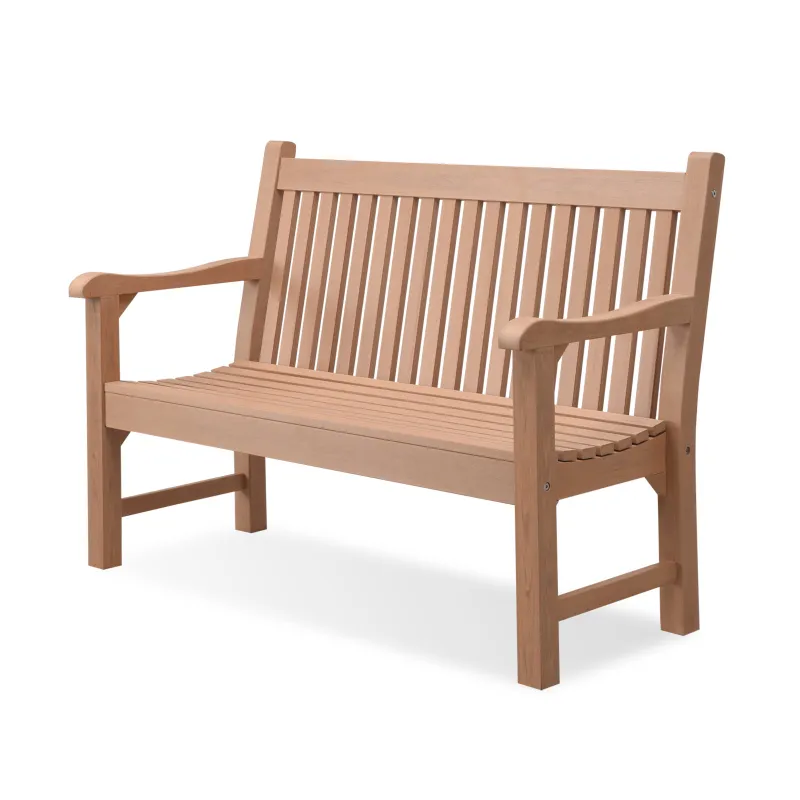
The 950 poly planter bench and poly adirondack options skip wood entirely. They’re molded from high-density polyethylene, immune to rot and splintering, and they won’t warp, crack, or attract insects. Rain rolls off; UV inhibitors keep color stable for years. You essentially wash them with a hose and move on.
Poly chairs cost less than ipe and weigh significantly less, making them ideal if you move furniture often or prefer minimal upkeep. The aesthetic is cleaner and more modern, some prefer it, others find it less warm than wood. Poly also doesn’t develop that rich patina over time; it stays visually consistent.
The durability question with poly is different from ipe. It lasts long (10 to 15 years is typical) but through stasis rather than density. It won’t degrade or rot, but it also won’t improve with age the way wood does.
Comparing Ipe and Poly Side-by-Side
| Feature | Ipe | Poly |
|---|---|---|
| Lifespan | 25+ years | 10 to 15 years |
| Maintenance | Annual sealing | Occasional wash |
| Weight | Heavy (stays put) | Light (portable) |
| Aesthetic | Warm, evolves with age | Modern, consistent |
| Upfront cost | Higher | Lower |
| Weather resistance | Naturally resistant | Chemical inhibitors |
Hybrid Options Worth Considering
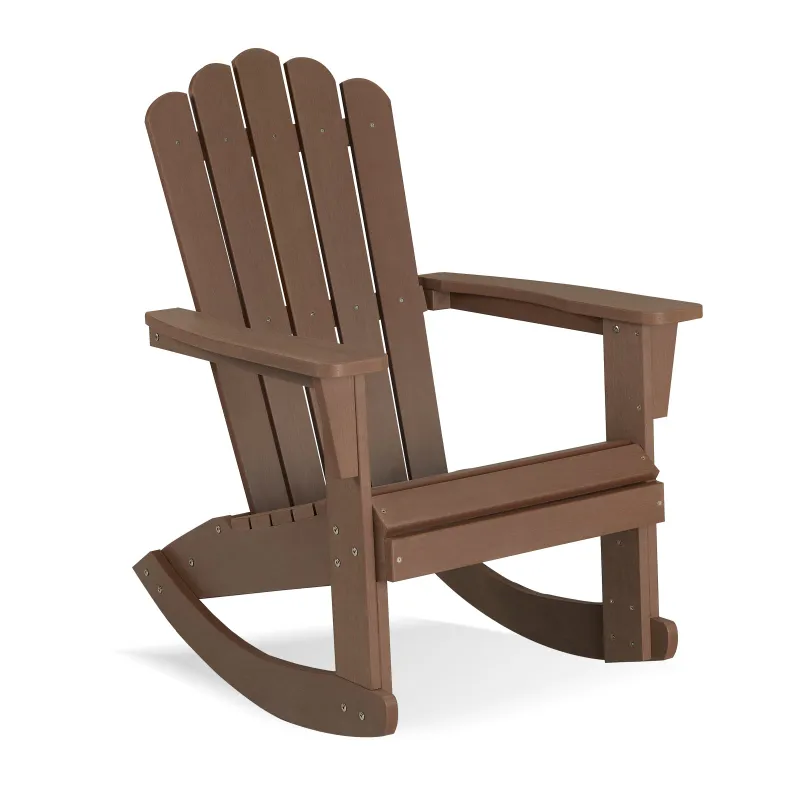
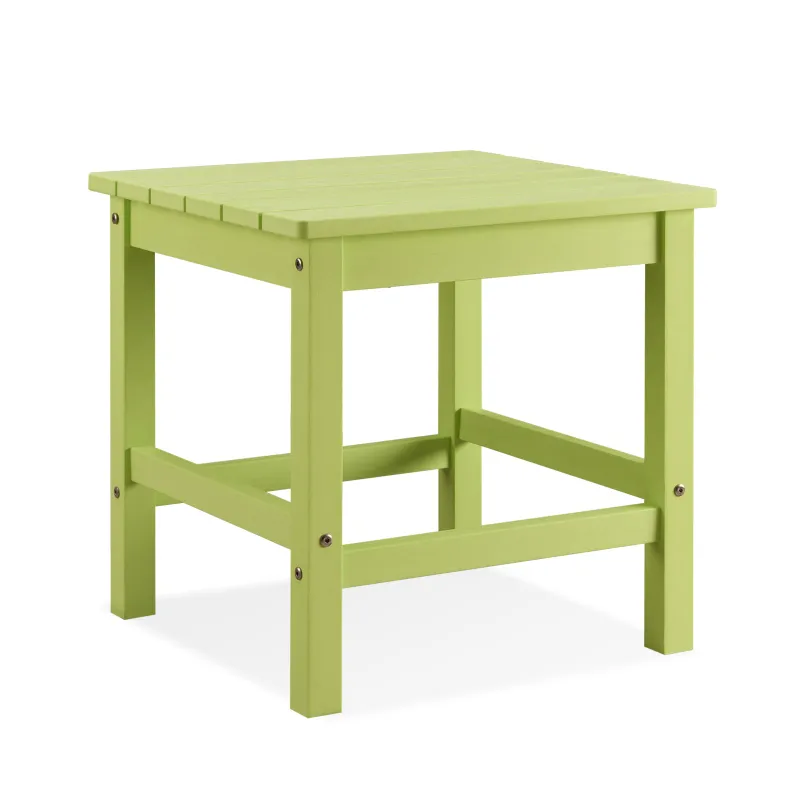
Psilvam and other outdoor makers also blend approaches. The stained adirondack chairs split the difference, wood construction with factory staining that buys you time before resealing. The adirondack chairs rocker option adds a functional element that works in both materials. And if you’re outfitting an entire space, the adirondack outdoor table pairs with chairs in either material, so you can match your aesthetic and maintenance preference across the set.
For buyers who want ipe outdoor furniture aesthetics but at different price points, jensen jarrah adirondack chairs offer another hardwood alternative, less dense than ipe but still solid, and sometimes priced between ipe and poly.
Who Should Choose Ipe
Pick ipe if you want maximum durability, don’t mind annual maintenance, and value authenticity. It’s the choice for buyers who see furniture as a long-term investment and appreciate wood that develops character. If you’re furnishing a primary patio where chairs will stay year-round, ipe absorbs its higher cost over decades of use.
Who Should Choose Poly
Go poly if maintenance feels like a burden, you move furniture seasonally, or you need a lighter option for accessibility. Poly works well in high-traffic areas like rental properties, busy families, or spaces where simplicity wins. It’s also the practical pick if your budget is tighter but you still want weather-resistant outdoor seating.
Getting the Best Deal
Both materials represent solid outdoor investments. Check the latest price on Psilvam to compare the two person outdoor bench and chair options side-by-side, and grab the code for 10% off all orders. That discount applies whether you’re choosing ipe adirondack chairs or poly alternatives, so the upfront gap narrows when you factor in current offers.
Read jensen ipe furniture reviews from other buyers to see how ipe holds up in real yards over multiple years. Poly durability is more predictable; ipe’s appeal often comes through in long-term owner satisfaction.
The durability difference is real but not always decisive. Ipe wins on raw longevity; poly wins on convenience. Match your choice to how you actually use your patio, and you’ll be satisfied either way.
Questions
How long do ipe adirondack chairs really last?
With basic annual sealing, ipe adirondack chairs typically last 25+ years. The wood's natural density resists rot and insects, so durability depends more on your willingness to maintain the finish than on the material failing.
Do I have to seal ipe outdoor furniture every year?
Not strictly, but annual or biannual sealing extends the life and keeps the wood from graying under UV exposure. Skipping it won't cause the chair to fail, but the finish will dull. Most owners find it a worthwhile seasonal ritual.
Are poly adirondack chairs as durable as ipe?
Poly lasts 10-15 years and won't rot or splinter, so it's durable, just not as long-lasting as ipe. Poly stays consistent over time, while ipe can outlast it if properly maintained.
Can I leave ipe adirondack chairs outside year-round?
Yes. Ipe's density makes it naturally resistant to rot and weather damage. Year-round outdoor exposure is exactly what ipe is designed for, though seasonal sealing preserves the finish.
Which is cheaper, ipe or poly adirondack chairs?
Poly typically costs less upfront. Ipe costs more initially but often delivers better value over 20+ years if durability and aesthetics matter to you.
Products in this guide
 Shopping at Psilvam? See the discount code
10% OFF All Orders
Shopping at Psilvam? See the discount code
10% OFF All Orders
More in this series
Rocker vs. Standard Adirondack: Which Chair Suits Your Porch14 Sep 20263 minWhy Two Person Outdoor Benches Need Regular Sealing (And When to Skip It)14 Sep 20264 minHow to Clean and Maintain Adirondack Outdoor Tables Year-Round14 Sep 20264 minBest Outdoor Bench Materials: Poly Planter Benches vs. Wood Alternatives14 Sep 20263 min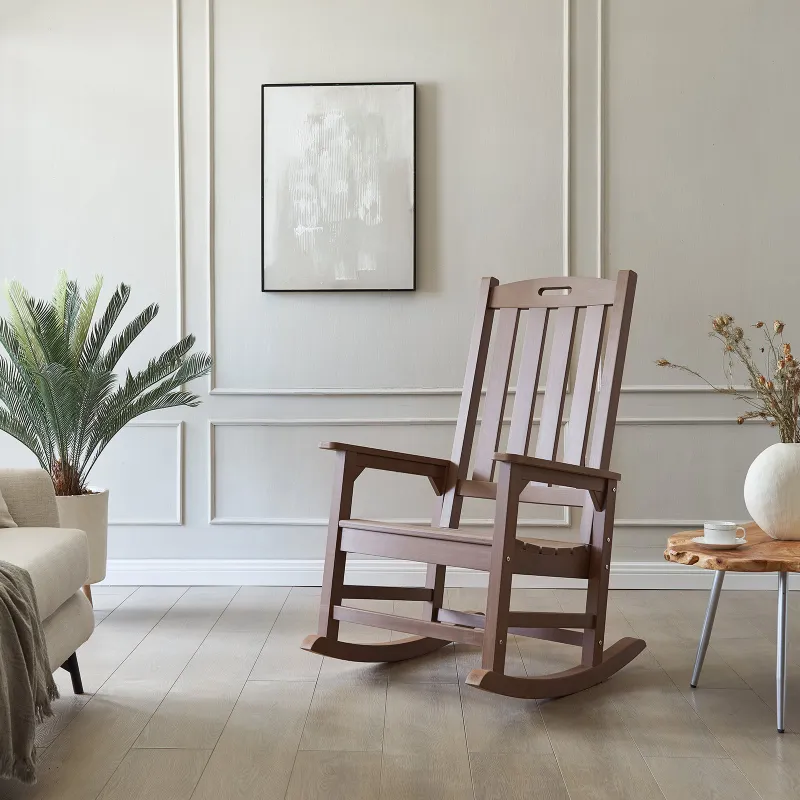 Do Whitewashed Rocking Chairs Hold Up to Weather? What We Found14 Sep 20263 min