 A Psilvam guide
Why Two Person Outdoor Benches Need Regular Sealing (And When to Skip It)
A two person outdoor bench needs sealing to fight weather damage, but the right timing and material choices matter more than rushing into it.
A two person outdoor bench needs sealing to fight weather damage, but the right timing and material choices matter more than rushing into it. Most outdoor benches benefit from regular maintenance, though some materials and finishes need it far more than others.
Why seal a two person outdoor bench in the first place
Sealing protects wood from rain, sun, and temperature swings that cause splintering, warping, and rot. Rain soaks into untreated wood and freezes in winter, splitting fibers apart. UV rays fade color and break down the wood’s surface layer. A good seal keeps moisture out and extends the bench’s life by years.
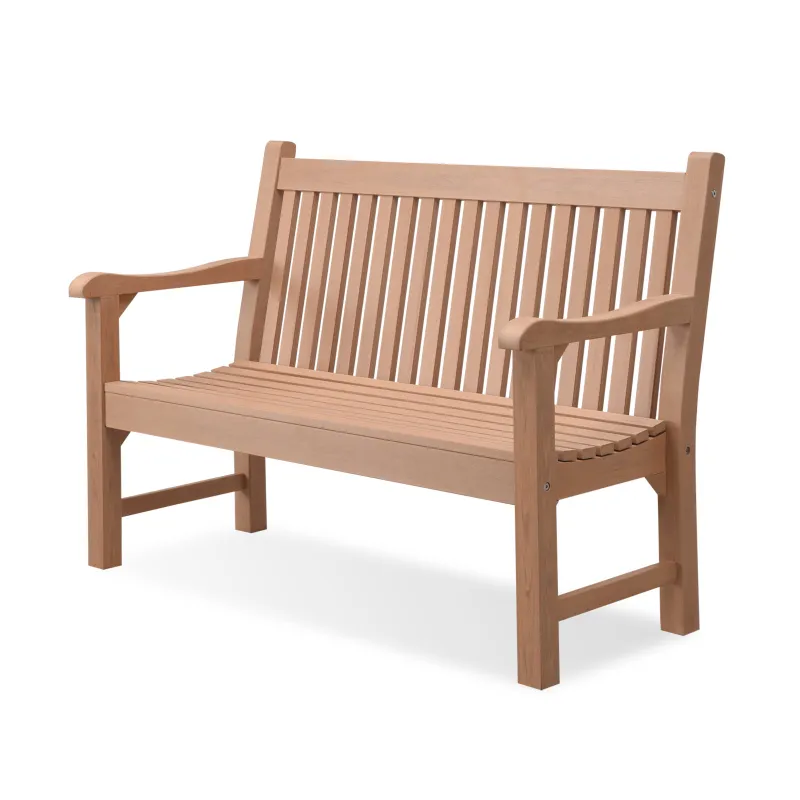
Not every material needs the same level of care. The two person outdoor bench and stained adirondack chairs from Psilvam use pressure-treated or naturally rot-resistant wood, which means they’re already more durable than basic pine. But even rot-resistant wood benefits from a topcoat. Polywood and high-density plastic benches like the 950 poly planter bench need almost zero sealing since they don’t absorb water.
Which benches actually need sealing
| Material | Needs Sealing | Why |
|---|---|---|
| Pressure-Treated Wood | Yes, every 2-3 years | Retains moisture without protection |
| Cedar or Ipe | Yes, every 3-4 years | Natural oils fade in sun |
| Polywood/Recycled Plastic | No | Non-porous; never absorbs water |
| Bare Stained Wood | Yes, annually | Stain alone isn’t a full seal |
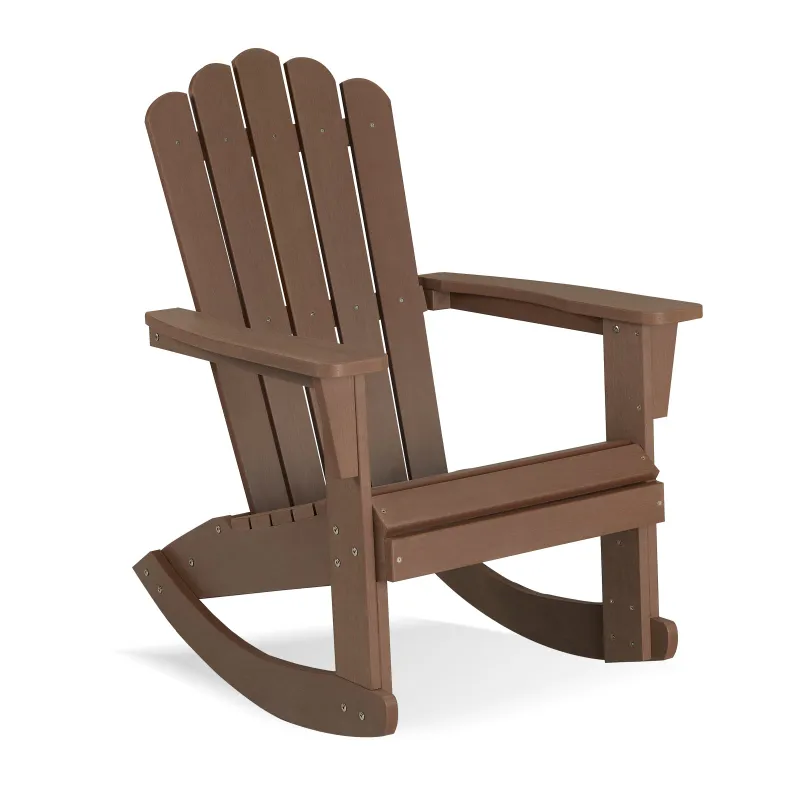
The adirondack chairs rocker and whitewashed rocking chair are good examples of benches where sealing timing matters. Whitewashed finishes look best when refreshed every year or two, but the underlying wood still needs protection from weather. Meanwhile, heavy-duty outdoor bench options like the ipe adirondack chairs are built from ultra-dense tropical hardwood that resists rot naturally, sealing extends aesthetics more than function.
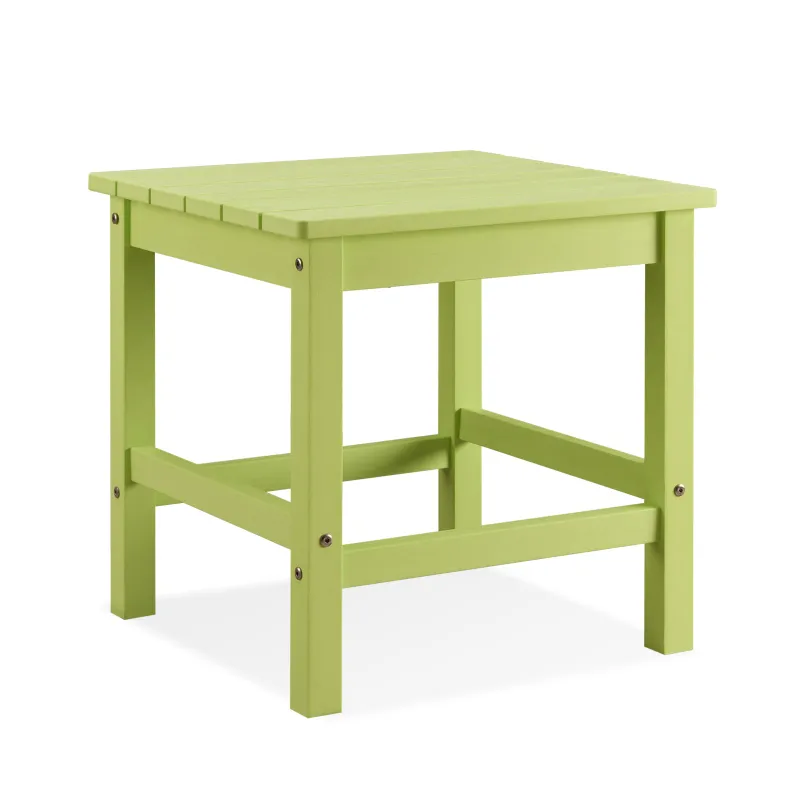
The adirondack outdoor table shares the same wood profile as most Psilvam benches, so it follows the same sealing schedule: every 2 to 3 years for standard pressure-treated stock, longer for premium ipe.
When to skip sealing entirely
You don’t need to seal if your bench is already finished with a factory-applied waterproof coating and you plan to replace it in a few years. Polywood and composite materials never need sealing. If your two person outdoor bench sits under a covered patio or pergola and sees minimal direct rain, you can stretch the interval to 4 or 5 years.
Skip sealing if the bench is peeling, flaking, or showing signs of prior coats failing. Layering new sealer over old, damaged coating traps moisture underneath and makes rot worse. Sand or strip the old finish first, or accept that the bench has reached its end of life.
Budget also matters. If a weatherproof outdoor bench costs under $150 and you’ve owned it for 5+ years, sealing it might cost nearly as much as buying a new one. At that point, replacement often makes more sense than maintenance.
How to know when your bench needs re-sealing
Water beading on the surface means the seal is still working. If water pools or soaks in flat, the seal has worn through and needs renewal. Look for color fading, especially on a two person outdoor bench in full sun, fading indicates UV damage breaking down the protective layer.
Rough, splintered wood is another sign. Run your hand along the underside and arms. If splinters have returned, moisture is penetrating again. On stained benches, the stain will look dull or chalky before it completely fails, giving you a window to reseal before the wood gets damaged.
Heavy-duty outdoor bench clearance sales sometimes include benches with compromised finishes already. Before buying outdoor bench clearance stock, check for soft spots (rot) or areas where the seal is already separating. You may be buying extra maintenance work.
Sealing steps that actually work
Start by cleaning the bench with a deck cleaner or mild pressure wash to remove dirt, mildew, and loose finish. Let it dry completely, at least 48 hours in dry weather. A damp bench will trap sealer and promote failure.
Sand lightly with 120 to 150 grit paper, focusing on rough patches and any areas where the old finish is peeling. You don’t need to sand aggressively; the goal is to rough up the surface so new sealer adheres.
Choose a sealer matched to your wood type. Polyurethane offers durability and moderate sheen. Marine-grade sealers cost more but last longer on outdoor benches that see heavy moisture. Exterior stain-and-sealer combos work well for refreshing color at the same time.
Apply with a brush in thin, even coats. Two coats are standard; a third coat on the underside (where water pools) adds years of protection. Let each coat cure fully before applying the next, usually 24 to 48 hours depending on the product.
Apply sealer when temperatures are between 50 and 85°F and the bench is in shade. Sun and heat cause sealer to dry too fast and bubble. Spring and early fall are ideal timing for this maintenance task.
The best approach: buy weatherproof from the start
The easiest path is choosing benches designed to resist weather without constant maintenance. The ipe adirondack chairs are built from wood so dense and naturally rot-resistant that owners report minimal sealing needs over a decade. Premium materials cost more upfront but save hours of work and resealing expenses later.
If you’re shopping for a two person outdoor bench and maintenance feels daunting, polywood options like the 950 poly planter bench eliminate the problem entirely. They never splinter, never need sealing, and handle seasons without degradation. For traditional wood aesthetics without constant upkeep, the stained adirondack chairs from Psilvam strike a balance, treated wood that’s durable enough for casual sealing every few years.
Check Psilvam’s current selection and grab the code to see which benches fit your climate and maintenance tolerance. They offer 10% off all orders, which softens the upfront cost of quality pieces that last.
For more inspiration on style and placement, browse modern outdoor benches and outdoor benches for patios to understand the full range of options and finishes available in today’s market.
Questions
How often should I seal my two person outdoor bench?
Pressure-treated wood benches need sealing every 2 to 3 years. Ipe and other premium hardwoods can go 3 to 4 years. Check for water beading to know when the seal is failing; that's your signal to reseal.
Do I need to seal a polywood bench?
No. Polywood and recycled plastic benches like the 950 poly planter bench are non-porous and never absorb water, so sealing isn't necessary or helpful.
Can I apply new sealer over old sealer?
Only if the old finish is intact and not peeling. If it's flaking or failing, strip or sand it off first, or the new sealer will trap moisture underneath and accelerate rot.
What's the best time of year to seal an outdoor bench?
Spring or early fall, when temperatures are 50 to 85°F and you have several dry days ahead for curing. Avoid sealing in direct sun or in humid, damp conditions.
Is it worth sealing an old, cheap outdoor bench?
Not always. If the bench is over 5 years old and cost under $150, the sealing materials and labor might equal or exceed the cost of a new one. Consider replacement instead.
Which Psilvam bench needs the least sealing?
The ipe adirondack chairs are built from ultra-dense tropical hardwood that resists rot naturally and needs sealing far less often than standard pressure-treated benches.
Products in this guide
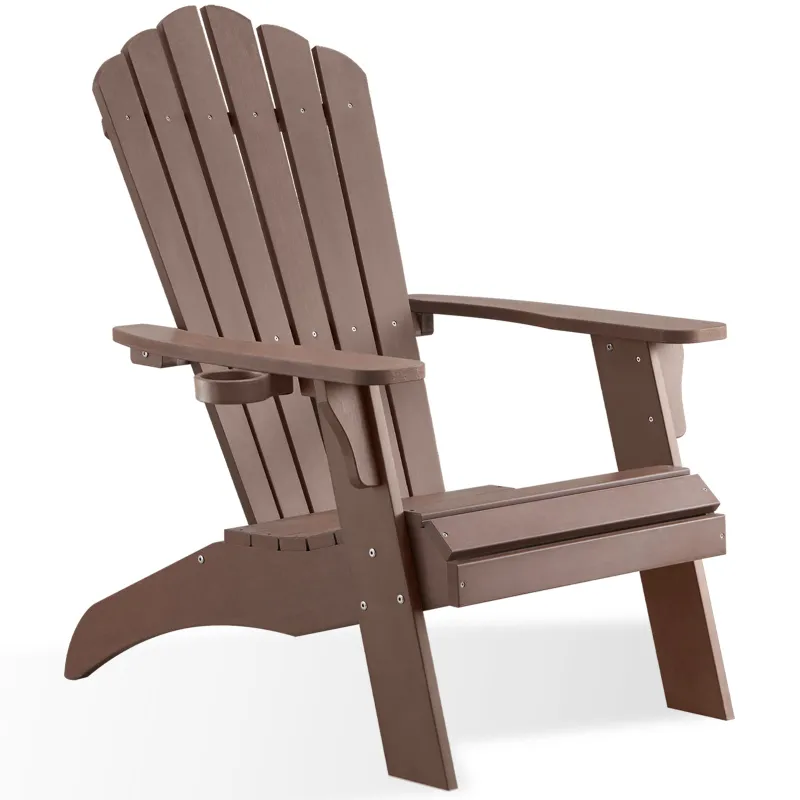
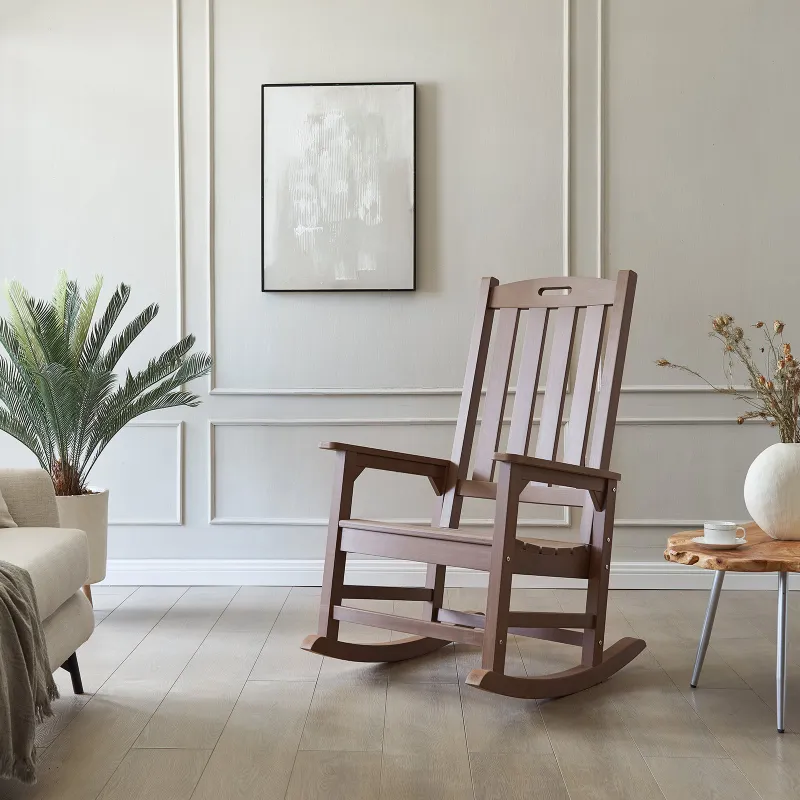
 Shopping at Psilvam? See the discount code
10% OFF All Orders
Shopping at Psilvam? See the discount code
10% OFF All Orders
More in this series
Rocker vs. Standard Adirondack: Which Chair Suits Your Porch14 Sep 20263 minHow to Clean and Maintain Adirondack Outdoor Tables Year-Round14 Sep 20264 minBest Outdoor Bench Materials: Poly Planter Benches vs. Wood Alternatives14 Sep 20263 minDo Whitewashed Rocking Chairs Hold Up to Weather? What We Found14 Sep 20263 minHow to Choose Between Ipe and Poly Adirondack Chairs for Durability14 Sep 20264 min