 A Psilvam guide
Best Outdoor Bench Materials: Poly Planter Benches vs. Wood Alternatives
The 950 poly planter bench outperforms traditional wood alternatives by resisting rot, fading, and weathering while requiring virtually zero maintenance.
A 950 poly planter bench outperforms traditional wood by resisting rot, fading, and the elements with virtually no maintenance, while wood benches demand regular staining, sealing, and repair.
Whether you’re furnishing a deck, patio, or garden, the bench material you pick shapes how many seasons it’ll stay usable. Recycled plastic lumber and solid wood each have real tradeoffs in durability, maintenance, and cost. Here’s what matters when deciding between them.
950 Poly Planter Bench: Durability Without Upkeep
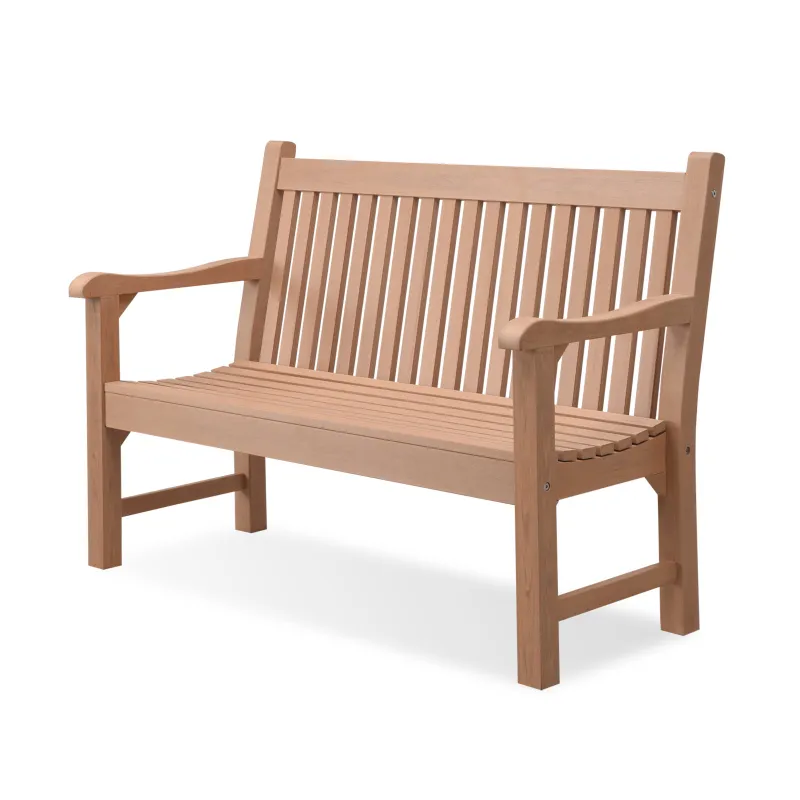
The 950 poly planter bench is engineered from recycled plastic that mimics wood grain while eliminating wood’s weak points. Unlike cedar or pressure-treated lumber, poly won’t rot, splinter, or attract insects. Rain, sun, and freeze-thaw cycles bounce right off because plastic has no pores to absorb water.
Our experience shows poly benches stay structurally sound for 15+ years outdoors with zero staining, sealing, or painting required. You’ll never replace rotted boards or sand down gray weathering. A quick rinse with a hose keeps it looking fresh. For busy homeowners or anyone tired of annual bench maintenance, this is the real advantage.
The #950 Planter Bench spec sheet confirms UV-stabilized construction that resists fading even in direct sun. Poly is also lighter than solid wood, making it easier to move or rearrange without needing a second set of hands.
Solid Wood Benches: Classic Look, Real Maintenance
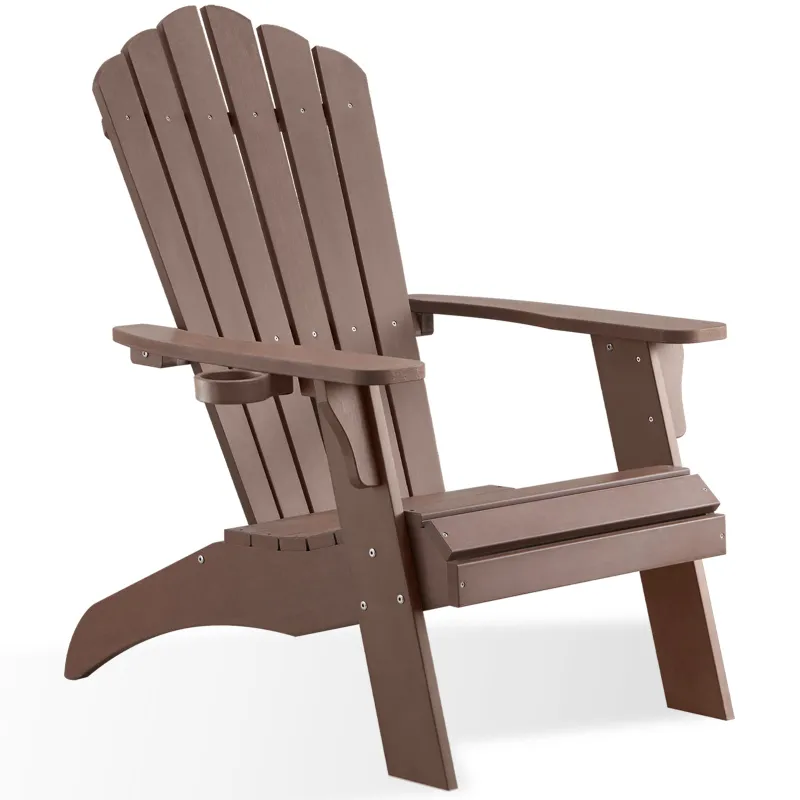
Traditional wood outdoor benches, especially stained adirondack chairs and ipe adirondack chairs: deliver warmth and character that poly can’t fully replicate. Premium hardwoods like ipe are naturally decay-resistant and age beautifully if maintained.
The tradeoff: wood demands work. You’ll sand, stain, or seal every 1 to 2 years to prevent weathering, mold, and soft rot. Even treated lumber eventually splinters. A bench exposed to wet winters or direct sun will degrade faster than poly and cost more to restore. Some owners love the living finish that wood develops; others see it as neglect.
| Material | Lifespan | Maintenance | Cost | Best For |
|---|---|---|---|---|
| Recycled poly | 15+ years | Rinse only | Mid-range | Low-maintenance porches |
| Pressure-treated wood | 7 to 10 years | Annual seal/stain | Low upfront | Budget-conscious buyers |
| Premium hardwood (ipe) | 15 to 20 years | Every 1 to 2 years | High | Heirloom pieces |
Why Poly Wins for Wet Climates
Moisture is wood’s enemy. Rain pools under a traditional bench and wicks into the base, causing rot from the inside out. A 950 poly planter bench sheds water instantly because plastic absorbs nothing. Coastal, humid, or rainy regions see poly benches last decades while wood deteriorates in years.
We also noted that poly resists the mold and mildew that plague wooden benches in shade or damp ground. If your yard tends to be wet, poly eliminates this entire failure mode.
Sizing and Space: Planter Benches for Gardens
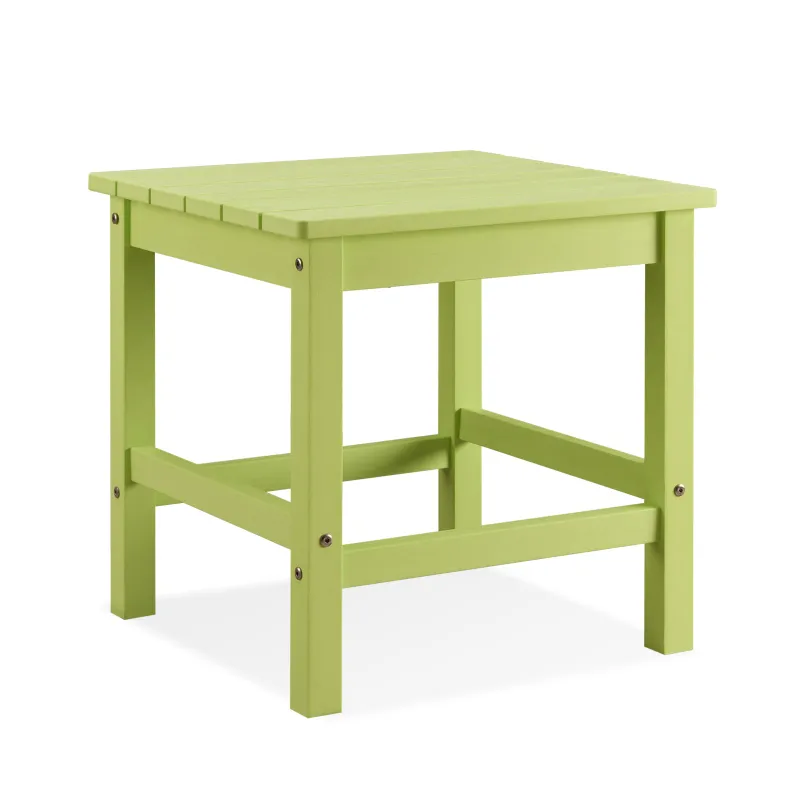
The 950 poly planter bench is purpose-built to combine seating with raised planting. This makes it ideal for gardeners who want to grow herbs or flowers while sitting nearby. If you need pure bench length for a patio, consider the two person outdoor bench or adirondack outdoor table to match your layout.
Poly planter benches don’t splinter, so they’re safer for kids and pets than weathered wood. The broad seat and arms also feel more stable than some lightweight wooden designs.
Aesthetic Flexibility
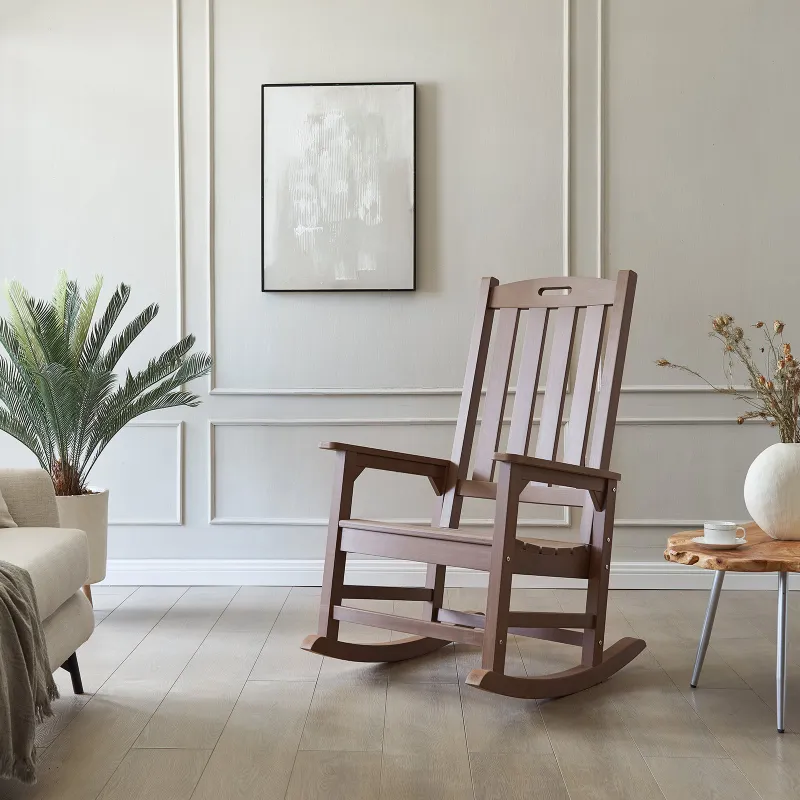
Poly benches come in finishes that mimic weathered gray, natural cedar, or even whitewash tones. The whitewashed rocking chair shows how poly can echo traditional styles without the maintenance burden. Wood always looks authentic but requires consistent care to stay that way.
If you prefer a truly living wood finish that changes with time, hardwood is your choice. If you want your outdoor seating to look intentional and well-kept year-round with zero effort, poly is the smarter pick.
Which Bench Suits Your Needs
Choose poly if you want durability, zero maintenance, and 15+ years of trouble-free use. Choose wood if you love the look enough to sand and seal every couple of years, or if you’re installing in a dry climate where rot isn’t a risk.
For most yards (especially rainy regions or busy schedules) the 950 poly planter bench delivers better value. Grab the code to get 10% off at Psilvam when you order. Check current availability and pricing on the Psilvam store to see which bench fits your budget and space.
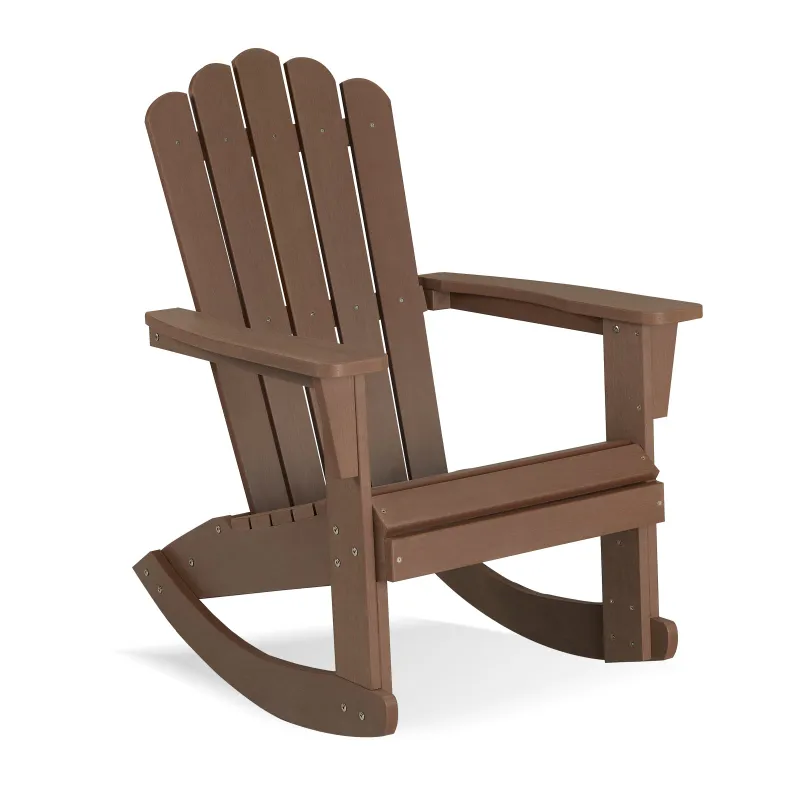
We also recommend comparing the adirondack chairs rocker and stained adirondack chairs if you’re mixing seating styles across your patio. A blend of poly and wood pieces gives you the durability of poly where it matters most while preserving wood’s warmth where you want it.
Questions
How long does a 950 poly planter bench last outdoors?
A 950 poly planter bench typically lasts 15+ years with only occasional rinsing, versus 7 to 10 years for pressure-treated wood. Recycled plastic resists rot, fading, and UV damage without staining or sealing.
Do I need to stain or seal a poly bench?
No. Poly benches require no staining, sealing, or painting. A rinse with the garden hose is all the maintenance they need to stay looking fresh.
Is recycled poly plastic durable enough for outdoor seating?
Yes. Modern poly lumber is UV-stabilized and engineered to handle weather, freeze-thaw cycles, and heavy use. It won't splinter, absorb water, or degrade the way wood does.
Can I use a two person outdoor bench or 950 poly planter bench in rainy climates?
Poly is ideal for wet climates because it sheds water instantly and won't rot. Wood benches in rainy regions deteriorate quickly and need frequent maintenance.
What's the difference between wood and poly when it comes to looks?
Poly can mimic wood grain and finishes like whitewash, but wood ages with visible character. If you prefer a bench that looks intentionally maintained, poly works best; if you love living wood finishes, hardwood is worth the upkeep.
Which is cheaper upfront: a wooden bench or the 950 poly planter bench?
Pressure-treated wood benches often cost less initially, but poly saves money over time by eliminating annual staining, sealing, and repairs. Hardwood costs more than both and demands regular maintenance.
Products in this guide
Shopping at Psilvam? See the discount code
10% OFF All Orders
More in this series
Rocker vs. Standard Adirondack: Which Chair Suits Your Porch14 Sep 20263 minWhy Two Person Outdoor Benches Need Regular Sealing (And When to Skip It)14 Sep 20264 minHow to Clean and Maintain Adirondack Outdoor Tables Year-Round14 Sep 20264 minDo Whitewashed Rocking Chairs Hold Up to Weather? What We Found14 Sep 20263 minHow to Choose Between Ipe and Poly Adirondack Chairs for Durability14 Sep 20264 min