 A Iris Blink guide
Where to Hang Iris Artwork to Make the Biggest Visual Impact
Iris artwork makes its biggest visual impact when hung at eye level in high-traffic areas with controlled lighting that highlights the intricate detail of the iris.
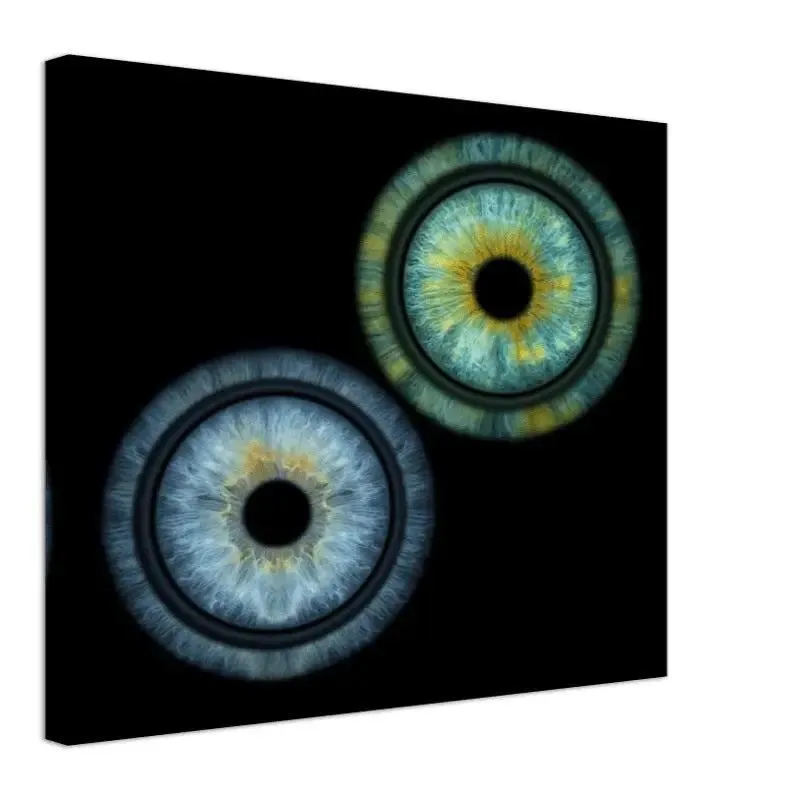
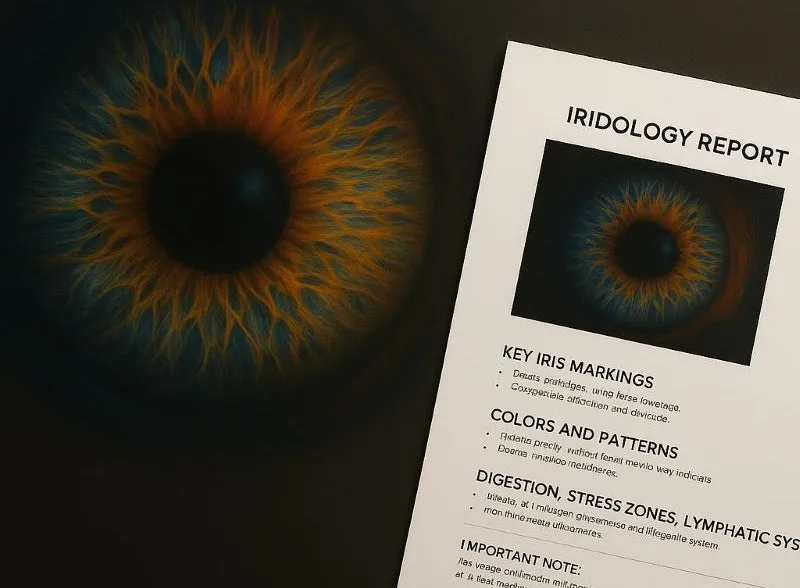
Iris artwork creates the most striking visual impact when placed at eye level in spaces where people naturally pause and look closely. The intricate detail in pieces like irises eyes or eye pupil prints demands thoughtful placement that invites viewers to study the cosmic patterns and color variations captured in each iris photograph.
Best Rooms for Displaying Eye Photography
Entryways and hallways rank as top locations because visitors stop to observe art in these transitional spaces. A single large giant eyeball photos print or a gallery wall of smaller iris photography pieces creates an immediate conversation starter. The narrow sightlines in hallways force viewers to engage with the detail rather than glance past.
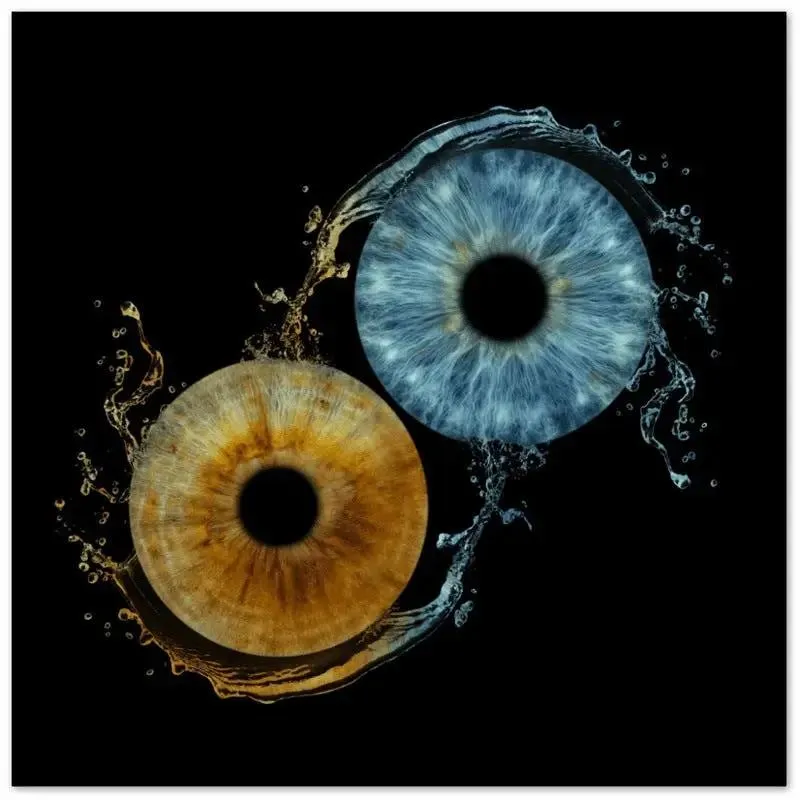
Living rooms work well when you hang iris artwork above a sofa or fireplace mantel, positioning it as the room’s focal point. Pair a statement piece like iris artwork with neutral furniture so the vivid iris colors (whether amber, blue, or green) pop against the background.
Home offices and creative spaces benefit from eye art because the intricate patterns stimulate focus without overwhelming concentration. Mount a best eye color print directly in your sightline when you look up from your desk.
Bedrooms can handle iris photography when you choose calmer color palettes. Avoid placing intense, high-contrast eye prints directly across from the bed, which can feel confrontational. Instead, position them on a side wall or above a dresser.
Optimal Hanging Height and Viewing Distance
The standard 57-inch center-point rule applies to iris artwork, but we recommend adjusting based on the print size and detail level:
- Small to medium prints (8×10 to 16×20 inches): Hang so the center sits 57-60 inches from the floor, perfect for close inspection of iris texture and pupil detail
- Large statement pieces (24×36 inches and up): Center at 60-65 inches to account for the increased visual weight
- Gallery walls: Treat the collection as one unit and center the entire arrangement at 57 inches
Viewing distance matters for cosmic eye iris photo prints because the macro detail reveals new patterns at different ranges. Allow at least 4-6 feet of clearance in front of the wall so viewers can step back and appreciate the full composition, then move closer to examine individual color striations.
Lighting Strategies That Enhance Iris Detail
Natural light can work beautifully or create glare disasters depending on angle and intensity:
- Indirect natural light from a perpendicular window enhances color without washing out detail
- Direct sunlight causes glare on glass-covered prints and fades pigments over time, avoid south-facing walls in bright rooms
- Picture lights or track lighting give you control, especially for hallways and spaces without windows
We recommend LED spotlights with 3000K-4000K color temperature that mimic daylight without the UV damage. Position lights at a 30-degree angle from above to minimize glare while highlighting the dimensional quality of iris textures.
For prints behind glass or acrylic, test your lighting at different times of day before permanently mounting. Glare can completely obscure the pupil and inner iris ring, the most captivating elements of eye photography.
Pairing Iris Artwork With Other Decor
Eye art reads as bold and organic, so your surrounding decor should either complement or deliberately contrast:
| Decor Style | Pairing Strategy | What Works |
|---|---|---|
| Modern/Minimalist | Let the iris be the only color | White walls, black frames, simple furniture |
| Bohemian/Eclectic | Mix with other nature macro shots | Plants, textured textiles, warm wood tones |
| Industrial | Use metal frames and stark contrast | Exposed brick, concrete, Edison bulbs |
| Scandinavian | Choose cooler iris tones | Light woods, soft grays, functional pieces |
Frame color dramatically affects impact. Black frames create drama and make vibrant irises pop. Natural wood softens the intensity. White or light frames work when your wall color provides contrast. We’ve found that frameless floating mounts give iris photography an ultra-modern, scientific feel that emphasizes the cosmic quality of the image.
Avoid hanging iris artwork directly next to busy patterns or competing focal points. A single eye print holds more power than three scattered among other art styles.
Where NOT to Hang Eye Photography
Certain locations undermine the impact of unique eye art:
- Bathrooms with high humidity: Moisture damages prints and promotes mold behind frames
- Kitchen backsplash areas: Grease and steam coat glass and degrade paper over time
- Above radiators or heat vents: Heat causes warping and accelerates fading
- In direct afternoon sun: Even UV-protective glass can’t fully prevent color shift over years
We also recommend avoiding small, cramped corners where viewers can’t achieve proper viewing distance. Iris photography loses its effect when crammed into tight spaces, the macro detail that makes these prints special requires room to breathe.
Getting the Best Price on Eye Art Prints
Iris Blink offers multiple sizes and formats across their collection, from intimate 8×10 prints perfect for gallery walls to statement-sized giant eyeball photos that anchor entire rooms. To check the latest pricing and grab our exclusive code, visit our dedicated page where we maintain current offers, right now you can save 10% on all orders.
When you’re ready to finalize placement and order your prints, head to our discount page to ensure you’re getting the best available deal on these stunning macro eye photographs that turn irises into wall art worth stopping for.
Final Placement Tips
Test before you commit: Use painter’s tape to mark your intended placement and live with it for a day. View the space at different times to check lighting conditions.
Consider the room’s purpose: High-detail iris artwork works best in spaces where people linger rather than rush through.
Scale matters: One large iris print often creates more impact than multiple small ones scattered across a wall.
The goal is to position your iris photography where it transforms from decoration into an experience, where viewers pause, step closer, and discover the universe contained in a single human eye.
Questions
What is the best height to hang iris artwork on a wall?
Hang iris artwork so the center point sits 57-60 inches from the floor for most prints. Larger statement pieces work better centered at 60-65 inches to account for their increased visual weight and viewing distance requirements.
Can I hang eye photography in a bathroom or kitchen?
We don't recommend hanging iris prints in bathrooms or kitchens. High humidity, steam, and grease damage paper prints and promote mold growth behind frames, significantly shortening the life of your art.
Does iris artwork look better with or without a frame?
Framed iris prints typically create more impact because the frame provides visual boundaries that focus attention. Black frames add drama, natural wood softens intensity, and frameless floating mounts emphasize the scientific, cosmic quality of macro eye photography.
How much wall space should I leave around eye art prints?
Allow at least 4-6 feet of clearance in front of iris artwork so viewers can step back for the full composition, then move closer to examine iris detail. Avoid cramped corners where proper viewing distance is impossible.
What lighting works best for displaying unique eye art?
LED spotlights with 3000K-4000K color temperature positioned at a 30-degree angle from above work best. Avoid direct sunlight, which causes glare and fading. Indirect natural light from perpendicular windows enhances color without washing out iris detail.
Can I create a gallery wall with multiple iris prints?
Yes, gallery walls work beautifully in hallways and entryways. Treat the entire collection as one unit and center the arrangement at 57 inches from the floor. Mix different iris colors and sizes for visual variety while maintaining consistent frame style.
Products in this guide
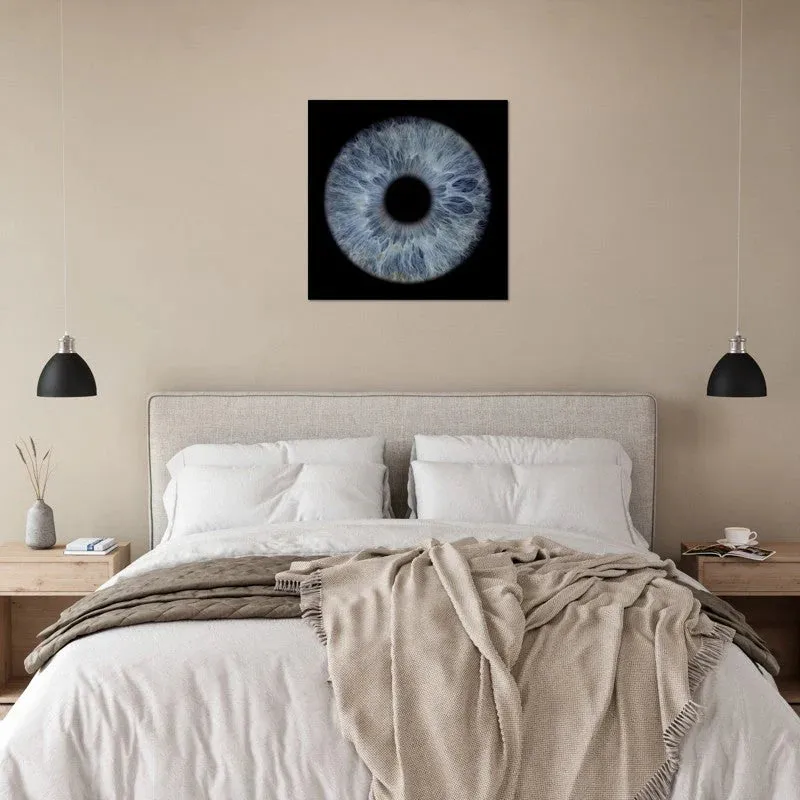
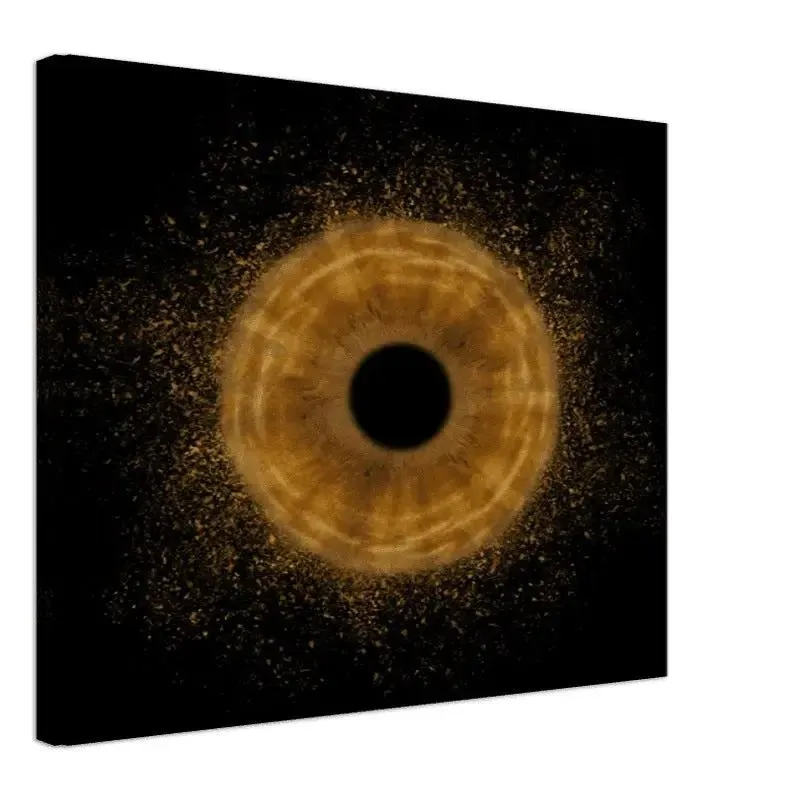
 Shopping at Iris Blink? See the discount code
10% OFF All Orders
Shopping at Iris Blink? See the discount code
10% OFF All Orders
More in this series
Caring for and Displaying Eye Pupil Art Prints Without Fading16 Aug 20266 minBest Eye Color Art Print: What to Look for Before You Buy16 Aug 20263 minDo Giant Eyeball Photos Work in Small Rooms?16 Aug 20264 minIris Photography vs Traditional Eye Artwork: Which Style Works Best?16 Aug 20265 minHow to Choose the Right Eye Art Print for Your Living Space16 Aug 20266 min