 A Iris Blink guide
Caring for and Displaying Eye Pupil Art Prints Without Fading
Eye pupil art prints require proper care and display techniques to prevent fading and maintain their striking detail for years.
Eye Pupil Art Print Care: Prevent Fading & Display Tips
Eye pupil art prints bring striking anatomical beauty to any space, but without proper care they can fade and deteriorate within months.
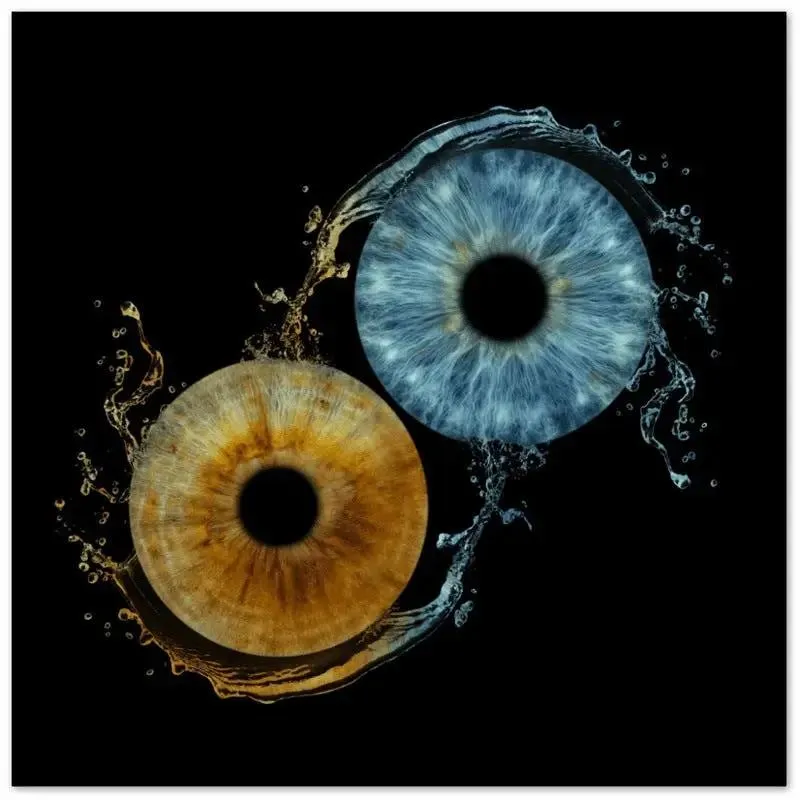
Whether you own iris artwork or other ocular photography, the same conservation principles apply. The intricate details that make these prints captivating, such as the shape of pupil in human eye and the delicate radial patterns, are also the first elements to fade under harsh conditions.
Why Eye Pupil Prints Fade Faster Than Other Art
Anatomical eye prints typically feature high contrast between the dark pupil and lighter iris, which makes color shifts more noticeable. Most modern prints use inkjet or giclée techniques with dye-based or pigment inks. Dye-based inks produce vibrant colors but fade within 10 to 25 years under direct sunlight, while pigment inks last 75 to 200 years when properly displayed.
The pupil of the eye in real life adapts to light through eye pupil dilation, but prints have no such defense. UV rays break down ink molecules and paper fibers, causing yellowing and color loss. High humidity accelerates this by promoting mold growth and ink bleeding.
Key factors that damage eye anatomy prints include:
- Direct sunlight exposure: UV rays cause irreversible fading within months
- Humidity above 65%: promotes mold, warping, and ink degradation
- Airborne pollutants: cooking oils, smoke, and dust settle on unprotected surfaces
- Handling without barriers: fingerprints transfer oils that attract dirt
- Cheap acidic matting: slowly burns the print edges over years
Before you check the latest price on a new print, understand how paper type affects longevity. Cotton rag paper resists yellowing better than wood-pulp paper, and resin-coated photo paper offers water resistance but can crack if bent.
Framing Eye Pupil Art Prints for Maximum Protection
Proper framing is the single most effective step to preserve best eye color prints and other ocular art. We recommend UV-filtering glazing (glass or acrylic) that blocks 97% or more of harmful rays. Museum-grade acrylic costs more but weighs less and resists shattering, making it ideal for large giant eyeball photos.
Frame components that matter:
- UV-filtering glazing: standard glass blocks only 45% of UV; upgrade to conservation or museum glass
- Acid-free matting: creates a buffer between print and glass while preventing moisture buildup
- Backing board: use acid-free foam core or corrugated board, never cardboard
- Sealed backing: tape or paper seal prevents dust and insects from entering
Leave a small gap (typically 1/8 inch) between the print surface and glazing. This air space prevents the print from sticking to glass in humid conditions, which can pull ink off the paper when separated. For prints with heavy ink coverage, like the dark pupil eye function details in close-up photography, this gap is critical.
When you grab the code for 10% off, consider ordering a second print for rotation. Alternating displayed prints every six months distributes light exposure and extends the life of both.
Optimal Display Locations and Lighting
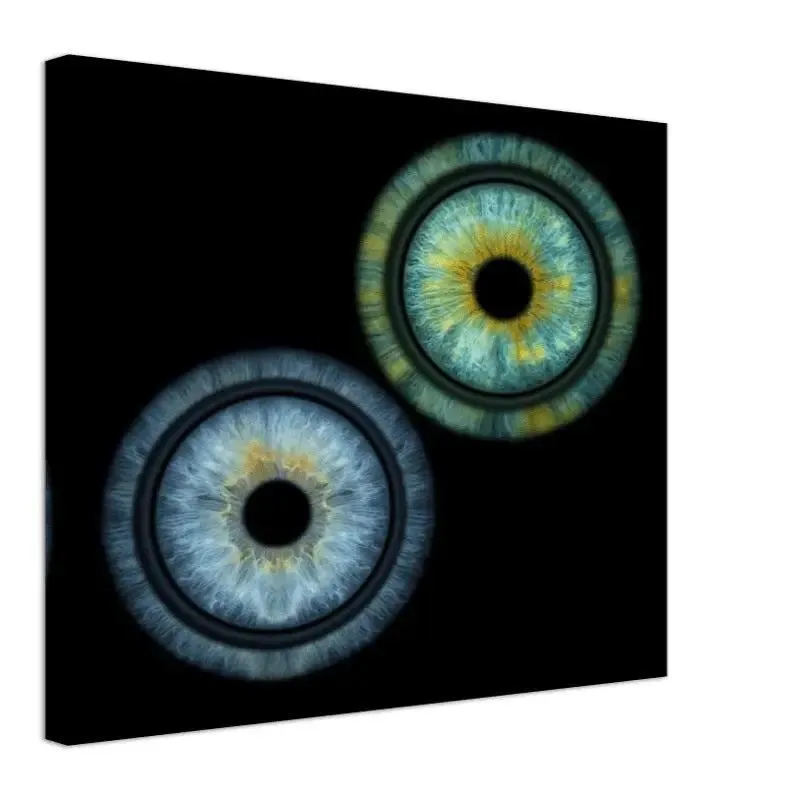
Where you hang your irises eyes print matters as much as how you frame it. South-facing walls receive significantly more UV exposure than north-facing walls in the Northern Hemisphere.
Best placement zones:
- North-facing walls with indirect natural light
- Interior hallways away from windows
- Rooms with blackout curtains or UV window film
- Climate-controlled spaces (65-75°F, 40-50% humidity)
Avoid these locations:
- Direct sunlight paths, even for an hour per day
- Above radiators, fireplaces, or heating vents
- Bathrooms and kitchens with high humidity and temperature swings
- Exterior walls in poorly insulated buildings
For artificial lighting, LED bulbs produce minimal UV compared to halogen or fluorescent options. Position picture lights at a 30-degree angle to minimize glare on glazing. If you display iris artwork with dramatic pupil eye size variations, adjustable track lighting lets you highlight specific details without overexposing the entire piece.
The pupil in these prints often appears black or dark brown, but subtle gradations exist at the edges. Harsh lighting washes out these transitions, so test your setup with the lights on and off throughout the day.
Cleaning and Maintenance Schedule
Dust accumulation dulls colors and traps moisture against the glazing. Clean framed prints every 4 to 6 weeks using a microfiber cloth barely dampened with distilled water. Never spray cleaner directly onto the frame, as liquid can seep behind the glazing.
Monthly maintenance routine:
- Check frame corners and backing tape for gaps where insects or dust enter
- Wipe glazing with a dry microfiber cloth in gentle circular motions
- Inspect for condensation between print and glass (sign of humidity issues)
- Verify hanging hardware remains secure and level
If you notice fading despite precautions, document the damage with photos and compare ink colors to an unexposed corner. Prints lose vibrancy gradually, so side-by-side comparison reveals changes invisible day to day.
For unframed prints stored flat, use acid-free tissue interleaving between pieces and store in a dark, dry location. Roll storage stresses the paper and should only be used for prints larger than 24×36 inches, always rolling with the image facing outward around a 4-inch diameter tube.
When to Rotate or Replace Prints
Even with perfect care, prints in high-visibility areas will fade faster than stored backups. Rotate displayed pieces every 6 to 12 months, moving the current print to archival storage and swapping in a fresh copy or different design.
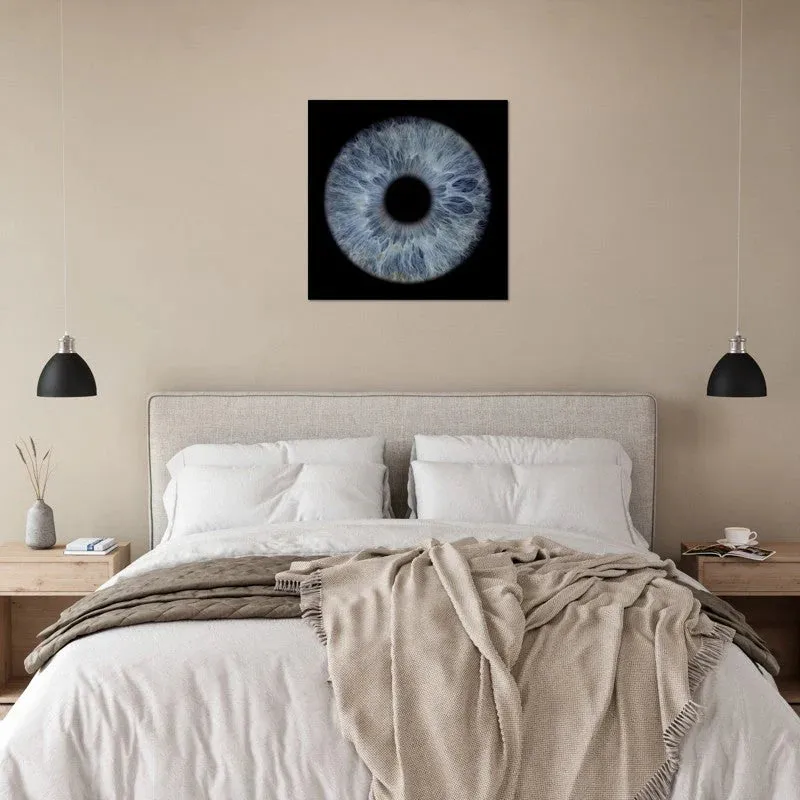
This rotation strategy works particularly well if you own multiple pieces like eye pupil and best eye color that share a theme. Changing artwork seasonally keeps your space feeling fresh while distributing light exposure.
Signs your print needs immediate attention:
- Color shifts from original (blues turning green, blacks fading to brown)
- Yellowing paper edges or overall warmth in white areas
- Visible moisture damage, rippling, or mold spots
- Loose mounting or sagging in the frame
High-quality pigment prints should maintain color accuracy for decades when properly displayed. If fading occurs within the first year, the issue is usually direct UV exposure or poor ink quality, not normal aging.
Before you replace a damaged print, review what went wrong. Moving the frame to a better location or upgrading to UV-filtering glazing often solves the problem. When you check the latest price for a replacement, factor in the cost of proper framing from the start rather than upgrading later.
Choosing Print Specs That Last Longer
When ordering new eye anatomy prints, paper and ink choices directly impact longevity. We recommend pigment-based archival inks on acid-free cotton rag paper rated for at least 100 years of display life under museum conditions. Real-world home display typically reduces this somewhat, but you will still enjoy decades of vibrant color.
Paper options compared:
| Paper Type | Fade Resistance | Best For | Lifespan (Protected Display) |
|---|---|---|---|
| Cotton Rag | Excellent | Fine art reproductions | 100-200 years |
| Alpha Cellulose | Very Good | Photo prints, posters | 75-100 years |
| Resin-Coated Photo | Good | Glossy photo finish | 50-75 years |
| Standard Inkjet | Fair | Budget prints, temporary use | 10-25 years |
Ask the printer about their ink and paper certifications. Wilhelm Imaging Research testing provides independent fade resistance data that reputable printers reference. For detailed eye anatomy that showcases eye pupil drawing precision or captures the subtle color gradients in irises eyes, the extra cost of archival materials pays off in long-term preservation.
Surface finish also affects perceived detail. Matte and semi-gloss papers reduce glare and work better under varied lighting, while glossy papers maximize color saturation but show reflections more readily. We prefer matte for prints displayed in rooms with multiple windows or strong artificial light.
When you order through Iris Blink, confirm the print specifications match archival standards. Quality sellers disclose their materials and processes, while budget options often hide these details. The current 10% discount at the store coupon page makes premium materials more accessible without compromising on longevity.
Questions
How long do eye pupil art prints last before fading?
Pigment-based prints on archival paper last 75 to 200 years when displayed with UV-filtering glass and kept away from direct sunlight. Dye-based prints fade within 10 to 25 years under the same conditions. Proper framing and placement are more important than initial print quality for long-term preservation.
Can I display eye anatomy prints in a bathroom or kitchen?
We do not recommend bathrooms or kitchens because humidity fluctuations and temperature changes accelerate fading and promote mold growth. If you must display prints in these spaces, use sealed frames with UV-filtering acrylic and ensure good ventilation to keep humidity below 60%.
What type of frame glass prevents fading best?
Museum-grade UV-filtering glass or acrylic blocks 97% or more of harmful UV rays, compared to 45% for standard glass. Conservation glass is the mid-tier option at around 70% UV protection. The upgrade cost pays for itself by extending print life by decades.
Should I frame eye prints with or without a mat?
Always use an acid-free mat to create a protective buffer between the print and glazing. The mat prevents moisture buildup and keeps the print surface from touching the glass, which can cause ink transfer or sticking in humid conditions.
How often should I clean framed eye art prints?
Clean the glazing every 4 to 6 weeks using a barely damp microfiber cloth with distilled water. Check monthly for frame gaps, condensation, or loose hardware. Avoid spray cleaners that can seep behind the glass and damage the print.
Do LED lights damage eye pupil art prints less than other bulbs?
Yes, LED bulbs produce minimal UV radiation compared to halogen or fluorescent lights, making them the safest choice for illuminating art. Position LEDs at a 30-degree angle to reduce glare on the glazing and prevent hotspots that accelerate fading.
Products in this guide
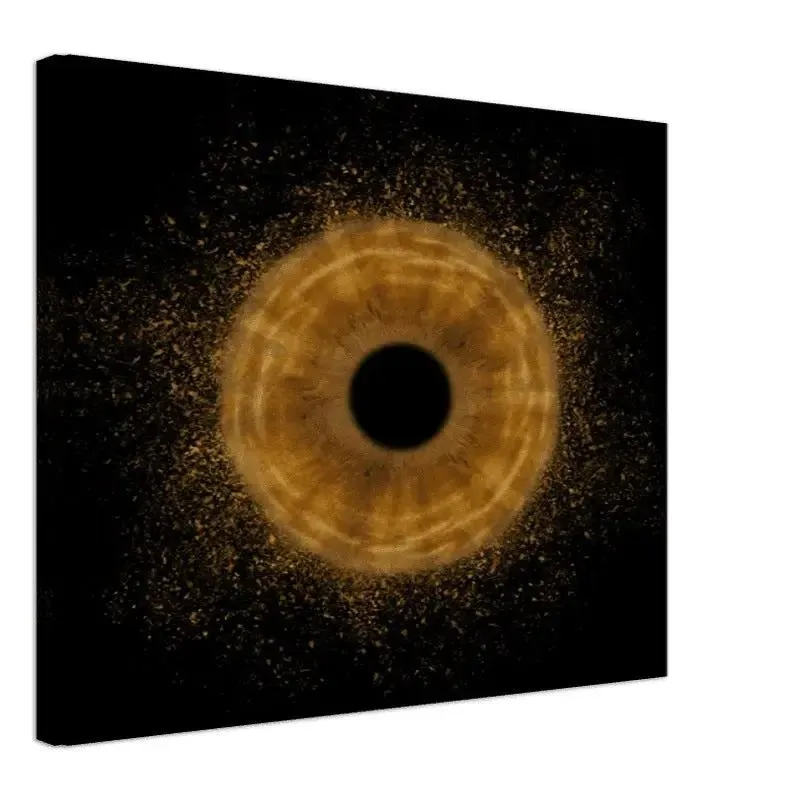 Shopping at Iris Blink? See the discount code
10% OFF All Orders
Shopping at Iris Blink? See the discount code
10% OFF All Orders
More in this series
Where to Hang Iris Artwork to Make the Biggest Visual Impact16 Aug 20264 minBest Eye Color Art Print: What to Look for Before You Buy16 Aug 20263 minDo Giant Eyeball Photos Work in Small Rooms?16 Aug 20264 minIris Photography vs Traditional Eye Artwork: Which Style Works Best?16 Aug 20265 minHow to Choose the Right Eye Art Print for Your Living Space16 Aug 20266 min