 A Iris Blink guide
How to Choose the Right Eye Art Print for Your Living Space
An eye pupil art print brings striking anatomical detail and natural beauty to any room when you match its scale, color, and framing to your existing decor.
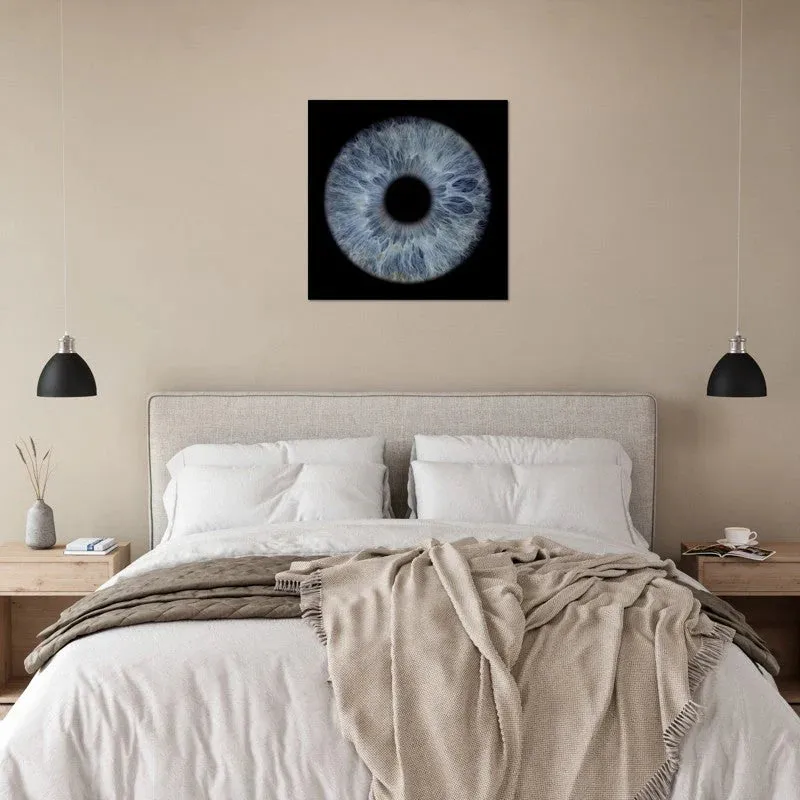
An eye pupil art print transforms blank walls into captivating focal points by combining the intricate beauty of human anatomy with bold visual impact. This guide walks you through the key decisions so you can confidently select iris and pupil artwork that elevates your space.
Match Print Size to Your Wall and Furniture Scale
The size of your eye art print directly affects its visual impact and how well it integrates with your furniture layout.
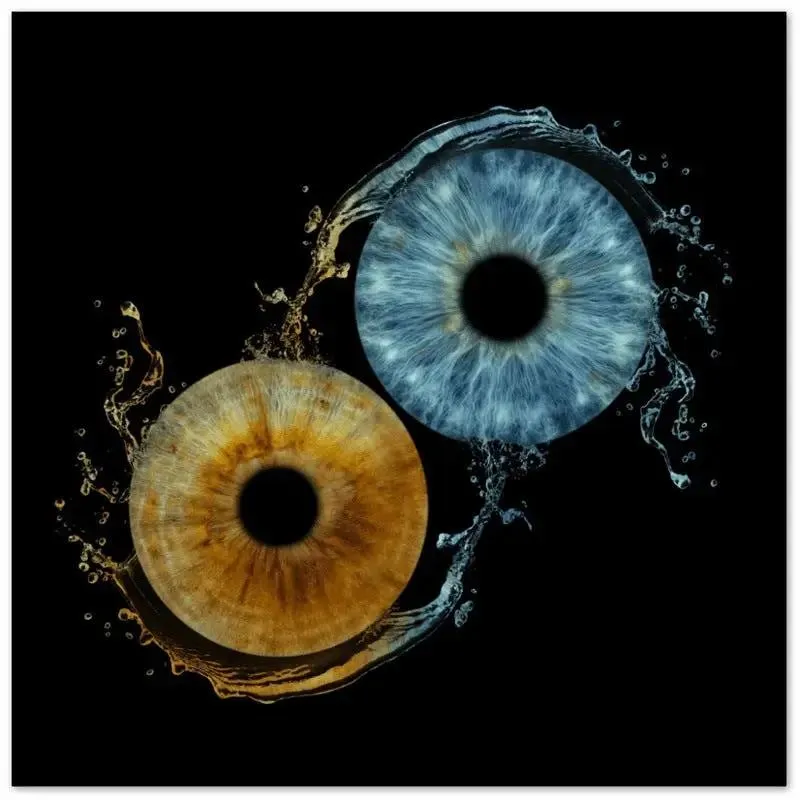
Small prints (8×10 to 11×14 inches) work best in tight spaces like hallways, bathrooms, or gallery wall arrangements. A detailed iris artwork piece at this scale lets viewers appreciate the fine textures of the iris and pupil without overwhelming a small room.
Medium prints (16×20 to 24×36 inches) suit most living rooms and bedrooms. These dimensions give eye pupil photography enough presence to anchor a wall above a sofa or bed while leaving breathing room around the frame. We recommend measuring your furniture width and choosing a print that spans 50 to 75 percent of that length.
Large-format prints (30×40 inches and above) demand attention and work beautifully in open-concept spaces or as statement pieces in offices. Giant eyeball photos at this scale showcase every detail of the pupil, iris striations, and sclera texture. Before ordering oversized prints, check the latest price and confirm your wall can accommodate the dimensions with at least 6 to 12 inches of clearance on each side.
Consider Eye Color and How It Complements Your Palette
The dominant color in your eye art print should either harmonize with or intentionally contrast your existing room colors.
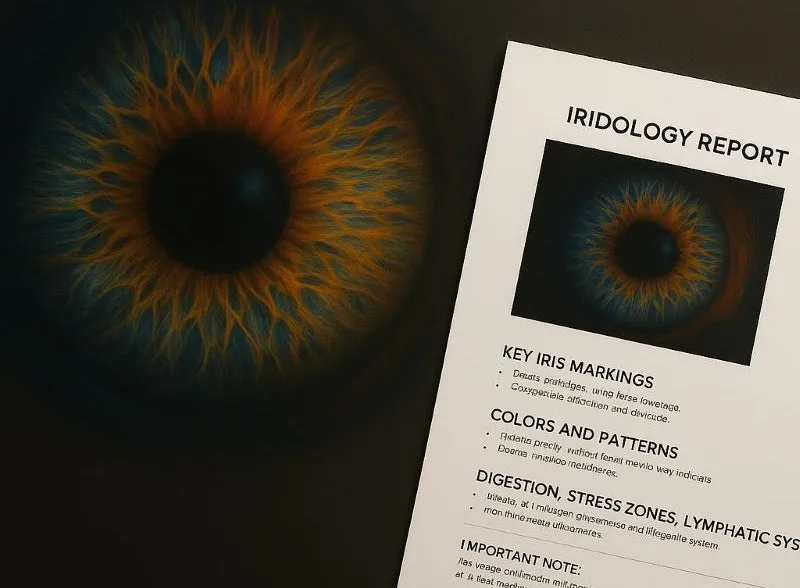
Blue and green irises pair naturally with cool-toned interiors featuring grays, whites, navy, and sage. A best eye color print highlighting vivid blue tones creates a calming, cohesive look in coastal or Scandinavian-inspired spaces.
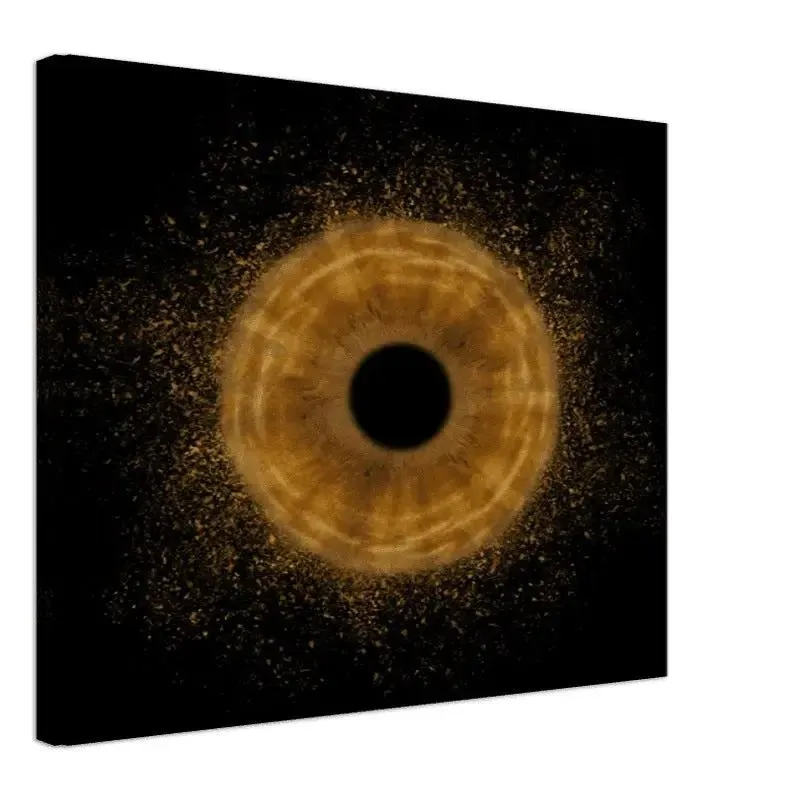
Brown and amber eyes bring warmth that complements earth-tone palettes with beige, terracotta, caramel, and forest green. These prints add organic richness to bohemian, rustic, or mid-century modern rooms.
Contrasting choices make bolder statements. A striking green iris pops against blush pink walls, while a deep brown pupil becomes a dramatic focal point in an all-white minimalist room. The black pupil at the center of any eye print naturally anchors the composition and provides grounding contrast regardless of iris color.
| Room Style | Recommended Eye Print | Why It Works |
|---|---|---|
| Modern Minimalist | High-contrast eye pupil on white | Clean lines, anatomical detail, monochrome elegance |
| Bohemian Eclectic | Warm amber irises eyes | Earthy tones blend with textiles and layered decor |
| Coastal Contemporary | Cool blue or gray iris | Echoes ocean hues and light-filled spaces |
| Industrial Loft | Black-and-white macro pupil | Raw, graphic impact matches exposed materials |
Evaluate Detail Level and Artistic Style
Eye art prints range from scientific macro photography to stylized illustrations, and your choice should reflect both your aesthetic preference and viewing distance.
Macro photography captures every detail: individual iris striations, the precise shape of pupil in human eye, subtle color gradations, and even tiny blood vessels. These prints reward close viewing and appeal to anatomy enthusiasts, medical professionals, or anyone who appreciates naturalist art. The irises eyes collection showcases this hyperrealistic approach.
Artistic interpretations might emphasize color saturation, apply painterly effects, or simplify forms for graphic impact. If you prefer softer, more abstract decor, look for prints that balance recognizable eye anatomy with creative license.
Drawing and illustration styles offer a different aesthetic altogether. Eye pupil drawing techniques range from precise anatomical sketches to expressive charcoal or ink work. These suit vintage, academic, or gallery-style interiors where fine art takes precedence.
Consider where viewers will stand in relation to the print. Hallway art gets examined up close, so intricate pupil detail shines. Prints above a sofa are viewed from 8 to 12 feet away, where bold composition and color matter more than microscopic texture.
Choose Framing and Matting That Enhances the Eye
Your frame and mat choices either amplify or diminish the impact of eye pupil artwork.
Black frames create clean contrast and make the eye appear to float, especially effective for prints with lighter irises or white backgrounds. This classic choice works in nearly any room style.
Natural wood frames soften the clinical edge of anatomical photography and integrate eye prints into warmer, organic interiors. Light oak or walnut tones complement brown and hazel iris colors beautifully.
White or cream mats add breathing room around the print and prevent the intense detail of a close-up eye from feeling claustrophobic. We recommend at least a 2-inch mat border for prints under 16×20 and 3 to 4 inches for larger pieces.
Frameless or float mounting suits modern and minimalist spaces. Acrylic face-mounting gives giant eyeball photos a glossy, museum-quality finish that enhances depth and color saturation.
Before finalizing your frame, grab the code for current discounts that often include framing upgrades or bundled mat options.
Plan Placement Based on Lighting and Room Function
Where you hang eye art affects both its visibility and the mood it creates.
Living rooms benefit from eye prints as conversation starters above seating areas. Position the center of the print at 57 to 60 inches from the floor (standard gallery height) so the eye naturally meets viewers’ sight line when standing.
Bedrooms call for calmer, less intense eye imagery. Softer iris colors and gentler lighting prevent the watchful gaze of a hyperrealistic pupil from feeling unsettling before sleep.
Home offices and studies pair perfectly with anatomical eye photography. The scientific beauty of iris artwork reinforces focus and intellectual curiosity without creating distraction.
Lighting considerations matter enormously. Avoid direct sunlight that fades pigments over time. Install picture lights or position prints where indirect natural light enhances rather than washes out detail. The reflective quality of the eye’s natural moisture and the pupil’s darkness create beautiful interplay with properly angled light.
Consider the Psychological Impact of Eye Art
Unlike landscapes or abstract art, eye prints carry inherent psychological weight because they suggest presence and connection.
Single eye compositions feel intimate and introspective. They draw viewers into close examination of pupil size, iris patterns, and the minute details that make each eye unique. This intensity works beautifully in private spaces or areas meant for contemplation.
Multiple eye arrangements create dynamic energy. A gallery wall mixing different eye colors and pupil sizes celebrates human diversity and works well in social spaces like dining rooms or creative studios.
Extreme close-ups that fill the frame with pupil and iris create visceral impact but may feel too intense for relaxation spaces. Save these for areas where you want to energize and engage rather than soothe.
The eye pupil itself carries symbolic meaning across cultures: awareness, protection, vision, and insight. Consider whether these associations align with how you want each room to feel.
Verify Print Quality Before You Buy
Not all eye art prints deliver the sharpness and color accuracy these detailed subjects demand.
Look for prints that specify their resolution and printing method. Giclée printing on archival paper or canvas preserves the subtle color transitions in iris tissue and the deep blacks of the pupil. Lower-quality prints may show banding in gradients or muddy detail in shadow areas.
Read reviews that mention color accuracy and sharpness, especially for macro photography where every eyelash and iris fiber should render crisply.
The Iris Blink collection maintains rigorous quality standards across all eye-themed prints, but always verify the specific resolution and material for your chosen size. Larger prints require higher source resolution to maintain clarity, so confirm specifications before ordering statement-sized pieces.
Questions
What size eye pupil print works best above a sofa?
Choose a print that spans 50 to 75 percent of your sofa's width, typically 24x36 to 40x60 inches for standard three-seat sofas. This creates visual balance without overwhelming the furniture or leaving the wall feeling empty.
Do eye art prints look better with or without a mat?
Most eye prints benefit from a 2 to 4 inch mat that provides breathing room around the intense anatomical detail. The mat prevents the close-up from feeling claustrophobic and helps integrate the piece into your wall composition.
Can I hang eye photography in a bedroom without it feeling creepy?
Yes, choose prints with softer iris colors like warm browns or gentle blues, and avoid extreme close-ups that emphasize the watchful quality of the pupil. Proper placement away from direct sight lines from the bed also helps maintain a calming atmosphere.
What frame color works best for macro iris artwork?
Black frames provide clean contrast and work universally, while natural wood frames soften the clinical edge of anatomical photography. Match your frame to existing furniture finishes for a cohesive look.
How do I know if an eye print is high enough quality?
Check that the print specifies giclée or archival printing methods and high resolution. In product images, the pupil edge should appear razor-sharp and iris striations should show distinct individual fibers, not blurred texture.
Should eye color in the print match my own eye color?
Not necessarily. Choose based on your room's color palette and the mood you want to create. A contrasting eye color often creates more visual interest than matching your personal features.
Products in this guide
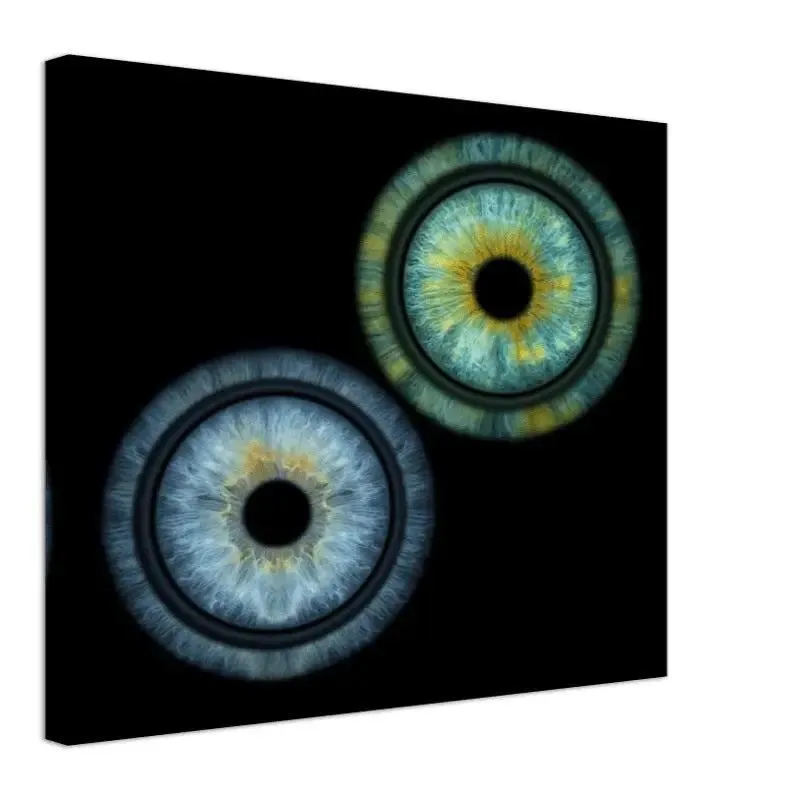 Shopping at Iris Blink? See the discount code
10% OFF All Orders
Shopping at Iris Blink? See the discount code
10% OFF All Orders
More in this series
Where to Hang Iris Artwork to Make the Biggest Visual Impact16 Aug 20264 minCaring for and Displaying Eye Pupil Art Prints Without Fading16 Aug 20266 minBest Eye Color Art Print: What to Look for Before You Buy16 Aug 20263 minDo Giant Eyeball Photos Work in Small Rooms?16 Aug 20264 minIris Photography vs Traditional Eye Artwork: Which Style Works Best?16 Aug 20265 min