 A Iris Blink guide
Iris Photography vs Traditional Eye Artwork: Which Style Works Best?
Iris artwork comes in two distinct styles: high-resolution macro photography that captures every fiber detail, and traditional painted or illustrated eye art that offers creative interpretation.
Iris Artwork Comes in Two Distinct Styles
Iris artwork comes in two distinct styles: high-resolution macro photography that captures every fiber detail, and traditional painted or illustrated eye art that offers creative interpretation. Both styles transform the human eye into stunning wall decor, but they appeal to different aesthetics and spaces.
The biggest difference lies in realism versus artistic freedom. Macro iris photography delivers scientific precision with every striped pattern and color variation visible, while traditional eye artwork allows artists to enhance colors, add cosmic effects, or simplify the composition into bold graphic statements.
How Macro Iris Photography Captures Eye Detail
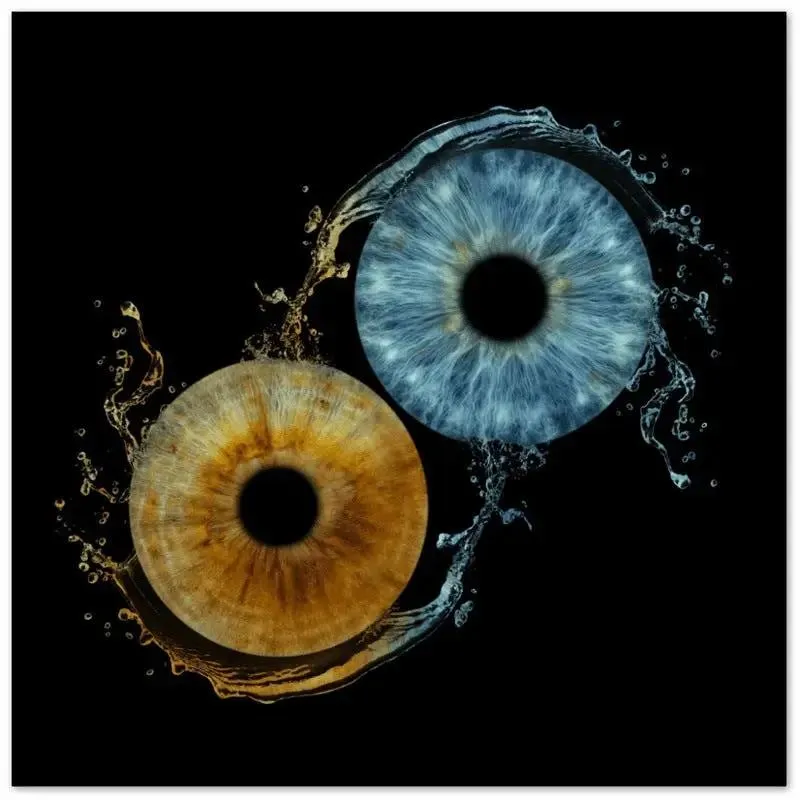
Macro iris photography relies on specialized camera equipment and ring lighting to photograph the eye at extreme magnification. The iris photography machine used in professional studios can capture resolution fine enough to see individual collagen fibers, crypts, and pigment patterns that define your unique eye signature.
What makes this style compelling:
- Scientific accuracy: every furrow, freckle, and color shift appears exactly as it exists
- Cosmic eye iris photo effect: the natural radial patterns create a galaxy-like appearance without digital enhancement
- Personalization potential: many iris photography locations offer custom shoots of your own eyes
- Modern aesthetic: the clinical precision fits contemporary, minimalist interiors
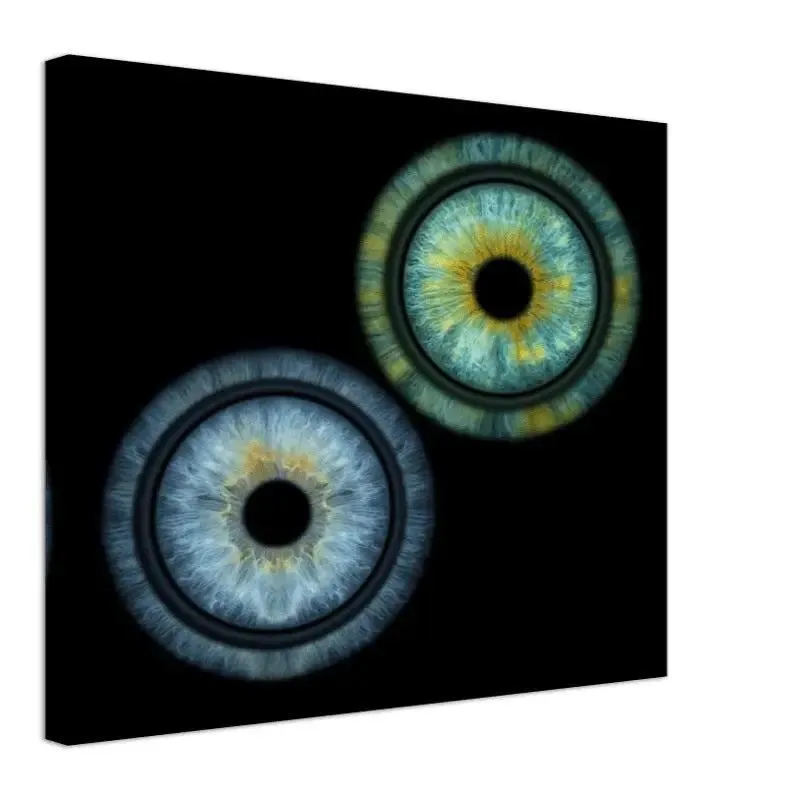
Prints like irises eyes and eye pupil showcase this approach, with tight crops that fill the frame with texture. The giant eyeball photos option takes a wider view, including sclera and lashes for context. If you want to explore pricing for custom shoots or ready-made prints, check the latest offers before committing.
Traditional Eye Art Offers Creative Interpretation
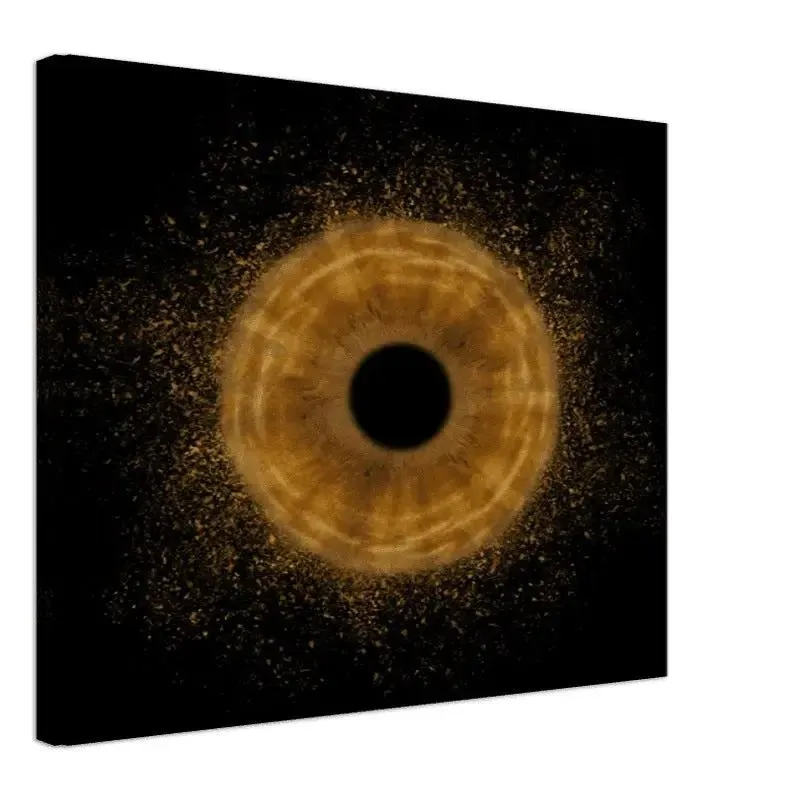
Traditional iris artwork includes painted, illustrated, or digitally manipulated eye images where the artist takes creative liberties with color, composition, and symbolic elements. This category ranges from watercolor irises with soft, blended hues to bold Pop Art eyes with saturated, unrealistic palettes.
Key characteristics of traditional styles:
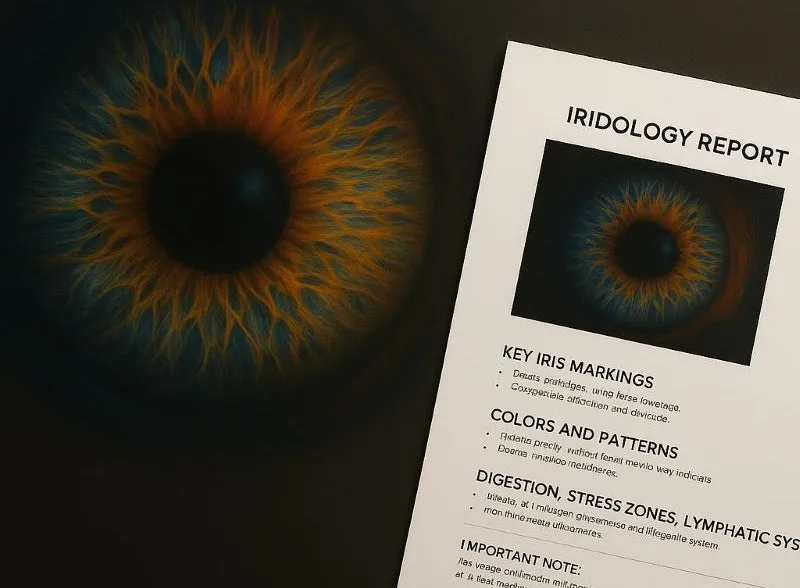
- Color experimentation: artists can depict the best eye color in shades that don’t exist naturally, like violet or metallic gold
- Symbolic layering: eyes may incorporate tears, flowers, geometric overlays, or surreal elements
- Varied mediums: oil, acrylic, digital painting, screen printing, and mixed media all create different textures
- Expressive mood: the artist’s hand introduces emotion that clinical photography cannot convey
The iris artwork collection demonstrates this range, from realistic oil paintings with subtle enhancements to abstract interpretations that prioritize pattern over photorealism.
Which Style Fits Different Interior Design Schemes
Your choice depends on the room’s existing palette, the mood you want to create, and how much visual drama you need.
| Style | Best For | Typical Color Palette | Visual Impact |
|---|---|---|---|
| Macro photography | Modern, minimalist, clinical spaces | Natural browns, greens, blues, greys | High detail, calm to striking |
| Traditional artwork | Eclectic, bohemian, gallery walls | Unlimited, artist’s choice | Emotional, expressive, bold |
Macro iris photography works best when:
- Your space already features clean lines and neutral tones
- You want a conversation piece rooted in science and realism
- The room needs a focal point without introducing new colors
- You prefer wall art that feels contemporary rather than decorative
Traditional eye artwork works best when:
- You want art that matches a specific color scheme (the artist can create custom palettes)
- The space has an artistic, creative, or bohemian vibe
- You value emotional expression over documentary accuracy
- You’re building a gallery wall and need variety in medium and style
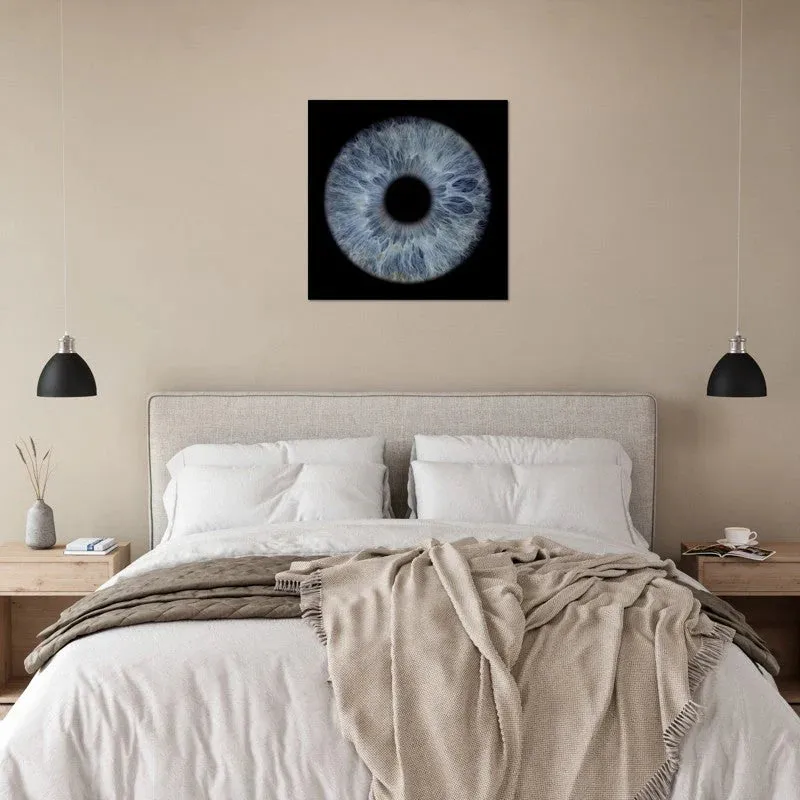
Both styles scale well. A single large iris print (24×36 inches or bigger) creates a powerful focal point above a sofa or bed, while smaller prints (8×10 or 11×14) work in gallery clusters or narrow hallways.
Unique Eye Art: Sizing and Material Considerations
Once you’ve chosen your style, print material and size determine durability, color accuracy, and price.
Canvas prints suit both photography and painted artwork, adding texture that softens clinical macro images and enhances the painterly feel of traditional art. Canvas works well for large-scale pieces because the fabric stays lightweight and doesn’t require glass.
Framed paper prints preserve the sharpest detail for macro photography, critical when the appeal is seeing every iris fiber. Archival paper with UV-protective glass prevents fading and keeps colors accurate for decades. Traditional artwork also benefits from paper when fine brushstrokes or pencil textures are part of the artist’s intent.
Metal and acrylic prints create a modern, high-gloss finish that amplifies color saturation. Macro iris photography looks especially striking on metal because the reflective surface mimics the natural shine of a living eye. Traditional artwork can look surreal on acrylic, with depth and vibrancy that rivals backlit displays.
For sizing, we recommend:
- 8×10 to 11×14 inches: bathroom, office desk, gallery walls
- 16×20 to 24×36 inches: bedroom, living room focal points, above furniture
- 30×40 inches and larger: statement walls, commercial spaces, loft-style homes
Material choice also impacts where you can hang the piece. Canvas tolerates humidity better than paper, making it safer for bathrooms or kitchens. Metal prints resist moisture entirely and clean easily, ideal for high-traffic areas.
Where to Source Iris Photography and Custom Eye Art
Ready-made prints offer convenience and immediate availability, while custom iris photography delivers a truly personal piece. Many iris photography locations now operate in malls and portrait studios, using the same iris photography machine technology found in optometry offices. Prices for custom shoots typically start around the cost of a professional portrait session, though exact iris photography near me prices vary by region and whether you want a single eye or couple’s shoot.
If you prefer ready-made options, curated collections like those at Iris Blink combine quality printing with diverse styles. The store offers both macro photography and traditional artistic interpretations, so you can compare side-by-side before committing. Grab the current discount code to save on your first order, the site currently runs a 10% off promotion on all prints.
Mixing Both Styles in a Cohesive Display
You don’t have to choose just one approach. Mixing macro iris photography with traditional eye artwork creates visual interest on a gallery wall, especially when you unify the collection through consistent framing or a limited color palette.
Tips for combining styles successfully:
- Use the same frame style and mat color across all pieces, even when the art varies
- Pull one accent color from a traditional painting and echo it in your choice of macro photography prints (for example, pair a blue-dominant iris photo with an abstract eye painting that includes blue elements)
- Vary the sizes but keep the arrangement symmetrical or follow a grid layout to prevent the mix from feeling chaotic
- Limit the collection to 2-3 styles maximum, macro photography, realistic painting, and one abstract or Pop Art piece creates variety without clutter
A mixed wall might feature a large iris artwork print as the anchor, flanked by smaller eye pupil macro shots and a painted piece with cosmic or floral overlays. The key is intentional curation rather than random collection.
Both iris photography and traditional eye artwork bring unique strengths to your walls. Macro photography delivers forensic beauty and modern precision, while traditional art adds emotional depth and color flexibility. Your final choice depends on whether you value documentary realism or creative interpretation, and whether your space calls for scientific wonder or artistic expression.
Questions
What is the difference between iris photography and traditional eye artwork?
Iris photography uses macro camera equipment to capture extreme close-ups of real eyes with scientific accuracy, showing every fiber and color variation. Traditional eye artwork includes paintings, illustrations, and digital art where the artist interprets the eye creatively, often enhancing colors or adding symbolic elements.
Can I get custom iris photography of my own eyes?
Yes, many portrait studios and specialty iris photography locations offer custom shoots using professional macro equipment. The process takes just a few minutes per eye, and you receive high-resolution files or prints of your unique iris patterns.
Which print material works best for macro iris photography?
Framed paper prints preserve the sharpest detail and are ideal when you want to see every iris fiber clearly. Metal prints create a modern, glossy finish that mimics the natural shine of a living eye, while canvas adds texture that softens the clinical look.
How large should an iris artwork print be for a bedroom wall?
For a bedroom focal point above the bed or dresser, we recommend 24×36 inches or larger. Smaller prints (16×20 inches) work well on side walls or in gallery clusters, while 8×10 to 11×14 inch prints suit nightstands or narrow wall spaces.
Can I mix iris photography with painted eye art on the same wall?
Yes, mixing both styles works well on gallery walls when you unify the collection through consistent framing and a limited color palette. Use the same frame style across all pieces and pull accent colors from the painted artwork to echo in your choice of photography prints.
Where can I find iris photography near me?
Many portrait studios, mall kiosks, and specialty photography shops now offer iris photography services using professional macro equipment. You can also purchase ready-made prints from curated online collections that offer both custom and stock iris images in various styles.
Products in this guide
 Shopping at Iris Blink? See the discount code
10% OFF All Orders
Shopping at Iris Blink? See the discount code
10% OFF All Orders
More in this series
Where to Hang Iris Artwork to Make the Biggest Visual Impact16 Aug 20264 minCaring for and Displaying Eye Pupil Art Prints Without Fading16 Aug 20266 minBest Eye Color Art Print: What to Look for Before You Buy16 Aug 20263 minDo Giant Eyeball Photos Work in Small Rooms?16 Aug 20264 minHow to Choose the Right Eye Art Print for Your Living Space16 Aug 20266 min