 A My Smile guide
Water Pick Basics: Are Oral Irrigators Worth Adding to Your Routine?
A water pick is one of the most effective tools you can add to your oral hygiene routine, and this guide explains exactly why.
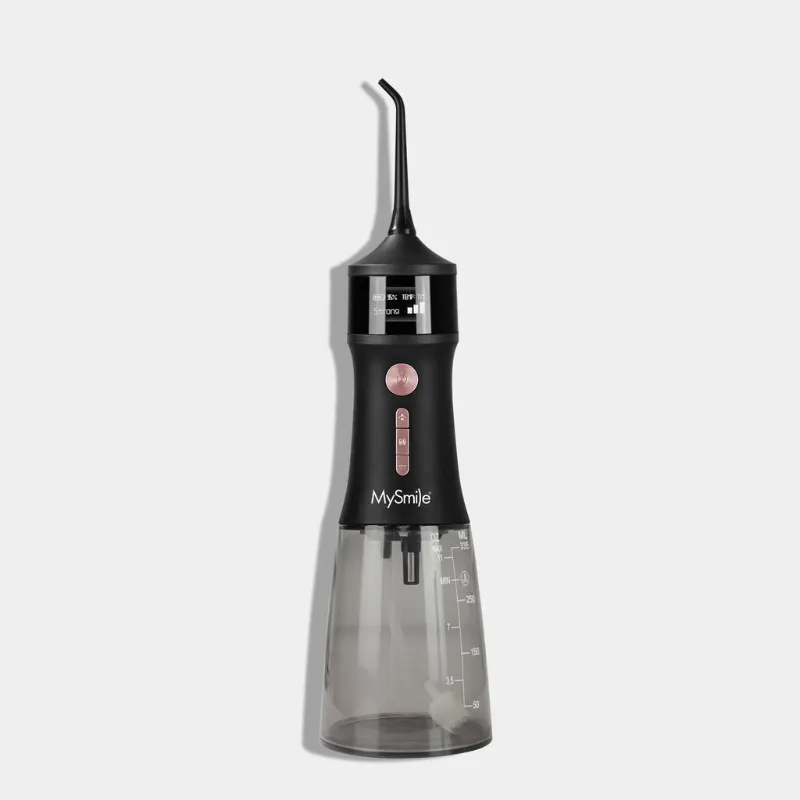
A water pick is one of the most effective tools you can add to your daily oral hygiene routine, using a pressurized stream of water to flush out plaque, food debris, and bacteria from places a toothbrush simply cannot reach. If you have been wondering whether water flossers are a genuine upgrade or just another gadget, the honest answer is: for most people, they are worth it. Here is everything you need to know before buying one.
How a Water Pick Actually Works
A water pick, also called an oral irrigator or water flosser, pushes a controlled pulse of water between teeth and along the gumline. That pulsating action dislodges biofilm and debris without the friction that traditional string floss creates. WebMD notes that water flossers can be especially useful for people with braces, bridges, implants, or sensitive gums.
Key mechanics to understand:
- Pressure settings control the water stream’s intensity, important for gum sensitivity
- Reservoir size determines how long you can floss without refilling
- Tip attachments let you target specific areas like orthodontic brackets or periodontal pockets
- Cordless vs. countertop affects where and how easily you can use it daily
Water Pick vs. String Floss: What the Research Says
The difference between a waterpik and a water flosser is really just branding: Waterpik is the dominant brand name, while “water flosser” and “oral irrigator” are the generic terms for the same device category. Both do the same job.
| Feature | Water Pick / Oral Irrigator | Traditional String Floss |
|---|---|---|
| Reaches between teeth | Yes | Yes |
| Cleans along gumline | Excellent | Good |
| Good for braces/implants | Very good | Difficult |
| Learning curve | Low | Low |
| Travel-friendly | Cordless models, yes | Always |
Independent testing by Wirecutter consistently confirms that the best water flosser options outperform string floss for reducing gum inflammation, though they recommend using both together rather than treating them as either/or.
Who Benefits Most from a Water Flosser
A cordless water flosser or countertop model is not just for people with dental work. Here is a clear breakdown of who gets the most out of one:
- Braces wearers: String floss threading is tedious; water flossers clean around brackets in seconds
- Implant and bridge patients: Pressurized water cleans under and around hardware without damaging it
- People with gum sensitivity: The gentle pulse is less likely to cause bleeding than aggressive string flossing
- Those with dexterity challenges: No threading, no tight gripping required
- Anyone building a more complete oral hygiene routine: Pairing a water pick with a whitening routine (more on that below) gives you the full picture
Building a Complete Oral Care Routine Around Your Water Pick
The water pick handles the gaps, but a full routine covers every surface. Here is how the My Smile product lineup fills in the rest:
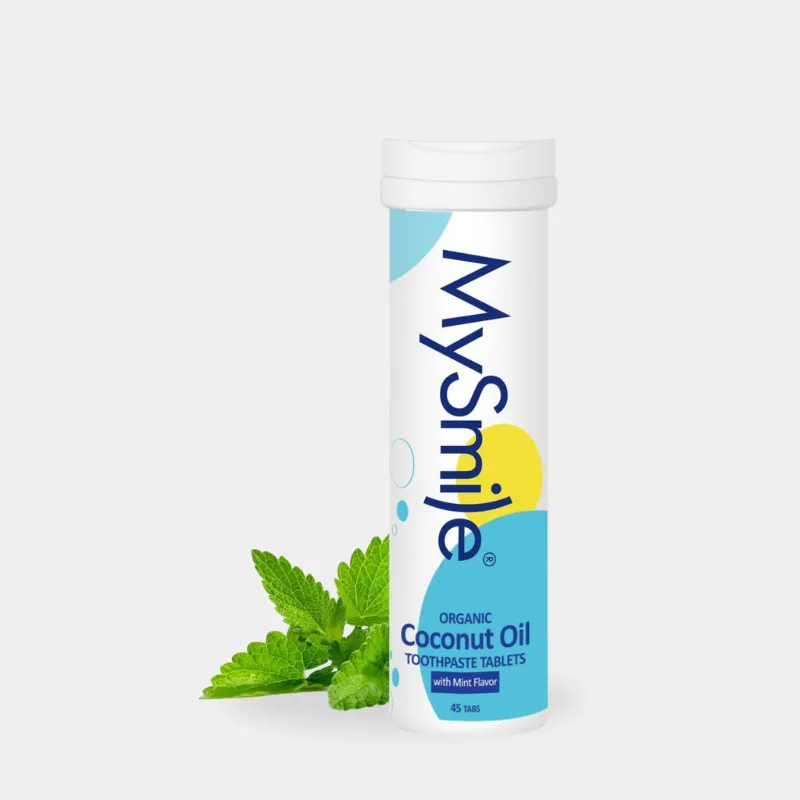
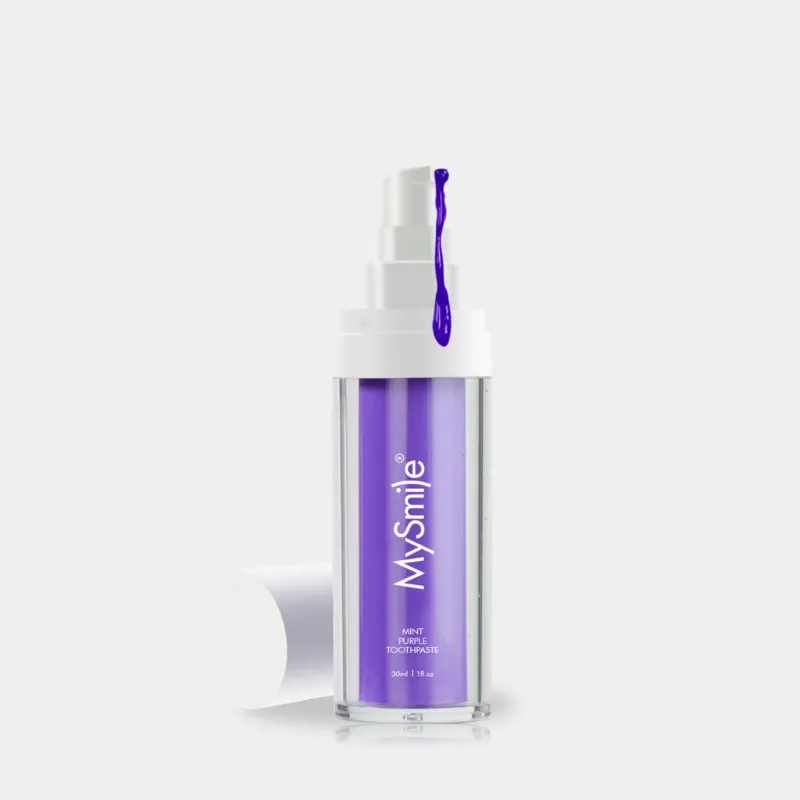
- Brush with a quality toothpaste. Our smile toothpaste is formulated to support enamel health with daily use. If you want to target surface stains as you brush, purple toothpaste uses colour-correcting technology to neutralize yellowing, while oris toothpaste delivers a fresh, clean base for the rest of your routine.
- Use your water pick. Run it along the gumline and between every tooth for about 60 seconds total.
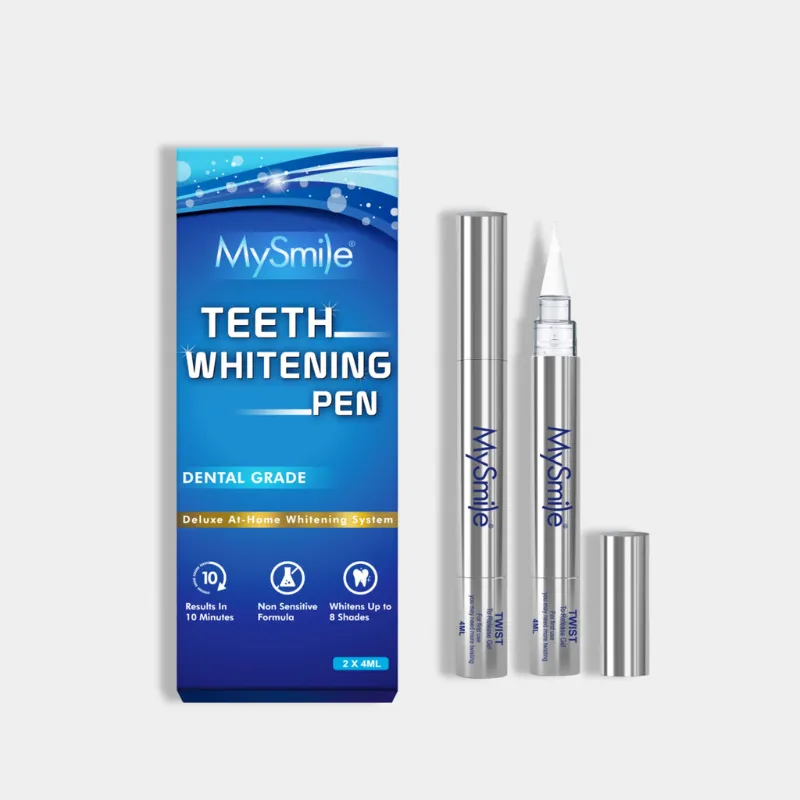
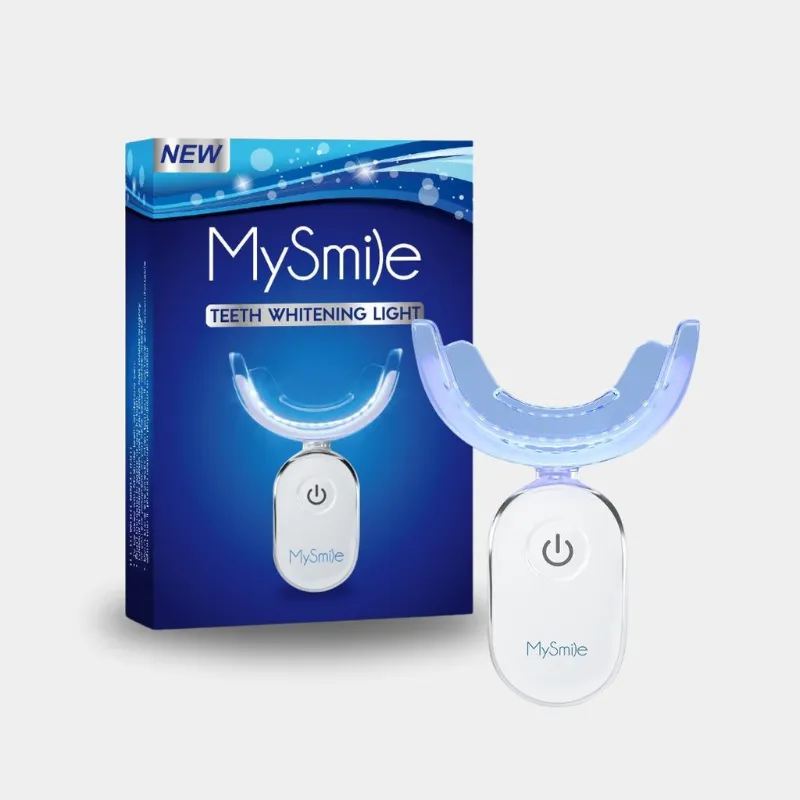
- Add whitening where needed. A teeth whitening pen is easy to apply directly after flossing when teeth are clean and gel-to-enamel contact is best. For faster, more visible results, pair it with a teeth whitening light to accelerate the whitening process.
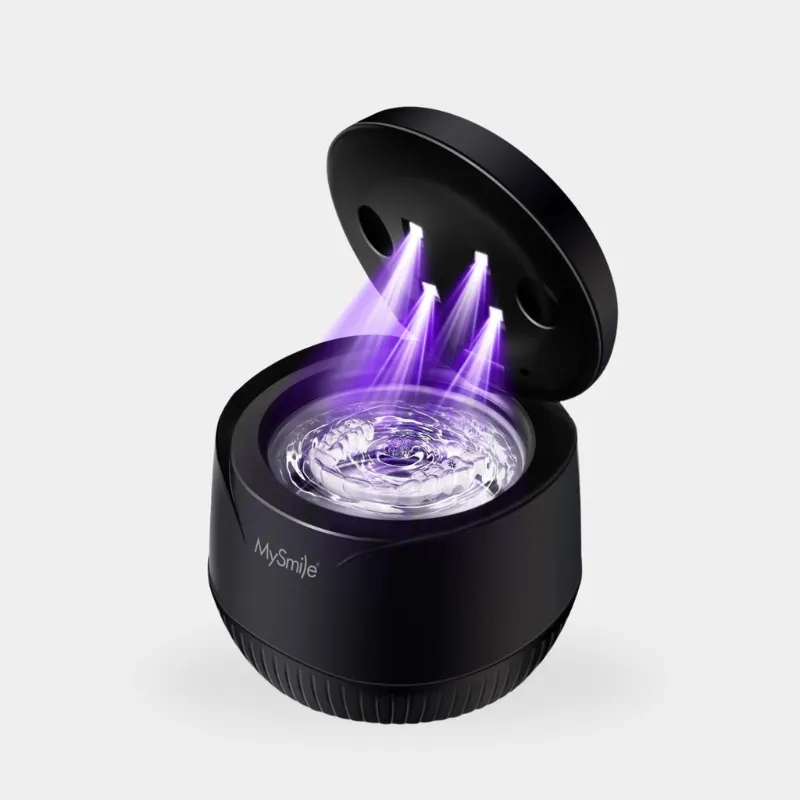
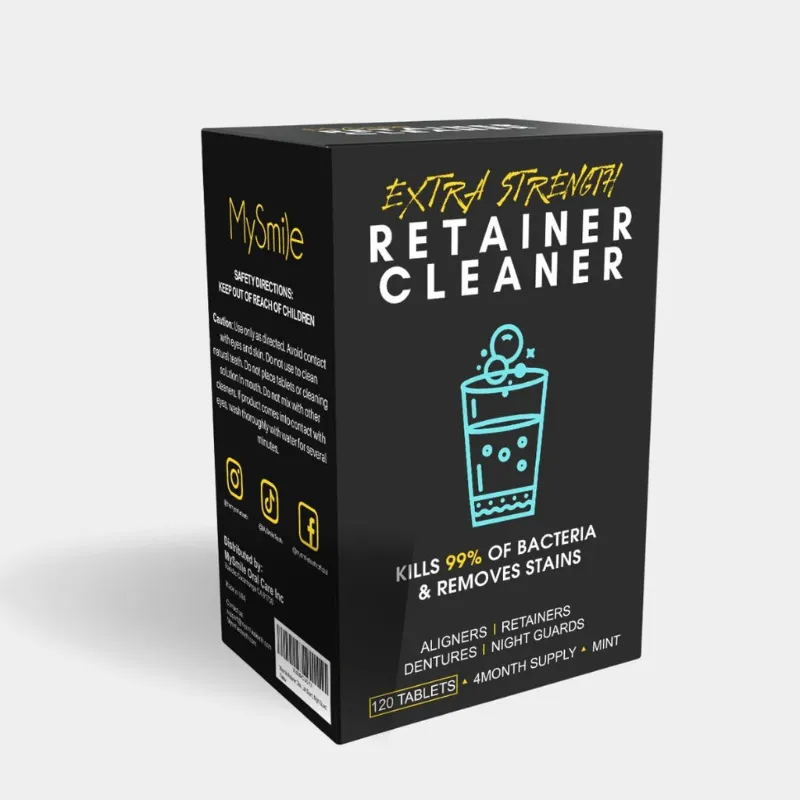
- Clean your appliances. If you wear a retainer, aligner, or denture, your retainer cleaner keeps it free from the same bacteria your water flosser just flushed off your teeth. Retainer cleaner tablets are a convenient daily soak option, while a retainer cleaner machine or ultrasonic denture cleaner offers a deeper, hands-free clean.
You can grab the current discount code at our My Smile page to save on the full routine.
Cordless vs. Countertop: Which Format Is Right for You?
Both formats deliver the same core benefit, so the right choice comes down to your bathroom setup and habits.
| Format | Best For | Drawback |
|---|---|---|
| Countertop | Larger reservoir, home use | Needs counter space and outlet |
| Cordless | Travel, small bathrooms | Smaller tank, needs recharging |
If you travel regularly or have a compact bathroom, a cordless water flosser is the practical pick. If you want the largest reservoir and do not want to think about charging, a countertop model wins. The Waterpik™ brand pioneered both formats and remains a strong reference point for what well-designed water flossers should deliver.
Tips for Getting the Most Out of Your Water Pick
Owning one is only half the equation. These habits make a real difference in results:
- Start on the lowest pressure setting and work up as your gums adapt
- Aim the tip at a 90-degree angle to the gumline, not directly into the gum tissue
- Work tooth by tooth rather than sweeping quickly across all teeth
- Clean the reservoir weekly to prevent bacterial growth inside the tank
- Use lukewarm water if your teeth are sensitive to temperature
- Replace tips every three to six months, just as you would a toothbrush head
Is a Water Pick Worth the Investment?
For most people, yes. The clinical evidence, ease of use, and versatility make water flossers a meaningful upgrade over string floss alone, particularly if you have dental hardware or struggle with gum health. When you pair a water pick with a strong brushing and whitening routine, you are covering every angle of oral hygiene rather than relying on any single tool.
Check the latest pricing and our exclusive discount to see what you can save when building out your complete routine today.
Questions
Is a water pick the same as a water flosser?
Yes, the terms are used interchangeably. 'Water pick' and 'water flosser' both refer to oral irrigator devices that use a pressurized stream of water to clean between teeth and along the gumline.
Can a water pick replace traditional string floss?
Most dental professionals recommend using both rather than replacing one with the other. A water pick excels at flushing out debris and reducing gum inflammation, while string floss provides direct mechanical scraping between tooth surfaces.
How often should I use my water pick?
Once a day is the standard recommendation, ideally as part of your nightly routine after brushing. Consistency matters more than frequency here.
Is a cordless water flosser as effective as a countertop model?
A quality cordless water flosser delivers comparable cleaning performance for most users. The main trade-offs are a smaller water reservoir and the need to recharge, rather than any difference in cleaning ability.
Can I use my water pick to clean a retainer or aligner?
A water pick can help rinse a retainer, but it does not replace a dedicated cleaning soak. Retainer cleaner tablets or a retainer cleaner machine will remove bacteria and buildup more thoroughly than water alone.
Does using a water pick help with teeth whitening results?
Indirectly, yes. Using a water pick before applying a teeth whitening pen or whitening light treatment ensures teeth are free of debris, which helps whitening gel make better contact with enamel for more even results.
Products in this guide
 Shopping at My Smile? See the discount code
20% OFF All Orders
Shopping at My Smile? See the discount code
20% OFF All Orders
More in this series
Teeth Whitening Light Not Working? Common Mistakes and How to Fix Them3 Aug 20264 minThe Complete Guide to Keeping Retainers and Dentures Clean and Odor-Free3 Aug 20265 minPurple Toothpaste, Smile Toothpaste, or Oris Toothpaste: Which Is Right for Your Smile?3 Aug 20264 minHow to Use a Teeth Whitening Pen and Light Together for Maximum Results3 Aug 20264 minRetainer Cleaner Tablets vs. Retainer Cleaner Machine: Which One Actually Works Better?3 Aug 20264 min