 A My Smile guide
Teeth Whitening Light Not Working? Common Mistakes and How to Fix Them
A teeth whitening light only delivers bright results when you use it correctly, and most people are making at least one fixable mistake.
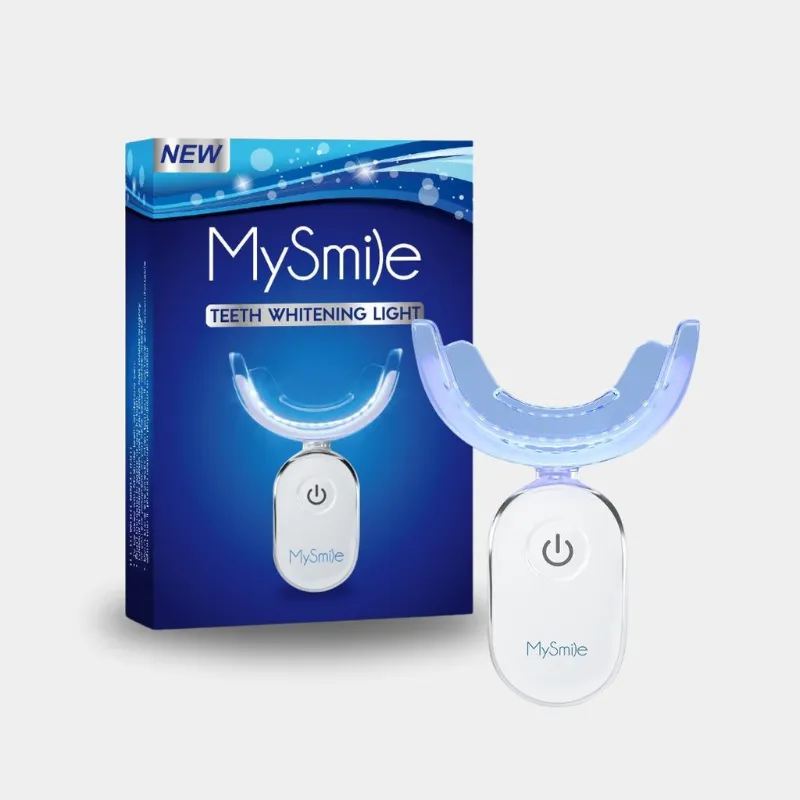
A teeth whitening light only delivers the bright results you’re expecting when you use it correctly, and most people are making at least one fixable mistake. The good news is that every common error has a straightforward fix, and pairing the light with the right supporting products makes a noticeable difference. This guide walks through exactly what goes wrong and how to sort it out.
Why Your Teeth Whitening Light May Not Be Giving Results
The LED in a whitening device does not bleach teeth on its own. According to Colgate’s breakdown of how LED teeth whitening works, the light accelerates the chemical reaction in the whitening gel, so without an effective gel applied correctly, the light is essentially doing nothing. That one misconception accounts for the majority of disappointing before-and-after results people report in teeth whitening light reviews.
Key things the light needs to work:
- An active peroxide or PAP-based whitening gel properly coated on the tooth surface
- Clean, dry teeth before application (saliva dilutes gel fast)
- Full, unobstructed contact between the LED and the front teeth
- The correct session length, consistently repeated
The Most Common Mistakes (and How to Fix Each One)
1. Skipping the Prep Step
Applying gel over surface stains, plaque, or residue from toothpaste is one of the biggest mistakes. The whitening agent cannot penetrate evenly through a layer of debris.
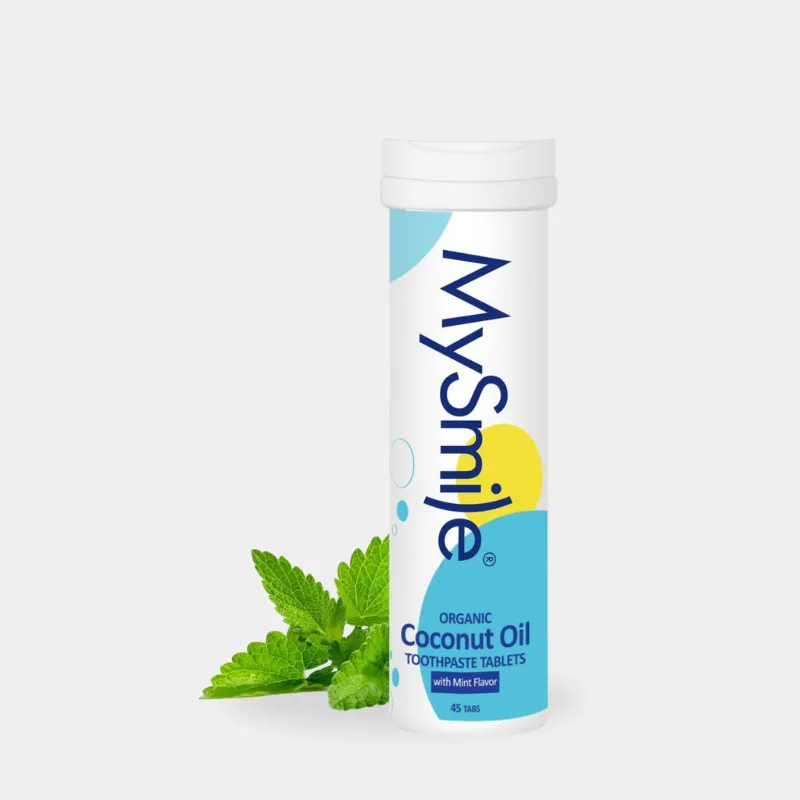
Fix: Brush thoroughly with a quality toothpaste before every session. Our smile toothpaste is formulated to clean without leaving a heavy residue that interferes with gel adhesion. Pat teeth lightly dry before applying gel.
2. Not Using Enough Gel, or Using the Wrong Amount
Too little gel means patchy coverage. Too much means it overflows the tray, contacts the gums, and causes sensitivity without improving results.
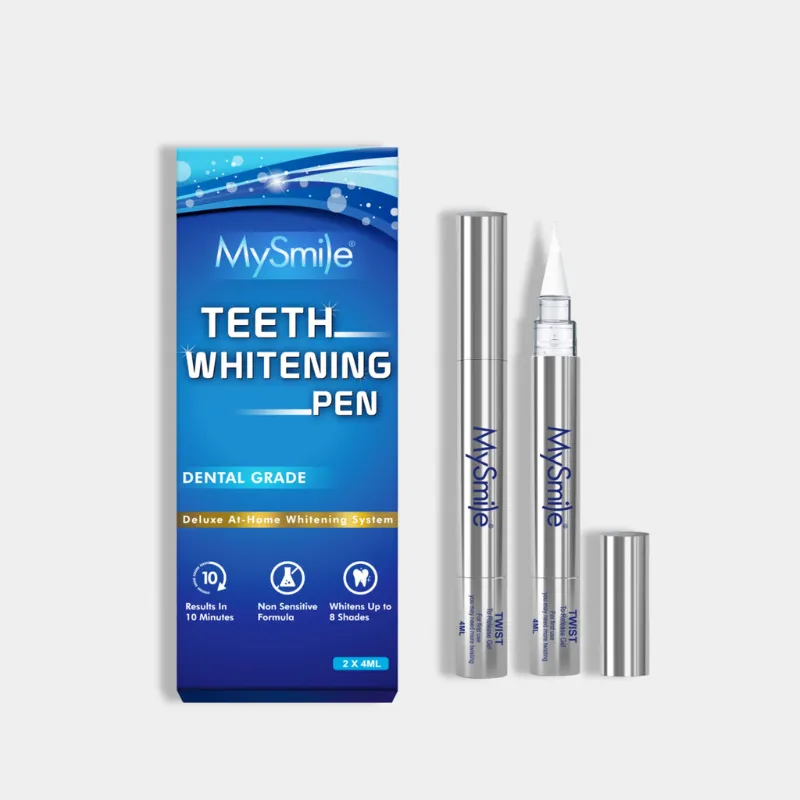
Fix: Follow the specific instructions for your whitening product. A thin, even layer across the front surface of each tooth is the target. The teeth whitening pen is a useful companion here because it applies a controlled amount of gel precisely where you need it, reducing waste and gum contact.
3. Inconsistent or Too-Short Sessions
A single session will rarely produce visible results. Most at-home devices are designed for daily use over a set course of days, and skipping sessions resets the process.
Fix: Commit to the full recommended course. Set a daily reminder. Combine sessions with a consistent oral hygiene routine to maintain the baseline cleanliness the gel needs.
4. Surface Stains That Need More Than a Light Alone
Heavy staining from coffee, tea, or smoking may need a targeted surface treatment alongside the LED sessions. The light accelerates the chemistry but cannot remove calcified tartar or deeply embedded stains on its own.
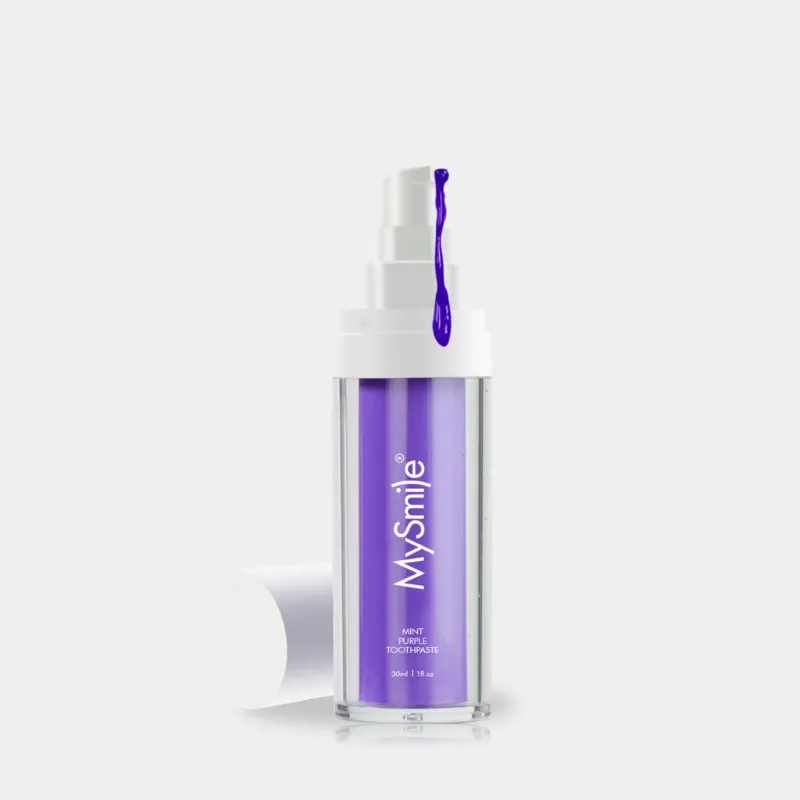
Fix: Add a purple toothpaste to your routine on non-whitening days. Purple toothpaste uses colour-correcting pigments to counteract yellow tones between sessions, keeping your progress visible. You can also layer a whitening pen application before using the light for a stronger combined effect.
5. Dirty or Poorly Maintained Dental Appliances
If you wear a retainer or aligner, a stained or bacteria-coated appliance sitting against freshly whitened teeth will visually undermine the results and reintroduce surface staining quickly.
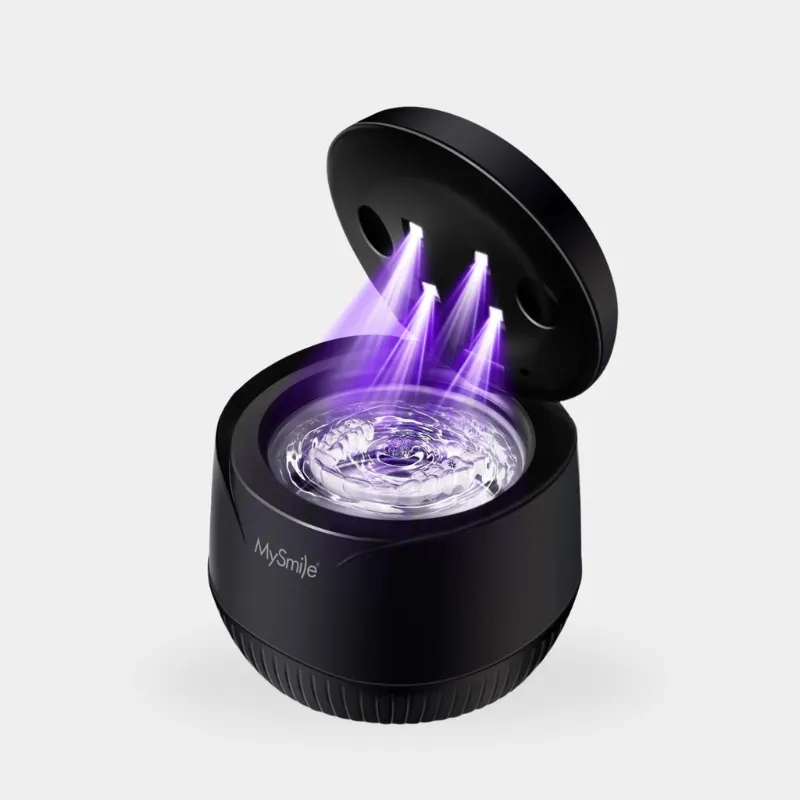
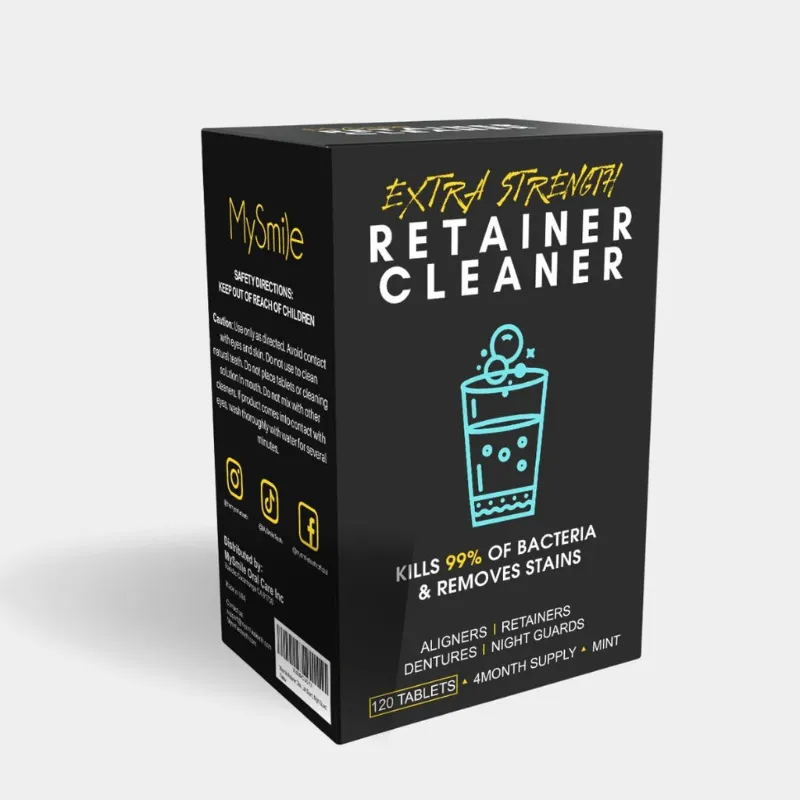
Fix: Keep appliances properly cleaned. A retainer cleaner or retainer cleaner tablets used daily keeps aligners and retainers clear and odour-free. For a deeper clean, a retainer cleaner machine or ultrasonic denture cleaner offers a more thorough result with minimal effort.
How to Use a Teeth Whitening LED Light Correctly: Step-by-Step
- Brush and rinse thoroughly. Dry your teeth lightly with a tissue or gauze.
- Apply a thin, even layer of whitening gel to the front surface of upper and lower teeth.
- Insert the LED mouthpiece so it sits comfortably against the gel-coated surfaces.
- Activate for the time specified by your device (typically 10 to 16 minutes per session).
- Remove, rinse, and avoid eating or drinking anything that stains for at least 30 minutes after.
- Repeat daily for the full course recommended.
For a well-rounded review of current options, Allure’s roundup of dentist-approved LED whiteners gives useful context on what separates professional-grade devices from basic models.
Comparing Whitening Approaches: Which Format Suits You?
| Method | Best For | Ease of Use | Targeted Control |
|---|---|---|---|
| Teeth whitening light + gel tray | Full-arch, consistent whitening | Moderate | Low |
| Teeth whitening pen | Touch-ups, specific teeth | High | High |
| Purple toothpaste | Daily maintenance, colour correction | Very High | Low |
| Combined (light + pen + toothpaste) | Maximum results over time | Moderate | High |
Most people who are frustrated with their results are using only one method. Combining the light with a teeth whitening pen for targeted application and a colour-correcting toothpaste for daily maintenance gives the most consistent teeth whitening light before and after difference.
Teeth Whitening LED Light Side Effects to Know About
Sensitivity is the most commonly reported side effect. It usually comes from gel contact with gum tissue, gel that is too strong for daily use, or sessions that are too long. It is temporary for most people, but worth managing:
- Use a sensitivity-friendly toothpaste on rest days
- Reduce session frequency if sensitivity becomes uncomfortable
- Ensure gel does not overflow onto gums during application
- Never exceed the recommended session duration
Sensitivity is not a sign the light is working harder. Proper technique reduces it significantly.
Getting the Best Value on My Smile Whitening Products
The teeth whitening light from My Smile works best as part of a complete routine rather than as a standalone device. Pairing it with the smile toothpaste for daily brushing, a whitening pen for precision touch-ups, and a retainer cleaner to maintain any dental appliances covers all the bases.
Before you buy, grab the current discount code at our My Smile coupon page for 20% off your order. It stacks well if you are putting together a full whitening kit rather than buying individual items separately. Check the latest pricing and available bundles before you add to cart.
Questions
Why is my teeth whitening light not making any difference?
The most likely reason is that the whitening gel is not being applied to clean, dry teeth, or the gel itself has expired or is too thin a layer to activate properly. The LED light accelerates the gel's chemistry but cannot whiten on its own, so fixing your prep routine usually resolves the problem.
How often should I use a teeth whitening LED light for results?
Most at-home devices are designed for daily sessions over a course of 7 to 14 days. Skipping sessions breaks the cumulative effect, so consistency matters more than session length. Follow the specific guidance included with your device.
Can I use a teeth whitening pen with the LED light at the same time?
Yes, and this is actually one of the most effective combinations. Apply the whitening pen gel to the tooth surface first for precise coverage, then use the LED light to accelerate the reaction. This gives more targeted control than a tray alone.
What are the common side effects of teeth whitening LED lights?
Temporary tooth sensitivity and mild gum irritation are the most common side effects, usually caused by gel overflowing onto the gums or sessions running too long. Reducing session frequency and ensuring clean gel application minimises both issues.
Does purple toothpaste help between whitening light sessions?
Yes, purple toothpaste uses colour-correcting pigments to visually neutralise yellow tones on the tooth surface, which helps maintain your progress on days you are not using the LED device. It is not a bleaching agent but works well as a daily complement.
Do I need to clean my retainer or aligner separately if I am whitening my teeth?
Absolutely. A stained or bacteria-coated retainer can reintroduce surface discolouration to freshly whitened teeth. Using retainer cleaner tablets or a retainer cleaner machine daily keeps appliances clear and prevents them from undoing your whitening results.
Products in this guide
 Shopping at My Smile? See the discount code
20% OFF All Orders
Shopping at My Smile? See the discount code
20% OFF All Orders
More in this series
The Complete Guide to Keeping Retainers and Dentures Clean and Odor-Free3 Aug 20265 min Water Pick Basics: Are Oral Irrigators Worth Adding to Your Routine?3 Aug 20264 minPurple Toothpaste, Smile Toothpaste, or Oris Toothpaste: Which Is Right for Your Smile?3 Aug 20264 minHow to Use a Teeth Whitening Pen and Light Together for Maximum Results3 Aug 20264 minRetainer Cleaner Tablets vs. Retainer Cleaner Machine: Which One Actually Works Better?3 Aug 20264 min