 A My Smile guide
The Complete Guide to Keeping Retainers and Dentures Clean and Odor-Free
The complete keeping retainers and dentures routine is simpler than you think when you have the right cleaner, tablets, and tools working together.
The complete keeping retainers and dentures routine starts with understanding that both appliances harbour the same bacteria, plaque, and odour-causing film that build up on natural teeth. Clean them daily, use the right tools, and they will last years longer and stay genuinely fresh. Here is everything you need to know to get it right.
Why Daily Cleaning Is Non-Negotiable
Retainers and dentures sit against your gum tissue for hours at a time, creating a warm, moist environment where bacteria multiply fast. According to Vero Dental’s guide on retainer cleaning frequency, plaque can harden into tartar on a retainer within 24 hours, the same way it does on teeth. Once tartar sets, a regular rinse will not shift it.
Skipping daily cleaning leads to:
- Persistent bad breath that no amount of mouthwash fixes
- White calcium deposits that etch into acrylic and wire
- Gum irritation and an increased risk of cavities on the teeth the appliance contacts
- Staining that becomes permanent over time
The Complete Keeping Retainers and Dentures Toolkit
Having the right products on hand makes the habit stick. These are the tools that do the real work:
| Tool | Best For | Format |
|---|---|---|
| Retainer cleaner tablets | Daily soak, all appliance types | Effervescent tablet |
| Retainer cleaner machine | Deep clean, removable retainers | Electric device |
| Ultrasonic denture cleaner | Full dentures and partials | Ultrasonic bath |
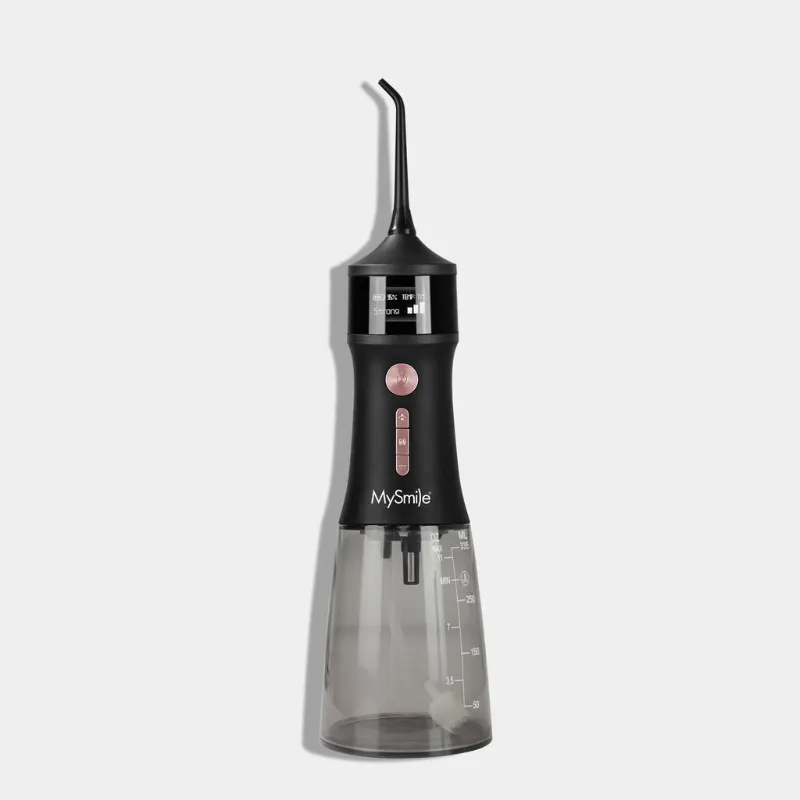
| Water pick | Flushing debris from brackets and clasps | Oral irrigator |
| Retainer cleaner | Quick daily surface clean | Solution/spray |
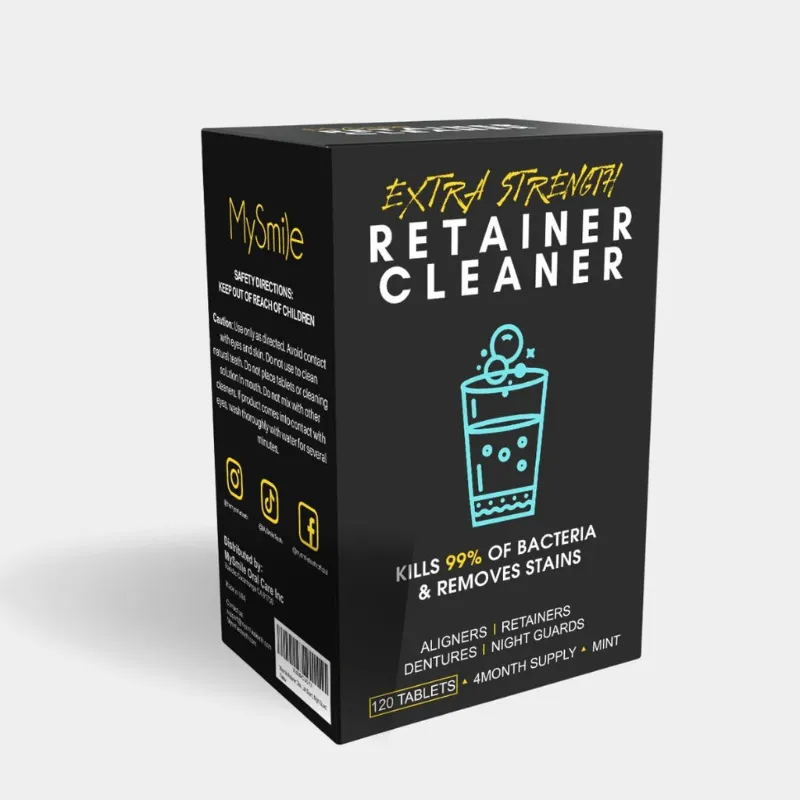
Drop a retainer cleaner tablet into a glass of lukewarm water, submerge your appliance for the recommended soak time, and rinse thoroughly. It takes about two minutes and removes biofilm that brushing alone misses.
Ultrasonic vs. Standard Soaking: Which Method Wins?
Both methods clean effectively, but they work differently and suit different appliances.
Standard tablet soak uses an effervescent chemical reaction to lift bacteria and staining from surfaces. It is gentle enough for wire retainers, Essix trays, and partial dentures, and requires no equipment beyond a cup.
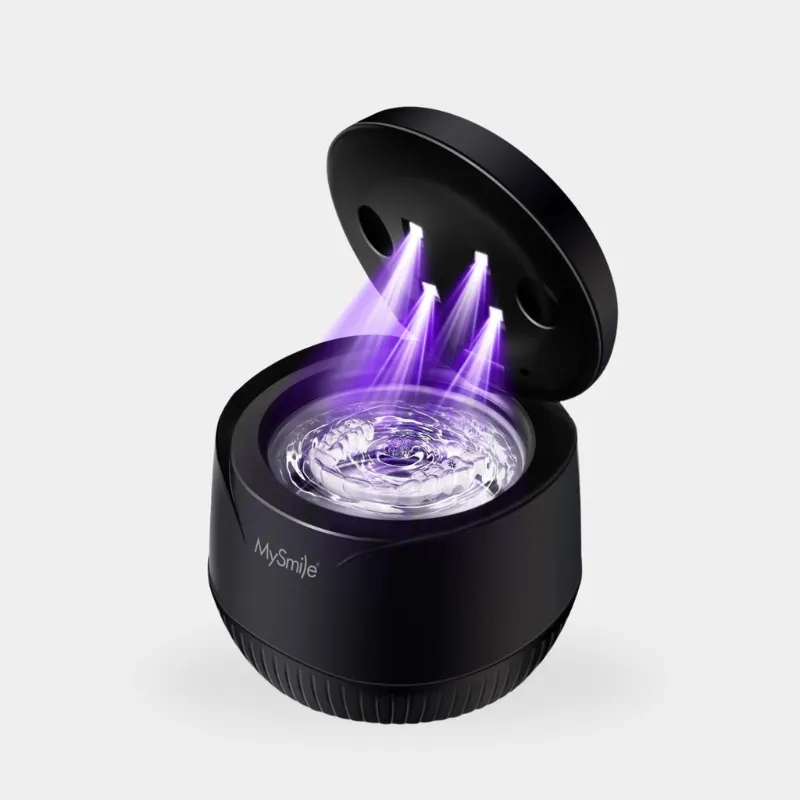
Ultrasonic cleaning uses high-frequency sound waves to create microscopic bubbles that implode against every surface, including the undercuts and crevices a brush cannot reach. The ultrasonic denture cleaner is especially effective for full acrylic dentures with complex contours. The retainer cleaner machine offers a similar benefit for smaller orthodontic retainers.
When to choose each:
- Use tablet soaking every day as your baseline routine
- Use the ultrasonic or machine clean two to three times per week, or whenever you notice cloudiness or odour returning
- Always follow ultrasonic cleaning with a thorough rinse under running water
For a deeper look at material-specific care, the AAO’s retainer care guide is a reliable reference straight from orthodontic professionals.
Brushing, Rinsing, and the Water Pick Step
Soaking handles biofilm, but mechanical cleaning removes the loosened debris. Use a soft-bristle brush (never your regular toothbrush) dedicated to your appliance. Avoid toothpaste directly on retainers or dentures unless it is formulated to be non-abrasive, as standard pastes can scratch acrylic and create more surface area for bacteria to grip.
A water pick is a surprisingly effective add-on here. The pulsing stream flushes food particles from clasps on partial dentures and from the wires of Hawley retainers far more thoroughly than a brush alone. Run it over the appliance before or after your soak for best results.
For your natural teeth and gum line while the appliance is out:
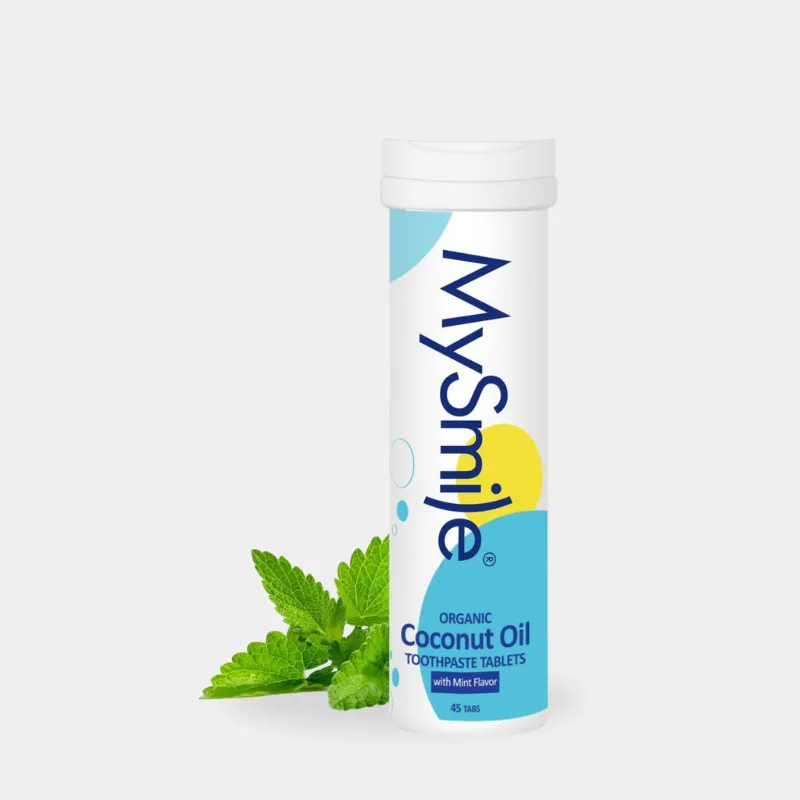
- Brush with a quality paste like smile toothpaste or oris toothpaste, both formulated to be gentle yet effective on enamel
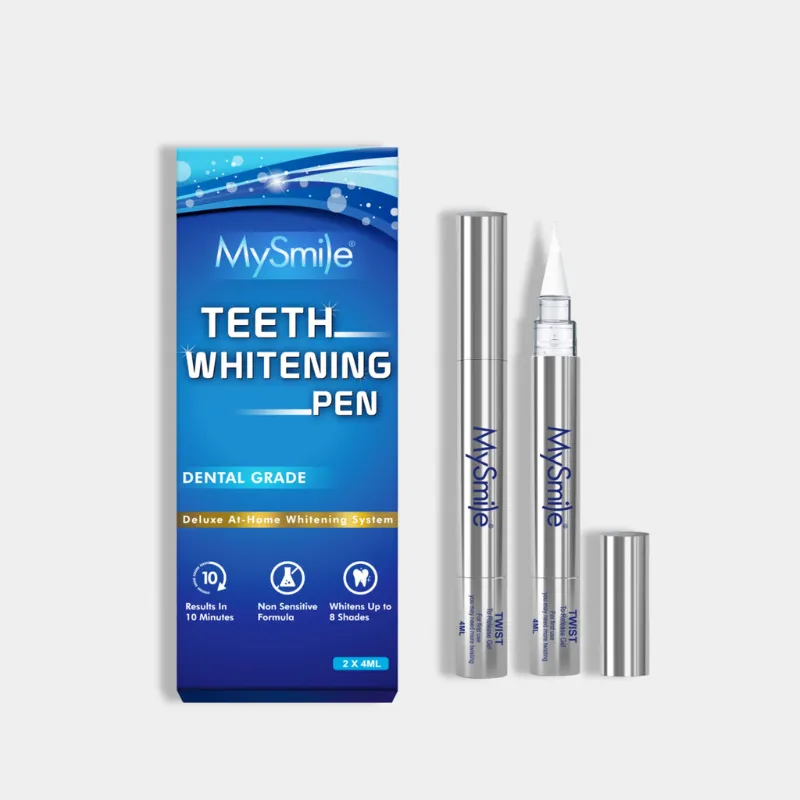
- If you want to address surface staining on your teeth at the same time, a teeth whitening pen is easy to apply to natural teeth during your appliance’s soak time
- Rinse with water, then reinsert a clean appliance onto clean teeth
Tackling Stains and Odour on Retainers and Dentures
Even with a good daily routine, staining and odour can creep in, especially for coffee and tea drinkers or anyone on certain medications. According to Anoka Dental’s care overview, prolonged exposure to dark beverages is the most common cause of appliance discolouration.
Targeted fixes:
- Yellow tint on clear aligners or Essix retainers: A longer soak with retainer cleaner tablets and a soft scrub usually lifts it. Persistent tint may need a professional polish.
- Odour that returns quickly: This signals a biofilm issue. Switch to daily ultrasonic or machine cleaning with the retainer cleaner machine for one to two weeks to reset the baseline.
- Calcium deposits (white spots): A soak in a diluted white vinegar solution followed by your normal tablet soak can break these down. Avoid hot water, which can warp acrylic.
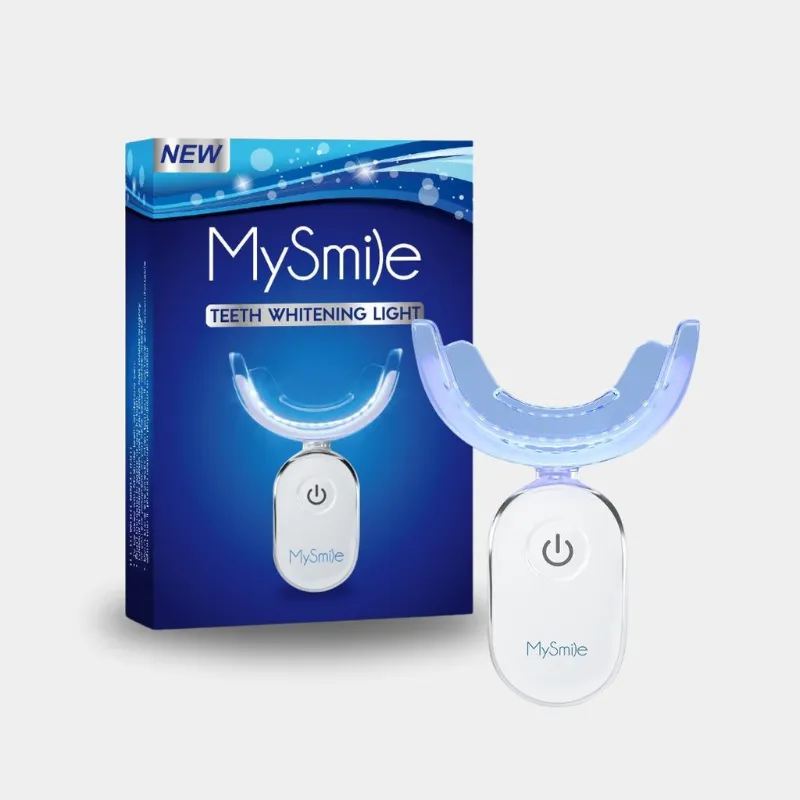
- Staining on natural teeth adjacent to the appliance: A teeth whitening pen or a session with a teeth whitening light can address these spots while you keep the appliance out.
Storage, Habits, and Keeping the Routine Simple
The biggest reason retainers and dentures get damaged or smelly is inconsistent storage and care habits. A few rules make the complete keeping retainers and dentures routine automatic:
- Always store in water or a clean case. Dry storage warps acrylic and dries out the material.
- Never use hot or boiling water. It permanently distorts the shape.
- Replace tablet soaks daily. Reusing soak water redeposits the bacteria you just removed.
- Check for cracks monthly. Small cracks harbour bacteria that no cleaner can fully reach.
- Keep your cleaning tablets and machine near the bathroom sink, not tucked in a drawer. Visibility drives habit.
If you are stocking up on tablets, solution, or a machine for the first time, grab the current discount code at our My Smile coupon page before you order. We keep that page updated with the latest offer so you always get the best rate.
Building a Weekly Care Schedule
A simple weekly rhythm covers every base without taking extra time:
- Daily: Tablet soak plus brush and rinse; brush natural teeth with smile toothpaste while appliance soaks
- 3x per week: Run appliance through the retainer cleaner machine or ultrasonic denture cleaner for a deeper cycle
- Weekly: Inspect for cracks, deposits, or discolouration; do a longer soak if needed
- Monthly: Check fit with your dentist or orthodontist; deep clean clasps with a water pick
This schedule takes less than five minutes a day and keeps both retainers and dentures genuinely clean rather than just visually acceptable. Check current pricing and the active discount to build out your full kit at the best available price.
Questions
How often should I use retainer cleaner tablets for the complete keeping retainers and dentures routine?
Once daily is the standard recommendation. Drop a tablet into lukewarm water, soak your appliance for the time listed on the packaging, then rinse thoroughly before reinserting. If you notice odour returning quickly, you can add an extra soak mid-day.
Is an ultrasonic denture cleaner safe for all types of retainers?
Ultrasonic cleaning is generally safe for full acrylic dentures, partial dentures, and most removable orthodontic retainers. It is best to avoid using ultrasonic baths on retainers that contain soft lining material or temporary repairs, and always check your orthodontist's advice for your specific appliance.
Can I use purple toothpaste or smile toothpaste directly on my retainer?
Standard and novelty toothpastes, including most whitening pastes, contain mild abrasives that can scratch acrylic and clear aligner material over time. It is safer to use a dedicated retainer cleaner solution or tablets for the appliance itself, and save your toothpaste for brushing your natural teeth while the appliance soaks.
What is the difference between a retainer cleaner machine and an ultrasonic denture cleaner?
Both use mechanical energy to dislodge biofilm and debris, but ultrasonic denture cleaners typically have a larger tank and a higher-frequency cycle suited to the size and density of full dentures. A retainer cleaner machine is usually more compact and optimised for smaller orthodontic appliances like Hawley retainers or Essix trays.
Will a teeth whitening pen work on teeth that are next to a retainer or denture?
A teeth whitening pen applies gel directly to natural tooth surfaces, so it works well on the teeth adjacent to an appliance while that appliance is out during its soak. It does not whiten acrylic, porcelain denture teeth, or retainer wire, so results will only appear on your natural enamel.
How do I get rid of persistent bad odour from a retainer or denture even after cleaning?
Persistent odour usually means biofilm has built up in micro-scratches or crevices. Switching to ultrasonic cleaning two to three times per week, combined with daily tablet soaking, typically resets the baseline within one to two weeks. If the smell continues, have your dentist inspect the appliance for cracks or ill fit, as trapped bacteria in damaged material is hard to fully remove at home.
Products in this guide
 Shopping at My Smile? See the discount code
20% OFF All Orders
Shopping at My Smile? See the discount code
20% OFF All Orders
More in this series
Teeth Whitening Light Not Working? Common Mistakes and How to Fix Them3 Aug 20264 minWater Pick Basics: Are Oral Irrigators Worth Adding to Your Routine?3 Aug 20264 minPurple Toothpaste, Smile Toothpaste, or Oris Toothpaste: Which Is Right for Your Smile?3 Aug 20264 minHow to Use a Teeth Whitening Pen and Light Together for Maximum Results3 Aug 20264 minRetainer Cleaner Tablets vs. Retainer Cleaner Machine: Which One Actually Works Better?3 Aug 20264 min