 A Dispatch Bike guide
Water Bottles for Mountain Biking: Cage, Pocket or Pack?
A back bottle keeps water accessible on the trail without taking up frame space, and the Dispatch back bottle is designed specifically for jersey pocket carry.
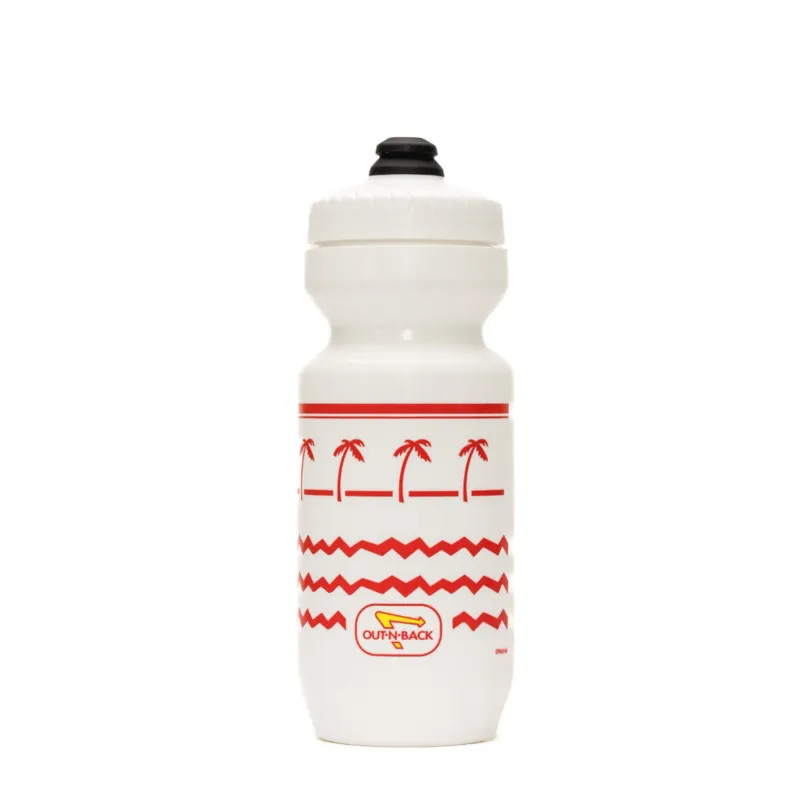
Pick water bottles for mountain biking that you can reach and drink from without stopping, that stay put on rough ground and that fit where you have room to carry them. On a full suspension bike with a small frame triangle, one option is a bottle made to ride in a jersey pocket instead of a cage. Dispatch makes one, the Dispatch Out n Back bottle, and it is worth understanding how pocket bottles compare with cages and hydration packs before you choose. We keep the current code for Dispatch Bike on its store page.
Where to carry water on a mountain bike
Riders carry water in three main ways, and each suits a different kind of ride:
- Frame cage bottle: quick to grab and easy to refill, but check that your full suspension frame has room for a cage, and bottles can eject on rough descents
- Jersey pocket bottle: a flatter bottle that sits in a rear jersey pocket, leaving the frame clear
- Hydration pack: the most capacity and room for tools and layers, but heavier and hotter on your back
| Option | Suits | Trade-off |
|---|---|---|
| Frame cage bottle | Hardtails and frames with cage mounts, longer rides with a second bottle | Needs frame space and a secure cage |
| Jersey pocket bottle | Short to medium trail rides, bikes with limited frame room | Less capacity, depends on your jersey pocket |
| Hydration pack | Long or remote rides with spares and layers | More weight and heat on your back |
Why a back bottle helps on the trail
A back bottle moves your water from the bike to your body. That keeps the frame clean, frees the cage mounts (if you have them) for a tool keg or second bottle, and stops bottles rattling or ejecting on rough descents. It also means you can use the same bottle on any bike, whether or not it has mounts.
The trade-off is capacity and comfort. A pocket bottle holds less than a large cage bottle or a pack, and how steady it feels depends on your jersey. For long rides in the heat, pair a pocket bottle with a pack or a frame bottle.
How to choose a mountain bike water bottle
Check these points on any bottle before you buy:
- Capacity: match it to your usual ride length and the heat, and plan a second source for long days
- Shape: a flatter bottle sits better in a pocket; a round bottle suits a cage
- Lid: a valve you can open with your teeth or one hand, and a seal that does not leak when the bottle is on its side
- Opening: a wider mouth makes refilling and adding drink mix easier
- Material: plastic is light and cheap to replace; insulated steel keeps water cool but adds weight
Jersey fit and pockets
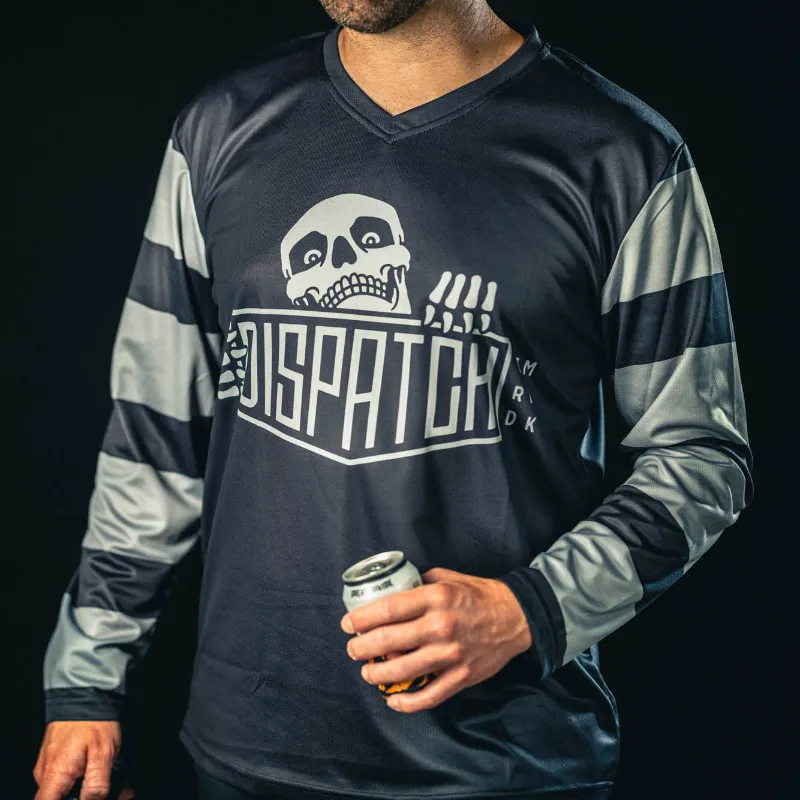
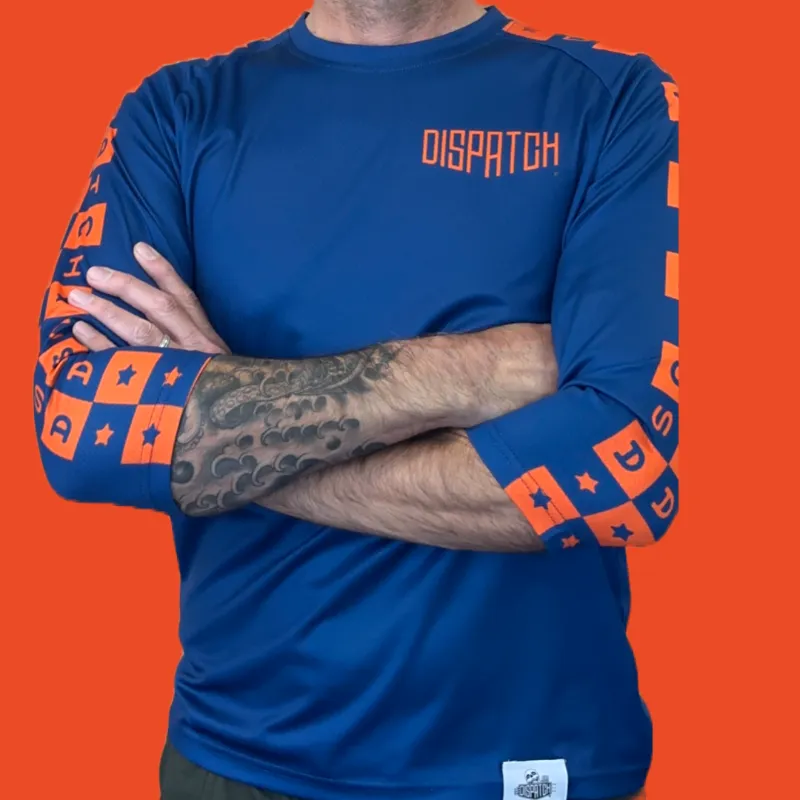
A pocket bottle is only as steady as the pocket holding it. Look for a jersey with a deep, snug rear pocket rather than a loose one that lets the bottle swing. Dispatch sells trail jerseys such as the Dirt Prisoner mountain bike jersey and the Checkerboard 3/4 sleeve mountain bike jersey. Check the product details for pocket layout, since not every loose-fit trail jersey has rear pockets.
Keep your phone, cash and cards in a separate pocket or a slim case like the Dispatch slimline ride wallet so they do not get wet from a dripping bottle.
Care and cleaning
Rinse your bottle after every ride, especially if you use a drink mix, since sugar left in the valve and lid feeds mold. Take the lid apart now and then and clean it with a bottle brush. Check the product page before you put it in the dishwasher. Let everything air dry fully before you close it up. Replace the bottle if the seal stops closing properly, it cracks, or it keeps a smell after washing.
What reviewers say about back bottles
Back bottles have been covered by cycling publications for years. See Seven Day Cyclist’s back bottle review and Review: Back Bottle, a Water Bottle for a Bike Jersey Pocket for how the idea works on gravel and cyclocross bikes, where frame space and quick access are also at a premium.
Who should choose a back bottle
We suggest a back bottle if your bike has little frame room, you ride trails of a few hours or less, or you want your water off the bike on rough descents. It is a weaker fit if you ride long, remote or very hot routes, where a hydration pack gives more capacity, or if you prefer a loose jersey without rear pockets.
Questions
Which water bottle setup should I use for mountain biking?
It depends on your bike and ride. A cage bottle suits frames with mounts, a jersey pocket bottle suits bikes with little frame room, and a hydration pack suits long or remote rides.
Can I use a back bottle on a full suspension mountain bike?
Yes. A back bottle rides in your jersey pocket, not on the frame, so it works on any bike, including full suspension frames with little room for a cage.
Will a back bottle fit in any jersey pocket?
Not always. It needs a deep, snug rear pocket to sit steadily. Not every loose trail jersey has rear pockets, so check the jersey details first.
Is a back bottle better than a frame-mounted bottle?
It depends on your riding. A back bottle keeps the frame clear and stays with you on rough descents. A frame bottle sits on the bike, so compare the capacity of each before you choose.
What is the difference between a back bottle and a hydration pack?
A back bottle is lighter and simpler but holds less. A hydration pack carries more water plus tools and layers, which suits long rides, but it adds weight and heat on your back.
Products in this guide
Shopping at Dispatch Bike? See the discount code
10% OFF All Orders
More in this series
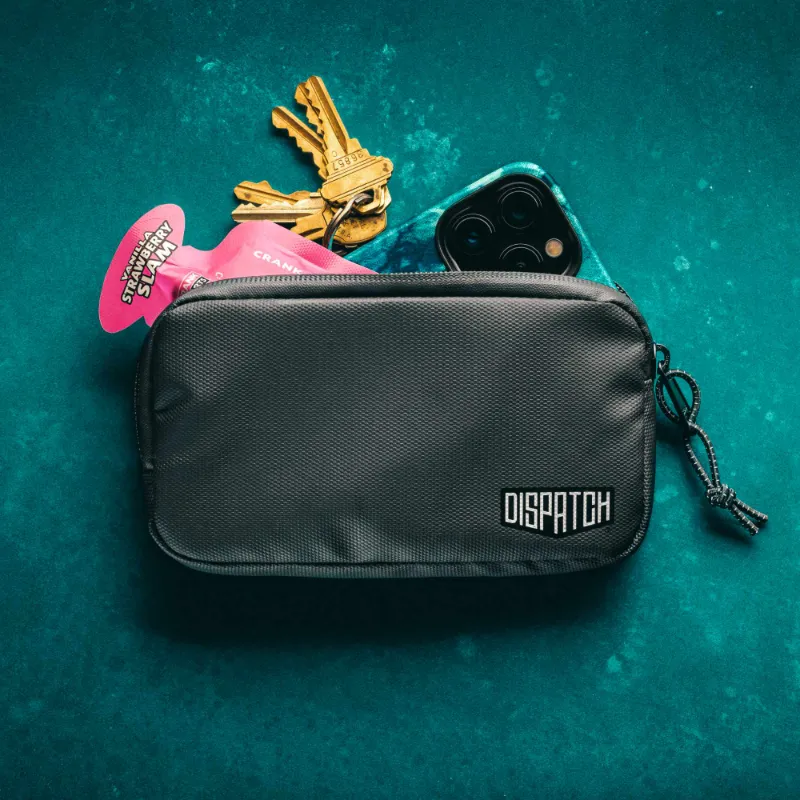 Do You Need a Ride Wallet? What the Dispatch Slimline Holds and Who It Suits14 Sep 20264 min
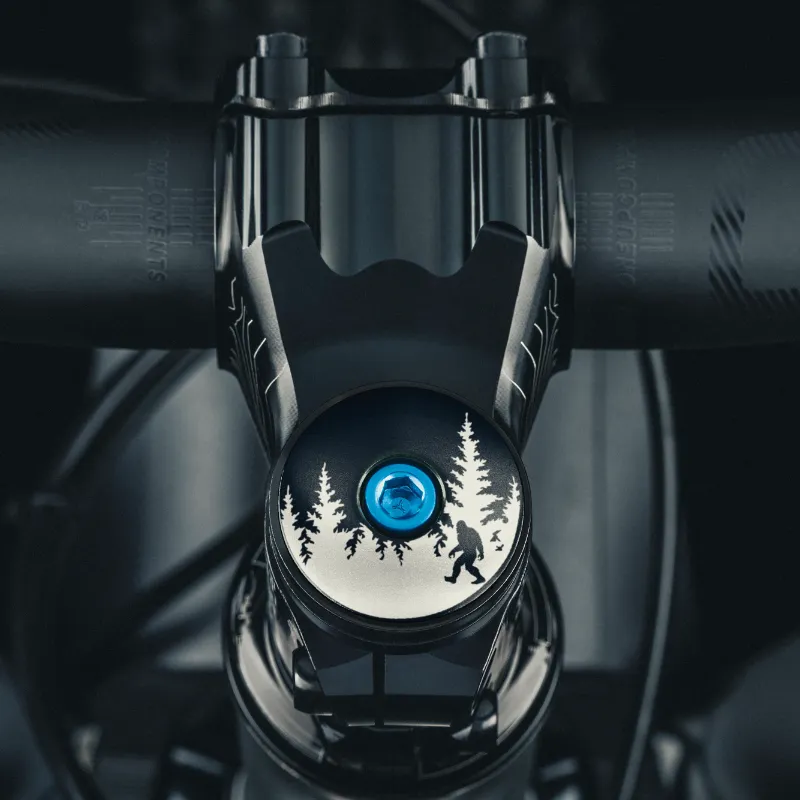 How to Install a Bike Stem Cap (Headset Top Cap) in a Few Minutes14 Sep 20264 min
 MTB Jersey 3/4 Sleeve vs Short and Long Sleeve: Which Dispatch Jersey to Choose14 Sep 20263 min
 MTB Bar End Plugs: What They Do, Which Size Fits and When to Replace Them14 Sep 20263 min