 A Dispatch Bike guide
Why Mountain Bike Bar End Plugs Matter: Safety, Comfort, and When to Replace Them
MTB bar end plugs are essential safety components that prevent handlebar damage and protect your hands during crashes or rough terrain.
MTB Bar End Plugs Protect Your Hands and Bike
MTB bar end plugs are small but critical safety components that seal the open ends of your handlebar. They prevent your hands from sliding onto sharp aluminum or carbon edges during crashes, absorb impact energy, and stop dirt and water from entering the hollow tube. Whether you’re riding technical downhill or navigating rocky singletrack, these plugs are the first line of defense between your hands and a nasty injury.
Why You Need Mtb Bar End Plugs on Your Ride
Open handlebar ends pose real hazards. Without plugs, a crash can drive your hand or wrist directly onto the metal tube edge, causing deep lacerations or puncture wounds. The plugs also serve a mechanical purpose: they keep moisture, mud, and debris out of the handlebar interior, which extends the life of your grips and prevents corrosion inside the tube.
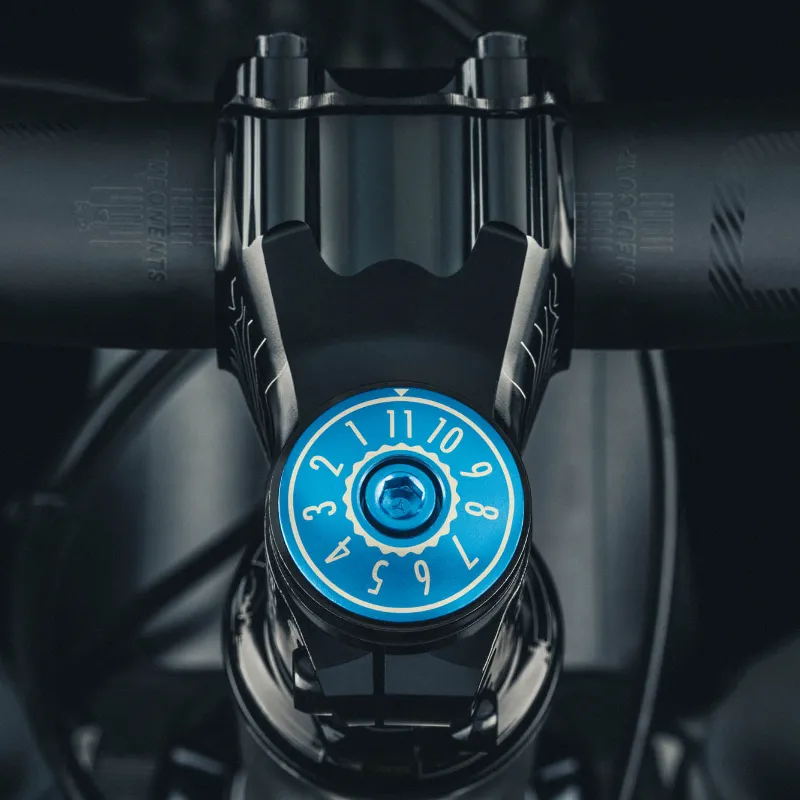
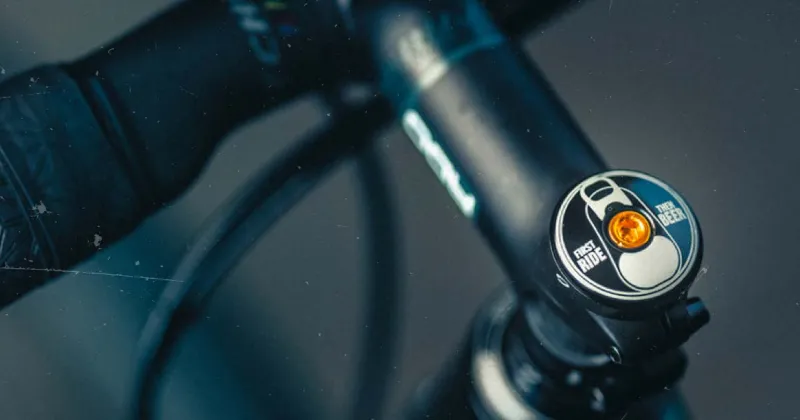
Beyond safety, plugs complete your bike’s setup. Leaving them off looks unfinished and can void some manufacturer warranties. Many riders pair them with complementary upgrades like a bike stem cap or bike headset cap to create a cohesive, protected cockpit.
Materials and Design Differences
Bar end plugs come in several materials, each with trade-offs:
| Material | Impact Absorption | Durability | Weight | Cost |
|---|---|---|---|---|
| Rubber or elastomer | Excellent | Good, flexes without breaking | Light | Budget-friendly |
| Plastic (composite) | Good | Very durable | Light | Mid-range |
| Titanium bar end plugs | Moderate | Extreme | Lightweight | Premium |
| Cork or foam | Fair | Lower, compresses over time | Very light | Low |
Rubber and elastomer plugs offer the best balance for most riders: they absorb shock when you crash, resist UV and temperature swings, and last 2 to 3 seasons before needing replacement. Plastic plugs are nearly indestructible but transmit more impact force directly to your hand. Titanium bar end plugs appeal to weight-conscious riders willing to pay more for minimal impact damping. Cork or foam plugs are cheap but wear out fastest, especially in wet or muddy conditions.
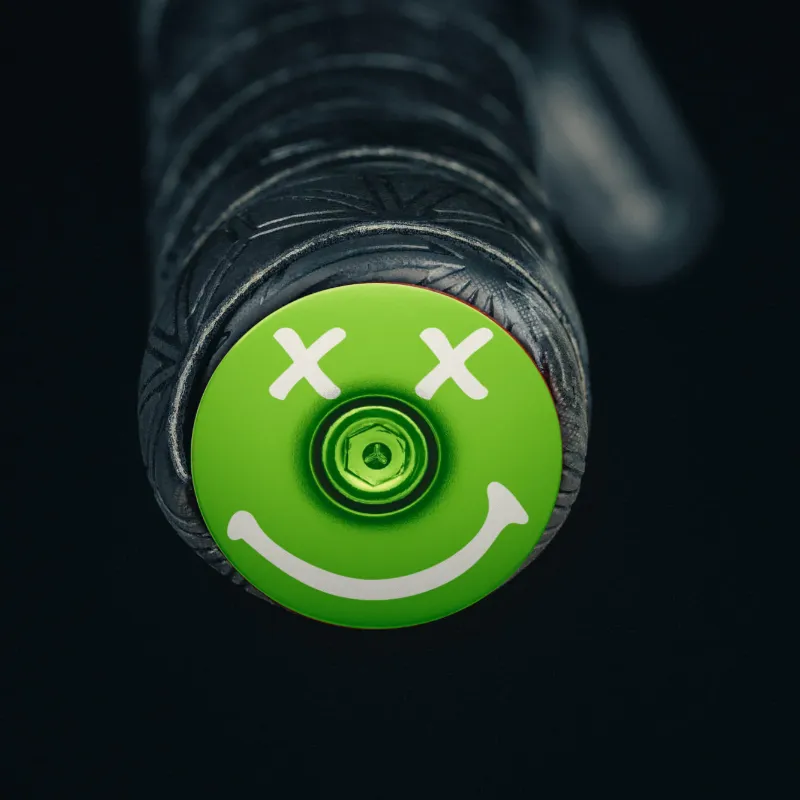
The mtb bar end plugs from Dispatch Bike use engineered elastomer that balances these needs for aggressive trail riding.
Handlebar End Plugs for Different Riding Styles
Your riding discipline shapes which plugs suit you best. Downhill and freeride riders benefit most from thicker, more shock-absorbing plugs because crashes are higher-energy events. Cross-country and gravel riders can use thinner, lighter options since most impacts are lower-speed. Road bikers choosing drop bar end plugs or handlebar end plugs for road bikes have different geometry but the same protective principle.
If you use bar ends mtb style extensions, ensure your plugs fit both the main bar and the extension ends. Check your handlebar diameter (usually 25.4mm, 31.8mm, or 35mm) before ordering.
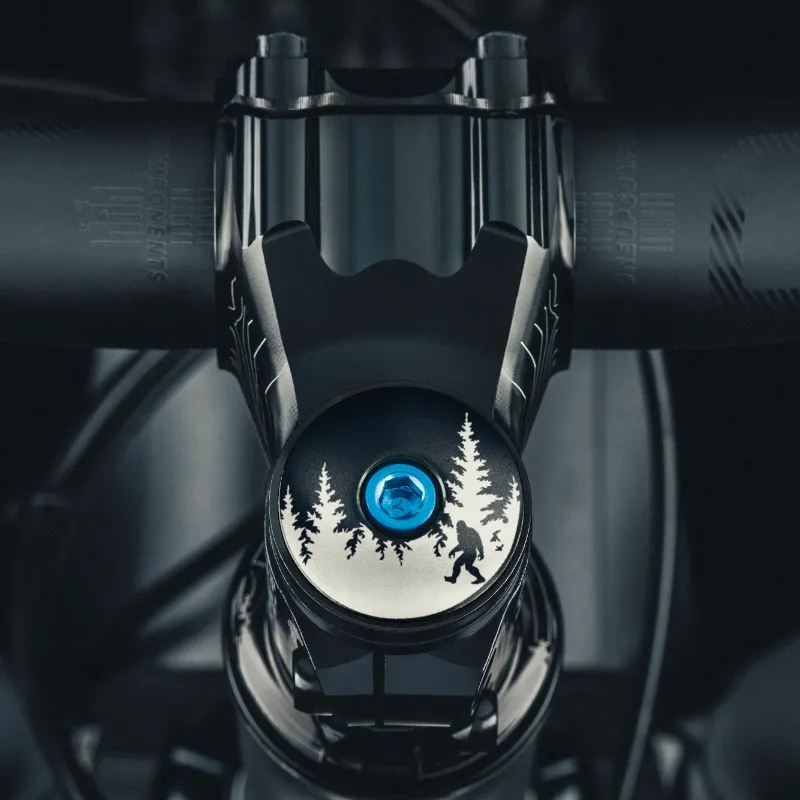
Pairing your bar end plugs with other cockpit protection like a bike headset top cap and quality grips creates a complete safety system for your hands and upper body.
When to Replace Your Bar End Plugs
Replace your plugs when they:
- Show visible cracks, tears, or chunks missing
- No longer grip the handlebar firmly and slide around
- Feel mushy or compressed permanently when squeezed
- Have visible UV degradation or bleaching
- Fail to seat flush with the handlebar end
Most riders replace plugs every 2 to 3 seasons depending on crash frequency and weather exposure. If you crash hard and your plugs take the impact, inspect them immediately. A damaged plug that doesn’t grip won’t protect you in a second incident.
Installation and Maintenance
Installing mtb bar end plugs is straightforward. Clean the inside of your handlebar end with a dry cloth to remove any dirt or grease. Align the plug and press it firmly into the tube until it seats flush. Some plugs have a slight taper that makes seating easier; others may need a gentle tap with a mallet. The plug should not rotate or slide when you tug on it.
To maintain your plugs, rinse them with water after muddy rides and dry them with a cloth. Avoid exposing them to extreme heat (like a car dashboard in summer) as elastomer can soften. Replace them if they loosen or tear, even if the damage seems minor.
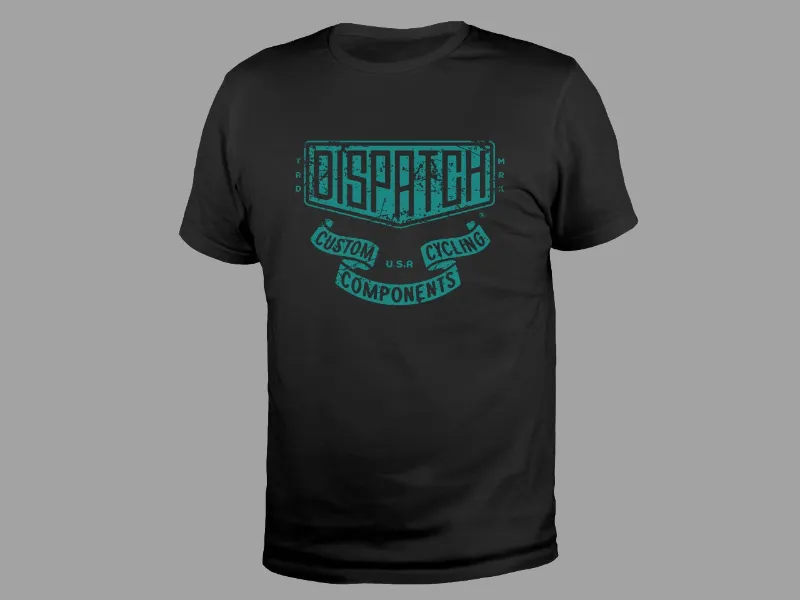
Store spare plugs in your repair kit alongside your dispatch tee shirts and other essentials. Keeping a pair on hand means you’re never stuck with a compromised bike.
Choosing the Right Bar End Plugs for Your Setup
Start with the diameter of your handlebar. Standard mountain bike bars are 31.8mm (the most common size for modern bikes). Older or budget bikes may use 25.4mm, while downhill and enduro bars often use 35mm. Measure twice before ordering.
Next, consider your riding environment and crash risk. Aggressive riders, heavy hitters, and downhill specialists benefit from thicker, more absorbing plugs. Cross-country and weekend warriors can save weight and money with thinner options. Check product reviews specific to your riding style.

Dispatch Bike’s mtb bar end plugs are engineered for aggressive trail riding and fit most modern 31.8mm bars. Pair them with other protective gear like a jersey 3/4 or mtb jersey 3/4 sleeve to protect your arms and shoulders in a crash.
For current pricing and to grab the 10% OFF All Orders offer, head to the Dispatch Bike store. It’s a great time to stock up on bar end plugs and refresh your entire cockpit setup with complementary parts like a bike stem cap or back bottle for hydration on the trail.
Learn more about bike bar ends and how they integrate with your handlebar system to round out your knowledge of this crucial bike component.
Questions
What size mtb bar end plugs do I need?
Most modern mountain bikes use 31.8mm bars, but measure your handlebar diameter first. Older bikes may use 25.4mm and downhill bikes often use 35mm. Plugs must fit snugly without forcing them.
How often should I replace my bar end plugs?
Replace them every 2 to 3 seasons, or immediately after a hard crash if they're cracked, loose, or no longer grip the handlebar firmly. Exposure to sun and mud accelerates wear.
Can I use bicycle handlebar end plugs on road bikes?
Yes, though road bikes with drop bars use smaller diameter tubes. Measure your bar diameter and choose drop bar end plugs designed for that size. The principle is the same: safety and protection.
Do titanium bar end plugs absorb impact better than rubber?
No. Titanium plugs are rigid and transmit impact force directly to your hand. Rubber and elastomer plugs absorb more shock, making them better for crash protection despite titanium's premium feel.
What happens if I ride without bar end plugs?
You risk hand and wrist lacerations on the sharp handlebar edge during a crash. Plugs also prevent dirt and water from entering the tube, which corrodes internal components and degrades grips faster.
Are mtb bar end plugs easy to install?
Yes. Clean the inside of your handlebar, align the plug, and press it firmly until it seats flush. Some plugs may need a gentle tap with a mallet. The whole process takes less than a minute per end.
Products in this guide
 Shopping at Dispatch Bike? See the discount code
10% OFF All Orders
Shopping at Dispatch Bike? See the discount code
10% OFF All Orders
More in this series
 Do You Really Need a Ride Wallet? What Mountain Bikers Actually Carry on Trails14 Sep 20265 min
 What Are the Best Water Bottles for Mountain Biking? Cage, Pocket or Pack14 Sep 20264 minHow to Install a Bike Stem Cap and Headset Top Cap (and Why Riders Skip Them)14 Sep 20265 minDispatch Bike Jersey vs. 3/4 Sleeve: Which MTB Top Should You Choose?14 Sep 20263 min