 A Dispatch Bike guide
Do You Really Need a Ride Wallet? What Mountain Bikers Actually Carry on Trails
A ride wallet keeps essentials secure on the trail, but whether you need one depends on your ride length, terrain, and what you're carrying.
A ride wallet keeps essentials secure on the trail, but whether you need one depends on your ride length, terrain, and what you’re carrying. Most mountain bikers don’t carry much beyond ID, a credit card, and maybe cash, so a slim wallet or compact ride wallet makes sense. Let’s look at what riders actually pack, why a ride wallet matters, and whether it’s worth the space in your pack or pocket.
What Mountain Bikers Actually Carry on the Trail
The contents of your ride wallet depend on how long you’re out and how far from the car you’ll be. Short local rides under an hour might only need ID and a single payment card. Longer adventures, backcountry riding, or trips where you’ll stop for food or repairs justify carrying more.
Most riders keep these essentials close:
- ID and one credit or debit card
- Cash (in case card readers fail or for tips)
- Emergency contact info or medical card
- A folded $20 bill for unexpected repairs or assistance
- Sometimes a small bike multi-tool or key
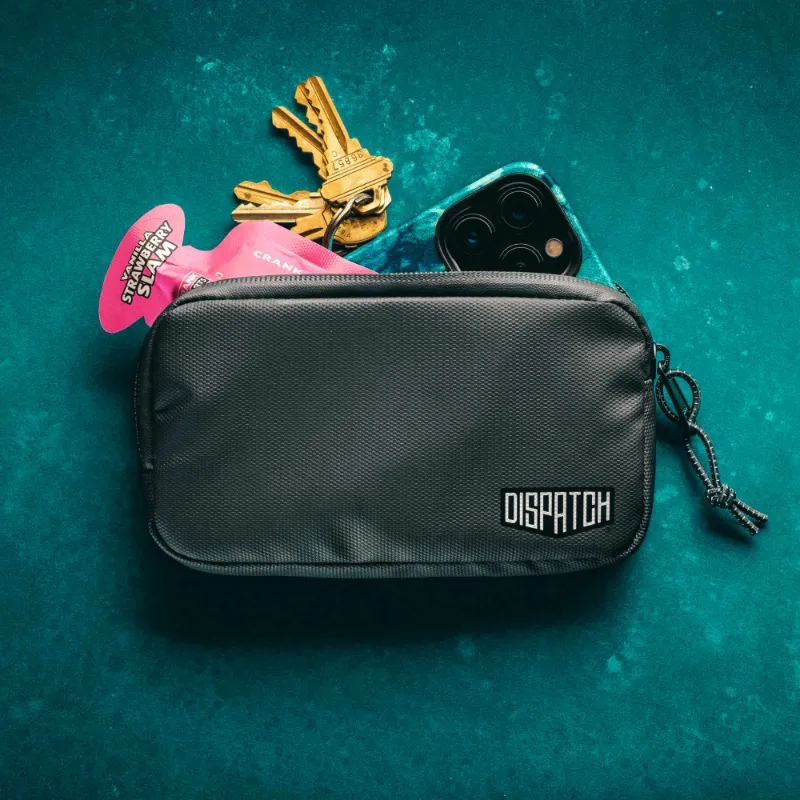
A dedicated ride wallet sits flat in a jersey pocket, cargo pocket, or small pack. Unlike a traditional wallet, it minimizes bulk and doesn’t shift around while you’re pedaling. Some riders skip it entirely and use a small crossbody bag or backpack. Others layer their essentials across multiple pockets to avoid weight in one spot.
The question isn’t whether you need a wallet, you do need ID and payment. The question is whether a slim, purpose-built ride wallet beats a traditional one or just goes in a pack.
Slim Wallet vs. Traditional Wallet: What Works on the Bike

A slim wallet like the ride wallet typically holds 4 to 8 cards and a small amount of cash without the bulk of leather or change pockets. A traditional wallet works too, but it’s bulkier and can create a rectangular print in your pocket or dig into your ribs if you’re wearing a mountain bike jersey or jersey 3/4 with fitted pockets.
Here’s how the options compare:
| Wallet Type | Pocket Fit | Card Capacity | Cash Space | Best For |
|---|---|---|---|---|
| Ride wallet (slim metal/fabric) | Minimal, flat | 4-8 cards | Folded bills | Trail runs, light packs |
| Traditional leather wallet | Bulky, rigid | 10+ cards, coins | Full pocket | Car/office storage |
| Crossbody mini bag | Not pocket-worn | Flexible | Flexible | Long rides, group trips |
| Cargo shorts/jersey pocket | N/A | Depends on pocket | Depends on pocket | Any ride, distributed weight |
Riders who prefer a ridge wallet alternative often land on a cycling-specific ride wallet because it handles the unique demands of trail riding: it won’t slide out of a moisture-wicking jersey pocket, it won’t shift if you take a corner hard, and it won’t distract you with bulk.
Do You Really Need a Ride Wallet If You’re Only Going Out for an Hour?
For a quick one-hour trail loop, you might not need a wallet at all if you’re staying local and have your phone. Many riders just carry ID tucked into a sock or armband with their keys. If you’re riding alone or far from help, though, ID and a payment method are smart to have.
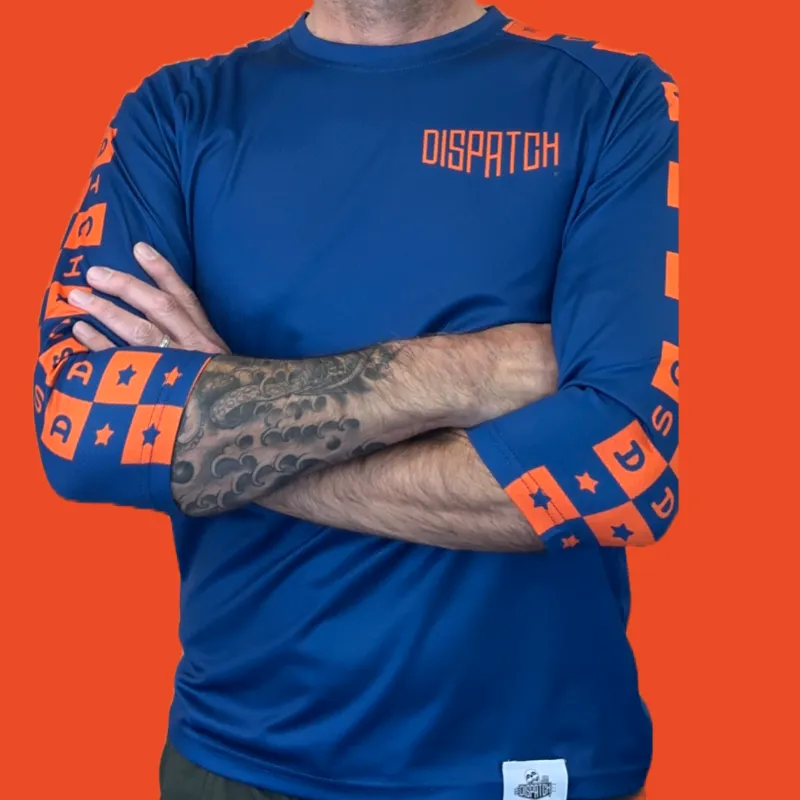
A ride wallet shines on these shorter rides because it takes up almost no space. Slip it into a jersey pocket along with a mountain bike jersey or mtb jersey 3/4 sleeve and you’re covered. You won’t feel it, and if you crash or get stranded, you’ve got what you need.
For true minimalists, a metal wallet or men’s ridge wallet alternative clips to a seat pack or goes in a jersey pocket. The weight difference between a ride wallet and nothing is negligible, so most riders lean toward having one on any trail that isn’t a quick backyard session.
Where to Carry Your Ride Wallet: Pocket, Pack, or Seat Bag
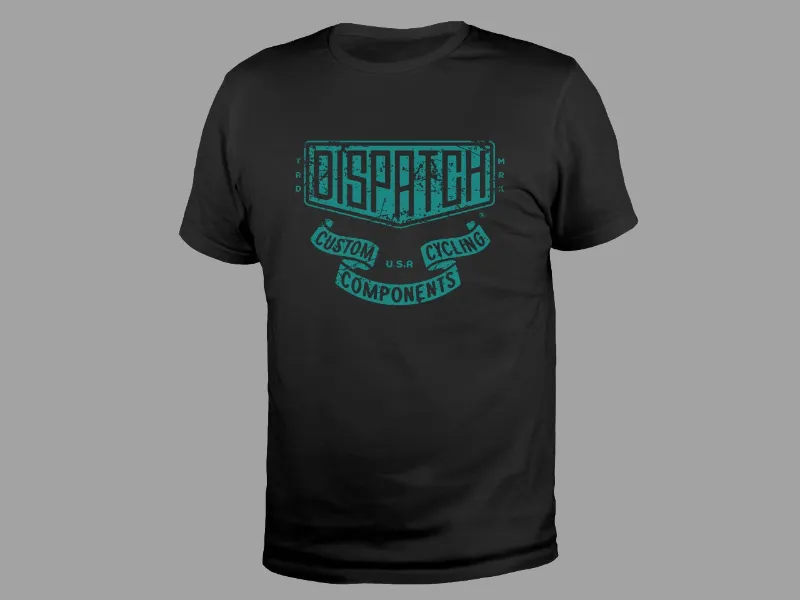
Your carry method shapes your choice of wallet. A jersey pocket works best with a flat, slim profile. Mountain bike jersey designs include zippered pockets specifically sized for this, so a ride wallet fits perfectly. If you’re wearing dispatch tee shirts or a loose fit, a back bottle or small pack may be safer to avoid loss.
Many riders use a small seat bag or frame pack. A seat pack holds more weight lower on the bike, which is ideal for longer rides with food, tools, or a pump. A ride wallet still works here, but so does a traditional wallet since bulk matters less when it’s not in your back pocket.
If you run multiple pockets, split your essentials. ID in a jersey pocket, cash in shorts, card in a seat pack. This way, if one item goes missing, you still have payment and ID. The distributed approach works especially well on technical terrain where pockets shift or open unexpectedly.
Materials That Hold Up on the Trail
A ride wallet faces moisture, dirt, sweat, and impact. Metal wallets like those from Ridge Wallet use aluminum or stainless steel to resist corrosion and stay slim. Fabric and synthetic wallets dry faster and won’t rust, but they may tear if you crash hard. Leather wallets age well but absorb sweat and take time to dry.
For mountain biking, metal or synthetic materials outperform leather because they handle wetness and repeated stress better. A ride wallet in metal or nylon bounces back from drops and doesn’t hold moisture against your gear. If you’re riding in rain or crossing streams, synthetic or metal is the way to go.
Pairing Your Ride Wallet with Your Other Gear
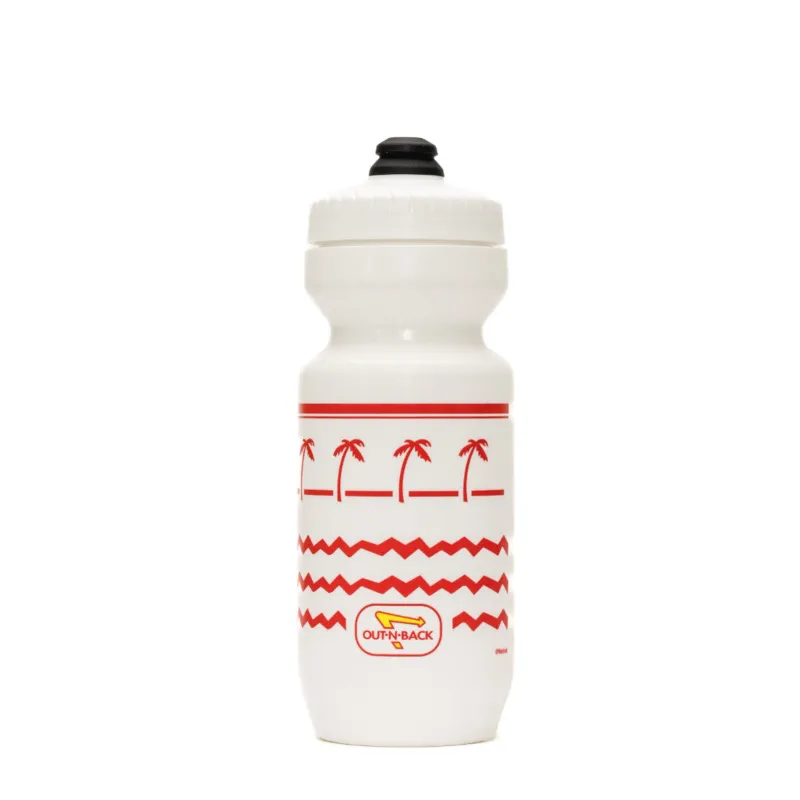
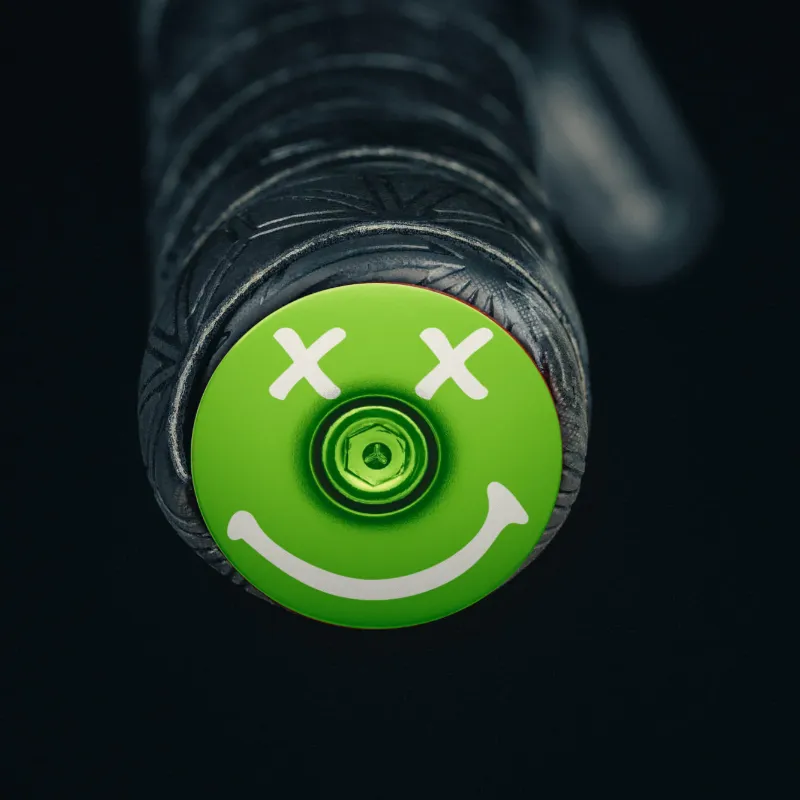
Your ride wallet is one piece of your carry system. Most trail riders also bring a back bottle or hydration pack, a few mtb bar end plugs or spares, and maybe a small multi-tool. A mountain bike jersey gives you pockets for all of it, distributed so nothing pulls or shifts.
If you’re doing a longer ride, a small pack or seat bag becomes your anchor, and your ride wallet sits inside rather than in a jersey pocket. This keeps it safe and off your body in case you take a fall. For more details on current pricing and our 10% discount, grab the code at checkout.
Is a Ride Wallet Worth It?
A ride wallet makes sense if you ride regularly, value minimal bulk, and want something built to handle the moisture and movement of trail riding. It’s not essential, plenty of riders use traditional wallets or keep cash in a seat pack. But the form factor is right for cycling: flat, durable, and designed to stay put in a mountain bike jersey or shorts pocket.
The real value is peace of mind. A slim ride wallet takes up almost no space, so there’s no excuse not to carry ID and payment. On the trail, that matters. Whether you go with a metal design, a fabric ridge wallet alternative, or a purpose-built ride wallet, the key is picking something that won’t slip, won’t get waterlogged, and won’t distract you while you ride.
Ready to get your gear dialed in? Check the latest price on a ride wallet and other essentials, and use our discount to save across all orders.
Questions
What's the difference between a ride wallet and a regular wallet?
A ride wallet is designed to be slim and flat, fitting snugly in jersey pockets without bulk or shifting during movement. Regular wallets are thicker, hold more items, and create a rectangular print or dig into your ribs when cycling.
Can I use a ride wallet for everyday carry, or is it only for the bike?
A ride wallet works for everyday carry if you prefer minimal bulk and a slim profile. Many riders use the same wallet for both cycling and daily use because it fits any pocket and keeps essentials organized.
Do I need a ride wallet if I'm only riding for 30 minutes?
Not always, but it's a smart safety precaution. Even short rides benefit from carrying ID and a payment method, and a ride wallet takes up almost no space in a jersey pocket.
What materials are best for a ride wallet on muddy or wet trails?
Metal or synthetic materials like nylon resist moisture, corrosion, and damage better than leather. Metal wallets dry completely, and synthetic wallets bounce back from dirt and sweat without absorbing water.
Where should I carry my ride wallet to avoid losing it?
Keep it in a zippered jersey pocket for security during rides, or in a seat pack for longer adventures. If you're riding technical terrain, a seat pack or frame bag is safer than an unzipped back pocket.
Is a slim ride wallet as durable as a traditional wallet?
Yes, especially metal or high-quality synthetic versions. They're built to handle impact, moisture, and repeated stress from cycling, often outlasting traditional wallets in trail conditions.
Products in this guide
 Shopping at Dispatch Bike? See the discount code
10% OFF All Orders
Shopping at Dispatch Bike? See the discount code
10% OFF All Orders
More in this series
What Are the Best Water Bottles for Mountain Biking? Cage, Pocket or Pack14 Sep 20264 min How to Install a Bike Stem Cap and Headset Top Cap (and Why Riders Skip Them)14 Sep 20265 minDispatch Bike Jersey vs. 3/4 Sleeve: Which MTB Top Should You Choose?14 Sep 20263 minWhy Mountain Bike Bar End Plugs Matter: Safety, Comfort, and When to Replace Them14 Sep 20264 min