 A Dispatch Bike guide
How to Install a Bike Stem Cap and Headset Top Cap (and Why Riders Skip Them)
A bike headset top cap keeps your fork locked in place and protects your headset, but many riders overlook this simple component that takes just minutes to install.
A bike headset top cap keeps your fork locked in place and protects your headset, but many riders overlook this simple component that takes just minutes to install. Whether you’re building a new bike, maintaining an existing one, or upgrading to a custom cap, understanding what this part does and how to fit it properly makes a real difference in your ride quality and bike longevity.
What Is a Bike Headset Top Cap and Why It Matters
The bike headset top cap sits at the very top of your fork steerer tube, above the headset bearings. Its job is to hold tension on the headset, keeping everything snug so your fork won’t rattle or move when you’re riding. Without proper headset tension, you’ll feel looseness in your steering, hear clicking sounds, and wear out your bearings faster.
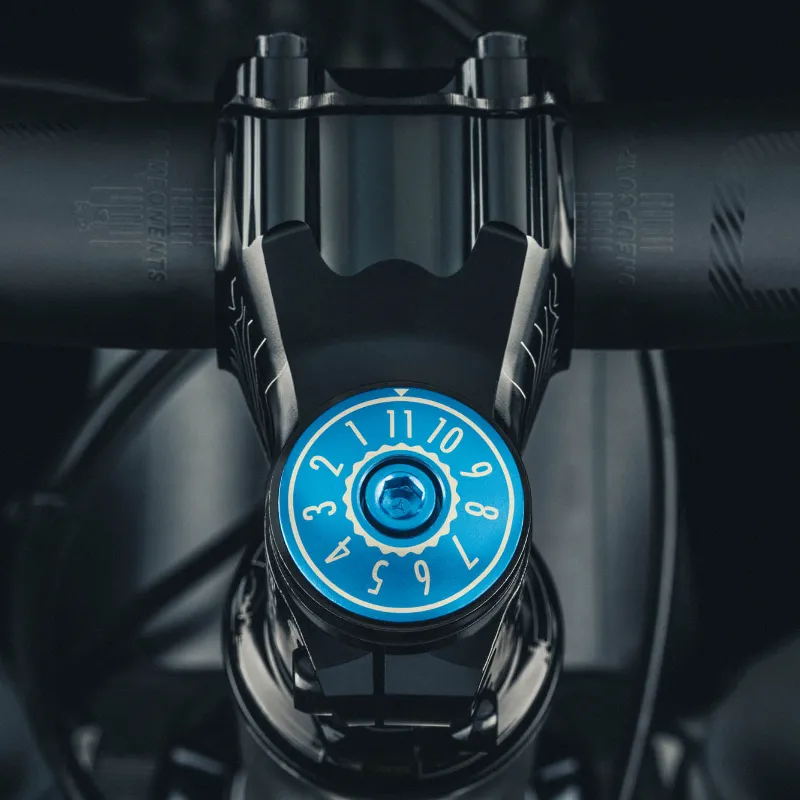
Many riders think the bike stem cap is the same thing, but it’s not. The bike stem cap bolts your stem to the steerer tube and plays a role in the overall assembly, while the bike headset top cap distributes clamping force evenly across the bearing races. Both need to be installed correctly, but they serve different purposes.
A quality bike headset top cap also protects the top of your headset from dirt and debris. If you ride in wet or muddy conditions, that protection keeps your bearings cleaner and extends their lifespan.
How to Install a Bike Headset Top Cap
Installation takes about five minutes with the right tool. Here’s the process:
- Loosen the stem bolts slightly so the stem can move freely on the steerer tube.
- Thread the bike headset top cap onto the steerer tube by hand until it’s snug. Do not force it; if it won’t turn smoothly, you may have the wrong size or there’s debris in the threads.
- Use a hex wrench (usually 4mm or 5mm, depending on the cap) to turn the cap clockwise until you feel resistance. Stop as soon as you feel it. Overtightening causes bearing drag and premature wear.
- Rock the bike side to side and feel for play in the fork. If you hear a click or feel movement, turn the cap another quarter turn.
- Tighten the stem bolts in a criss-cross pattern so the fork stays centered.
- Spin the bars fully left and right. The steering should feel smooth with no binding.
If you’re upgrading to a custom cap, check the latest price and confirm it matches your steerer tube diameter (most modern bikes use 1 1/8-inch standard, but some use 1.5-inch tapered or 1 1/4-inch). The bike stem cap and headset cap both need to fit your specific fork, so measure before you buy.
Bike Headset Top Cap vs. Bike Stem Cap: What’s the Difference
These two components work together but are not interchangeable:
| Component | Location | Function | Material |
|---|---|---|---|
| Bike headset top cap | Top of steerer tube | Applies tension to headset bearings | Aluminum, stainless steel, or carbon |
| Bike stem cap | On stem face | Clamps stem to steerer tube | Aluminum or stainless steel |
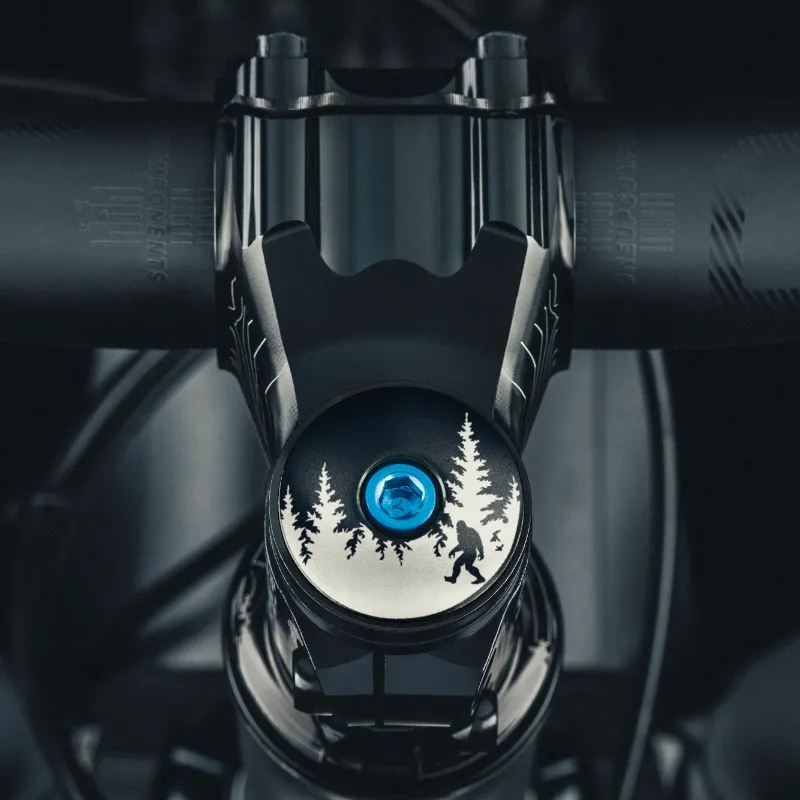
The bike headset top cap handles preload (the tension on your bearings), while the stem secures your handlebar stem in place. Both must be tight enough to eliminate play but not so tight that they create friction. A loose bike stem cap won’t affect headset preload directly, but it will make your bars feel unstable. Similarly, a loose headset cap will create clicking and play even if your stem is tight.
For riders who want a cohesive look, custom bike headset caps let you match your cockpit style. Pairing a quality bike stem cap with a bike headset top cap in the same finish (matte black, polished aluminum, or anodized color) ties your front end together visually.
Materials and Durability
Most bike headset top caps are made from aluminum or stainless steel. Aluminum is lightweight and common on most production bikes, while stainless steel resists corrosion better in wet climates. Carbon fiber caps exist but are less common and offer minimal weight savings for the cost.
The threads inside the cap wear over time with repeated installation and removal. If your cap starts to spin without tightening the headset, the threads have worn out and it’s time to replace it. Bike24 has a great selection of replacements online if you need a new one.
Quality matters here because a cheap cap with soft threads will strip after a few adjustments. Spending a bit more on a solid bike headset top cap saves you frustration down the line.
Tuning Your Bike’s Steering Feel
The bike headset top cap is your main tool for dialing in how your fork feels. Too little tension and you get play and clicking. Too much and your steering binds up, especially when you turn hard or lock up your bars.
Start with the cap snug enough to eliminate play, then back off a quarter turn. Your fork should spin freely without any binding or rubbing. This is the sweet spot. Most riders set it once and leave it alone, but checking it every month or two during regular maintenance keeps your steering dialed in.
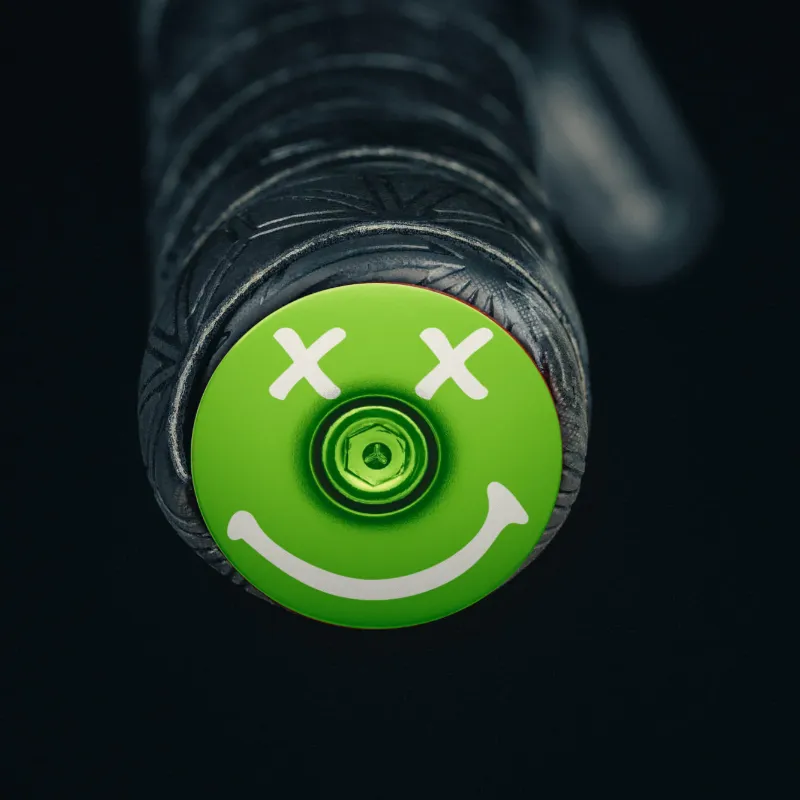
If you’re upgrading parts on your cockpit, now’s a good time to also check your bar ends mtb or mtb bar end plugs for tightness. A loose handlebar component affects the feel of your entire front end.
Who Should Upgrade Their Headset Cap
If you’re building a custom bike or replacing worn parts, a quality bike headset top cap is worth the investment. Riders who frequently adjust their headset benefit from a cap with strong threads. Mountain bikers and commuters who ride in wet conditions should opt for stainless steel or sealed versions to keep bearings cleaner.

If you’re already upgrading your stem, handlebars, or jersey for the season, grab the code and bundle in a quality bike headset top cap along with other parts like a mountain bike jersey or mtb jersey 3/4 sleeve. Getting 10% off all orders makes it the right time to refresh your whole setup.
FAQ
{q: “Can I use any bike headset top cap on my fork?”, a: “No. You need to match your steerer tube diameter (typically 1 1/8-inch standard, 1.5-inch tapered, or 1 1/4-inch). Check your fork spec before buying.”}
{q: “How tight should a bike headset top cap be?”, a: “Snug enough to eliminate play and clicking, but not so tight that your steering binds or feels draggy. Tighten until you feel resistance, then stop.”}
{q: “What’s the difference between a bike stem cap and a bike headset top cap?”, a: “The stem cap clamps your stem to the steerer tube, while the headset top cap applies tension to your headset bearings. Both must be tight, but they serve different jobs.”}
{q: “How often should I check or adjust my bike headset top cap?”, a: “Check it monthly during routine maintenance or whenever you hear clicking. Most riders adjust it once and leave it, but wet conditions and heavy use can loosen it over time.”}
{q: “Can I upgrade to a custom bike headset top cap?”, a: “Yes. Custom caps in different materials and finishes let you match your cockpit style, and they often have better thread durability than stock caps.”}
{q: “Where can I find replacement headset caps?”, a: “Trek offers standard headset top caps and Blue Lug has a wide stem cap selection for builders and upgraders.”}
Questions
Can I use any bike headset top cap on my fork?
No. You need to match your steerer tube diameter (typically 1 1/8-inch standard, 1.5-inch tapered, or 1 1/4-inch). Check your fork spec before buying.
How tight should a bike headset top cap be?
Snug enough to eliminate play and clicking, but not so tight that your steering binds or feels draggy. Tighten until you feel resistance, then stop.
What's the difference between a bike stem cap and a bike headset top cap?
The stem cap clamps your stem to the steerer tube, while the headset top cap applies tension to your headset bearings. Both must be tight, but they serve different jobs.
How often should I check or adjust my bike headset top cap?
Check it monthly during routine maintenance or whenever you hear clicking. Most riders adjust it once and leave it, but wet conditions and heavy use can loosen it over time.
Can I upgrade to a custom bike headset top cap?
Yes. Custom caps in different materials and finishes let you match your cockpit style, and they often have better thread durability than stock caps.
Where can I find replacement headset caps?
Trek offers standard headset top caps and Blue Lug has a wide stem cap selection for builders and upgraders.
Products in this guide
 Shopping at Dispatch Bike? See the discount code
10% OFF All Orders
Shopping at Dispatch Bike? See the discount code
10% OFF All Orders
More in this series
 Do You Really Need a Ride Wallet? What Mountain Bikers Actually Carry on Trails14 Sep 20265 min
 What Are the Best Water Bottles for Mountain Biking? Cage, Pocket or Pack14 Sep 20264 minDispatch Bike Jersey vs. 3/4 Sleeve: Which MTB Top Should You Choose?14 Sep 20263 minWhy Mountain Bike Bar End Plugs Matter: Safety, Comfort, and When to Replace Them14 Sep 20264 min