 A Shahkaar guide
How to Wash and Store a Shahkaar Pashmina Shawl Without Ruining It
A pashmina shawl needs gentle hand-washing, careful drying, and proper folding to stay soft and pill-free for years.
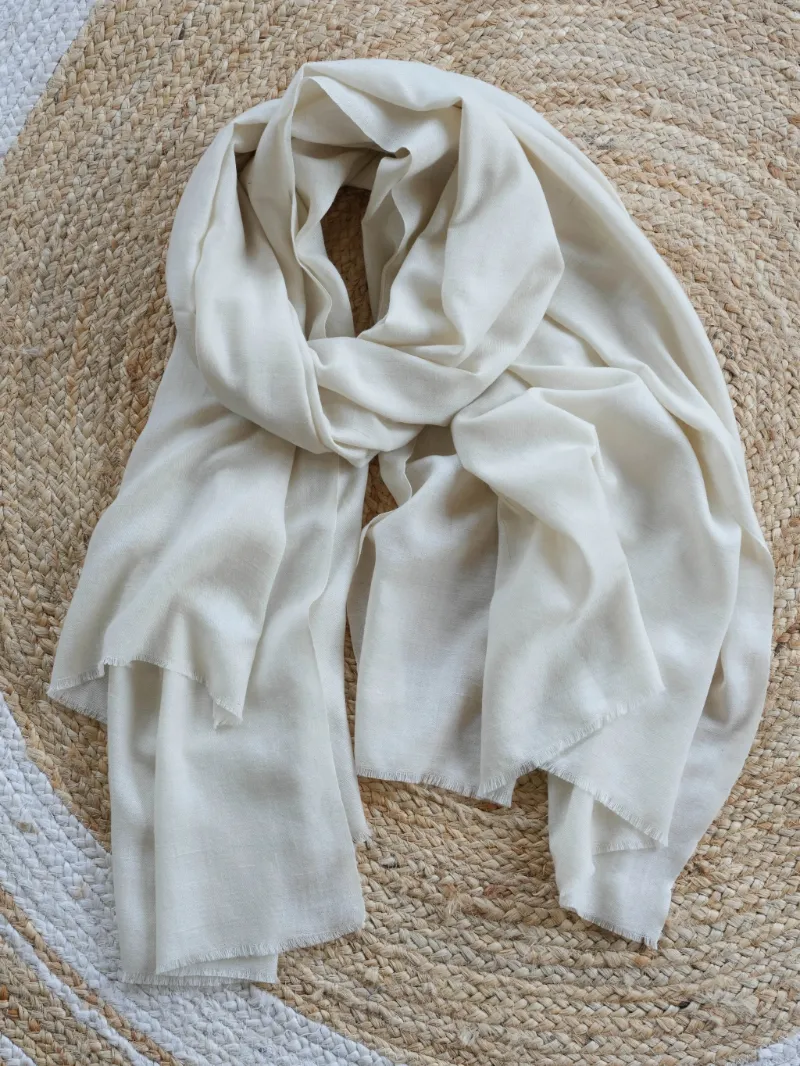
A pashmina shawl is one of the most delicate luxury textiles you can own, and the wrong wash cycle can shrink, felt, or permanently warp the fibres in a single go. The good news is that caring for one is straightforward once you know the rules. Follow this guide and your shawl will stay as soft and beautiful as the day it arrived.
What a Pashmina Shawl Is Actually Made From
Understanding the fibre helps you understand why gentle care matters. A genuine pashmina shawl is made from the undercoat of the Changthangi goat, found at high altitude in the Kashmir region. The fibres are ultra-fine (typically 12 to 16 microns), which is what gives the fabric its legendary softness and warmth. That same fineness makes the fibres easy to damage with heat, agitation, or harsh detergents.
- Original pashmina: 100% Changthangi goat undercoat, the most delicate
- Pashmina-silk blends: slightly more resilient but still require hand-washing
- Pashmina-wool blends: a little hardier, though still not machine-wash safe
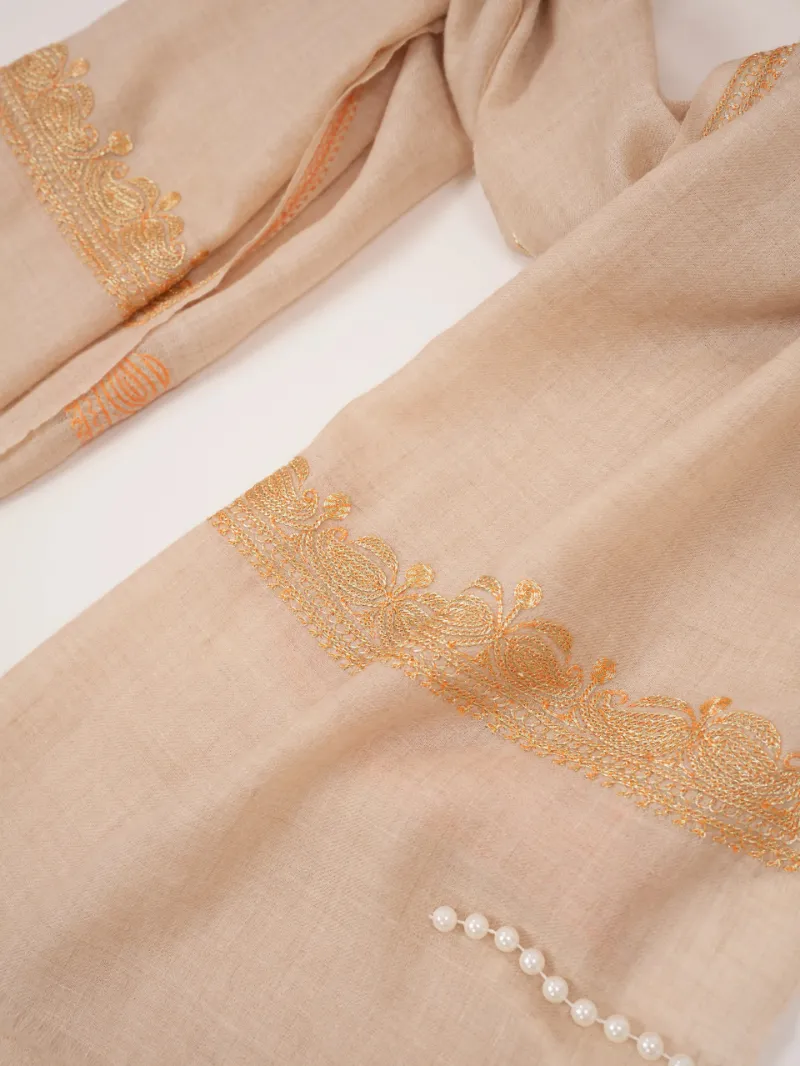
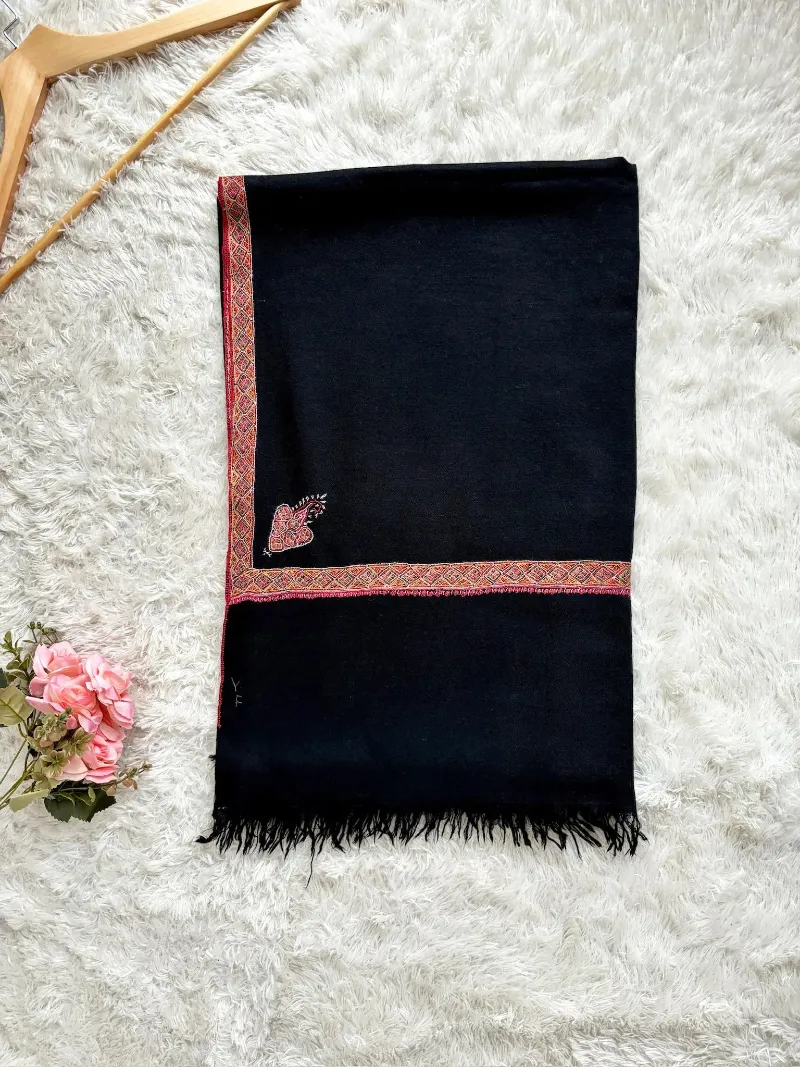
Whether you own a kashmiri shawl, a black pashmina, or a delicate white shawl, the fibre type dictates everything that follows.
How to Hand-Wash a Pashmina Shawl Step by Step
Hand-washing is the only safe method. Never use a washing machine, even on a delicate or wool cycle.
- Fill a basin with cool water (below 30 °C / 86 °F). Lukewarm is the absolute maximum.
- Add a small amount of mild detergent designed for wool or cashmere. Baby shampoo also works well. Avoid regular laundry detergent, bleach, or fabric softener.
- Submerge the shawl and gently agitate by pressing it down with your hands. Do not rub, wring, or scrub.
- Soak for no more than 10 minutes. Prolonged soaking weakens the fibres.
- Rinse thoroughly with cool water until no soap remains. Change the water as many times as needed.
- Gently squeeze out water by pressing the shawl against the side of the basin. Never wring.
Dealing With Stains
- Treat stains as soon as possible; dried stains are much harder to remove.
- Dab (do not rub) with a cloth dampened in cool water and a tiny drop of mild soap.
- For oil-based stains, a small amount of talcum powder left on the stain for 20 minutes before washing can help lift it.
- When in doubt, take the shawl to a specialist dry cleaner experienced with cashmere or fine wool.
Drying Without Damage
Heat and tension are the two enemies of pashmina fibre during drying.
- Never tumble-dry, wring, or hang the shawl on a line while wet. The weight of the water will stretch and distort the weave.
- Lay the shawl flat on a clean, dry towel immediately after washing.
- Roll the towel around the shawl and gently press to absorb excess moisture.
- Unroll, reshape the shawl by hand, and lay it flat on a fresh dry towel or a mesh drying rack.
- Dry away from direct sunlight and away from radiators or heaters.
- Allow to dry fully before folding or storing, which can take several hours.
How to Store a Pashmina Shawl Long-Term
Correct storage prevents pilling, stretching, and moth damage.
| Storage Method | Best For | Notes |
|---|---|---|
| Folded flat in a drawer | Everyday shawls | Fold along natural lines; avoid sharp creases |
| Acid-free tissue wrap in a box | Delicate or heirloom pieces | Keeps dust and light away |
| Breathable cotton bag | Travel or seasonal storage | Never use plastic, which traps moisture |
| Cedar block or lavender sachet | All storage | Natural moth deterrent; replace every few months |
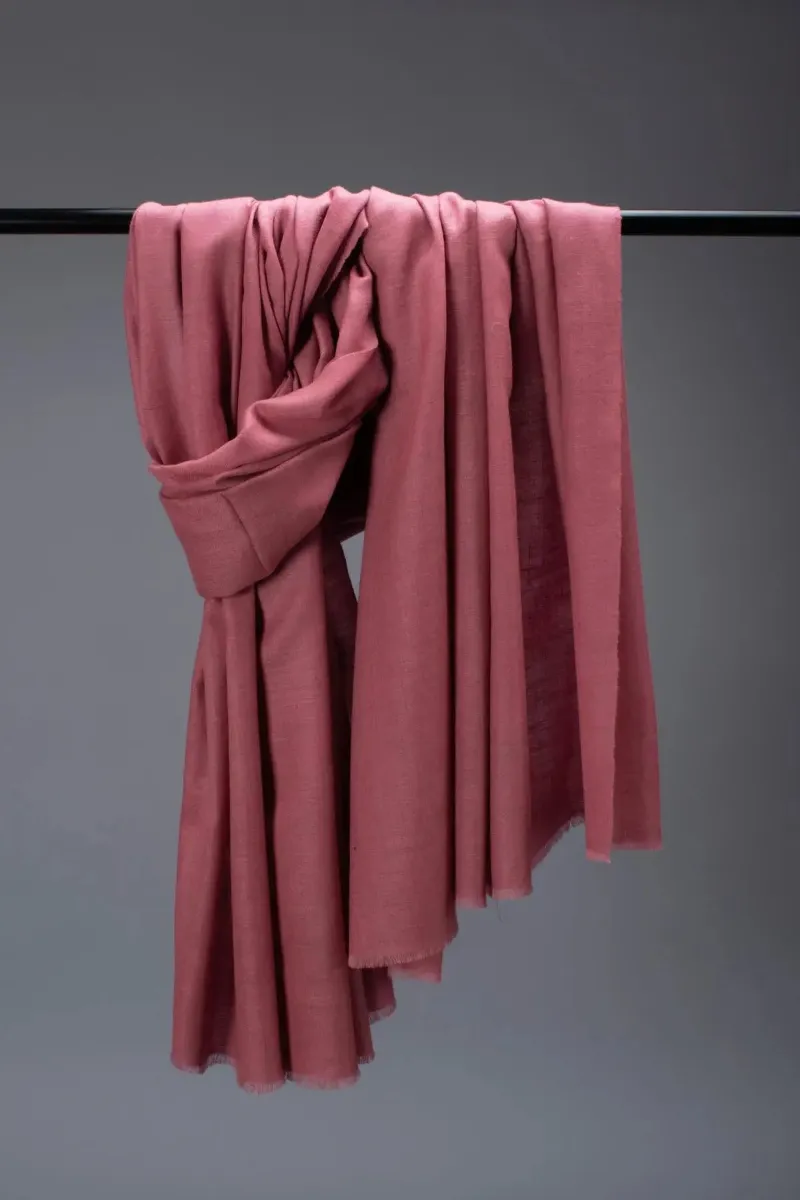
- Always fold, never hang. Hanging a fine pashmina on a hook or hanger stretches the shoulder area over time.
- Store in a cool, dry, dark location. Humidity encourages mildew; direct light fades colour.
- Check stored shawls every couple of months for any signs of moth activity or moisture.
- A pink pashmina or a lighter-coloured kaschmir scarf is especially vulnerable to yellowing if stored in plastic or in direct light, so pay extra attention with pale shades.
Preventing Pilling and Everyday Wear Damage
Pilling happens when short fibres tangle with each other through friction. Some pilling on a genuine pashmina is actually normal in the first few wears, as loose surface fibres work their way out.
- Remove pills gently with a cashmere comb or a fabric shaver set to its lowest setting. Never pull pills off by hand.
- Avoid wearing a rough bag strap or a heavily textured jacket under your shawl, as the friction accelerates pilling.
- Rotate your shawls if you wear them frequently. This gives fibres time to rest and recover their shape.
- For a pashmina shawl for wedding or any special-occasion piece, consider storing it in acid-free tissue immediately after wear and having it professionally cleaned before the next use.
Choosing the Right Shawl for Your Lifestyle
How you care for a shawl also depends on how you use it.
| Shawl | Ideal Use | Care Priority |
|---|---|---|
| Kashmiri shawl | Formal occasions, gifting | Dry-clean or very gentle hand-wash |
| Black pashmina | Everyday elegance, travel | Hand-wash; check for colour transfer |
| White shawl | Bridal, summer, layering | Wash separately; store away from light |
| Pink pashmina | Casual to semi-formal | Keep away from prolonged sunlight |
A pashmina shawl for women used daily needs a slightly more frequent wash routine than one worn only occasionally, while a pashmina shawl mens style used as a travel wrap benefits most from a protective cotton storage bag.
If you are shopping for a new piece or replacing one, check the latest price and grab the current 20% off code before you buy. Shahkaar’s full range of shawls and scarves is worth browsing, and you can see the current offer on the discount page to make sure you are not paying full price.
Questions
Can I machine-wash a pashmina shawl on the delicate cycle?
No. Even a delicate or wool cycle creates too much agitation and heat for pashmina fibres. Always hand-wash in cool water with a mild detergent to avoid shrinkage or felting.
How often should I wash a pashmina shawl?
Wash it only when it genuinely needs it, typically every 4 to 6 wears for everyday use or at the end of a season for occasional pieces. Over-washing shortens the lifespan of the fibres.
Is the Shahkaar kashmiri shawl safe to hand-wash at home?
Yes, but treat it as you would any fine pashmina: cool water, a tiny amount of wool-safe detergent, no wringing, and flat drying. For heavily embroidered or embellished pieces, professional dry-cleaning is safer.
How do I get rid of pills on my pashmina without damaging it?
Use a dedicated cashmere comb or a fabric shaver on its lowest setting, moving in one direction across the fabric. Never pull pills off with your fingers, as this can snag and break the surrounding fibres.
What is the best way to store a white shawl to prevent yellowing?
Fold it in acid-free tissue paper, place it in a breathable cotton storage bag, and keep it in a cool, dark drawer or box. Avoid plastic bags and direct light, both of which accelerate yellowing in pale-coloured textiles.
How can I tell if my pashmina shawl is original and not a synthetic blend?
A genuine pashmina feels exceptionally soft and warm for its weight, and a small sample will burn like hair (not melt like plastic) if tested with a flame. For certainty, buy from a trusted retailer and check the product description for fibre content.
Products in this guide
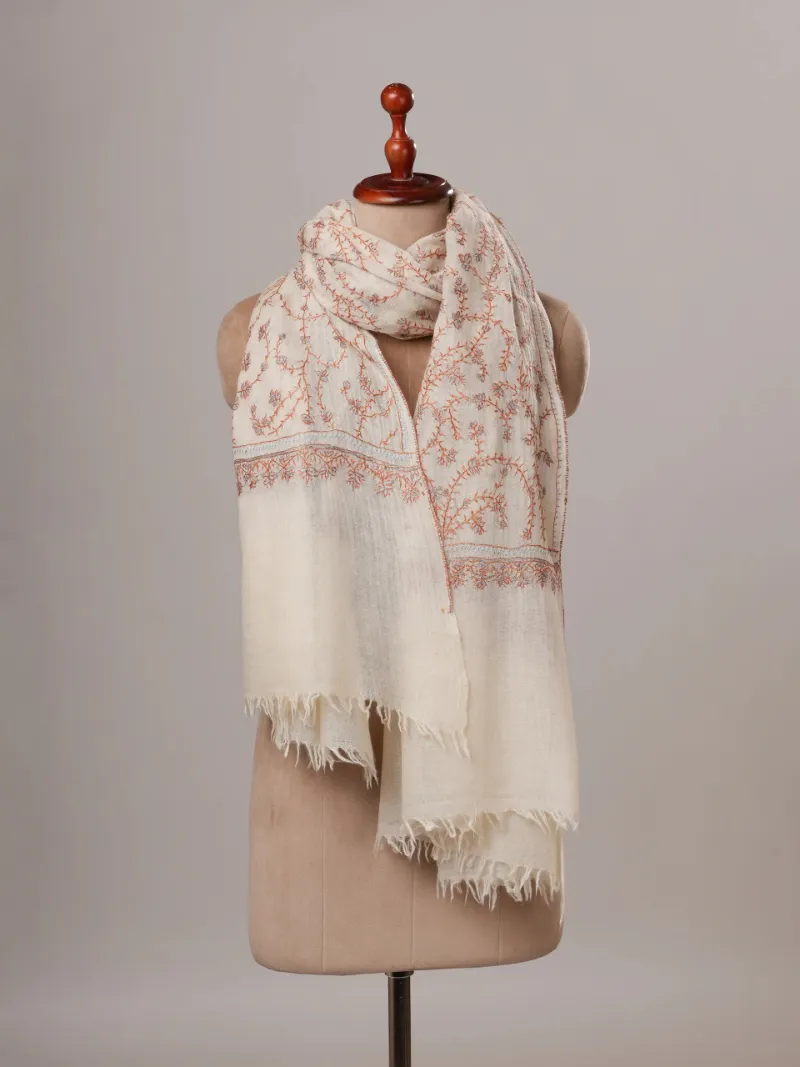
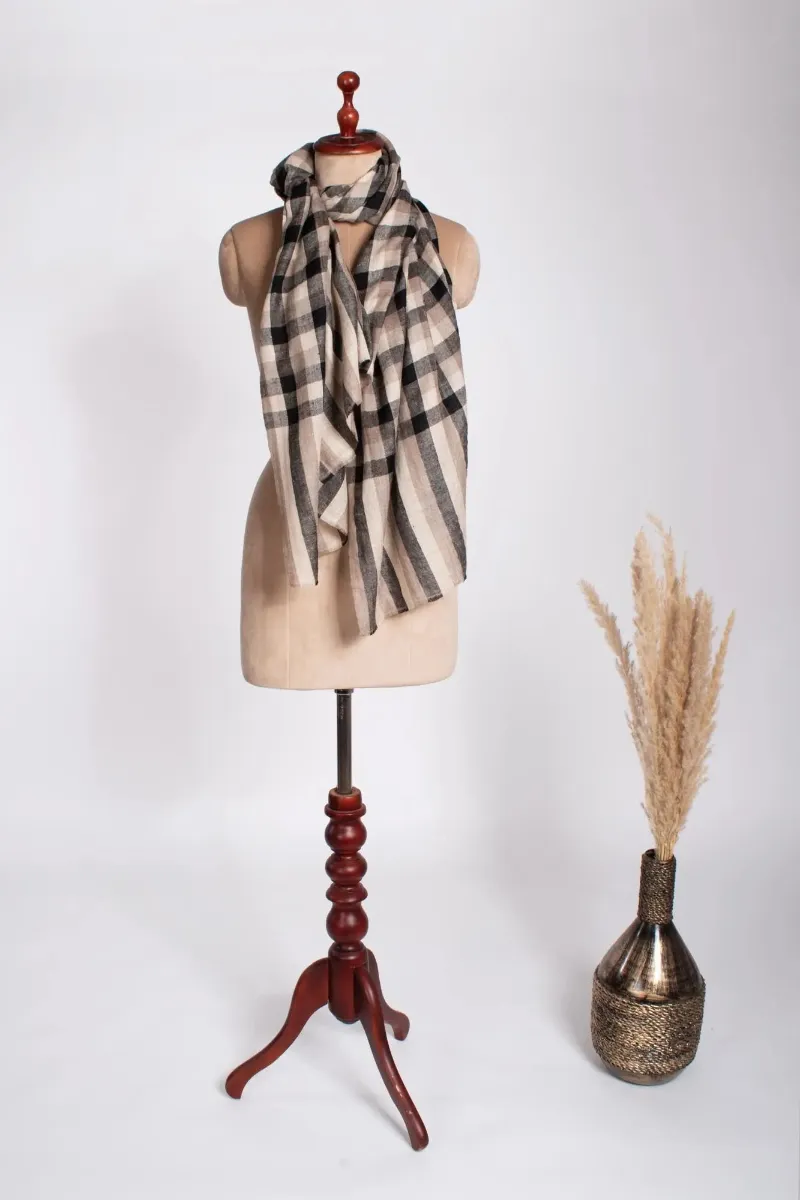 Shopping at Shahkaar? See the discount code
20% OFF All Orders
Shopping at Shahkaar? See the discount code
20% OFF All Orders
More in this series
White vs Black Pashmina: Which Suits Everyday Wear?5 Aug 20264 min5 Signs Your Pashmina Shawl Is Losing Quality (and How to Fix It)5 Aug 20264 minThe Beginner’s Guide to Choosing Between a Pashmina Shawl and a Kashmiri Shawl5 Aug 20264 minWhy Shahkaar Kashmiri Shawls Are Worth the Investment5 Aug 20265 minPashmina vs Kashmir Scarf: What’s the Real Difference?5 Aug 20264 min