 A Shahkaar guide
Pashmina vs Kashmir Scarf: What’s the Real Difference?
A pashmina shawl and a Kashmiri scarf share the same heritage but differ in fibre grade, weave, and how you wear them — and knowing the difference saves you from overpaying for the wrong thing.
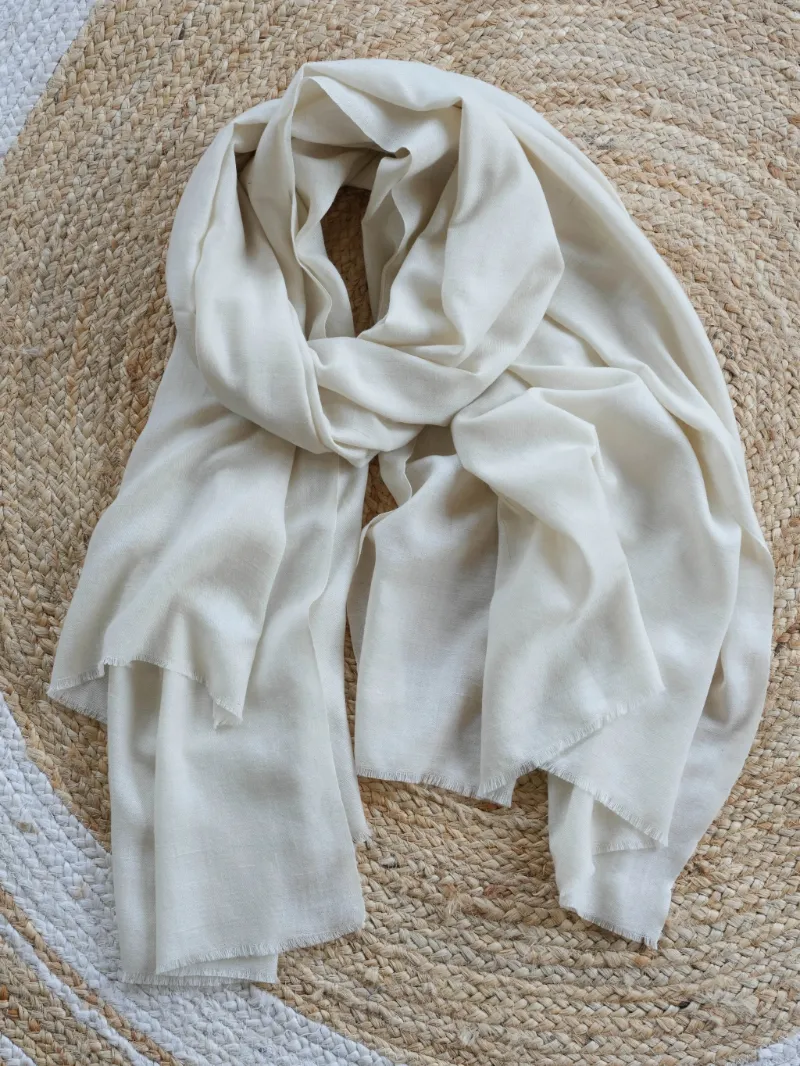
A pashmina shawl is made from the ultra-fine undercoat of the Changthangi goat, hand-combed in the high-altitude plateaus of Ladakh and Kashmir, while a Kashmiri scarf is a broader category that can include blended fibres, machine weaves, and embroidered wool that never touches pashmina at all. Knowing exactly which you are holding (or buying) matters because the gap in quality, warmth, and longevity is significant. This guide breaks down the real differences so you can shop with confidence.
What a Pashmina Shawl Is Actually Made From
The phrase “pashmina shawl is made from” comes up constantly in buyer searches, and for good reason, the term is heavily misused.
- True pashmina comes from Capra hircus goats living above 4,000 metres. The fibre diameter is typically 12 to 16 microns, finer than cashmere’s standard grading.
- Cashmere is technically the same species but sourced from lower-altitude regions; the fibre is slightly coarser (16 to 19 microns on average).
- “Pashmina blend” on a label usually means a mix of pashmina or cashmere with silk, viscose, or wool, still beautiful, but not pure.
- A pure pashmina shawl original piece is hand-spun and hand-woven; no machine can replicate the irregular, airy texture authentic weavers produce.
If a product is labelled pashmina but feels uniformly smooth and machine-pressed, it is almost certainly a blend or an imitation.
How a Kashmiri Shawl Differs From Pashmina
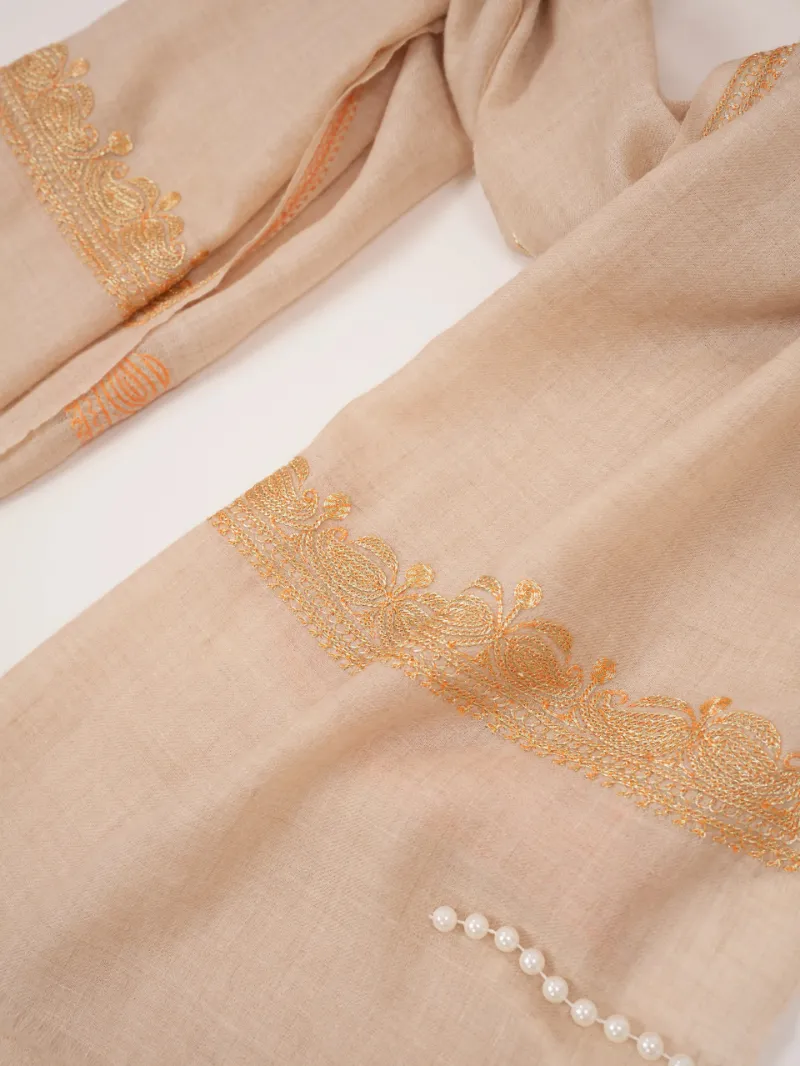
A kashmiri shawl is a geographic and cultural category, not a fibre specification. Under that umbrella you will find:
| Type | Fibre | Weave method | Key feature |
|---|---|---|---|
| Pure pashmina | Changthangi undercoat | Handwoven on loom | Ultra-lightweight warmth |
| Kani shawl | Pashmina or wool | Handwoven with wooden spools | Intricate tapestry motifs |
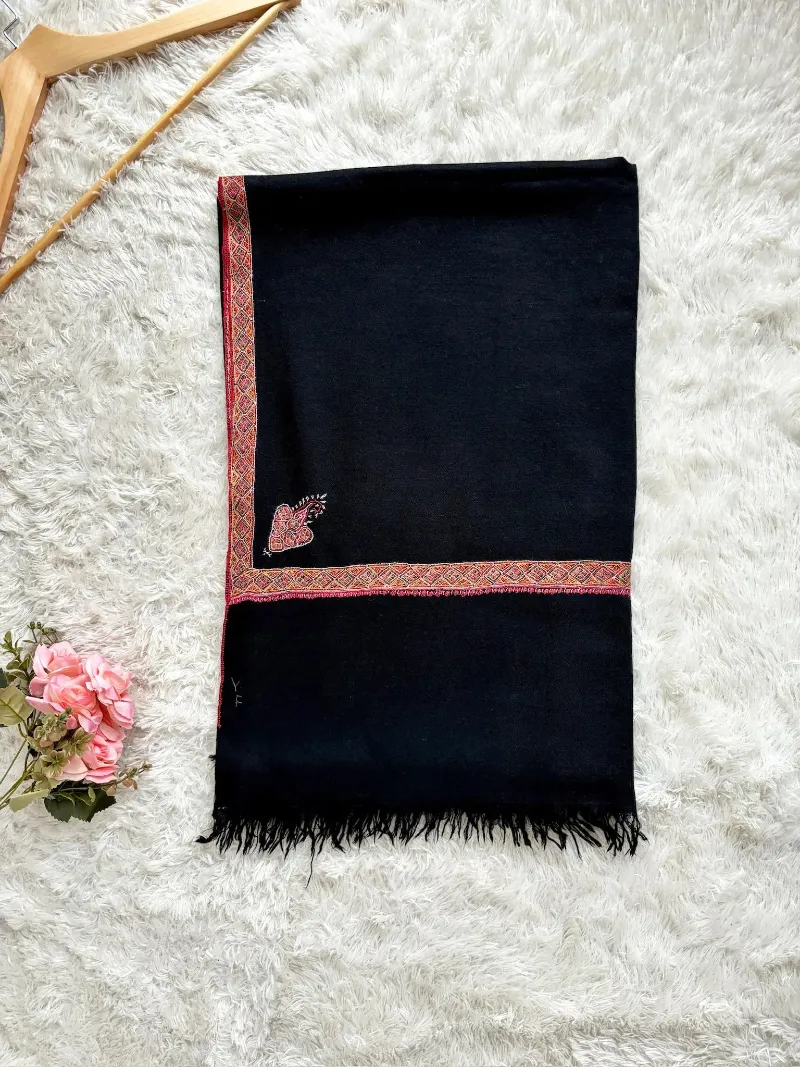
| Sozni shawl | Pashmina base | Needle embroidered by hand | Fine floral embroidery |
| Kaschmir scarf | Wool or blend | Often machine-aided | Accessible price point |
A kaschmir scarf sits at the accessible end of this spectrum. It carries the regional craft identity (paisley patterns, rich colour stories, traditional motifs) without the premium fibre cost of a true pashmina. Both are legitimate products; they just serve different budgets and occasions.
Choosing the Right Style and Colour
Once you understand the fibre story, the next question is fit for purpose.
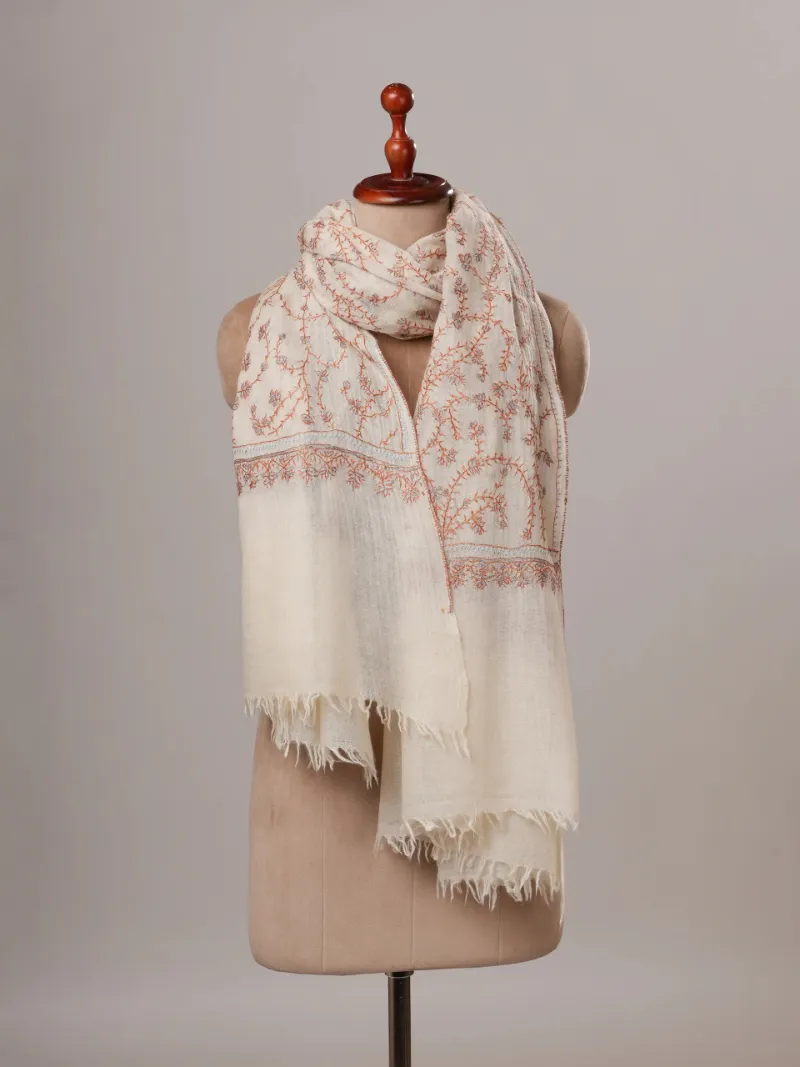
- For weddings and formal events: A classic ivory or white shawl drapes beautifully over a lehenga or gown and photographs cleanly. A pashmina shawl for wedding looks equally striking in blush tones.
- For everyday versatility: A black pashmina pairs with virtually any outfit, transitions from desk to dinner, and hides wear better than lighter shades.
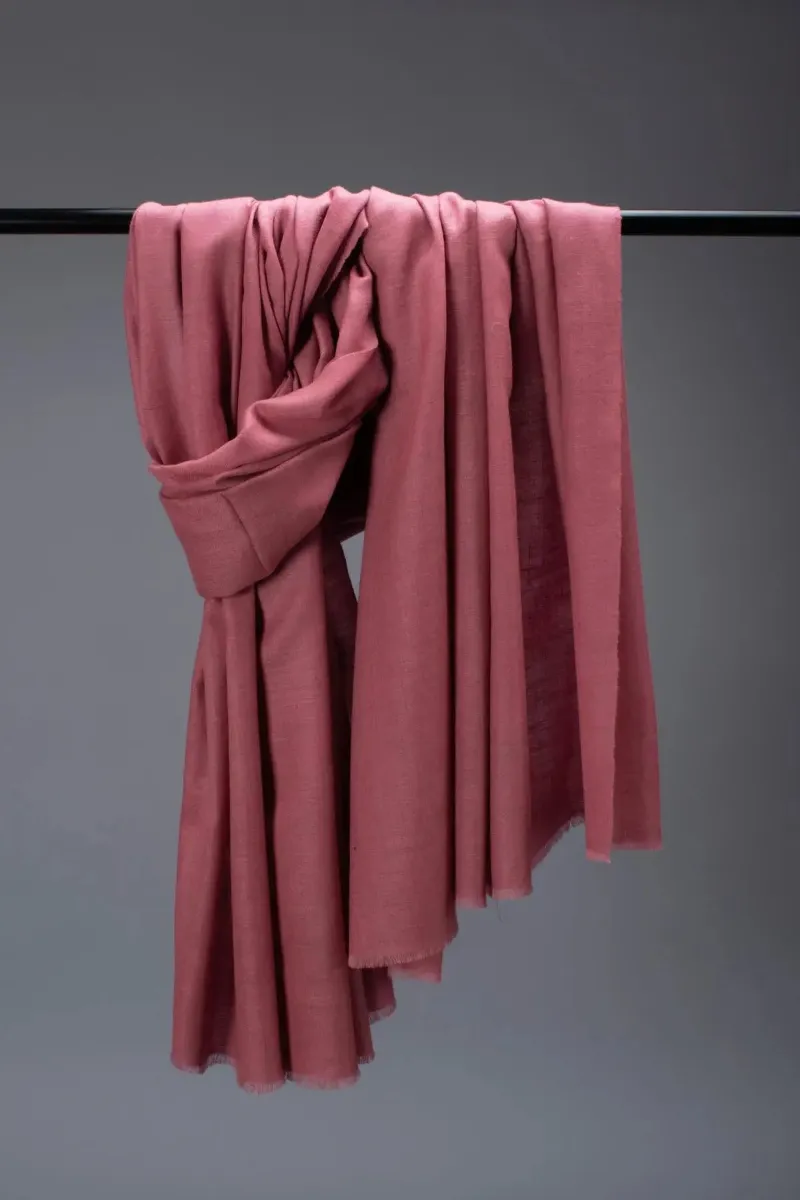
- For a feminine accent: A pink pashmina adds warmth and colour without overwhelming a neutral base, making it a popular gift choice.
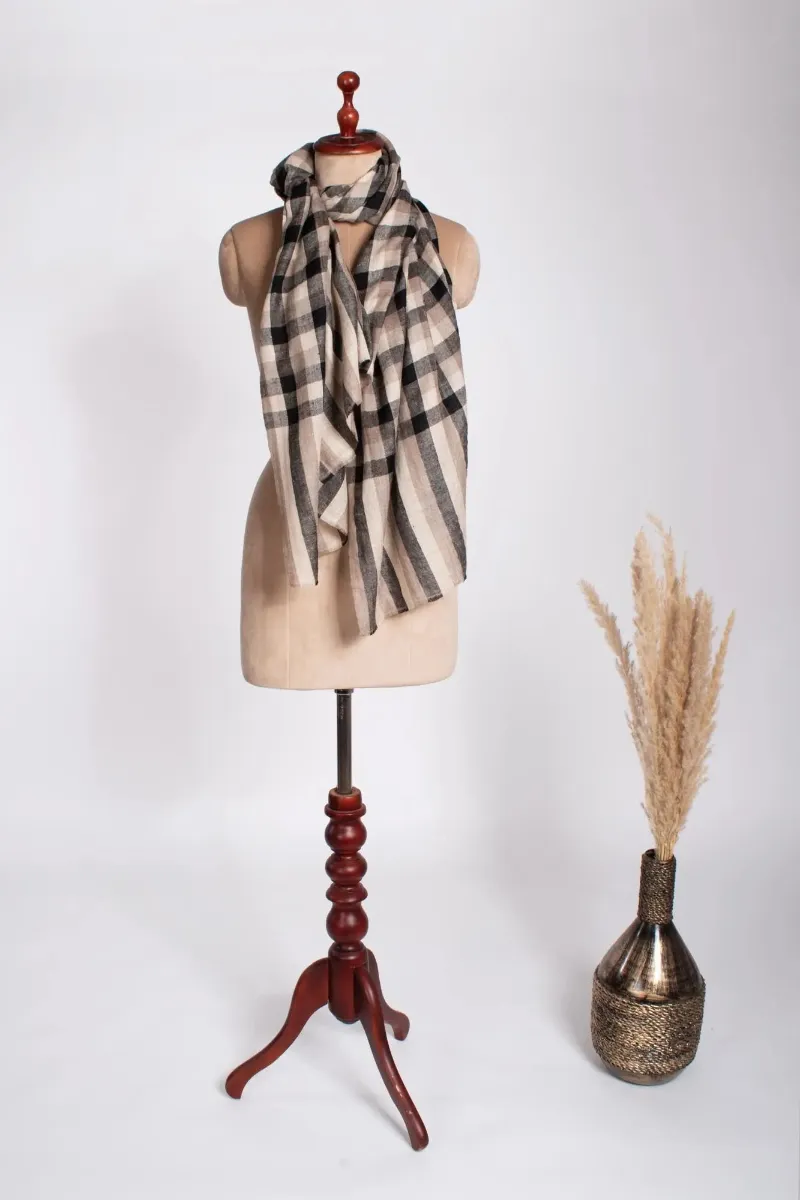
- For men: A pashmina shawl mens option in charcoal, camel, or deep navy works as a refined alternative to a wool scarf; the weight drapes differently from a lighter women’s cut, often wider and less fringed.
If you are unsure where to start, check the latest price and grab the current code before you add to cart, Shahkaar currently offers 20% off all orders.
How to Verify a Pashmina Shawl Original
Authenticity tests you can do at home:
- The ring test. A genuine handwoven pashmina shawl can be pulled through a finger ring because of how fine and loosely woven the fibres are. Tight synthetic weaves resist this.
- The rub test. Rub a corner between your palms for 20 seconds. Real pashmina pils very slightly; acrylic generates static and feels warm-slick.
- The burn test (a small loose fibre only). Pashmina is protein-based and smells like burning hair; synthetics melt and smell chemical.
- Weight. An authentic shawl of standard dimensions is remarkably light for how warm it feels. If it feels heavy for its size, suspect wool or a thick blend.
A credible retailer like Shahkaar will state fibre composition clearly. If a listing is vague, that vagueness is itself a signal.
Sizing, Drape, and How to Wear Each
- A shawl is typically around 200 x 100 cm, wide enough to wrap both shoulders fully and long enough to knot or pin at the front.
- A scarf is narrower, usually 180 x 50 to 70 cm, designed for neck wrapping rather than full shoulder coverage.
- A stole falls between the two: 200 x 70 cm is a common cut used for both pashmina shawl for women event wear and casual daywear.
For a bridal look, go shawl dimensions. For a daily commute, a scarf or stole is easier to manage. The kashmiri shawl range at Shahkaar covers all three silhouettes if you want to compare proportions side by side.
Caring for Your Pashmina or Kashmiri Piece
These fibres reward gentle handling.
- Hand wash only in cool water with a drop of baby shampoo or specialist wool wash.
- Never wring. Press water out gently, then roll in a clean towel.
- Dry flat in shade; hanging distorts the weave over time.
- Store folded, not hung, wrapped in breathable cotton, never plastic, which traps moisture and encourages moth activity.
- For embroidered Kashmiri pieces, dry cleaning is safer; the thread tension on sozni embroidery can distort with home washing.
Good care keeps a genuine pashmina shawl wearable for decades, which is part of what justifies the price compared to fast-fashion alternatives.
Where to Buy and How to Save
You do not need to search “pashmina shawl near me” and settle for whatever a local tourist shop stocks. Shahkaar ships authentic pieces directly, with fibre information, clear sizing, and reviews. To see current pricing across styles, from the everyday black pashmina to an occasion white shawl: and to apply the latest discount, visit the Shahkaar coupon page before checkout.
Questions
What is the difference between a pashmina shawl and a cashmere shawl?
Pashmina comes from a specific high-altitude goat breed and is spun to a finer diameter than standard cashmere, making it lighter and softer. Cashmere is technically from the same species but sourced more broadly, so the fibre is slightly coarser. Both are luxury fibres, but a genuine pashmina shawl original sits at the finer end of the cashmere spectrum.
Is a kaschmir scarf the same thing as a pashmina?
Not necessarily. A kaschmir scarf refers to a scarf made in or inspired by Kashmiri craft traditions, which can include wool blends, embroidered pieces, or machine-aided weaves. Pashmina is a specific fibre and weave standard, so while all pashmina is Kashmiri in origin, not all Kashmiri scarves are pashmina.
Can men wear a pashmina shawl?
Absolutely. A pashmina shawl works well for men as a refined alternative to a wool scarf, especially in neutral tones like charcoal, navy, or camel. Look for styles with a slightly wider, plainer cut rather than heavily fringed options.
How do I know if a pashmina shawl is genuine?
The most practical home tests are the ring test (a real handwoven piece threads through a finger ring) and the rub test (genuine pashmina pills slightly from friction rather than generating static). Buying from a retailer that clearly states fibre composition, like Shahkaar, also reduces the risk of receiving a synthetic imitation.
Which colour works best for a wedding, white, pink, or black?
A white shawl is the classic bridal choice and photographs cleanly over both light and dark outfits. A pink pashmina is popular for bridesmaids or guests who want warmth with a feminine accent. Black is elegant but less traditional for bridal wear; it suits evening receptions and formal events well.
How should I wash a Kashmiri shawl at home?
Hand wash in cool water with a mild wool-safe shampoo, press out excess water without wringing, then dry flat in shade. For heavily embroidered Kashmiri pieces, dry cleaning is the safer option to protect the thread tension.
Products in this guide
 Shopping at Shahkaar? See the discount code
20% OFF All Orders
Shopping at Shahkaar? See the discount code
20% OFF All Orders
More in this series
White vs Black Pashmina: Which Suits Everyday Wear?5 Aug 20264 min5 Signs Your Pashmina Shawl Is Losing Quality (and How to Fix It)5 Aug 20264 minThe Beginner’s Guide to Choosing Between a Pashmina Shawl and a Kashmiri Shawl5 Aug 20264 minWhy Shahkaar Kashmiri Shawls Are Worth the Investment5 Aug 20265 minHow to Wash and Store a Shahkaar Pashmina Shawl Without Ruining It5 Aug 20264 min